




Edwardian Fireside Bucket
An edwardian fireside bucket brings functional warmth to the hearth, offering a handsome receptacle for coal and logs.
Edwardian Fireside Bucket
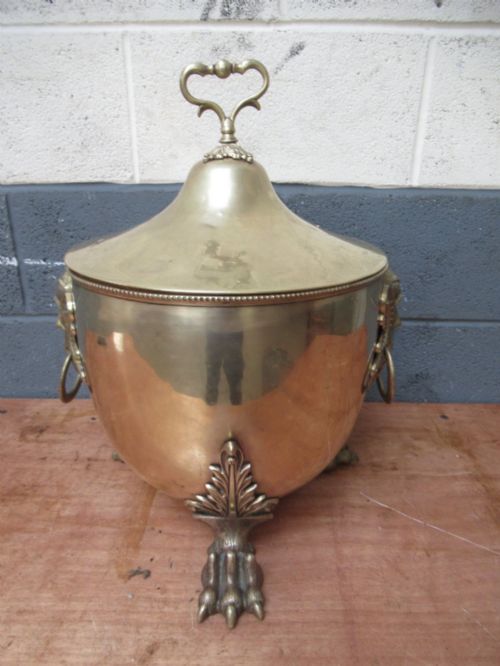
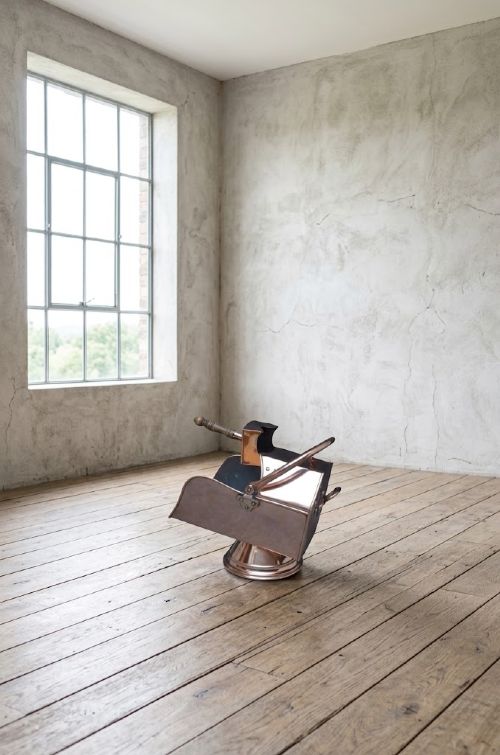
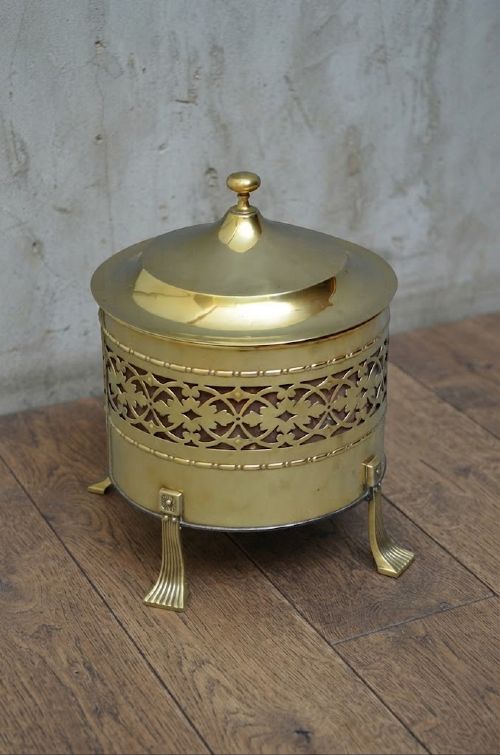
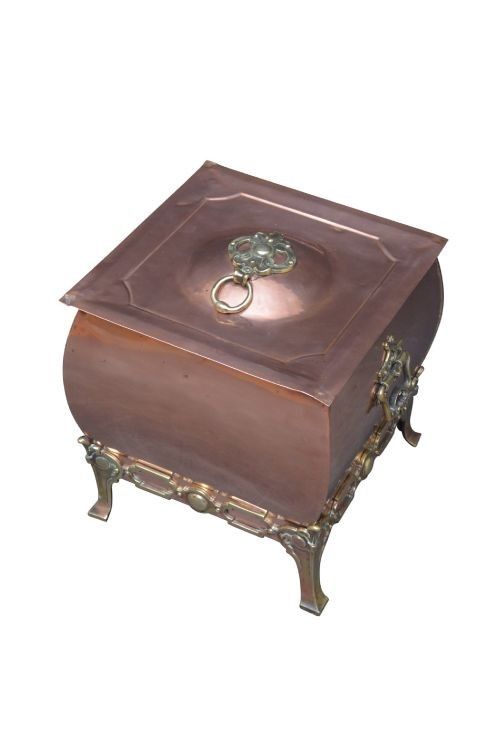
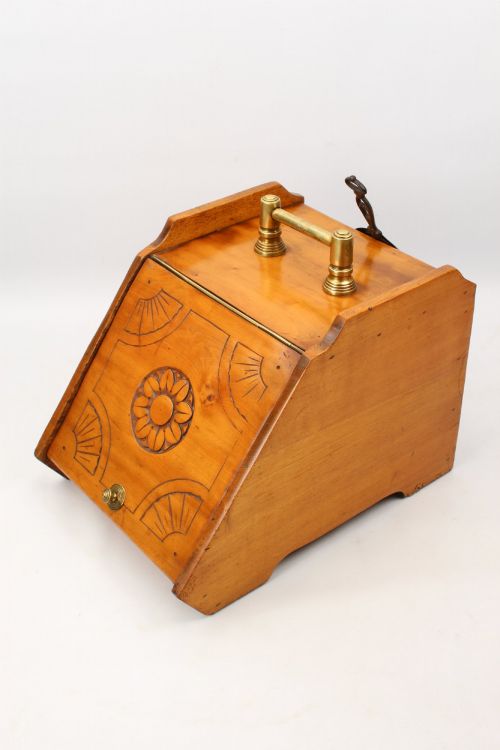
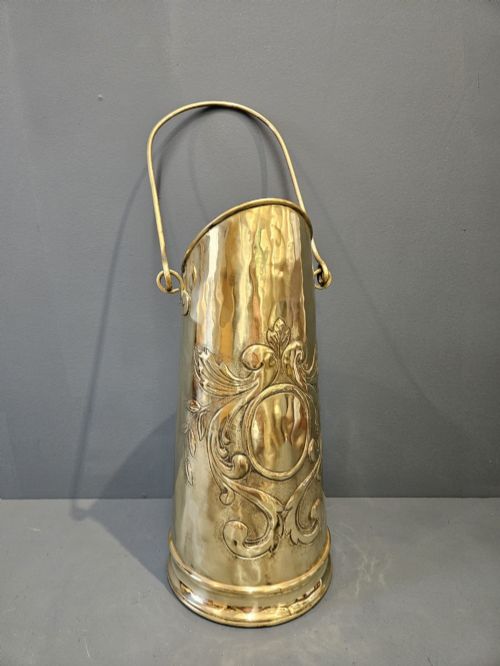
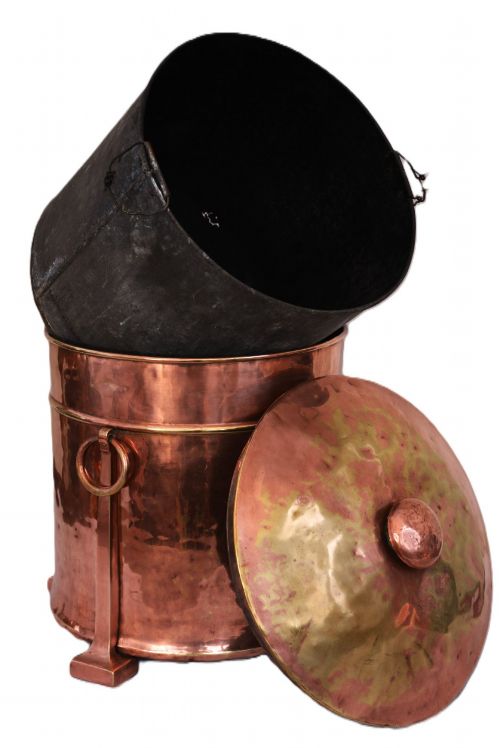
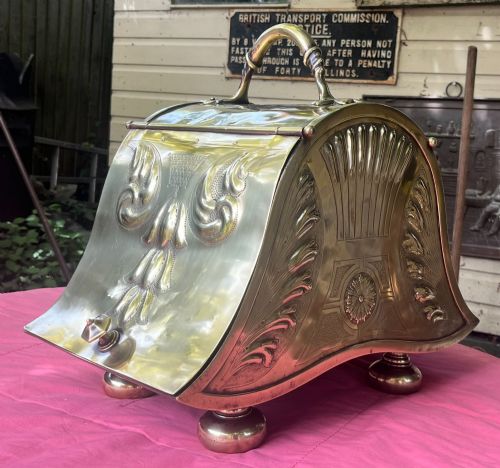
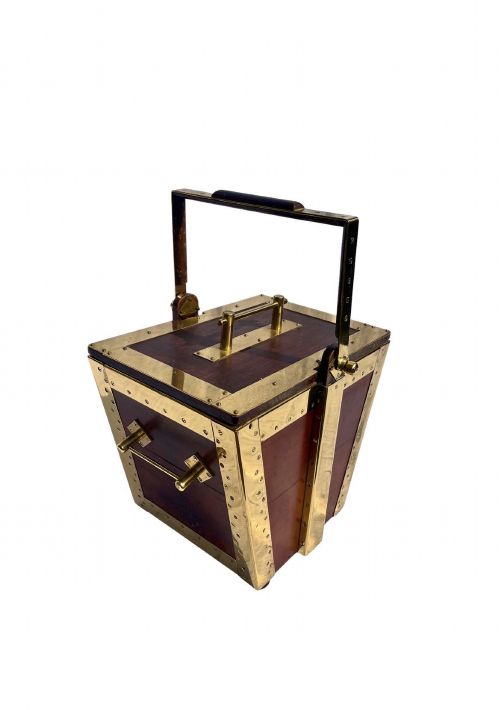
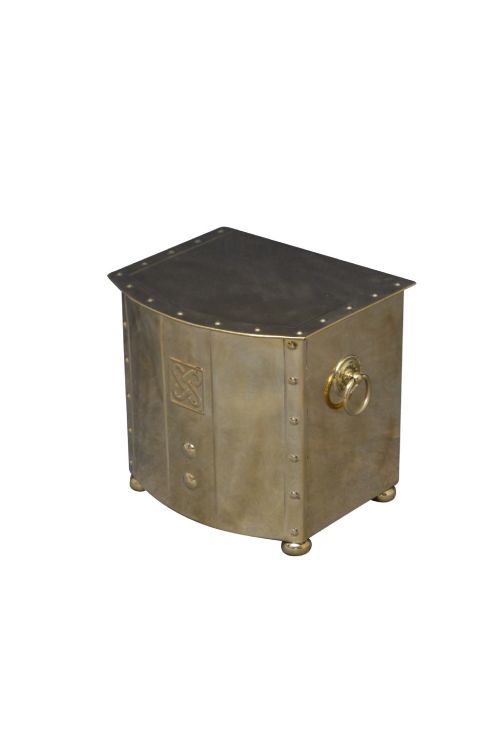
An edwardian fireside bucket is a practical hearth accessory designed to hold coal, logs, or kindling near the fireplace. The pieces gathered under this heading span the late nineteenth century through to the early twentieth century, taking the form of buckets, helmets, bins, and purdoniums.
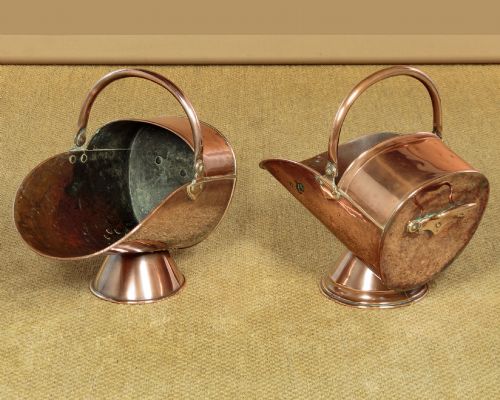
You will most frequently encounter metal vessels made from beaten copper or polished brass, often paired with iron frames or wooden liners. Many double as planters or log bins, reflecting the versatile domestic metalwork of the period.
The aesthetic leans heavily towards Arts and Crafts simplicity and Art Nouveau curves, alongside traditional Victorian and Edwardian shapes. These items were built for daily utility beside the grate, combining robust construction with decorative metalwork.
How they were made
Makers shaped these vessels primarily from sheet copper and brass, joining seams with visible rivets or smooth soldering. Iron and wrought iron frequently provide sturdy internal frames or swing handles, ensuring the metal could bear the heavy weight of coal.
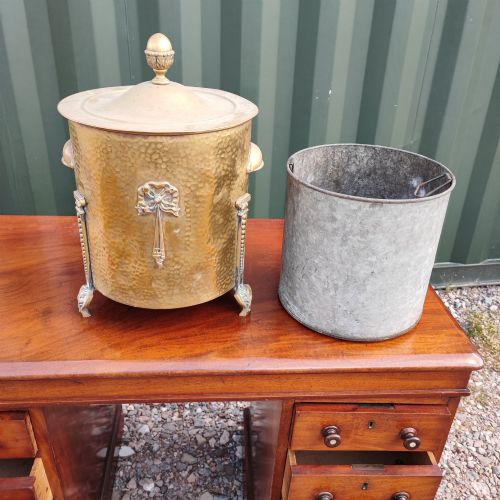
Wooden examples utilise oak, mahogany, or walnut, sometimes incorporating brass mounts, carved panels, or inlaid details. Hammer-beaten surface textures appear often, showing the hand of the metalworker who shaped the body over a wooden or metal stake.
Listings feature periods spanning the Victorian era, Edwardian decades, and the early 1930s Art Deco movement.
What varies in quality
The distinction between standard utility items and superior examples lies in the weight of the metal and the crispness of the hand-beaten finish. Heavier gauges of brass and copper resist denting and hold their structural integrity under the daily strain of fuel loading.
Design flourishes also separate the range, such as pierced fretwork, decorative embossing, and the inclusion of original liners or matching shovels. Well-executed handles and sturdy riveted joints indicate a higher standard of workshop production.
BENHAM AND FROUD
The Edwardian Fireside Bucket Glossary
- Purdonium
- A box or cabinet specifically designed to hold coal, usually featuring a hinged sloping front and a built-in scoop or shovel. This piece of furniture kept the hearth tidy by concealing the fuel entirely.
- Coal helmet
- A metal bucket with a flared rim and a raised back, shaped deliberately to resemble a classical helmet. The spout allowed coal to be poured cleanly onto the fire.
- Arts and Crafts
- A design movement prioritising traditional craftsmanship, simple forms, and visible hand-beaten textures on metals like copper and brass. It rejected mass-produced industrial ornamentation in favour of honest construction.
- Art Nouveau
- A style defined by organic, flowing lines, plant motifs, and sinuous plant-like curves. It appears frequently on the surface embossing of turn-of-the-century coal bins.
- Planter
- A secondary use often ascribed to these metal buckets when their original coal liners are removed. Many retain watertight properties that suit them to holding large house plants.
Edwardian Fireside Bucket: Frequently Asked Questions
What is the difference between a coal bucket and a purdonium?
A coal bucket is an open metal vessel, often shaped like a helmet or cylinder, designed for carrying fuel directly to the hearth. A purdonium is an enclosed wooden cabinet with a sloping front designed to sit permanently beside the fireplace.
While buckets prioritise portability and exposed metal construction, purdoniums hide the coal inside furniture housing that matches domestic room decor.
How were these buckets used originally?
Households used these vessels to store coal, coke, or logs close to the fireplace for convenient refuelling during colder months. Servants transported fuel from cellars or sculleries using the sturdy swing handles.
Many designs included a matching shovel or internal liner to catch coal dust and prevent fuel debris from spilling onto hearth rugs.
Can I use an antique metal bucket for plants?
Many copper and brass vessels from this era make excellent indoor plant holders due to their robust metal construction. Ensure you check for original watertight liners or use a plastic insert to protect the antique metal from moisture damage.
The hammered finishes and patinated surfaces provide a striking contrast against green foliage.
How do I distinguish Arts and Crafts examples from Victorian pieces?
Arts and Crafts pieces focus on hand-beaten surfaces, exposed rivets, and minimalist geometric or organic motifs without excessive factory ornamentation. Victorian items often feature heavier embossing, polished cast brass mounts, and more traditional ornate shapes.
The former highlights the labour of the metalworker, while the latter leans towards formal period display.