


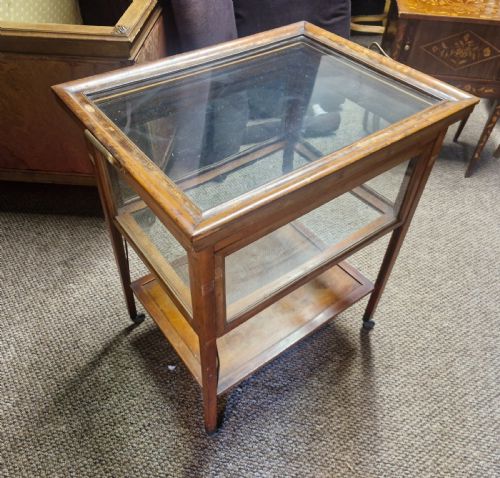
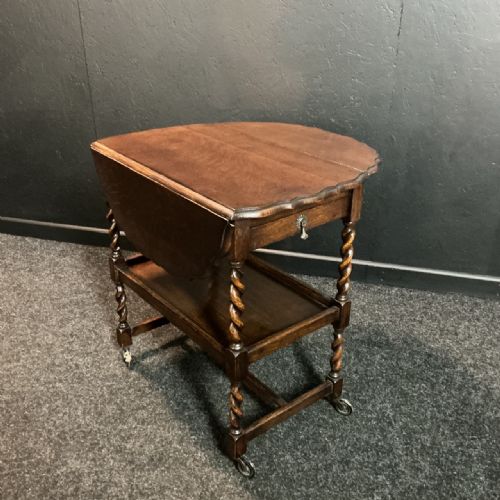


Edwardian Drinks Cart
An Edwardian drinks cart brings effortless hospitality to a room, offering a moveable surface for bottles, glassware, and afternoon tea.
Edwardian Drinks Cart
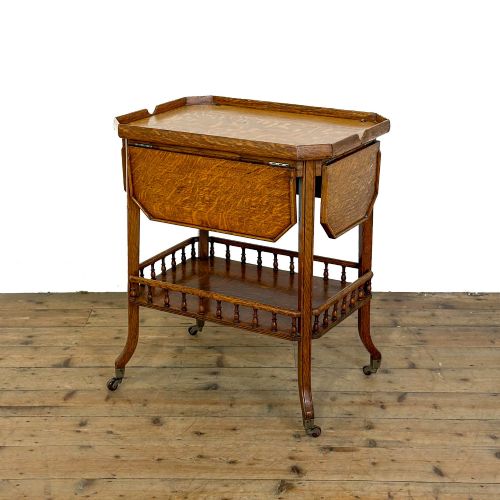
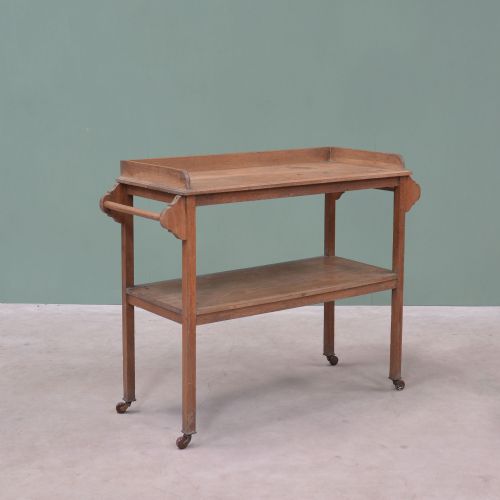
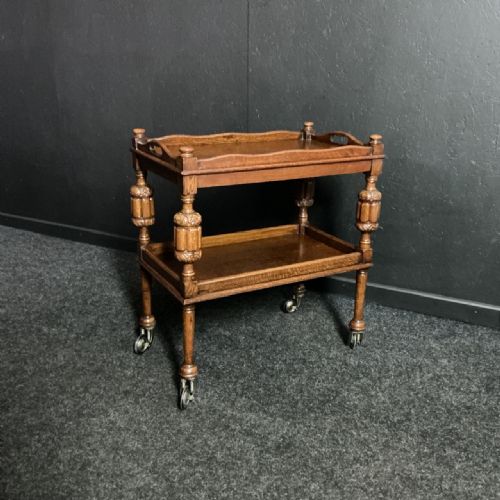
An edwardian drinks cart takes many forms across the selection, ranging from folding top tea trolleys in oak to mahogany serving tables and removable trays. Buyers searching this phrase typically encounter two tier designs, drop side models, and tea and cake trolleys from the early twentieth century.
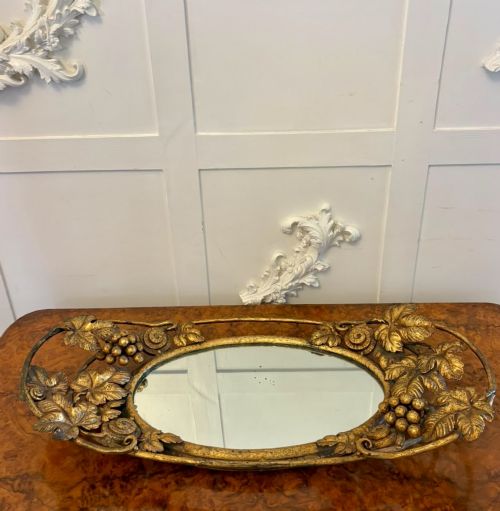
The evidence shows forms spanning the edwardian period alongside pieces from the nineteen twenties, nineteen thirties, and late nineteenth century like the oak butlers tray and stand. Variations include tea trolleys combined with card tables, mirrored serving trays in gilt metal, and ebonised gallery trays with silver plate edges.
Most examples rely on sturdy timbers such as oak and mahogany, often featuring tiered construction for practical service. Whether configured as a compact side table or a dropleaf trolley, these pieces serve both display and functional roles in entertaining.
Construction and Materials
Makers utilised solid timbers like oak and mahogany, frequently incorporating turned supports such as barley twist legs to add texture and visual weight to the frames. Inlaid details enrich the mahogany surfaces, while drop sides and folding tops provide adaptable space for service.
Metalwork plays a key role through brass fixtures, silver plate, EPNS, and gilt metal mounts. Mirrored glass inserts and gallery edges appear on serving trays, while wheeled trolleys combine timber frames with castors for mobility.
Edwardian Drinks Cart Retail Price Guide 2026
Typical asking prices for edwardian drinks cart among the pieces listed under this phrase on Sellingantiques today, from the lower quarter to the upper quarter. They describe what is for sale here now, not the wider market.
The selection includes versatile hybrids that convert from tea trolleys into card tables with baize playing surfaces.
Judging Quality
The distinction between standard utility items and finer examples lies in the execution of timber framing and decorative details. Inlaid mahogany and polished brass or silver-plated fittings elevate a simple tea trolley into a more substantial piece of furniture.
Structural complexity also defines the range, separating basic two tier tables from versatile designs with folding tops, drop leaves, or dual purpose functions like integrated card tables. The crispness of turned woodwork, such as barley twist legs, marks the standard of the workshop.
The Edwardian Drinks Cart Glossary
- Barley Twist
- A turned wood column resembling a spiral rope. This decorative carpentry technique appears frequently on table legs and trolley supports.
- Drop Leaf
- A hinged flap on a table or trolley that folds down to save space or lifts up to extend the surface area.
- Gallery Tray
- A serving tray fitted with an elevated raised border or pierced metal railing around the edge to prevent items from sliding off.
- EPNS
- Electro-Plated Nickel Silver. A common base metal method used for silver coating tableware and decorative trays.
- Butlers Tray
- A removable wooden tray designed to sit upon a folding wooden stand. It allows for easy transport of drinks and tableware.
Edwardian Drinks Cart: Frequently Asked Questions
What is an edwardian drinks cart?
An edwardian drinks cart is a moveable serving table designed for hospitality, typically featuring two tiers, castors, and drop sides for serving tea or spirits.
These pieces combine practical mobility with domestic craftsmanship, often rendered in oak or mahogany to suit period interiors.
How were these carts used historically?
Households utilised these trolleys to transport afternoon tea, cakes, and alcoholic beverages from the kitchen to the drawing room or parlour.
Many designs incorporate removable trays or dual surfaces so hosts could serve guests without needing constant trips back to the sideboard.
Can I use an edwardian trolley as a bar cart?
These trolleys adapt readily to modern entertaining as dedicated bar carts for bottles, glassware, and cocktail accessories.
Their tiered wooden shelving and mobility make them practical for contemporary living spaces while adding historical character.
How do I spot an edwardian piece?
Edwardian furniture often displays lighter proportions than Victorian designs, favouring clean lines, mahogany or oak timbers, and subtle inlaid decoration.
Characteristics like barley twist turnings and silver-plated gallery trays help distinguish pieces made around the turn of the twentieth century.