

Edwardian Dining Furniture
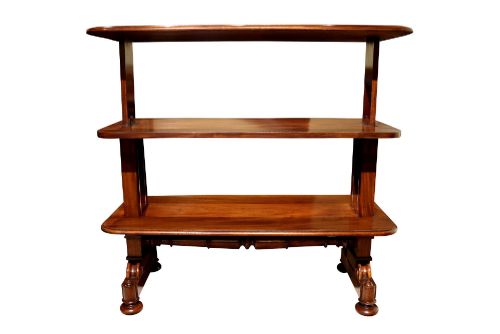
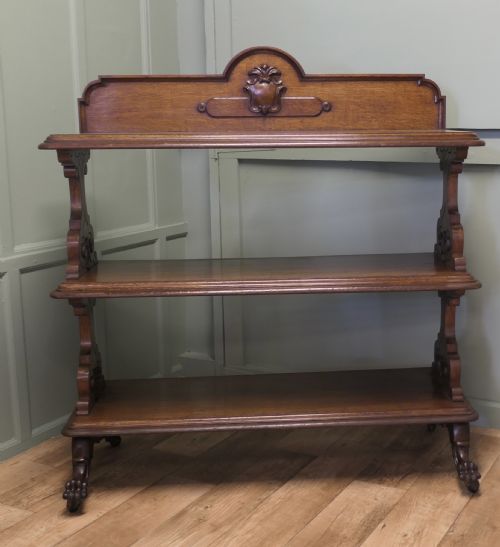
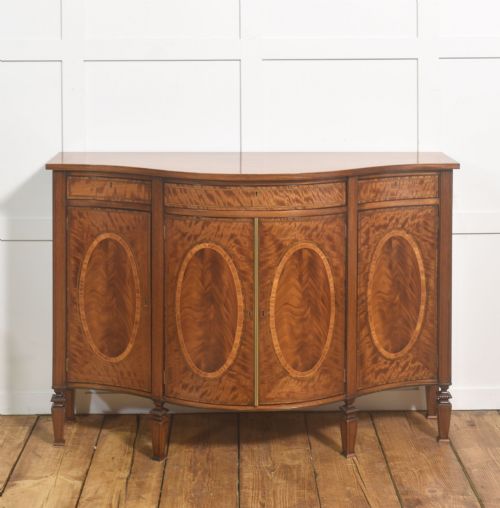
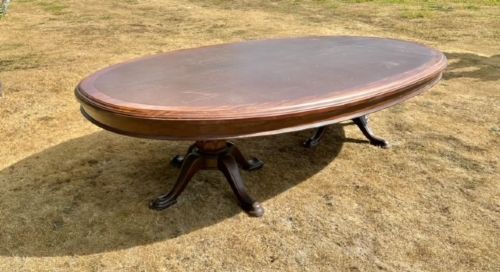
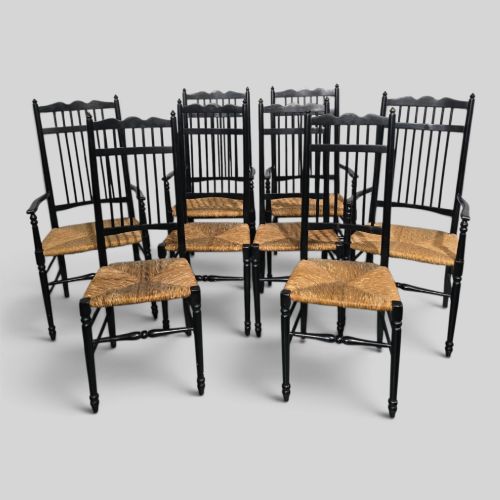
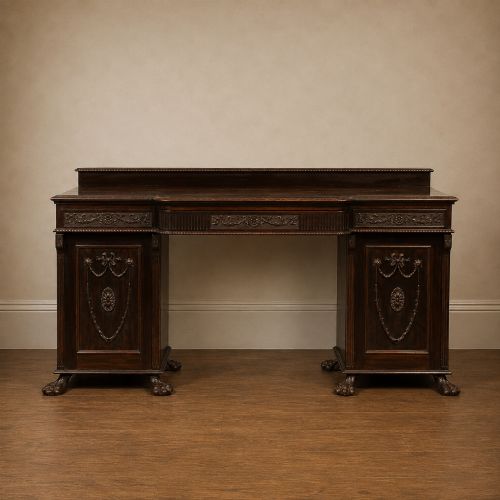
Edwardian dining furniture brings together solid oak, mahogany and inlaid satinwood forms for the home interior.

Edwardian Dining Furniture
Edwardian dining furniture encompasses the tables, sideboards, chairs and buffets designed around the turn of the twentieth century. These pieces serve practical household needs while reflecting the prevailing taste for revivalist styles and clean craftsmanship.
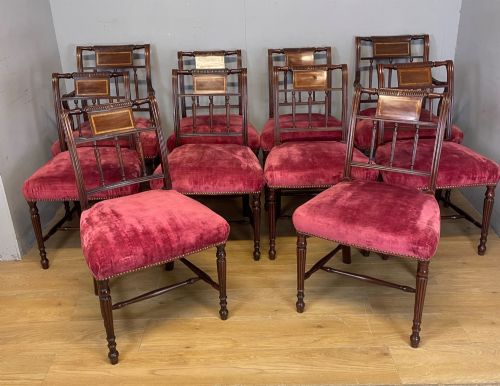
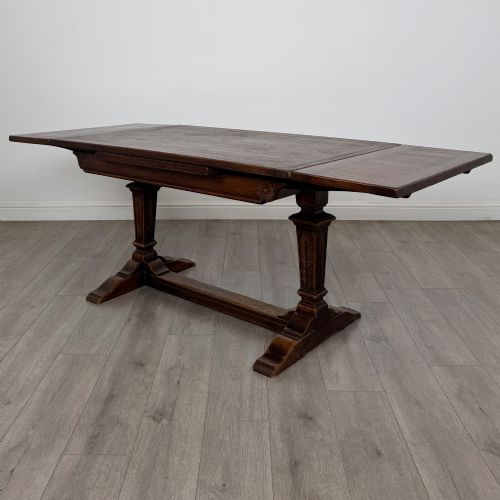
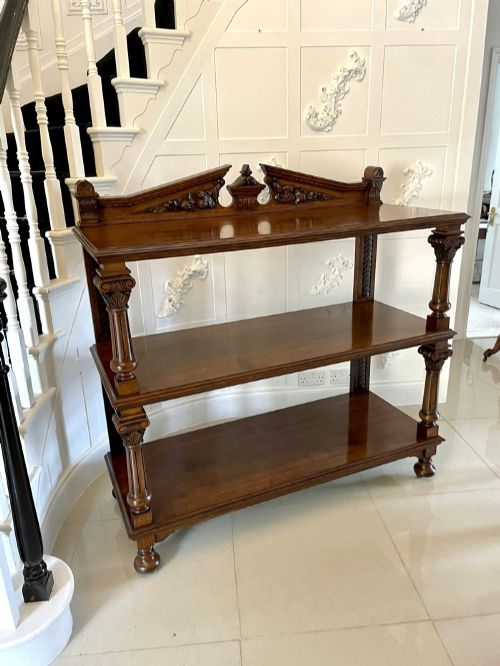
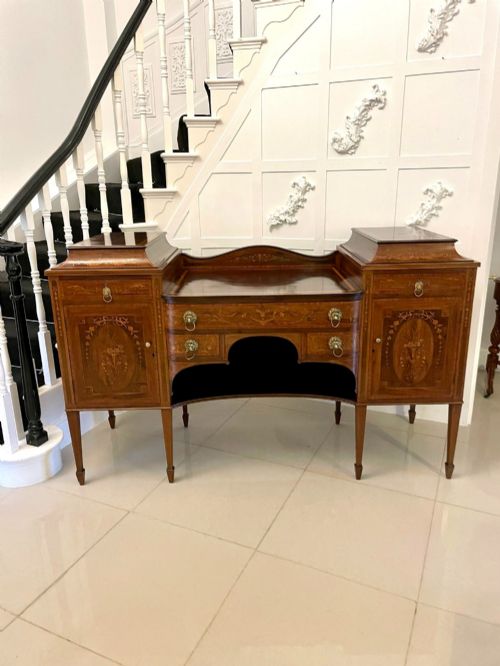
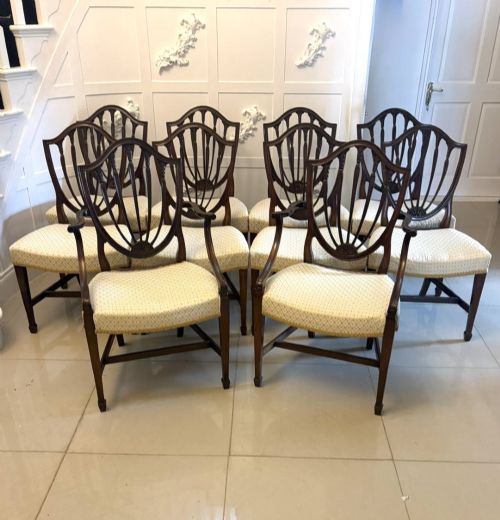
Buyers meet a mix of substantial extending dining tables, sets of dining chairs and storage pieces like sideboards and buffets. Oak and mahogany dominate the offerings, appearing alongside satinwood and beech in both plain and carved formats.
How they were made
Cabinet makers utilised solid timbers such as oak, mahogany and walnut for structural stability, applying marquetry and brass details for decoration. Chairs often employed beech or mahogany, while larger tables relied on draw-leaf or pillar mechanisms to extend.
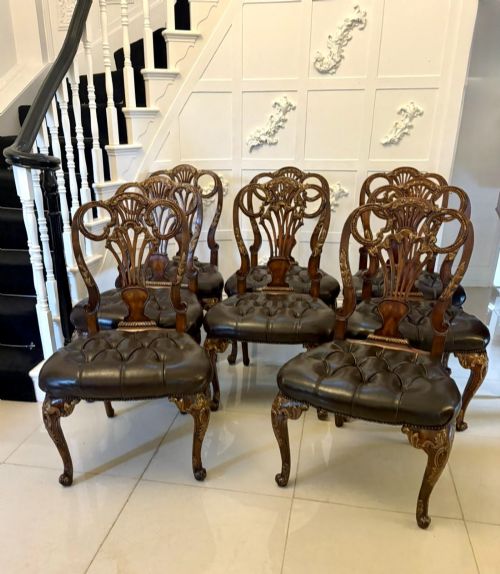
Upholstery materials like fabric, leather and velvet were applied to seat pads and banquette sofas using traditional stuffing techniques. Surface finishes preserved the natural grain of the wood through polishing and waxing.
Some Edwardian dining chairs were built so stoutly that they outlived several generations of dining tables.
What varies in quality
Quality rests on the selection of timber and the precision of the joinery rather than mere surface decoration. Heavier carcase construction and well-figured grain mark out better pieces from standard production items.
The integrity of extending mechanisms in tables and the crispness of carved details on chairs and sideboards differentiate workshop standards. Original upholstery platforms and uncompromised timber frames command greater regard among collectors.
Hewetsons London·Maple and Co·Whytock and Reid·Liberty and Co·Blyth and Sons
The Edwardian Dining Furniture Glossary
- Marquetry
- Inlaid patterns formed from different coloured wood veneers fitted into a primary background. This technique decorates the surfaces of Edwardian sideboards and cabinet furniture.
- Draw-leaf
- An extending table mechanism where extension leaves pull out from beneath the main top. It allows a dining table to lengthen without storing separate loose leaves.
- Refectory
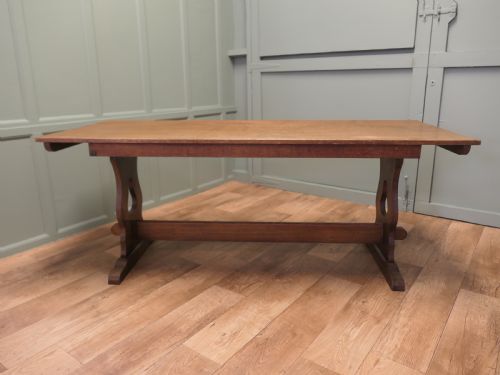
- A long narrow dining table style associated with early forms and revived in Arts and Crafts design. These tables utilise sturdy trestle or four-leg frames connected by stretchers.
- Sheraton Revival
- A late nineteenth and early twentieth century style drawing on eighteenth century neoclassical designs. It is characterised by satinwood veneers, painted motifs and inlaid stringing.
- Banquette
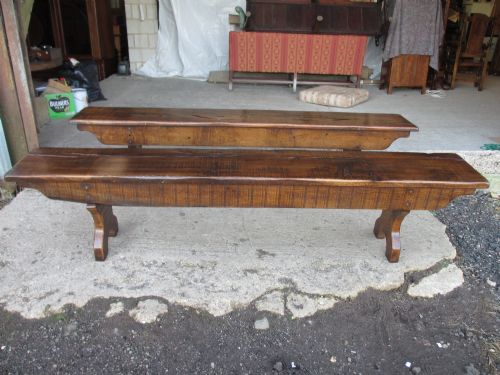
- An upholstered bench or long seat intended for domestic seating arrangements. These pieces frequently incorporate velvet trim and wooden frames.
Edwardian Dining Furniture: Frequently Asked Questions
How do I extend an Edwardian table?
Many Edwardian dining tables utilise draw-leaf mechanisms or central pillars that pull apart to insert leaves. These systems allow the surface area to expand smoothly for larger gatherings.
Ensure the runners remain clean and lightly waxed so the timber moves without sticking or straining the joints during operation.
What woods were used for Edwardian sideboards?
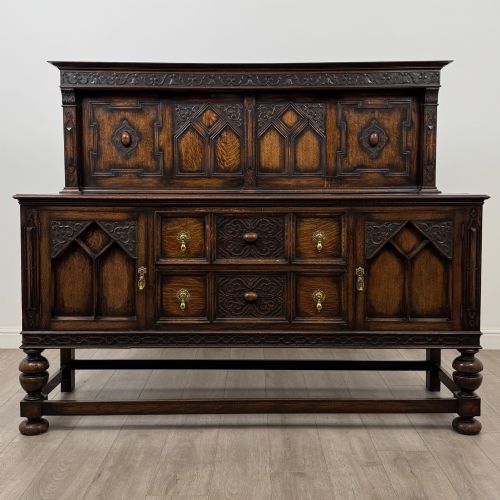
Makers predominantly worked with mahogany, oak and satinwood for sideboards and serving pieces. Mahogany and oak provided robust frames, while satinwood allowed for bright inlaid panels.
Pollard oak and walnut also appear in specific revival pieces, offering distinct grain patterns and dark tones.
How do I care for antique dining chairs?
Maintain wooden frames with suitable beeswax and polish applied sparingly with a soft cloth. Protect upholstered pads from direct sunlight to prevent fading in fabric and leather materials.
Check frame joints periodically to ensure glue and dowels remain stable under regular daily use.
Are Arts and Crafts chairs comfortable?
Arts and Crafts dining chairs feature high backs and solid wooden or upholstered seats designed for upright support. Their construction prioritises ergonomic posture and honest structural joinery.
Padded drop-in seats with fabric or leather upholstery provide additional comfort during extended dining periods.