
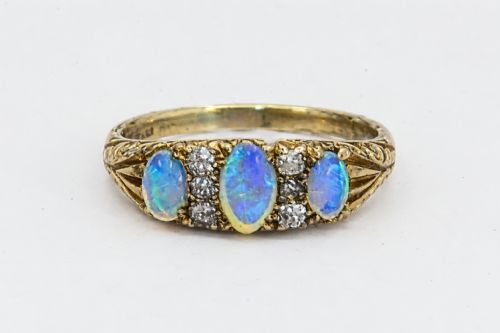
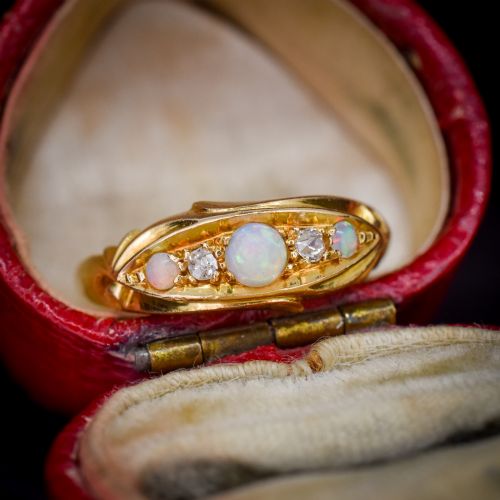
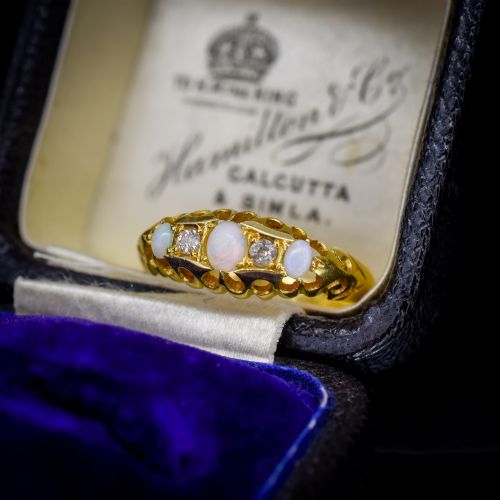
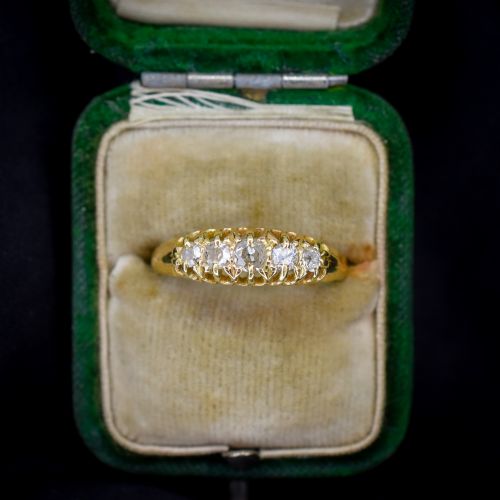


Edwardian Diamond Jewellery
Edwardian diamond jewellery brings delicate platinum settings and old cut diamonds together in brooches, rings, and necklaces that define early twentieth century elegance.
Identifying Edwardian diamond jewellery
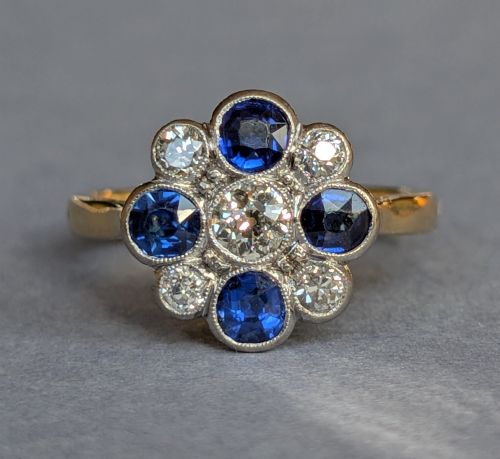
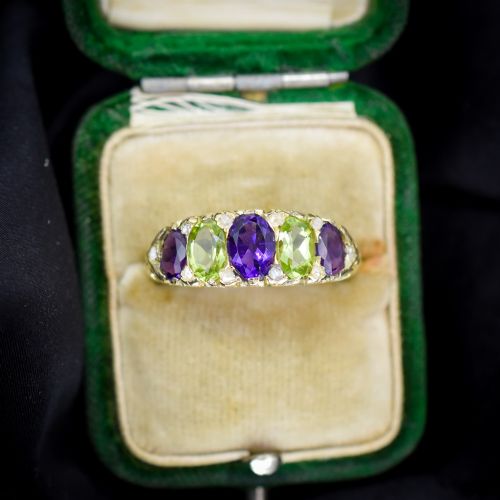
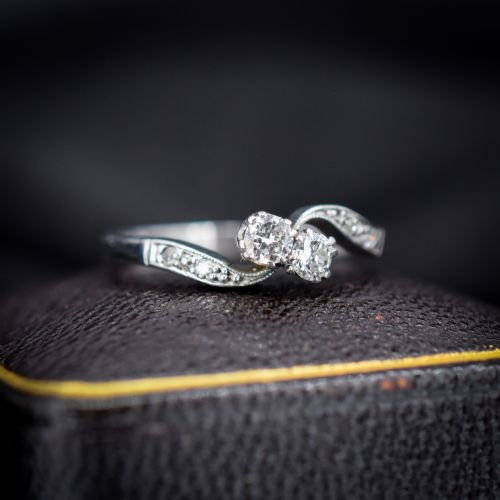
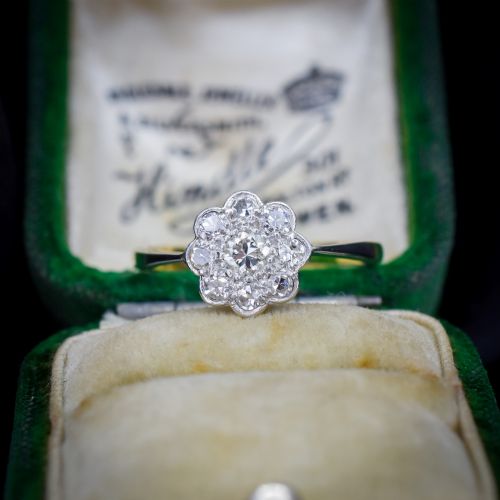
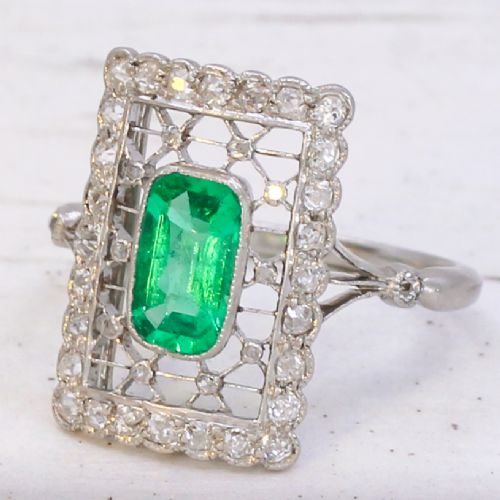
Edwardian diamond jewellery comprises rings, brooches, bracelets, necklaces, and pendants originating from the early twentieth century around nineteen hundred to nineteen ten. These pieces showcase intricate metalwork and refined gemstone arrangements suited to the tastes of the period.
Yellow gold, white gold, and platinum serve as the primary foundations for these items, frequently incorporating pearls alongside diamonds. Buyers encounter varied forms ranging from delicate neck chains to substantial gemstone bracelets.
Materials and construction
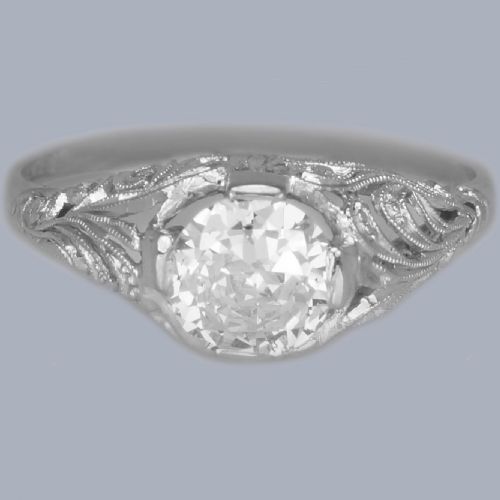
Craftsmen utilised platinum alongside yellow gold and white gold to construct lightweight yet strong mountings. This combination allowed workshops to create intricate, lace-like frameworks that securely held brilliant and old cut diamonds.
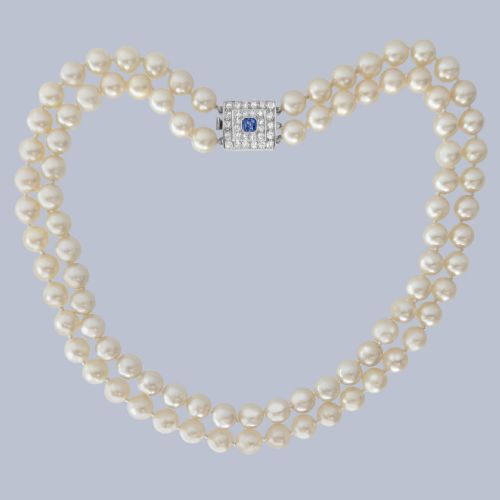
Pearls, including natural saltwater varieties, complement the diamonds in necklaces and brooches. Metal selection varies from fifteen carat and eighteen carat gold to platinum and silver combinations, demonstrating the technical transition of the era.
Retail Price Guide 2026
Typical UK retail prices for edwardian diamond jewellery, calculated from the Sellingantiques database of over a million retail prices indexed since 2003. This retail price guide relies exclusively on Sellingantiques data; no external sources or auction records are used, so the figures do not describe the wider market.
Current listings feature items from nineteen hundred to nineteen ten, utilising platinum, gold, and diamonds.
Assessing quality and refinement
Quality rests upon the delicacy of the metalwork and the integration of the stones within the design. Superior pieces demonstrate precise placement of old cut diamonds and secure claw or bezel settings.
The choice of materials, such as platinum combined with gold, alters the durability and visual lightness of the item. Finer examples maintain original clasps, pearls, and mountings without modern alterations.
The Edwardian Diamond Jewellery Glossary
- Old cut diamond
- A diamond cut with a small table, high crown, and large culet, typical of early twentieth century stones. These facets produce a softer candlelight sparkle rather than modern brilliant flashes.
- Platinum
- A dense, durable white metal utilised during the period to fabricate delicate, strong settings. Its strength allowed jewellers to form intricate wirework without adding heavy weight to brooches and necklaces.
- Natural saltwater pearl
- A pearl formed organically in saltwater molluscs without human intervention. These organic gems frequently accent Edwardian necklaces and brooches.
- Cluster ring
- A ring featuring a central gemstone surrounded by a border of smaller stones. In this era, such designs often showcase old cut diamonds in floral or geometric arrangements.
- Crescent brooch
- An ornament shaped in a curved crescent moon form, commonly set with diamonds and precious metals. This motif appears frequently in period accessories.
Frequently Asked Questions
What defines Edwardian diamond jewellery?
Edwardian diamond jewellery is defined by its origins in the early twentieth century, spanning roughly from nineteen hundred to nineteen ten. The pieces utilise platinum and gold settings to showcase old cut diamonds and pearls.
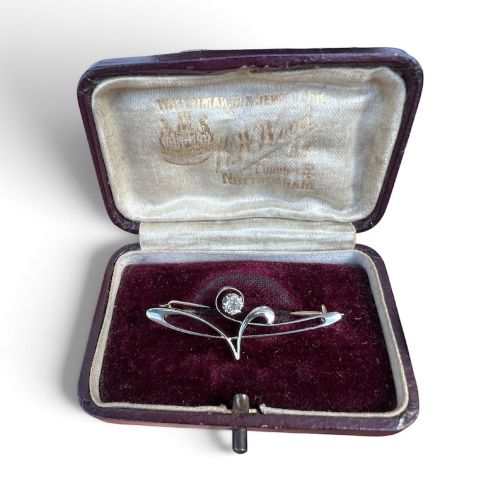
Craftsmanship from this era focuses on light, delicate aesthetics, including bows, crescents, and floral cluster motifs. These items reflect the distinctive stylistic preferences prevalent before the First World War.
How should I wear antique brooches?
Antique brooches work well pinned to lapels, scarves, or the neckline of garments. Selecting sturdy fabrics ensures the weight of platinum and gold pieces is properly supported.
Careful placement avoids pulling delicate textiles while highlighting the intricate metalwork of crescent and bow designs. Many pieces transition easily from daytime wear to evening attire.
Are pearls in these pieces natural?
Many period necklaces and brooches incorporate natural saltwater pearls alongside diamonds and gold. These organic gems formed without artificial intervention in saltwater environments.
Such pearls require gentle handling and avoidance of harsh chemicals to preserve their natural lustre. Their inclusion adds a distinctive organic contrast to the brilliant stones.
How do I care for antique platinum settings?
Platinum settings require gentle cleaning with warm soapy water and a soft brush to remove everyday debris. Avoiding abrasive cleaners protects the integrity of the metal and the security of the stones.
Storing pieces individually prevents scratching between items. Regular inspection by a professional helps ensure the old cut diamonds remain secure in their original mounts.