






Edwardian Desk Tidy
These edwardian desk tidy pieces are compact desktop organisers designed to keep correspondence and writing instruments in order.
Edwardian Desk Tidy
An edwardian desk tidy brings order to correspondence, pens, and stamps on a writing surface. The pieces on this page span the Edwardian period, 1920, 1880, and the nineteenth century, reflecting both Victorian influences and later styles.
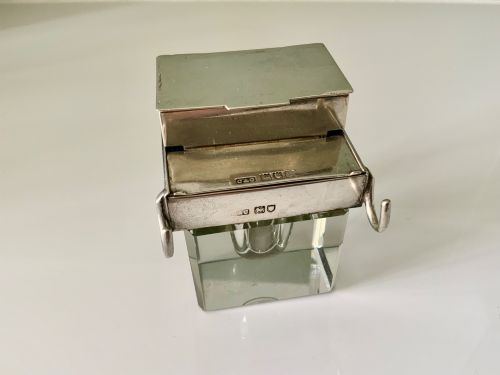
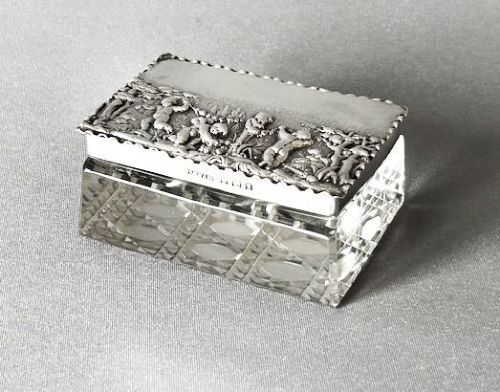
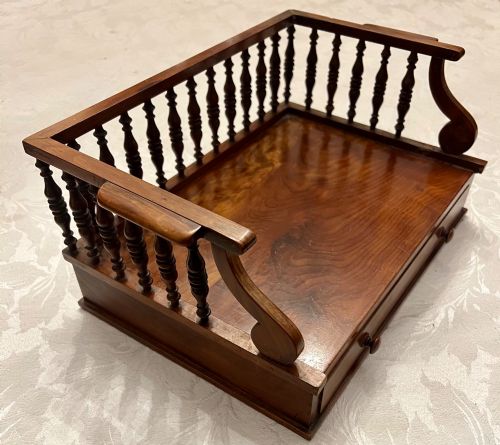
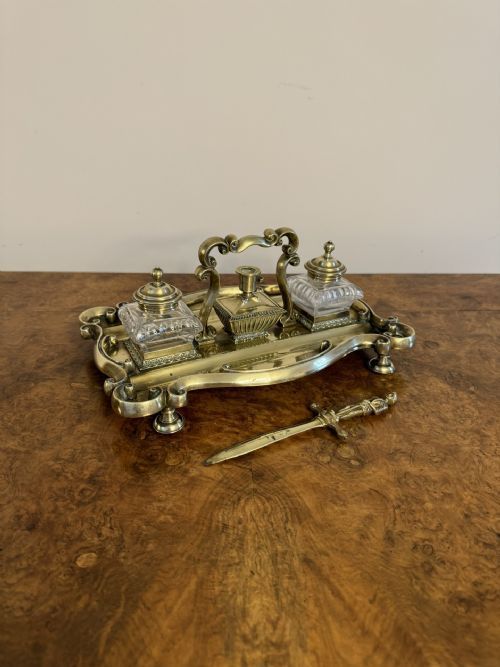
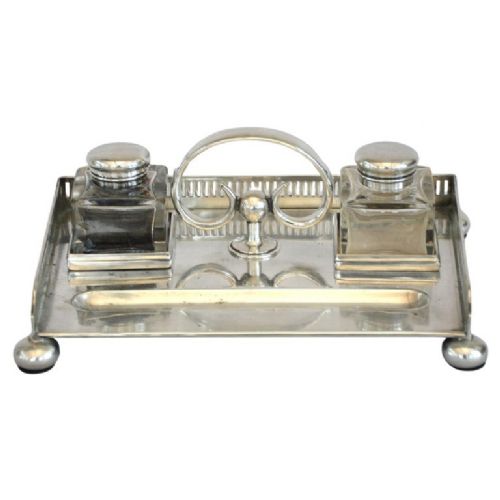
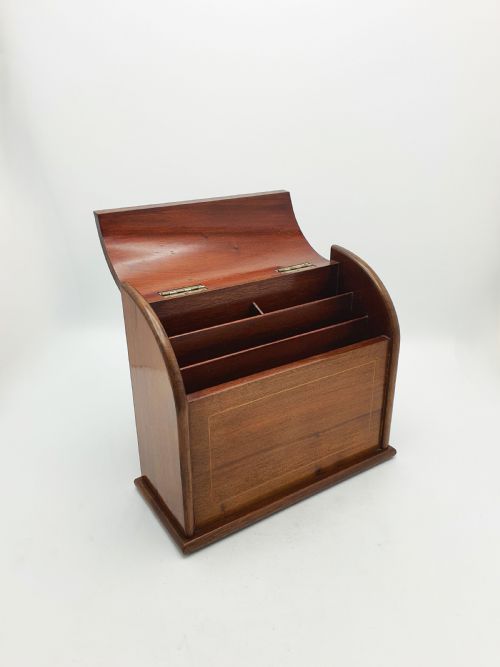
Forms vary from simple two-tier shelves and waterfall letter racks to elaborate inkstands fitted with drawers and double stamp boxes. Some examples incorporate photograph frames, inkwells, and pen trays into a single tabletop companion.
Origins include English workshops using native or imported timbers alongside continental pieces produced in the Art Nouveau manner. Buyers encounter configurations ranging from small letter racks to substantial desk accessories with multiple compartments.
Materials and construction
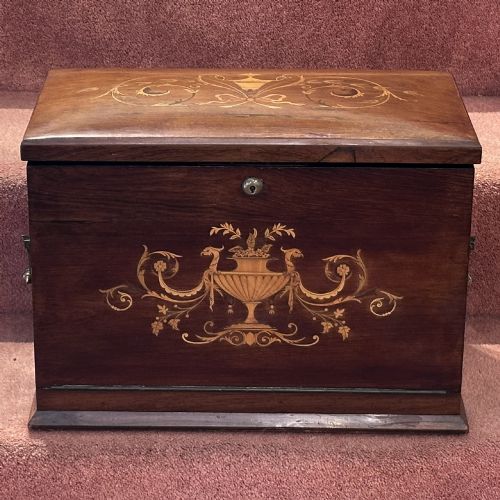
Makers utilised a variety of woods including mahogany, English oak, ebony, and coromandel, often shaping them into tiered shelves, dovetailed drawers, and carved waterfall letter holders. Some wooden carcasses are raised on bun feet or embellished with carved details.
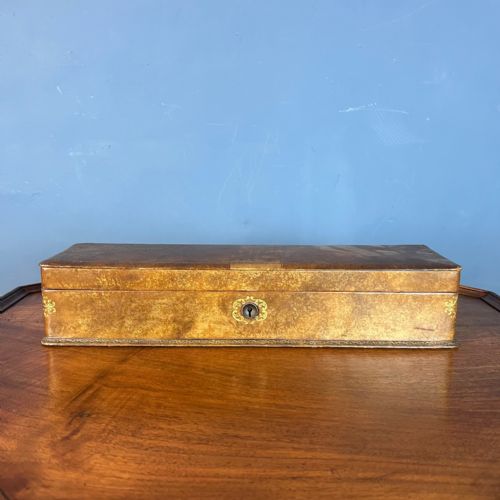
Metalwork and glassware form integral components, with sterling silver mounts, brass hinges, and cut glass inkwells fitted securely into the wooden frames. Leather, bone, and silver detail work provide contrast and tactile finish to the stationery boxes and stamp compartments.
Edwardian Desk Tidy Retail Price Guide 2026
Typical asking prices for edwardian desk tidy among the pieces listed under this phrase on Sellingantiques today, from the lower quarter to the upper quarter. They describe what is for sale here now, not the wider market.
Some desk tidies include hidden compartments designed for private correspondence or miniature photograph frames to gaze at loved ones while paying bills.
Judging quality and execution
Quality rests in the harmony of materials and the precision of the joinery rather than mere scale. Pieces that combine solid timber with substantial sterling silver mounts or well-fitted glass inkwells demonstrate superior workshop standards.
The sophistication of the internal layout distinguishes finer examples, particularly those featuring secret compartments, functioning drawers, and integrated photograph frames. Honesty of construction, from the dovetailing of small stationery drawers to the crispness of wood carving, defines the upper tier.
The Edwardian Desk Tidy Glossary
- Inkstand
- A desktop stand holding one or more inkwells alongside spaces for pens and small implements. These pieces anchor the writing equipment on a table.
- Stamp box
- A small lidded container partitioned internally to hold different denominations of postage stamps. They frequently feature sterling silver mounts.
- Coromandel
- A dense, dark timber with contrasting light brown grain patterns imported from Asia. It provides a striking, decorative surface on luxury desk accessories.
- Waterfall desk tidy
- An organiser featuring stepped shelves arranged vertically to hold letters and envelopes in tiered rows. This design maximises visibility for correspondence.
- Stationery box
- A tabletop cabinet with a hinged lid or folding front designed to store writing paper and envelopes. They often incorporate compartments for stamps and pens.
Edwardian Desk Tidy: Frequently Asked Questions
What is an edwardian desk tidy?
An edwardian desk tidy is a tabletop accessory designed to organise writing materials such as letters, stamps, pens, and ink. These pieces gathered scattered stationery into a single designated place on a writing table.
They combine compartments for envelopes, slots for blotting paper, and holders for inkwells into compact wooden or metal frames.
How were these organisers used?
Users placed them on writing desks or library tables to maintain order among daily correspondence and writing implements. Letter racks held incoming and outgoing mail, while drawers secured loose nibs and stamps.
Inkstands provided a secure base for glass inkwells, preventing spills and keeping pens immediately to hand during writing.
How do I date a desk tidy?
Dating relies on combining stylistic clues with timber choices, hardware, and construction methods. Edwardian pieces often display lighter woods, Arts and Crafts influences, or specific silver hallmarks.
Earlier nineteenth-century examples tend to feature heavier mahogany construction, distinct brass fittings, and more formal Victorian layouts.
Where were these pieces made?
Production occurred primarily in British workshops using domestic timbers like oak alongside imported hardwoods such as mahogany and ebony. Continental makers also supplied pieces, including Art Nouveau designs produced abroad.
Makers ranged from local cabinet makers to specialised firms producing fitted desk accessories for offices and homes.
How do I care for a wooden desk tidy?
Keep wooden pieces away from direct heat sources and strong sunlight to prevent the timber and veneers from drying out or splitting. Occasional dusting with a dry, soft cloth preserves the finish.
Leather and silver components require careful, dry cleaning appropriate to their specific materials, avoiding harsh chemical polishes.