



Edwardian Desk Seating Swivel
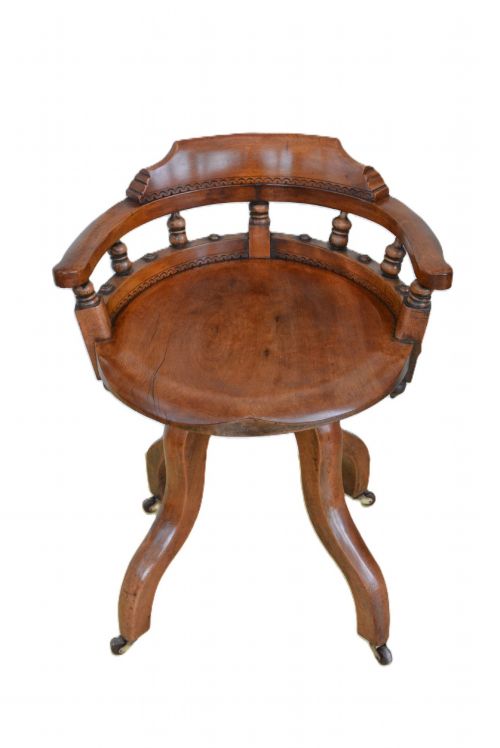
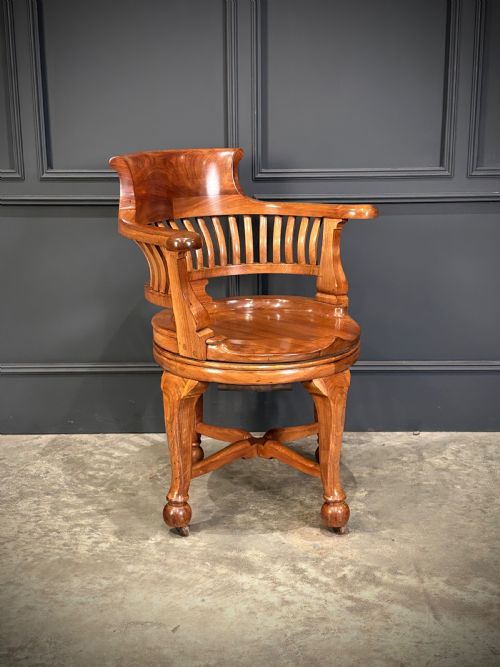
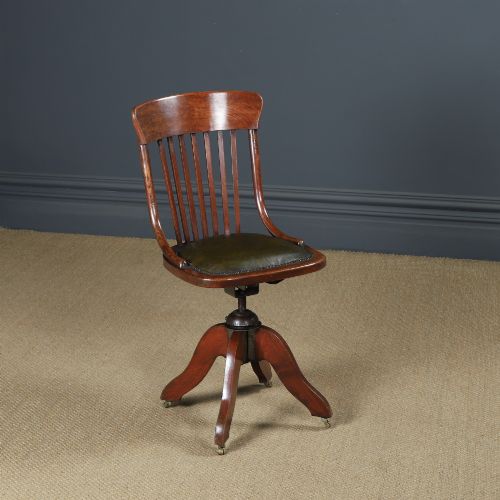
These Edwardian desk seating swivel examples bring revolving function and period character to a working room.
Edwardian Desk Seating Swivel
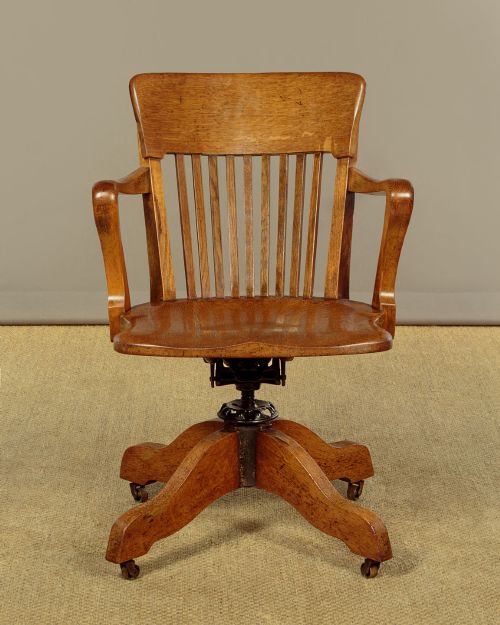
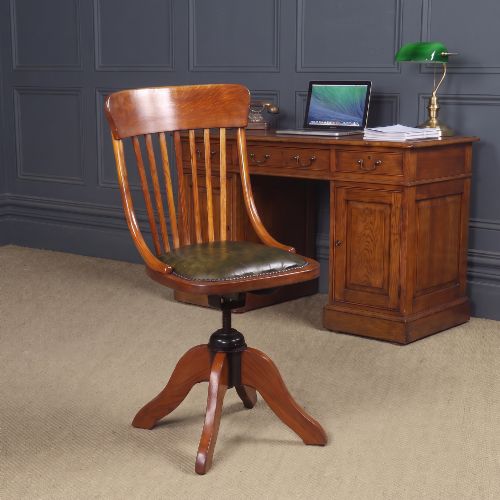
Edwardian desk seating swivel items combine rotational mechanics with the sturdy forms typical of early twentieth-century and late nineteenth-century workspaces. Buyers seeking edwardian desk seating swivel pieces encounter sturdy timber frames designed for office utility and daily use.
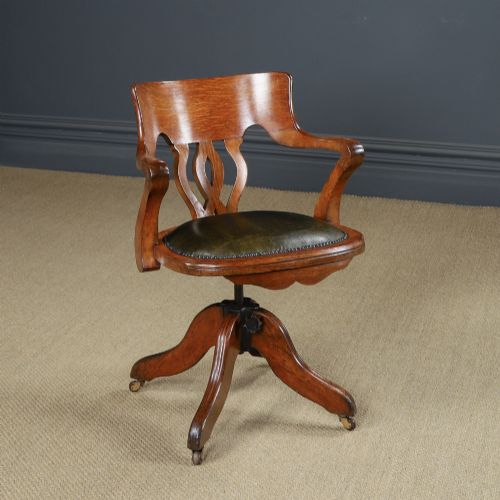
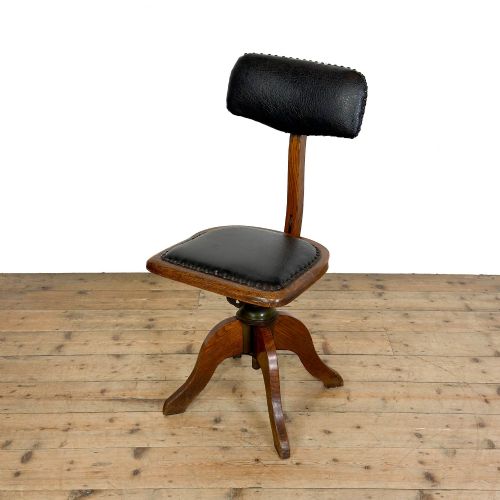
The selection ranges from simple revolving office chairs to elaborate armchairs and ships chairs originating from periods such as the Edwardian era, Victorian times, and the George V years. Oak and mahogany versions dominate the available forms, often paired with adjustable height mechanisms.
Many examples incorporate revolving functions alongside tilt actions or fixed wooden seats, reflecting the practical demands of historical study rooms and ship offices. The heavy construction ensures these items remain functional components of modern home and professional studies.
Materials and Construction
Cabinetmakers utilised solid timbers such as oak, mahogany, walnut, and beech to build durable frames capable of supporting mechanical swivel ironwork. Cast iron and brass components form the adjustable underframes and revolving spindles that allow movement.
Upholstered variants feature leather, hide, or bergere inserts fastened to wooden frames, whilst other models retain plain wooden seats. Carved details and satinwood inlay appear on specific refined pieces from the late nineteenth and early twentieth centuries.
Edwardian Desk Seating Swivel Retail Price Guide 2026
Typical asking prices for edwardian desk seating swivel among the pieces listed under this phrase on Sellingantiques today, from the lower quarter to the upper quarter. They describe what is for sale here now, not the wider market.
Listings span periods from the late nineteenth century through to the 1930s, featuring oak, mahogany, walnut, and beech paired with leather and cast iron.
Evaluating Quality and Craftsmanship
The sophistication of the revolving and rise-and-fall mechanism distinguishes finer examples from simpler office seating. Robust cast iron and brass underpinnings indicate superior mechanical longevity.
Timber selection and joinery execution separate standard utility chairs from pieces featuring decorative carving or satinwood inlay. The integration of high-grade leather or hide upholstery further marks out the upper tier of these rotating desk seats.
The Edwardian Desk Seating Swivel Glossary
- Swivel
- A mechanism allowing the upper portion of a chair to rotate fully upon its base. This enables the user to turn easily between different areas of a desk.
- Bergere
- A type of chair featuring woven cane panels set into the wooden back or sides. It offers a lighter aesthetic than fully upholstered alternatives.
- Rise and fall
- An adjustable height mechanism operated by a central screw or threaded spindle. It permits the seat height to be raised or lowered to suit the user.
- Aesthetic Movement
- A late nineteenth-century design style emphasising visual beauty over narrative subject matter. Furniture from this movement often employs clean lines and dark woods.
- Ships chair
- A specialised revolving seat designed for maritime use, frequently weighted or secured to withstand vessel movement. These items often originate from shipping lines such as P and O.
Edwardian Desk Seating Swivel: Frequently Asked Questions
How do I adjust the height on these chairs?
Many examples utilise a central threaded spindle that raises or lowers the seat when rotated. Turning the chair body adjusts the height position.
Other models incorporate tilt mechanisms or fixed mechanical columns dating from the early twentieth century. Check the underframe for movement before attempting adjustments.
Are these chairs suitable for daily computer use?
These historical desk seats provide sturdy support for writing and computer tasks in modern home studies. Their solid timber frames offer lasting durability.
Consider seat height compatibility with modern desks before purchase. Many pieces lack modern ergonomic adjustments but compensate with robust craftsmanship.
What is the difference between a desk chair and a ships chair?
Standard office models were designed for land-based administrative spaces, schools, and libraries. They focus on height adjustment and basic swivel movement.
Maritime variants feature heavy weighted bases or secure mountings to handle movement at sea. P and O examples are notable instances of this nautical engineering.
How do I care for the leather upholstery?
Clean leather surfaces gently with a damp cloth and treat periodically with appropriate leather balm. Avoid placing the chair near direct heat sources.
Preserve the natural hide or re-leathered surfaces by avoiding harsh chemical cleaners. Regular conditioning maintains the suppleness of Victorian and Edwardian leather.
How can I tell an Edwardian swivel chair from a Victorian one?
Victorian examples often display heavier carving, darker finishes, and simpler mechanical underframes dating back to the late nineteenth century. They include aesthetic movement and library chair forms.
Edwardian pieces tend toward lighter oak or mahogany constructions with refined swivel and tilt mechanisms. The transition into the George V period brings simpler beech and oak office variants.