


Edwardian Desk Organiser
An Edwardian desk organiser keeps correspondence and writing tools in order, bringing period charm and craftsmanship to a working surface.
Edwardian Desk Organiser
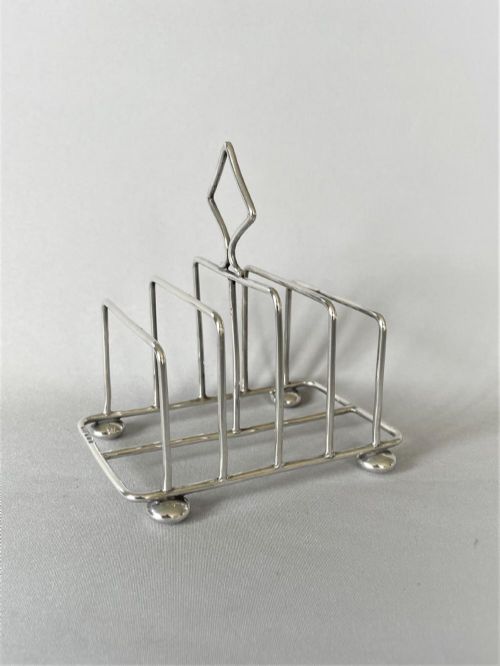
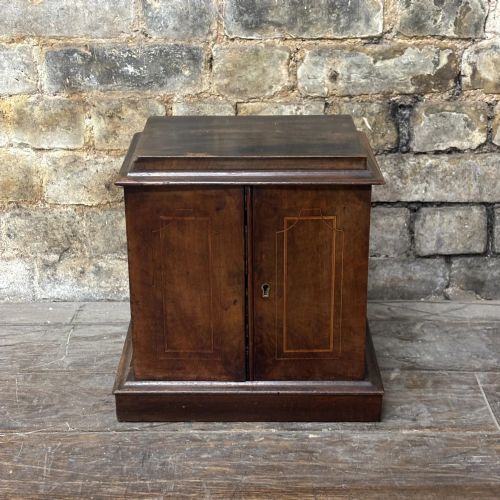
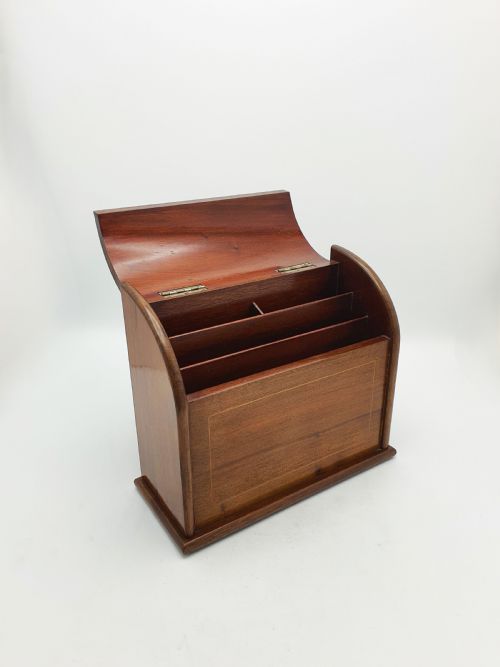
An edwardian desk organiser encompasses tabletop accessories designed to sort letters, store stationery and hold writing implements within reach. Buyers exploring this category will most frequently encounter compact wooden cabinets, tiered letter racks and fitted desk tidies originating from the early twentieth century.
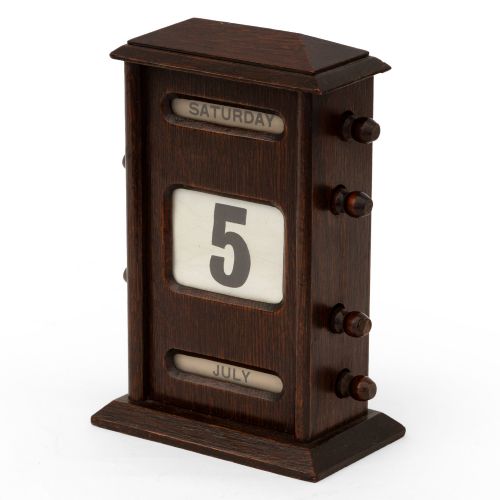
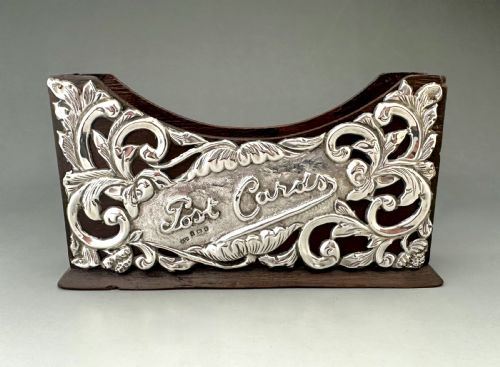
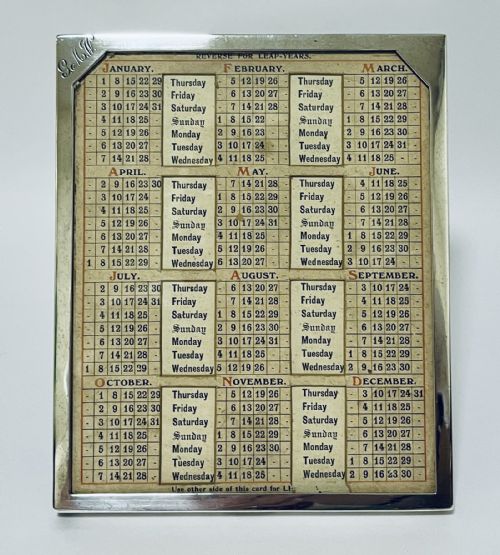
The selection ranges from simple oak letter boxes and mahogany stationery cabinets to elaborate brass standishes and novelty desk accessories. Pieces often incorporate specialised compartments for stamps, telegrams and perpetual calendars alongside traditional inkwells and pen trays.
While many examples date directly to the Edwardian period, related pieces span from the late nineteenth century into the 1920s and 1930s. These items reflect the domestic and office organisation habits of the era, combining practical utility with decorative appeal.
Materials and Construction Techniques
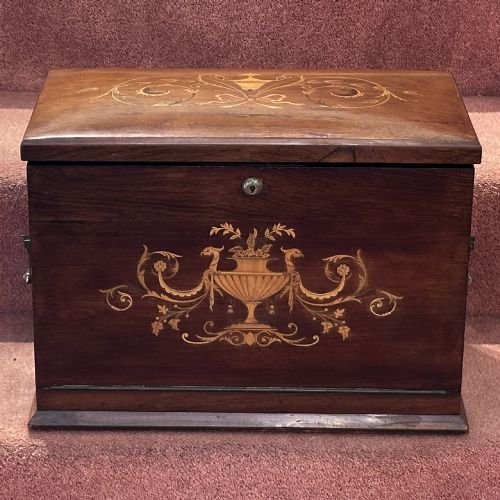
Cabinetry and desk tidies rely heavily on timbers such as oak and mahogany, occasionally accented with rosewood, satinwood or walnut. Joinery techniques from the period ensure sturdy housing for correspondence, while fall-front panels and hinged lids reveal meticulously fitted internal compartments.
Metal components introduce contrasting textures through cast brass, copper and silver mounts, hinges and inkwell collars. Specialised items incorporate cold-painted bronze figures, onyx bases and applied marquetry or inlaid details to elevate the decorative finish.
Listings feature oak, mahogany, rosewood, brass, copper and silver across various desk forms.
Factors Defining Quality
Superior examples distinguish themselves through the selection of timber grain, the precision of inlaid woodwork and the integration of patent mechanisms such as extending book slides or working perpetual calendars. High-grade pieces often feature heavy brass hardware and complete internal fittings that remain fully operational.
The presence of maker signatures or retail stamps, alongside sophisticated stylistic influences like Arts and Crafts copperwork or Art Nouveau contours, elevates an item above standard utility pieces. Craftsmanship is evident in the seamless movement of drawers, fall-fronts and cabinet doors.
Betjemanns·Asprey Of London·Amberg
The Edwardian Desk Organiser Glossary
- Stationery cabinet
- A tabletop box with doors or a fall-front, housing vertical dividers and shelves for writing paper and envelopes.
- Desk tidy
- A compact tray or stand incorporating multiple wells for pens, stamps, ink and paper clips to keep a desktop orderly.
- Standish
- A traditional desk set featuring fitted inkwells, pen grooves and sometimes a sander or bell, often mounted on a decorative tray.
- Perpetual calendar
- A mechanical date indicator utilising adjustable cards, cubes or rollers to display the day and month for any year.
- Book slide
- An expanding rack designed to hold a small row of volumes upright on a desk or table, frequently fitted with hinged ends.
Edwardian Desk Organiser: Frequently Asked Questions
What is an edwardian desk organiser used for?
These pieces served to sort daily correspondence, hold writing paper and keep inkwells and pens ready for use on a writing desk.
Today, they function similarly for organising modern mail, notebooks and small stationery items in a home or office.
How do I identify an edwardian piece?
Look for characteristic Edwardian timbers like golden oak and mahogany, often paired with brass galleries, perpetual calendars and inlaid woodwork.
Stylistic cues also point to the era, bridging ornate Victorian designs and the cleaner lines of the early twentieth century.
Are inkwells usually original to the desk tidy?
Many retain their matching glass or ceramic inkwells complete with hinged brass or silver lids, though replacements do occur due to breakage over time.
Checking for correct fit and matching patination helps determine whether the inkwells belong to the original stand.
How should I care for wooden desk accessories?
Keep wooden surfaces away from direct heat sources and strong sunlight to prevent the timber and veneers from drying out or splitting.
Occasional application of appropriate wax polish maintains the finish and protects the grain of the oak or mahogany.