
Edwardian Desk Lamp Base
When you handle an edwardian desk lamp base, you hold a sturdy piece of period lighting designed to anchor a workspace with solid brass, silver plate, or onyx.
Edwardian Desk Lamp Base
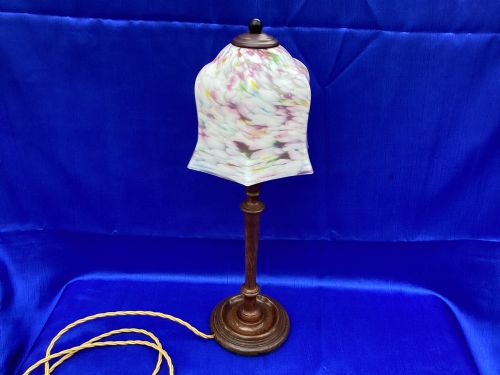
An edwardian desk lamp base brings together the practical lighting needs of a writing table and the decorative tastes of the early twentieth century. Most examples you encounter on this page date from the Edwardian period or neighbouring decades, taking the form of sturdy table lamps rather than occasional tables.
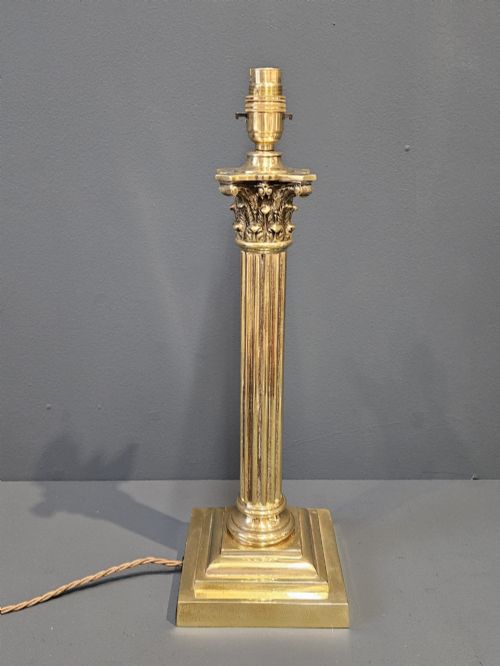
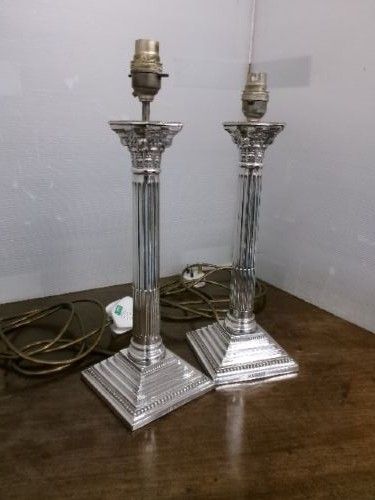
The heavy columns and classical revival shapes reflect the architectural interests of the time. Makers drew heavily on Victorian and neoclassical precedents, turning out brass columns and silver plated shafts to suit serious studies and libraries.
Materials and construction methods
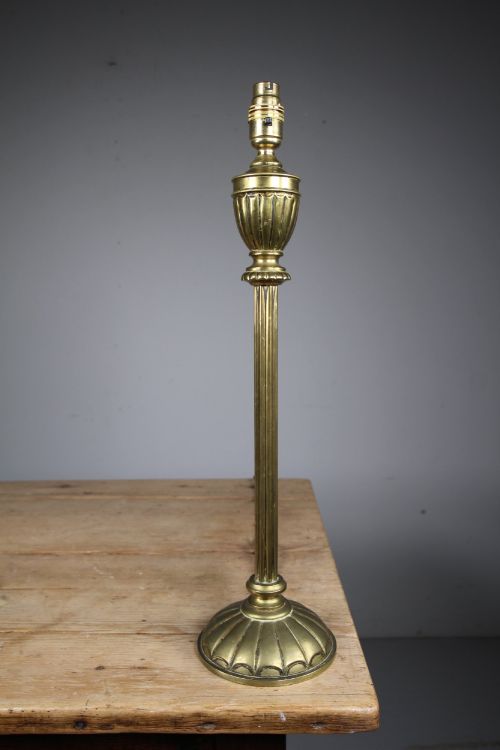
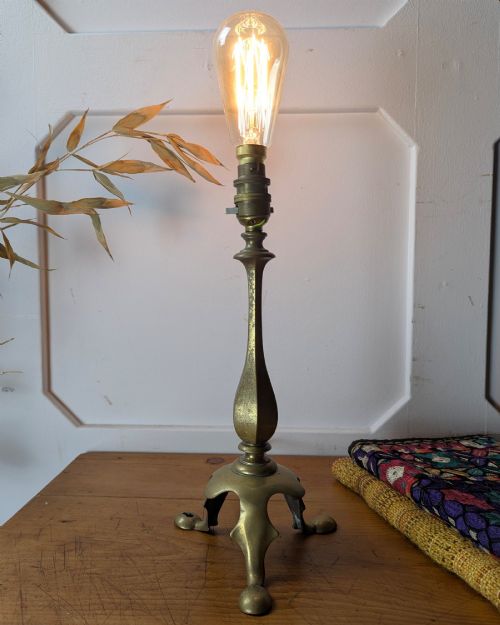
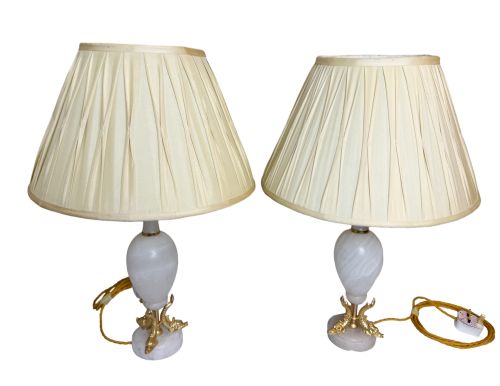
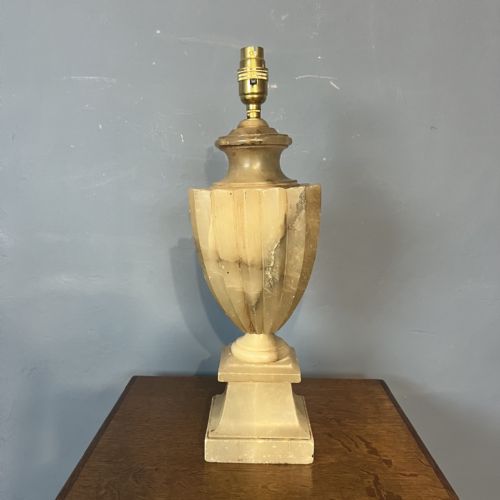
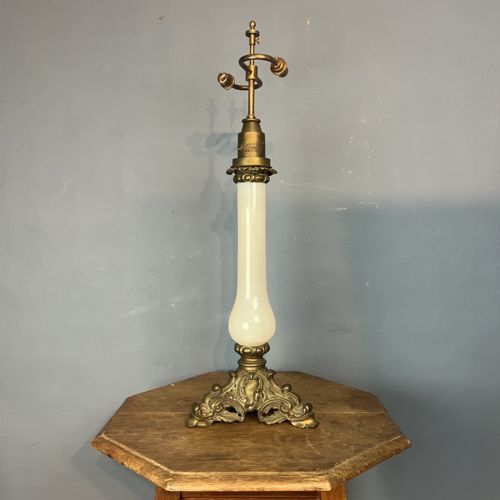
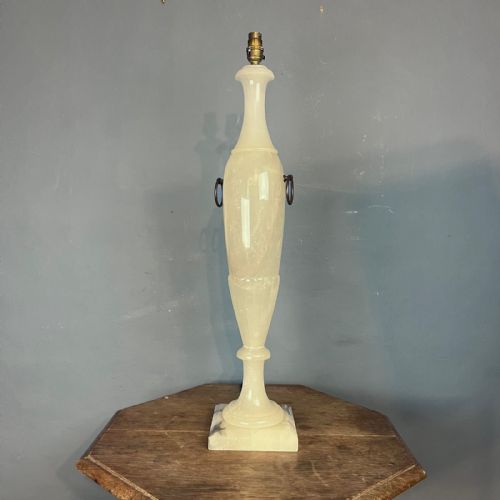
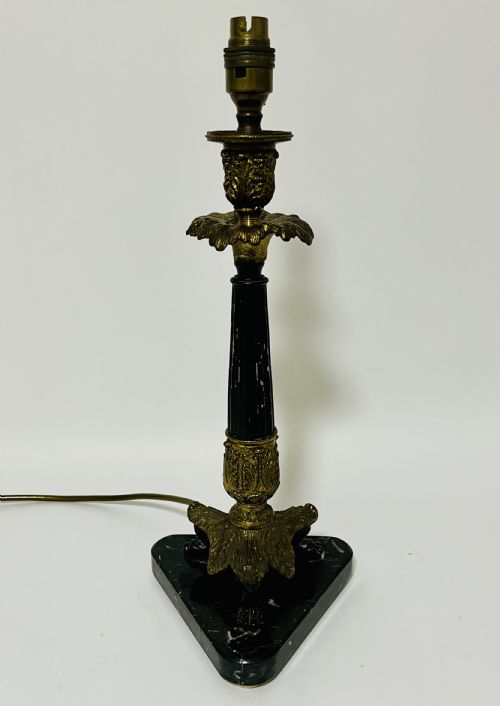
Makers relied primarily on brass, silver plate, and various metals cast and turned into columns, balusters, and barley twist forms. Heavier bases often incorporated marble, onyx, or alabaster to add physical stability and visual weight to the upright stem.
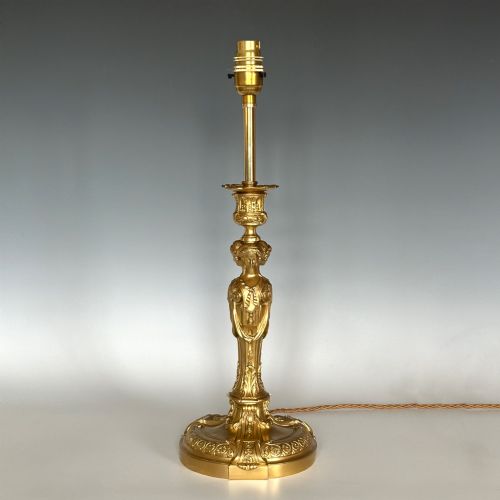
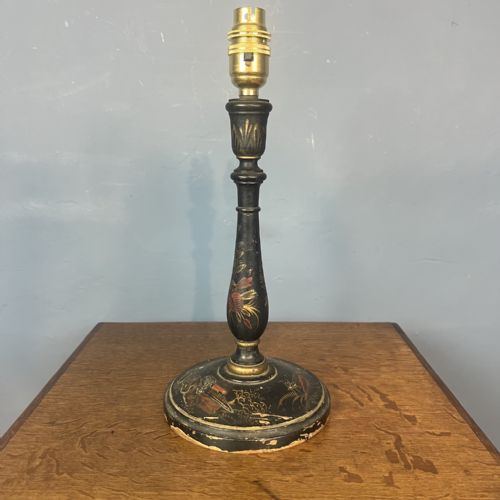
Detailing involved pressed brass, gilt bronze trim, and occasional lacquer work or porcelain bodies. Metal components were cast, chased, and plated, while stone elements were cut and polished to fit securely into metal mounts.
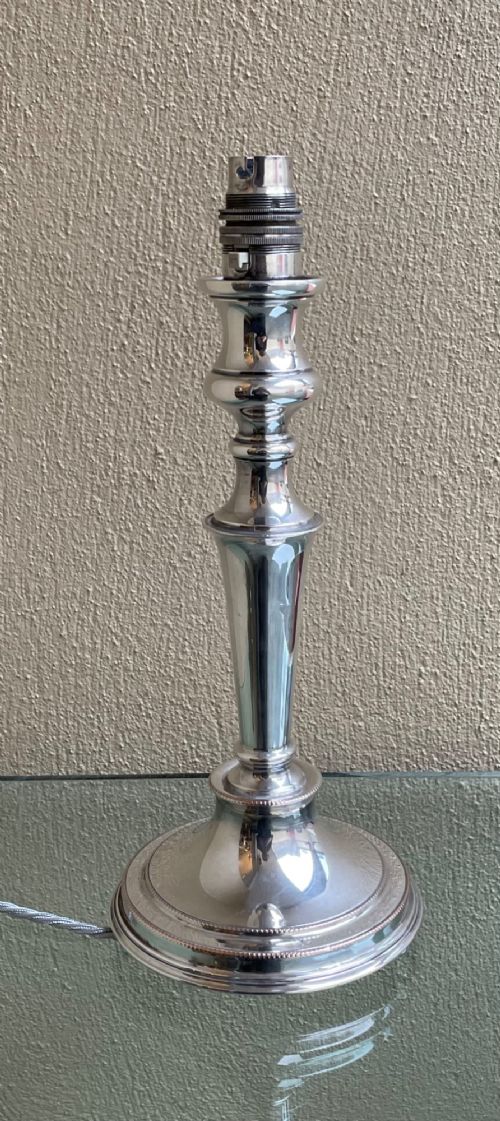
Listings for an edwardian desk lamp base span brass, silver plate, marble, onyx, and alabaster across Victorian, Edwardian, and 1920s periods.
Factors determining quality
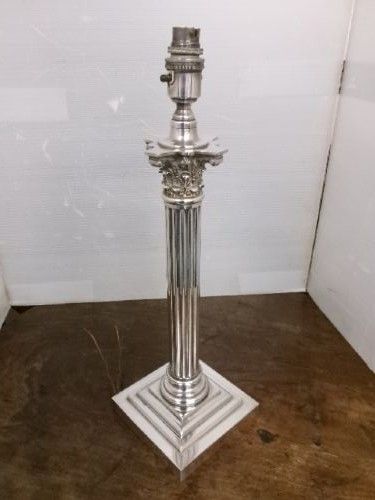
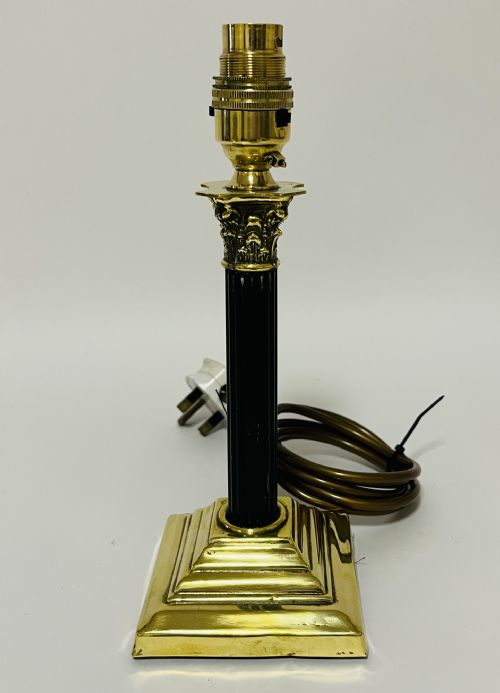
The distinction between ordinary and superior pieces rests on the crispness of the casting and the choice of materials. A finer edwardian desk lamp base shows deep, clean relief work on Corinthian capitals or cast metal mounts, rather than soft or blurred edges.
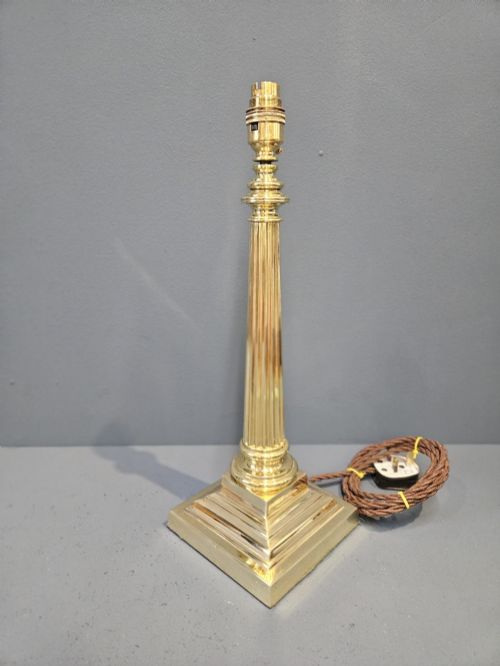
Weight and balance also separate the better examples from simpler ones. Solid brass columns and genuine stone bases provide a substantial feel and secure footing that lighter, pressed metal versions lack.
WAS Benson·Faraday and Sons·Walter Latham and Son
The Edwardian Desk Lamp Base Glossary
- Corinthian column
- A classical architectural column form featuring an ornate capital decorated with acanthus leaves, frequently utilised for tall metal lamp bases. It remains one of the most popular columnar styles found in period lighting.
- Silver plate
- A thin layer of silver fused to a base metal such as copper or brass. This technique allowed makers to achieve the appearance of solid silver at a lower production cost.
- Onyx
- A banded variety of chalcedony or calcite used for decorative stone bases and lamp bodies. Its natural translucency and distinct patterning added colour and texture to Edwardian interiors.
- Ormolu
- Gilded bronze produced by applying a mercury and gold amalgam to cast bronze. The process yields a rich, durable golden surface finish seen on finer French and English mountings.
Edwardian Desk Lamp Base: Frequently Asked Questions
How do I wire an antique base?
Rewiring requires running modern flexible cable up through the central channel of the column. Many specimens already arrive updated with fresh wiring for modern safety standards.
Ensure that a qualified electrician checks the internal components and fits an appropriate earth connection where the metal body requires it.
What shade fits these lamp bases?
Traditional shades for these forms include fabric drums, pleated silks, or specialised opaline glass globes. The correct proportions depend on the height and weight of the column.
A heavy brass Corinthian column requires a sufficiently wide shade to balance the visual spread of the stepped foot and detailed capital.
How do I clean brass and silver plate?
Gentle dusting with a dry cloth keeps most surfaces clear of everyday grime. Avoid harsh abrasive polishes that strip away thin silver plating or antique patination.
For stubborn tarnish on solid brass, use a mild proprietary metal cleaner applied sparingly with a soft cloth, keeping liquids away from any stone or fabric elements.
Are these bases heavy enough for a desk?
The inclusion of solid brass, marble, onyx, and alabaster gives these pieces a naturally low centre of gravity. This substantial weight stops the fitting from tipping during daily use.
Their original purpose as desk and table lighting meant they were engineered to stay firmly planted while users adjusted arms or pulled cords.