


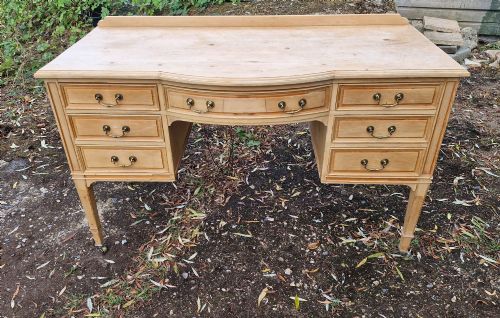
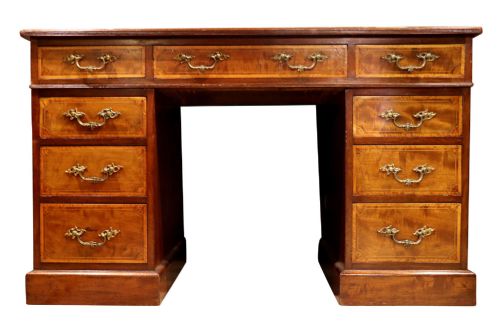
Edwardian Desk Drawers
These pieces of edwardian desk drawers bring practical organisation and classic timber grain into a working room.
Edwardian Desk Drawers
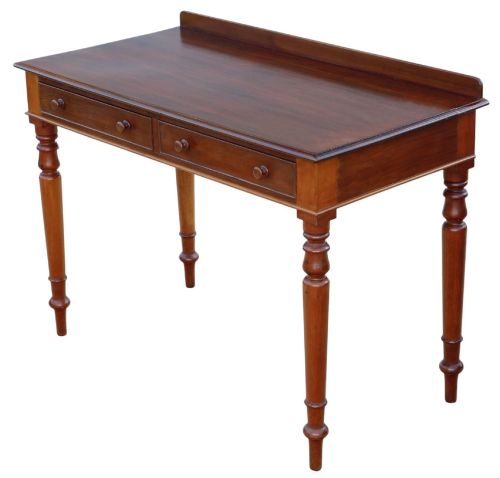
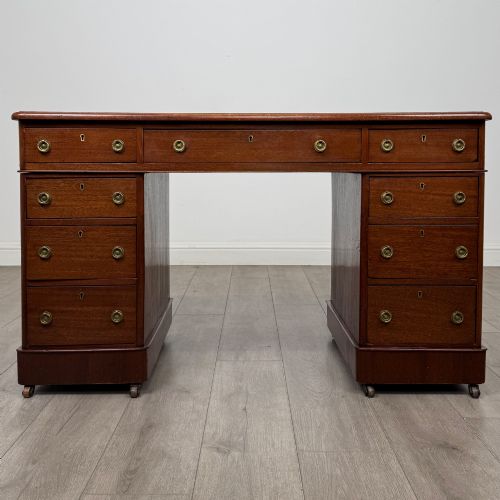
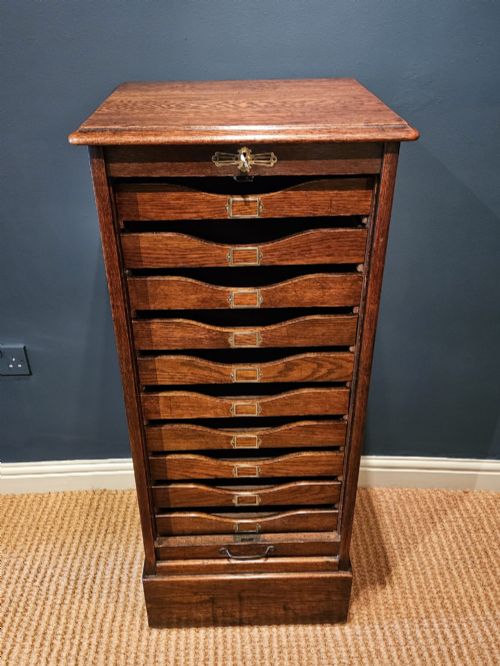
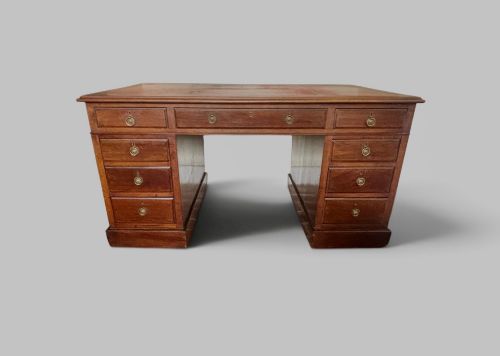
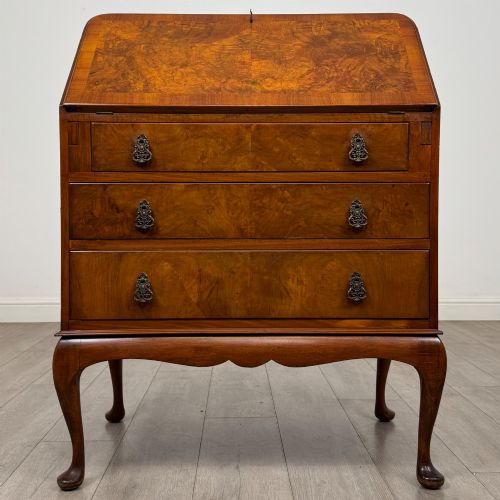
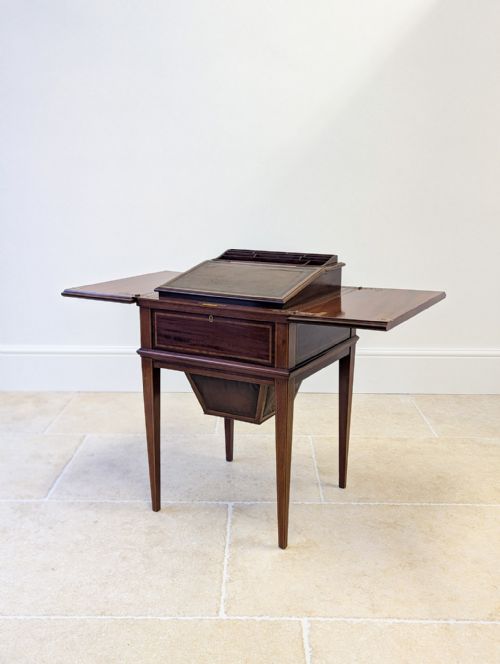
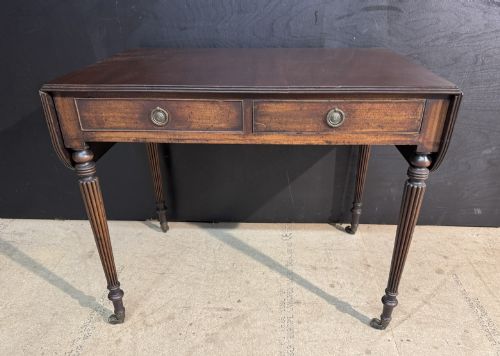
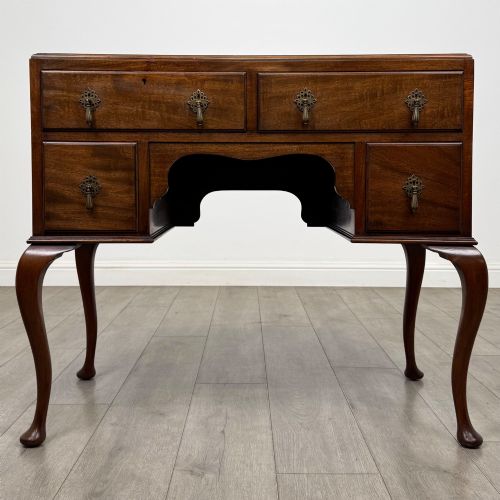
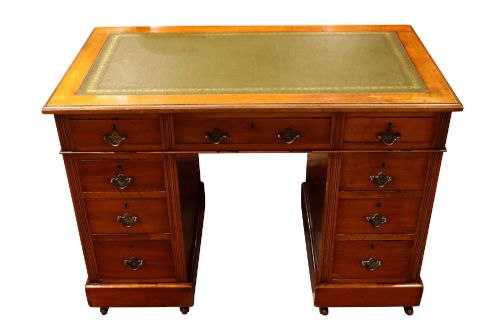
When searching for edwardian desk drawers, buyers encounter compact writing tables, kneehole pedestals, and fitted bureaux produced around the turn of the twentieth century. The period favoured practical compartments, with multiple small drawers arranged around central writing surfaces or tambour fronts.
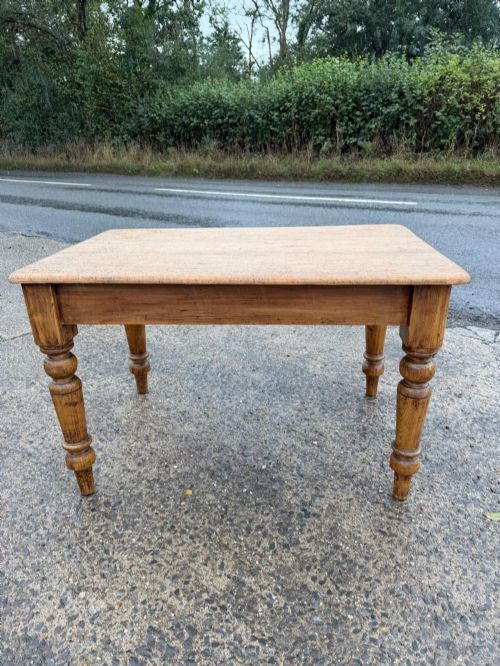
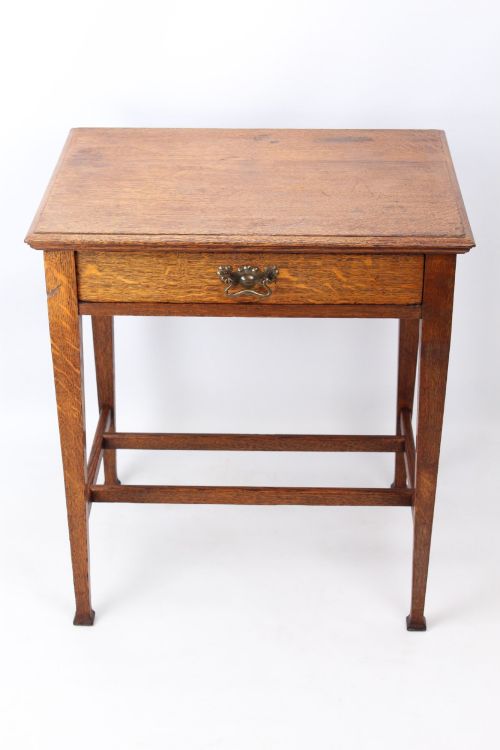
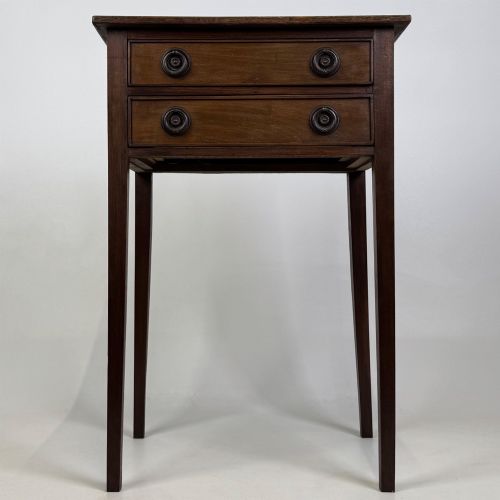
Mahogany and oak dominate the offerings, often appearing alongside walnut, satinwood, and pine in forms ranging from simple side tables to substantial twin-pedestal desks. Edwardian pieces sit alongside Victorian and later twentieth-century examples, maintaining traditional craftsmanship and timber construction.
Materials and Construction
Cabinetmakers utilised solid hardwoods like mahogany and oak for structural integrity, often applying figured veneers or satinwood to visible surfaces for decorative contrast. Brass handles and tooled leather inserts complete the writing surfaces and drawer pulls.
Joinery techniques included dovetailed drawer construction and framed panels, ensuring durability through decades of daily use. Secondary timbers such as pine appear on internal drawer linings and hidden framing.
Object types span pedestal desks, writing tables, tambour filing cabinets, bureaus, and console tables across Victorian and Edwardian periods.
Assessment of Quality
Quality rests upon the selection of timber figures, such as burr walnut or figured mahogany, and the precision of inlaid details and crossbanding. Original brass hardware and intact leather writing inserts elevate a piece above standard utility furniture.
The smoothness of drawer action and the tightness of dovetail joints reveal the care taken by the original cabinetmaker. Proportions and balanced placement of drawers distinguish finer bespoke commissions from mass-produced items.
Heal and Son·Gillows·Edwards and Roberts
The Edwardian Desk Drawers Glossary
- Pedestal desk
- A freestanding desk comprising two supporting stacks of drawers with a central recess for the user. These frequently feature fitted stationery compartments and writing slides.
- Tambour
- A sliding door constructed from narrow vertical strips of wood glued to a canvas backing. This mechanism conceals pigeonholes and small interior drawers within filing cabinets and desks.
- Crossbanding
- A decorative border of veneer laid around the perimeter of a drawer front or tabletop so the grain runs at right angles to the central panel.
- Kneehole
- The central recessed space beneath a desk top designed to accommodate the user's legs. Smaller versions often incorporate a single shallow drawer above the opening.
- Frieze
- The central horizontal band of woodwork directly beneath the top surface of a table or desk, frequently housing one or more drawers.
Edwardian Desk Drawers: Frequently Asked Questions
How do I identify an Edwardian desk?
Edwardian desks date from roughly 1901 to 1910, often displaying lighter timbers, satinwood inlay, and refined proportions compared to heavier Victorian styles.
Look for original brass handles, tapered legs, and subtle revival motifs that distinguish the period from earlier nineteenth-century furniture.
Are these desks suitable for daily work?
Most pieces were built for handwriting and correspondence, meaning surface heights and drawer depths suit modern laptops and notebooks.
Kneehole configurations and pedestal models offer ample storage for stationery while maintaining a compact footprint in a home study.
What is a tambour front?
A tambour is a flexible slatted door that slides along a curved track to cover shelves or small drawers.
This mechanism allowed cabinetmakers to secure desk interiors without swinging doors that require extra clearance space.
How should I care for antique timber?
Keep wooden surfaces away from direct heat sources and strong sunlight to prevent the timber and veneers from drying out or splitting.
Apply a traditional beeswax polish occasionally and buff with a soft cloth to maintain the natural lustre of the polished grain.