
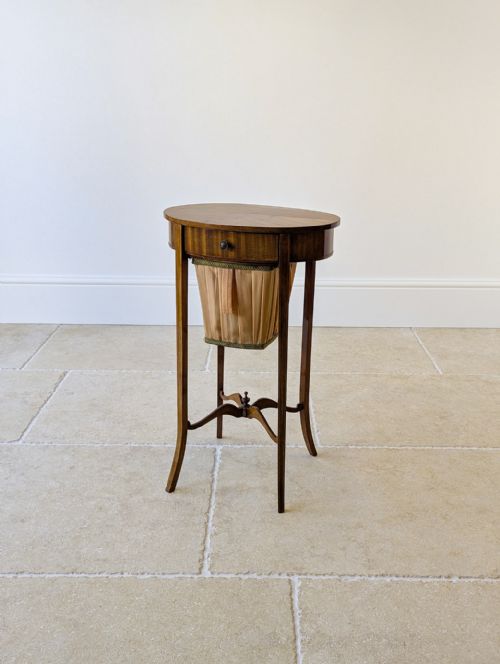
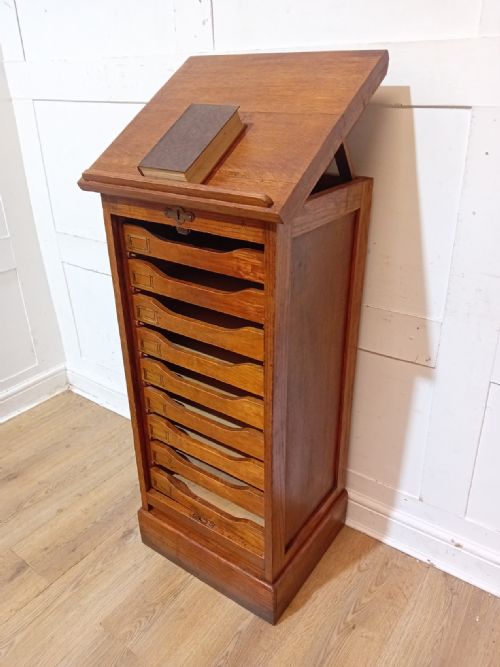

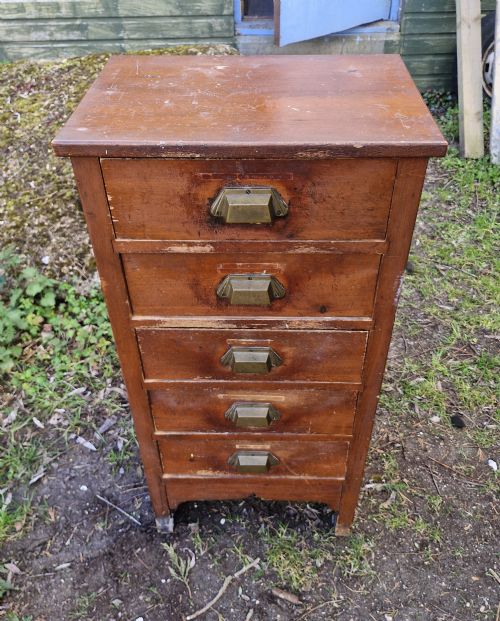


Edwardian Desk Companion
An edwardian desk companion keeps a writing surface tidy with dedicated compartments for ink, paper and correspondence.

Edwardian Desk Companion
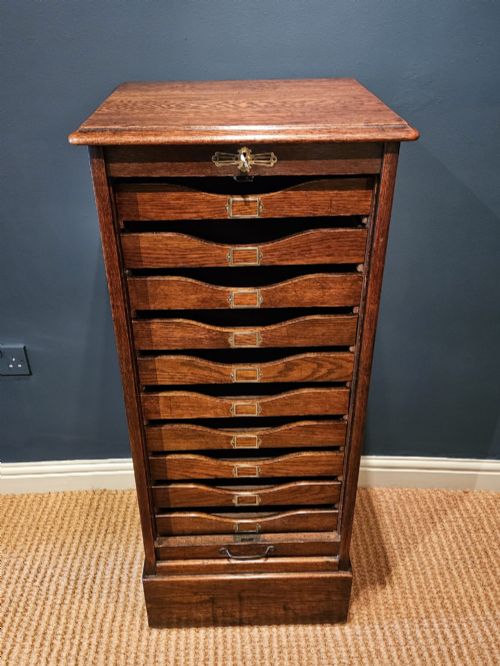
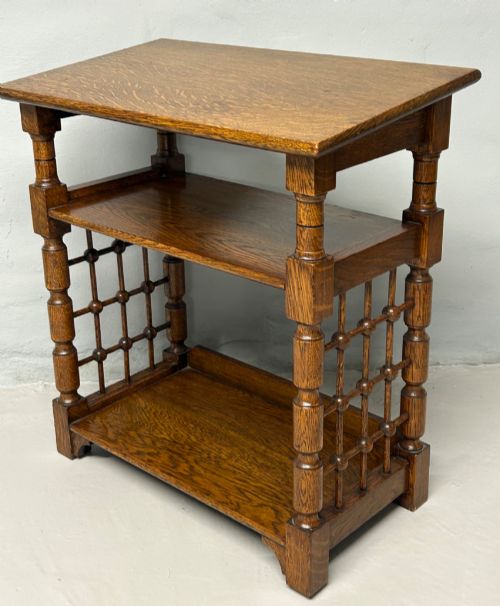
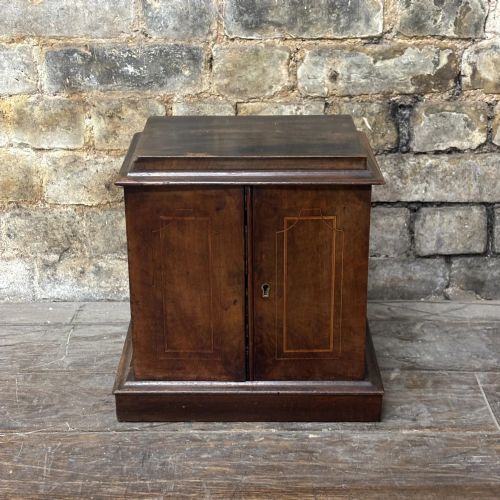
An edwardian desk companion comprises desk accessories, stationery cabinets, filing cabinets, inkstands and book stands designed to organise correspondence and writing tools. These pieces range from compact brass inkstands and wooden letter racks to larger oak stationery cabinets and tambour front filing units.
How they were made
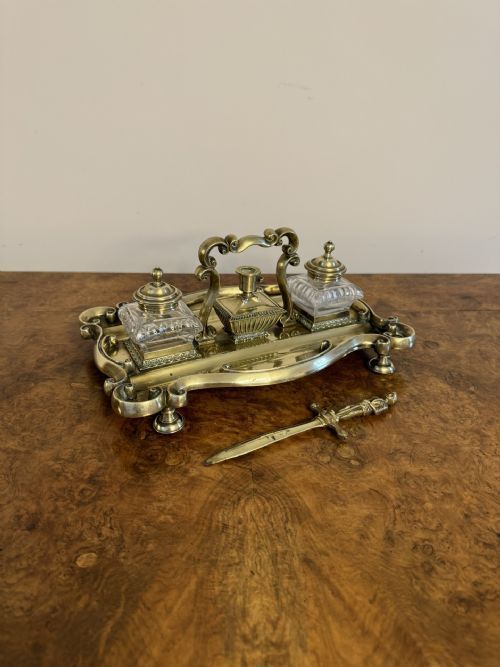
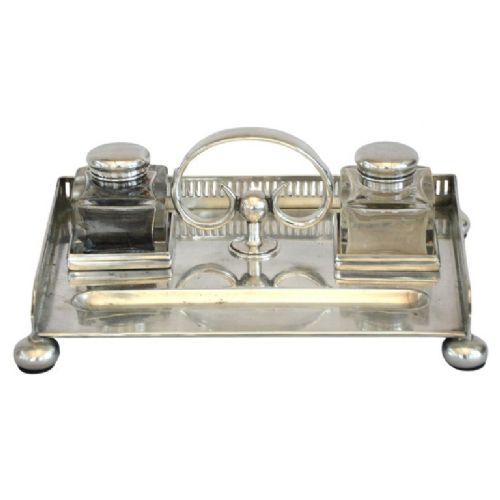
These companions utilise solid timbers like oak, mahogany, walnut and ebonised wood, shaped into functional forms for the desk or study. Metal fittings in brass and silver plate provide structural support, hinges and handles, while cut glass forms the inserts for inkwells.
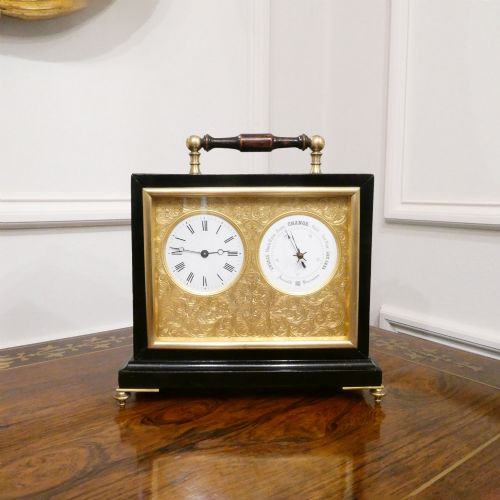
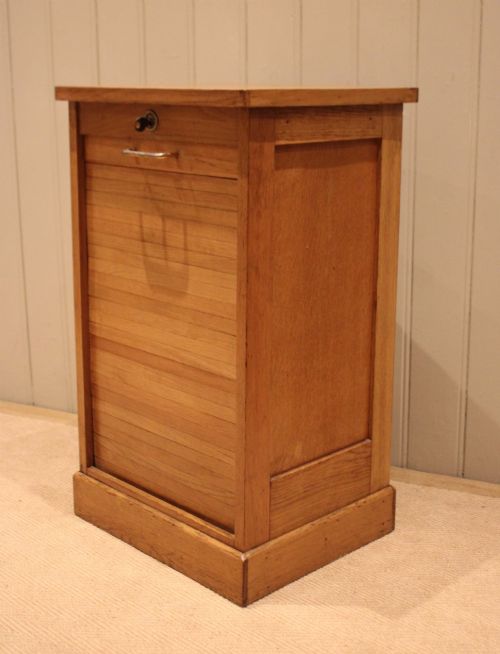
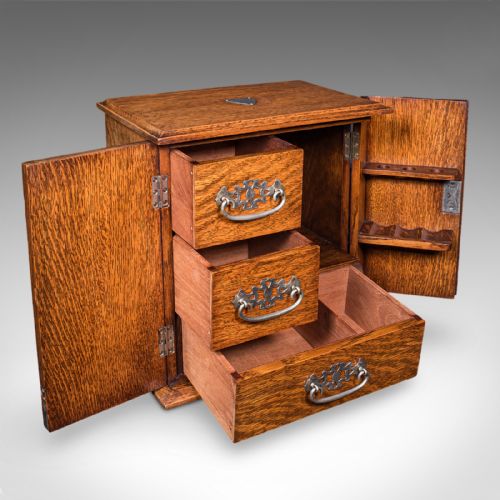
Joinery techniques range from tambour fronts and drop-front mechanisms to fitted drawer assemblies and glazed compartments. Enamel and metalwork details appear on novelties such as desk clocks, barometers and smoking compendiums.
Listings span multiple decades from the late Victorian era through the Edwardian period and into the nineteen-twenties and thirties.
What varies in quality
The distinction between tiers rests upon the selection of timber, the sophistication of the mechanism and the completeness of the original fitted elements. Dense, well-figured oak or mahogany cabinetry with intact cut glass inkwells and original brass hardware stands apart from simpler utility pieces.
Execution of detail defines the superior examples, such as architectural clock cases, rotary book stands and cabinets with operational tambour doors or concealed drawers. Maker involvement, evidenced by marks like Walker and Hall, also separates standard workshop output from higher grade commissions.
Walker And Hall
The Edwardian Desk Companion Glossary
- Inkstand
- A portable tray or stand holding one or more inkwells, often accompanied by pen troughs and a sander or drawer.
- Stationery cabinet
- A desktop piece with a hinged or drop front enclosing slots and compartments for writing paper and envelopes.
- Tambour front
- A flexible door constructed from narrow strips of wood glued to a fabric backing, sliding in curved grooves to conceal interior compartments.
- Book stand
- A portable rack or revolving desk companion designed to hold volumes upright for reference.
- Smoking cabinet
- A specialised desktop or freestanding piece fitted with compartments for pipes, tobacco and matches.
Edwardian Desk Companion: Frequently Asked Questions
What is an edwardian desk companion?
An edwardian desk companion is a collective term for desk accessories, inkstands, stationery cabinets and filing units designed to keep writing equipment ordered.
These pieces typically date from the early twentieth century and serve to organise correspondence, pens and ink in a domestic or office study.
How were stationery cabinets used?
Stationery cabinets sat upon desks to hold writing paper, envelopes and sometimes an adjustable calendar or ink bottles.
Their drop-front or hinged doors kept paper clean and private until needed for letter writing.
What materials are common?
Oak and mahogany form the primary structure for most companions on this page, accompanied by walnut and ebonised wood.
Details incorporate brass hardware, silver plate, cut glass inkwells and occasional enamel or metal novelty elements.
How do I identify the period?
The Edwardian period is marked by lighter oak and mahogany tones, distinct from the heavier, darker rosewood and walnut associated with Victorian pieces.
Construction methods, such as tambour fronts and specific brass handle styles, also help date a piece between the late nineteenth and early twentieth centuries.