


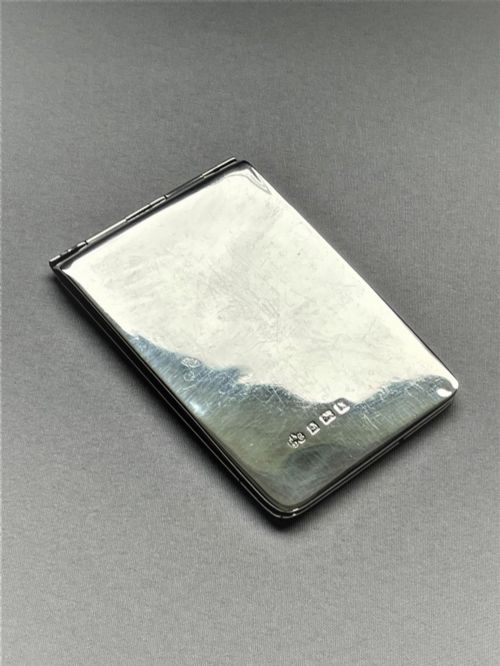
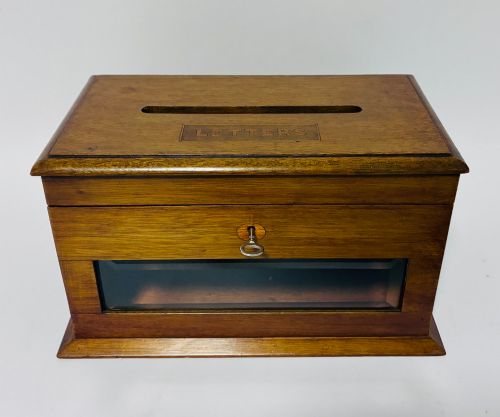
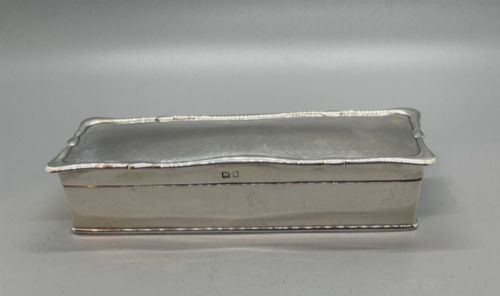
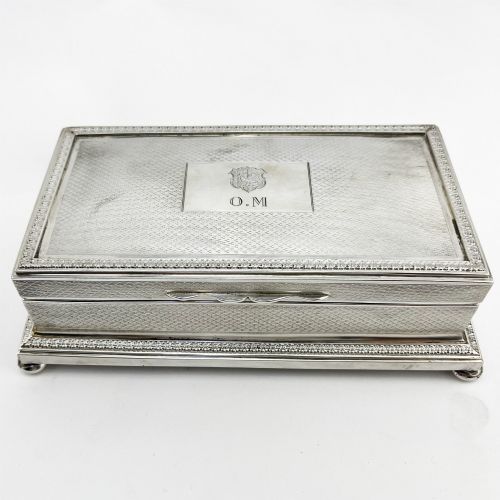
Edwardian Desk Box
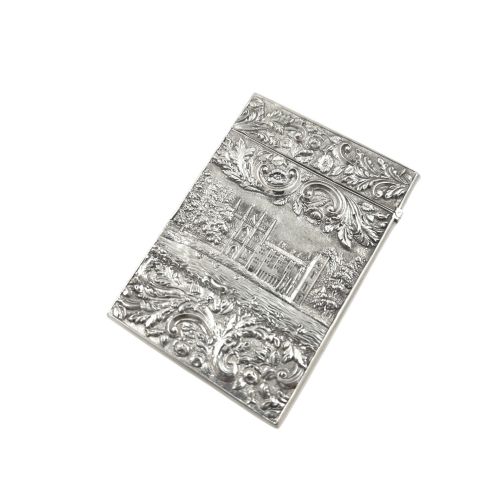
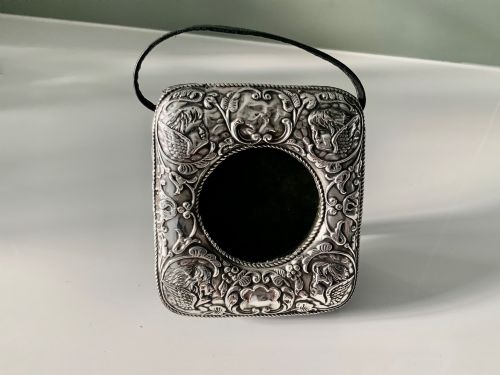
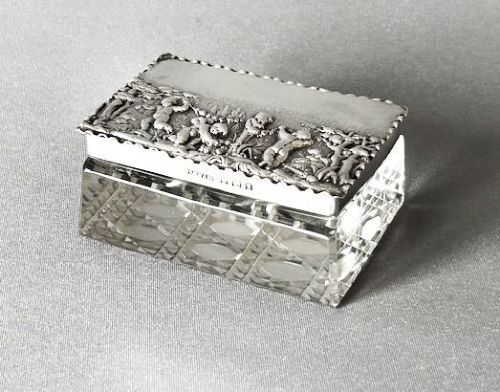
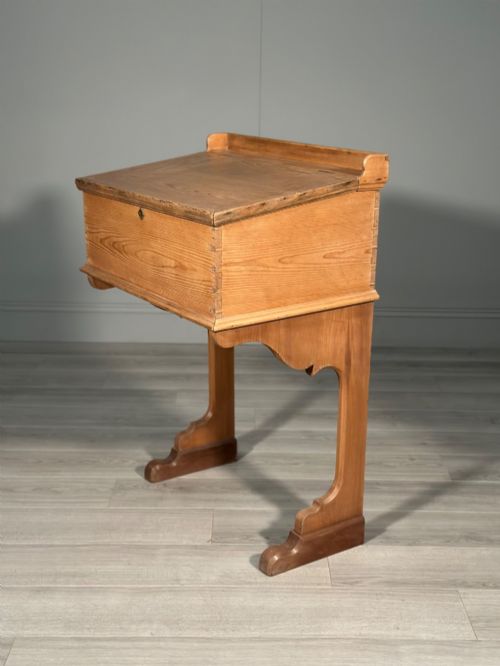
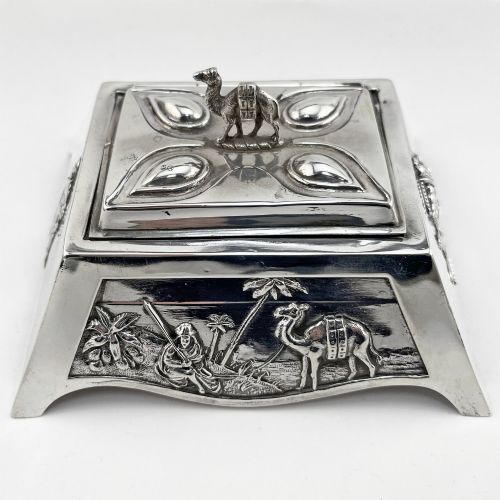
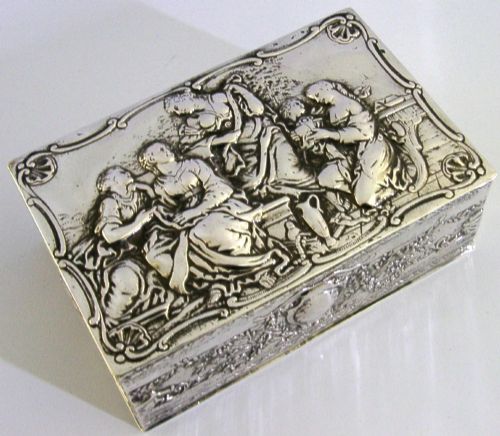
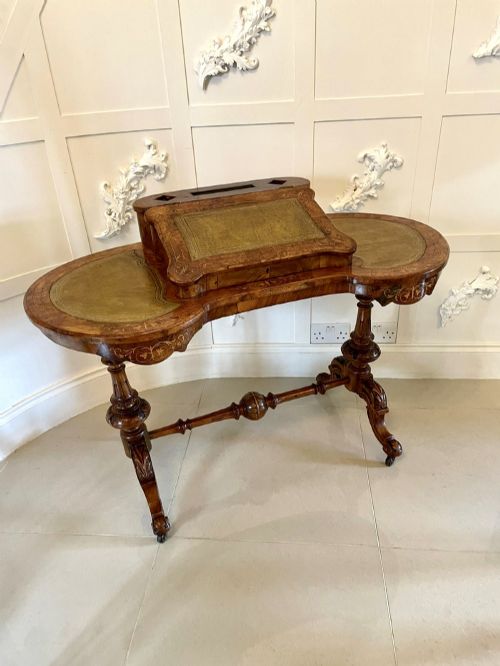
When you seek an edwardian desk box, you enter a refined world of desktop organisation crafted in mahogany, oak, and sterling silver.
Edwardian Desk Box
Makers of the period also produced specialised receptacles including bridge boxes, stamp cases, and cigar humidors. These wooden and silver pieces reflect the orderly writing habits of period households and offices.
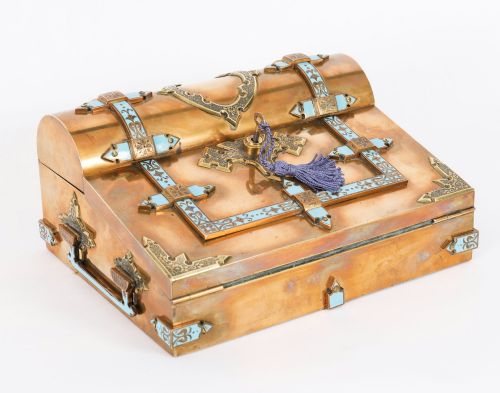
Mahogany and oak form the structural backbone of these wooden containers, frequently augmented by brass mounts, leather panels, and silver details. The items bridge late Victorian utility with early twentieth-century refinement.
Materials and construction methods
Cabinet makers utilised dense hardwoods such as mahogany, oak, walnut, and rosewood, often applying cross-banding, boxwood stringing, and inlaid details. Metalworkers cast and stamped sterling silver and brass for mounts, hinges, escutcheons, and dedicated stamp compartments.
Interiors often incorporated tooled leather, velvet linings, and segmented wooden dividers tailored for pens, envelopes, and inkwells. Joinery relied on precise dovetail construction and hinged lids designed to protect paper goods from dust and moisture.
Edwardian Desk Box Retail Price Guide 2026
Typical asking prices for edwardian desk box among the pieces listed under this phrase on Sellingantiques today, from the lower quarter to the upper quarter. They describe what is for sale here now, not the wider market.
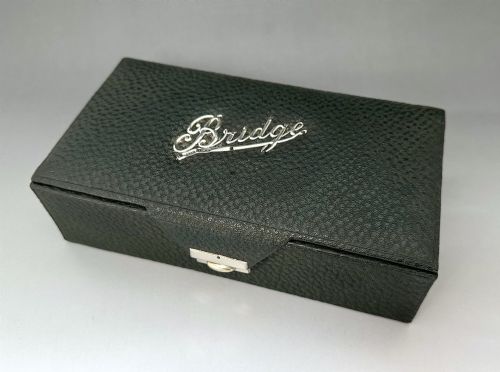
Desktop items include specialised bridge boxes designed to keep card game scores tidy alongside the stamps and cigars.
Factors determining quality
Distinction in these desktop pieces rests upon the crispness of the cabinetwork, the weight of the silver mounts, and the integrity of the fitted interior. Solid timber construction with substantial gauge silver commands greater appreciation than plated alternatives or thin veneers.
The presence of working locks with original keys, maker hallmarks on silver elements, and intact leather or silk linings elevate an example. Harmonious proportions and restrained inlay demonstrate superior workshop origin compared to plain utilitarian items.
Crisford & Norris·W & G Neal·Albert Ernest Jenkins·Mappin & Webb·William Comyns
The Edwardian Desk Box Glossary
- Stationery Box
- A vertical desktop cabinet with a hinged or fall-front lid designed to store writing paper and envelopes neatly.
- Stamp Case
- A small silver or leather receptacle created to hold adhesive postage stamps, often styled to resemble miniature books or envelopes.
- Writing Slope
- A portable desk featuring a slanted writing surface that opens to reveal compartments for ink, pens, and paper.
- Cross-Banding
- A decorative technique where a border of veneer is laid across the grain of the primary wood surface.
- Vesta
- A small pocket or desk case designed to hold matches safely, sometimes combined with a sealing wax compartment.
Edwardian Desk Box: Frequently Asked Questions
What is an edwardian desk box used for?
These boxes served to organise correspondence, writing paper, envelopes, and stamps on a library or study desk. They kept loose papers tidy before the widespread use of modern filing systems.
Larger versions accommodated account books and smoking accessories, while smaller compartments held wax seals and nibs.
How do I date an edwardian desk box?
Dating relies upon silver hallmarks, maker stamps, and distinctive stylistic traits of the period around nineteen hundred. Oak and mahogany versions often feature characteristic Edwardian inlaid stringing.
Archival clues and patent dates stamped on brass hinges or lock plates also help establish the exact decade of manufacture.
Are sterling silver mounts common?
Many wooden boxes feature decorative sterling silver corners, hinges, escutcheons, and full top mounts. These silver elements were frequently hallmarked in Birmingham or London.
Plain plated mounts appear on more utilitarian pieces, whereas solid sterling silver indicates higher workshop provenance.
How should I care for wooden boxes?
Maintain timber surfaces with a light application of beeswax to preserve the patina of the mahogany or oak. Avoid placing antique boxes in direct sunlight or near heat sources to prevent wood splitting.
Leather and velvet interiors benefit from gentle dusting with a dry, soft cloth rather than liquid cleaners.