


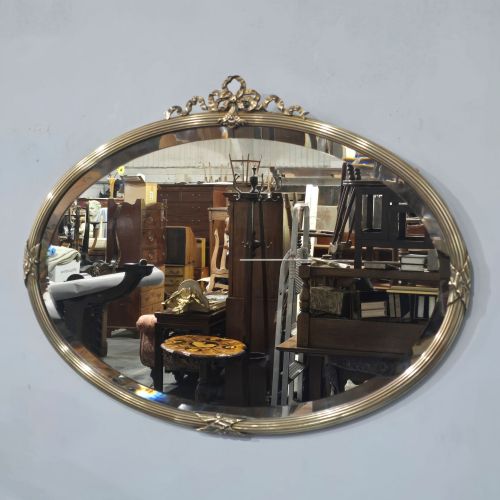
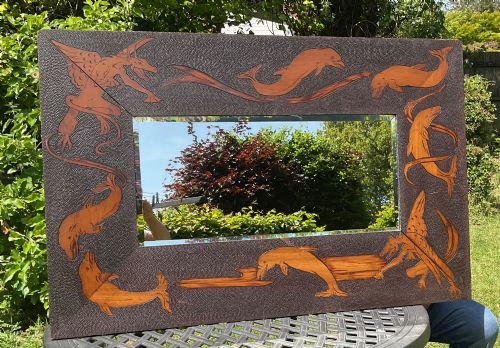
Edwardian Decorative Wall Mirror
An edwardian decorative wall mirror brings polished reflection and period character to an interior through shaped glass and varied frames.
Edwardian Decorative Wall Mirror
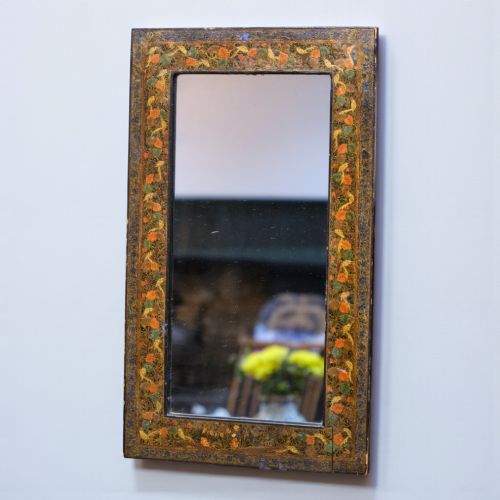
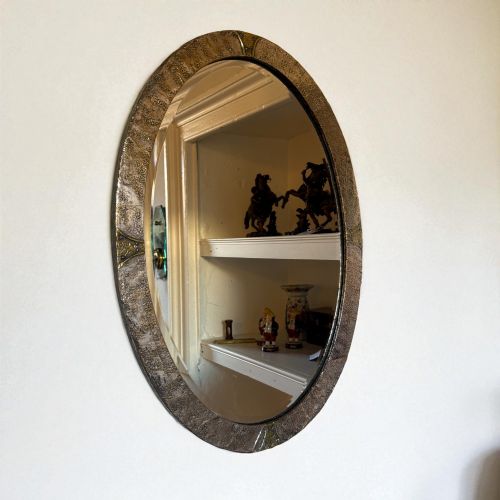
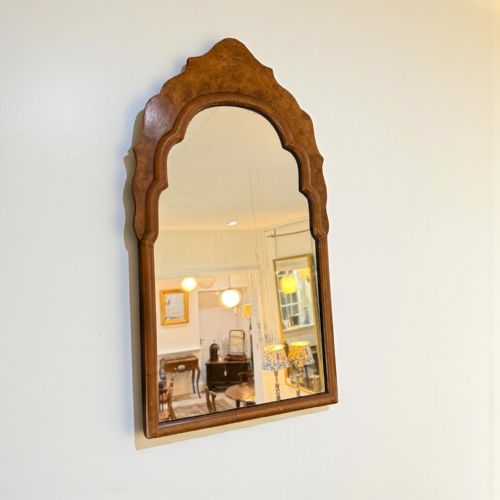
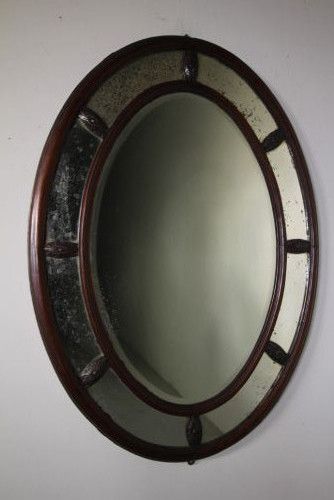
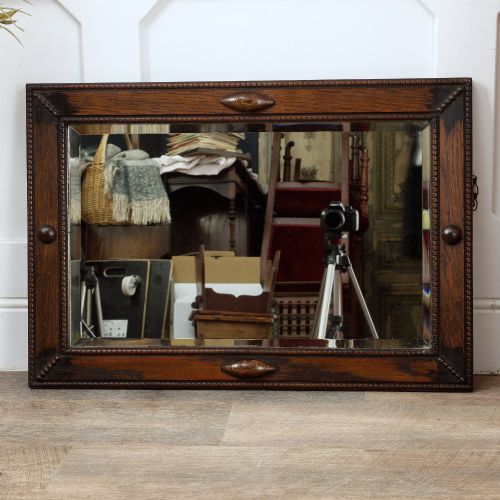
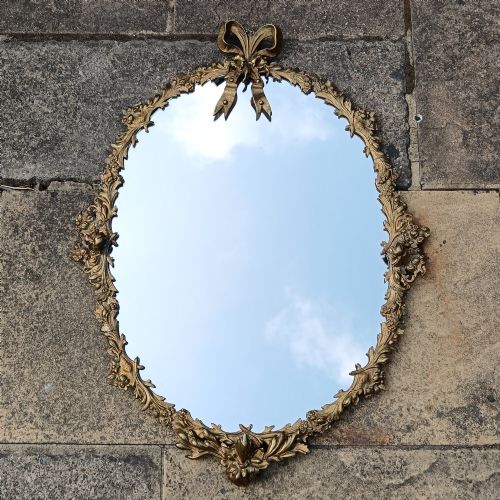
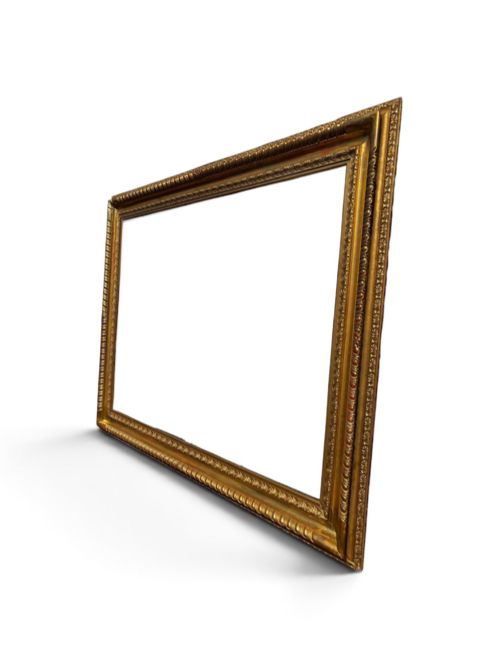
An edwardian decorative wall mirror meets the eye in forms ranging from compact oval wall-hanging pieces to substantial overmantels designed for room focal points. These items span the late nineteenth century into the early twentieth century, reflecting stylistic shifts from Victorian heaviness to lighter Edwardian aesthetics and revival designs.
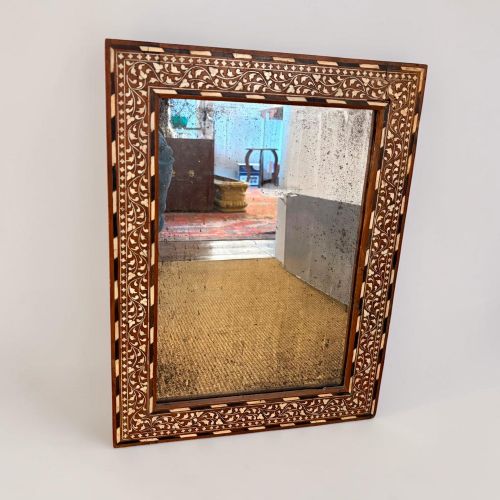
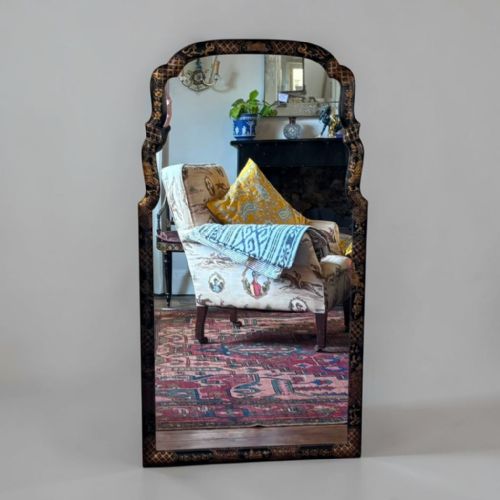
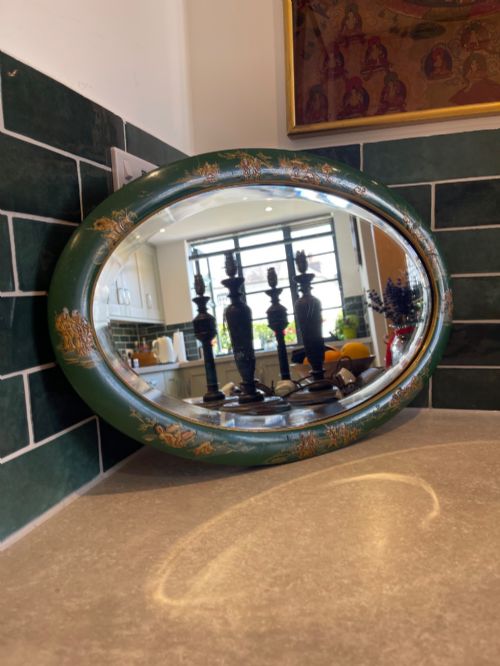
The selection includes specific regional and stylistic sub-types, such as Arts and Crafts copper frames, Chinoiserie ovals, and Adam style giltwood pieces. Buyers encounter both rectangular and circular formats, frequently incorporating carved wood, inlaid timber, or moulded gesso.
Overmantel mirrors and smaller hallway or console companion pieces dominate the configurations seen across these listings. Period examples often utilise traditional framing techniques adapted from earlier Georgian and Regency vocabularies.
Materials and construction
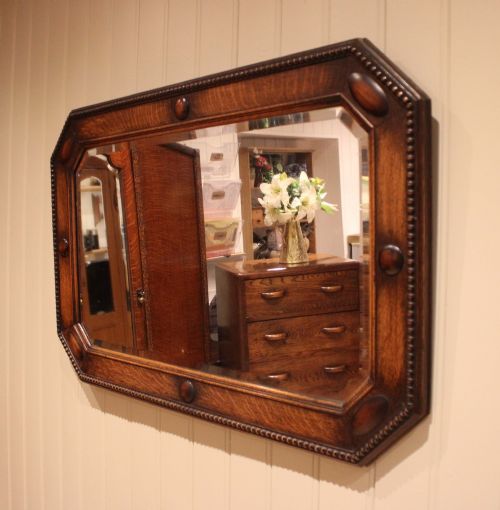
Frames rely on timber foundations such as mahogany, oak, walnut, and rosewood, alongside applied ornament in gesso and carved wood. Metal elements appear in brass, repoussé copper, and gilt bronze, contributing substantial weight and tactile surface texture.
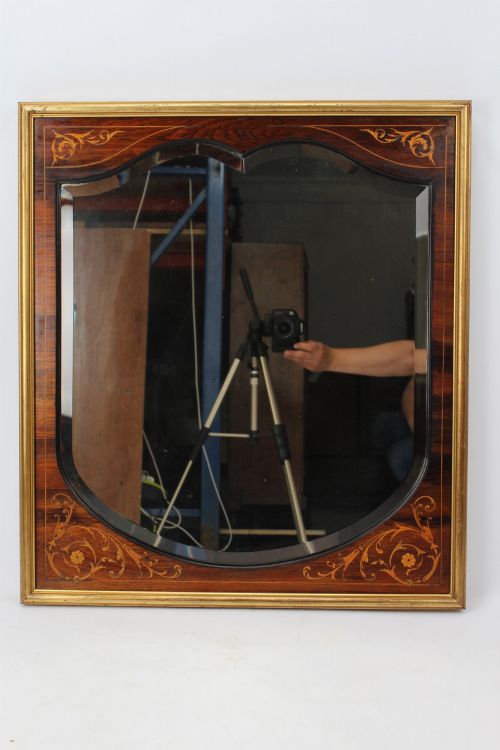
Gilding techniques employ gold leaf applied over gesso grounds on carved wood bases, while other pieces showcase ebonised finishes, parcel-gilt highlights, or intricate inlay work. Mirror glass plates are set within rebated frames, sometimes featuring bevelled edges or engraved detailing.
The listings feature diverse materials including giltwood, brass, copper, mahogany, oak, and gesso across periods spanning the nineteenth and early twentieth centuries.
Assessing quality
The standard of carving and the crispness of moulded gesso decoration define the upper tier of these pieces, separating hand-finished detail from mass-produced uniformity. Superior examples display depth in relief ornamentation and precise joinery in the timber framing.
Glass selection also marks the distinction, with hand-silvered plates, margin-etched borders, and bevelled edges indicating higher original manufacturing cost. The integration of specialised materials like Ruskin cabochons or hand-beaten copper further elevates an item's craftsmanship.
The Edwardian Decorative Wall Mirror Glossary
- Gesso
- A plaster-like mixture applied to wood frames to create a smooth surface for gilding or to build up raised decorative motifs. It allows for intricate relief work that mimics carved timber.
- Overmantel mirror
- A large mirror specifically designed to hang on the wall directly above a fireplace mantelpiece. These pieces often anchor the proportions of a reception room.
- Repoussé
- A metalworking technique where the metal is hammered into relief from the reverse side. This method creates textured, dimensional designs on copper or brass mirror frames.
- Cabochon
- An unfaceted, polished gemstone or ceramic piece set flush into a metal mount. In Arts and Crafts pieces, these frequently accent copper frames.
- Parcel-gilt
- A decorative treatment where only specific portions of an object are gilded with gold leaf, leaving the underlying wood or ebonised finish visible elsewhere.
Edwardian Decorative Wall Mirror: Frequently Asked Questions
Where should I hang an overmantel mirror?
These large mirrors belong above a fireplace mantelpiece, where they reflect light and anchor the room's proportions.
Ensure the wall fixings match the substantial weight of the timber and gesso frame before mounting.
How do I clean an antique mirror?
Dust the frame gently with a dry, soft brush to protect fragile gesso or gilt surfaces from moisture damage.
Clean the glass plate sparingly with a mild solution applied to a cloth rather than sprayed directly onto the glass.
Are Edwardian mirrors heavy?
Many examples utilise dense hardwood frames combined with thick glass and gesso ornament, resulting in considerable weight.
Wall mounting requires sturdy brackets secured directly into masonry or wall studs rather than plaster alone.
What defines the Edwardian style?
Edwardian design favours lighter, brighter aesthetics compared to heavy Victorian furnishings, often incorporating neoclassical revivals and crisp geometric forms.
In mirrors, this translates to refined giltwood, inlaid mahogany, and elegant proportions suited to airy turn-of-the-century interiors.