


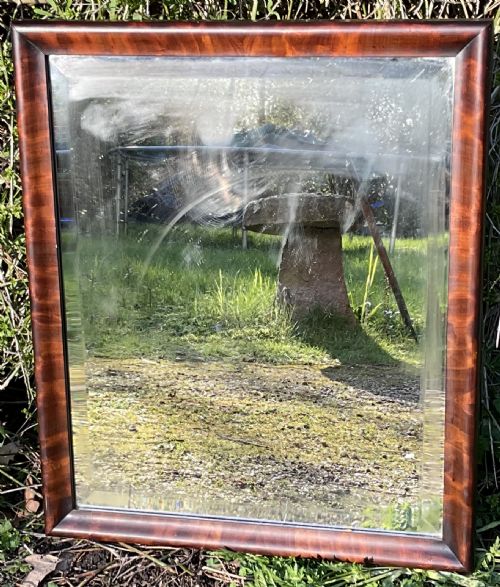
Vintage Mahogany Looking Glass
These vintage mahogany looking glass pieces bring warmth and formal depth to a room through rich timber and clear reflection.
Vintage Mahogany Looking Glass
A vintage mahogany looking glass serves as both a practical wall mirror and a decorative focal point, originating from periods spanning the eighteenth century through to the early twentieth century. When browsing this selection, buyers encounter various interpretations of classic forms, including wall mirrors and overmantle designs.
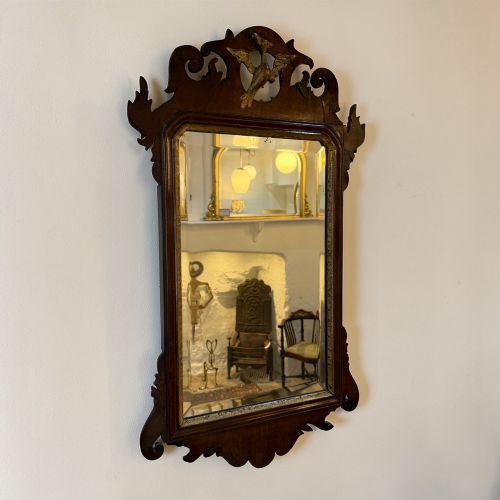
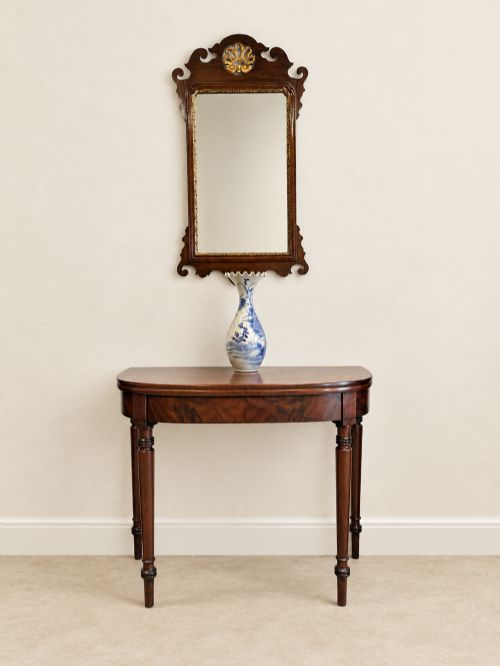
The pieces listed on this page showcase distinct stylistic revivals alongside earlier examples, ranging from Georgian and Regency forms to Edwardian and Sheraton revival pieces. Buyers frequently meet wall-hanging formats defined by traditional timber frames, some incorporating fretwork or gilt details.
Makers and craftsmen from the nineteenth and early twentieth centuries adapted these historical silhouettes, utilising African mahogany and native veneers to create domestic mirrors. Each object reflects the prevailing interior tastes of its era, offering a direct link to historical cabinet-making traditions.
Distinguishing quality
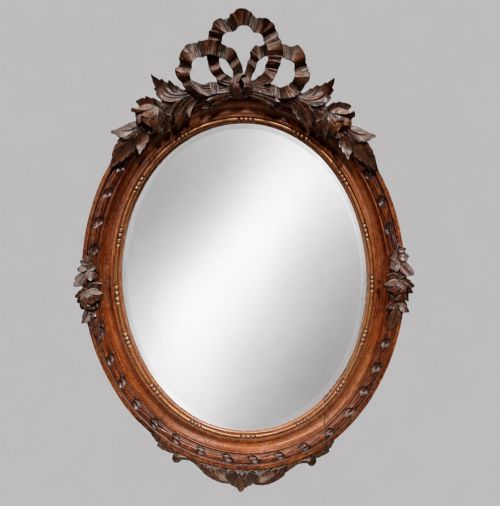
The refinement of the carved details and the crispness of any fretwork silhouette separate standard production from more ambitious cabinet work. Superior examples exhibit deliberate proportions and balanced symmetry across the frame.
The choice of timber grain and the precision of veneer matching dictate the visual richness of the mahogany surface. Higher quality pieces utilise select cuts of timber that display natural depth and varied figure.
The integration of secondary materials, such as finely preserved gilt highlights or subtle satinwood inlay, indicates a higher tier of craftsmanship. The weight and clarity of the original mirror glass further reflect the overall standard of the piece.
The listings on this site span multiple centuries, incorporating eighteenth-century Georgian designs alongside nineteenth-century pieces and Edwardian revivals.
The Vintage Mahogany Looking Glass Glossary
- Looking glass
- A traditional term for a domestic mirror, specifically one set within a decorative frame of wood or gilt. These objects functioned historically as both optical instruments and light-reflecting wall decorations.
- Overmantle wall mirror
- A large horizontal mirror designed to hang specifically above a fireplace mantelpiece. These pieces often combine mahogany veneer with gilt details to anchor the chimney breast visually.
- Satinwood inlay
- A decorative technique where small pieces of pale satinwood are inserted into recesses cut into the darker mahogany surface. This creates contrasting geometric or floral patterns.
- Fret wall mirror
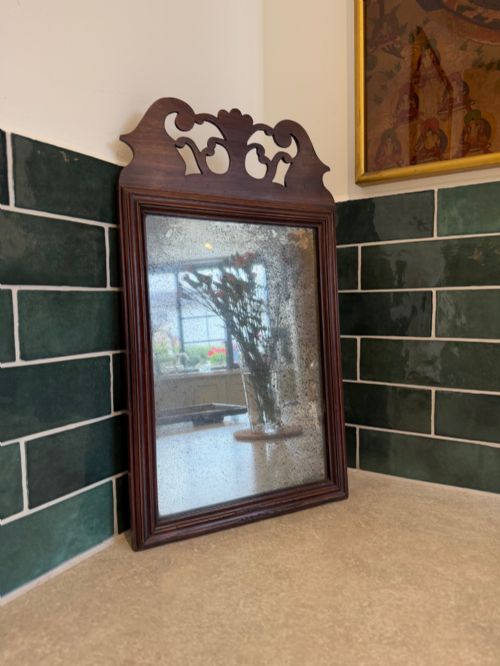
- A mirror featuring a frame with intricate pierced patterns cut into thin boards, commonly associated with eighteenth-century styles and later revivals. The scrolling outlines require precise hand sawing.
- African mahogany
- A specific tropical hardwood species utilised in nineteenth-century cabinet making for its distinct grain pattern and durability. It provided an alternative source of timber for large frame construction.
Vintage Mahogany Looking Glass: Frequently Asked Questions
Where should I hang a vintage mahogany looking glass?
These mirrors suit principal reception rooms, hallways, or above a bedroom dressing table where they can reflect natural light. Their formal timber frames complement traditional interior arrangements and architectural wall panels.
Ensure the wall fixings match the weight of the specific frame, particularly for heavier overmantle examples or large nineteenth-century pieces. Position the glass at eye level to maximise its functional purpose and visual balance within the room.
How do I identify a Georgian style mirror?
Georgian style mirrors typically feature symmetrical carved wooden frames, classical architectural pediments, or intricate fretwork silhouettes. They reflect the restrained proportions and decorative vocabulary popular during the eighteenth century.
Later revival pieces produced during the Edwardian period often emulate these earlier forms using similar mahogany veneers and traditional joinery techniques. Examining the construction methods and the backing materials helps distinguish the original period pieces from later interpretations.
What maintenance do these wooden frames require?
Maintain the mahogany frame by dusting it gently with a dry, soft cloth to prevent the buildup of particles on the timber and carved surfaces. Avoid applying modern liquid polishes or silicone-based sprays that can penetrate the aged finish.
Keep the mirror away from direct sources of strong heat and moisture fluctuations to protect the wood and the stability of the internal glass setting. Clean the mirror glass using a minimal amount of neutral glass cleaner applied to a cloth rather than directly to the surface.
Why do some mirrors include gilt details?
Gilt details were applied to highlight specific carved mouldings, sight edges, or decorative crests within the mahogany frame. This technique introduced tonal contrast and helped the mirror catch and reflect ambient candlelight or daylight.
The presence of gilt alongside dark timber reflects the aesthetic preferences of specific periods, such as the Regency era and later nineteenth-century revivals. It elevates the decorative status of the object within a formal interior setting.