
Edwardian Cut Crystal
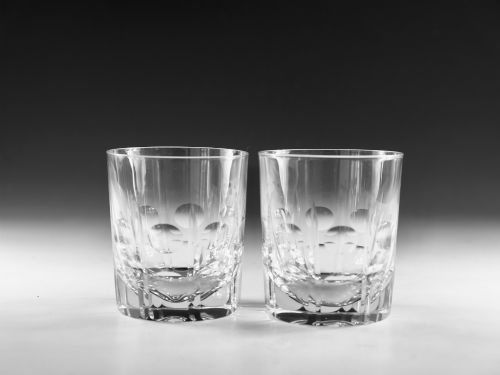
Edwardian cut crystal brings together heavy lead glass and intricate wheel-cut patterns from the early twentieth century.
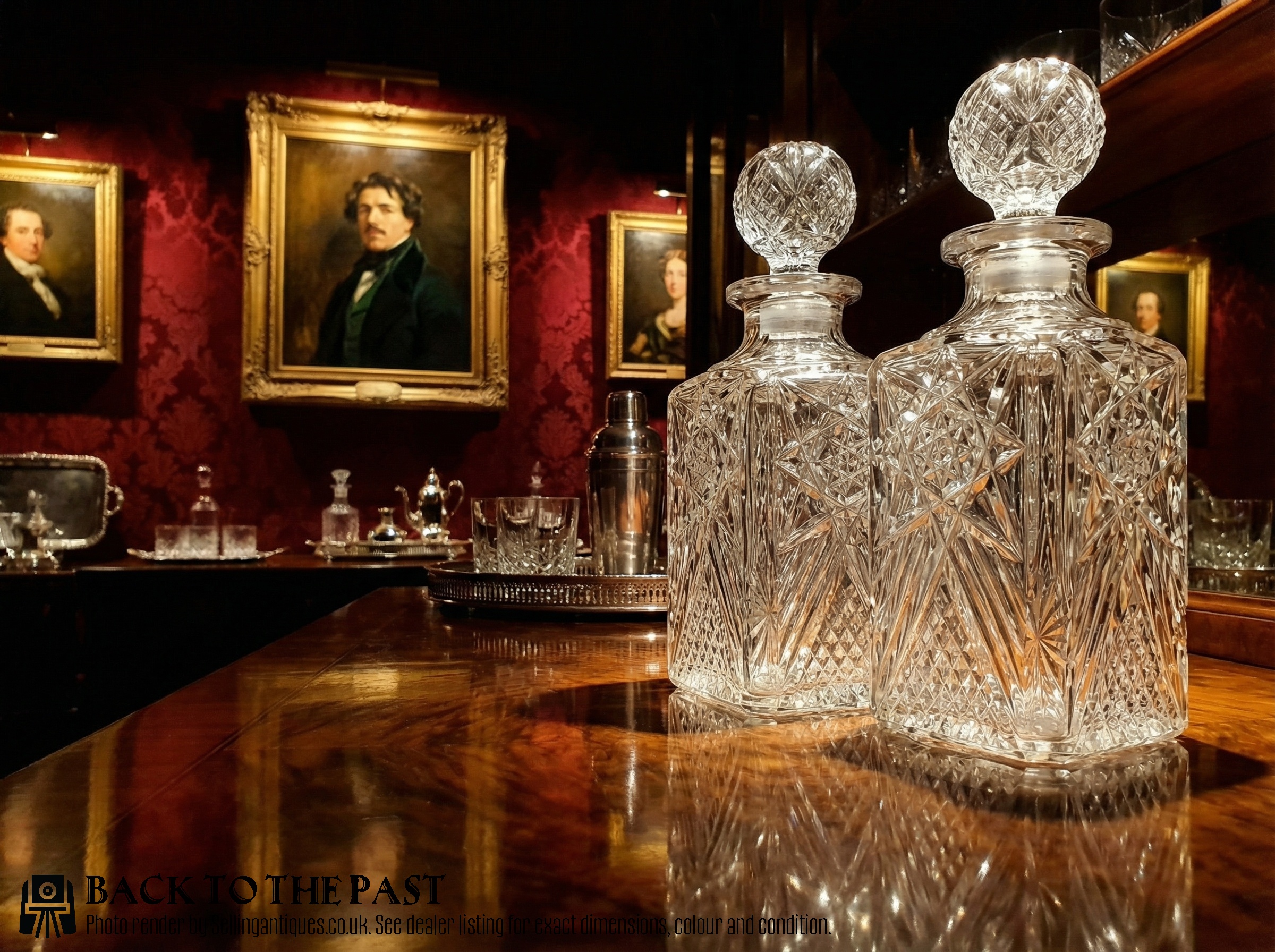
Edwardian Cut Crystal
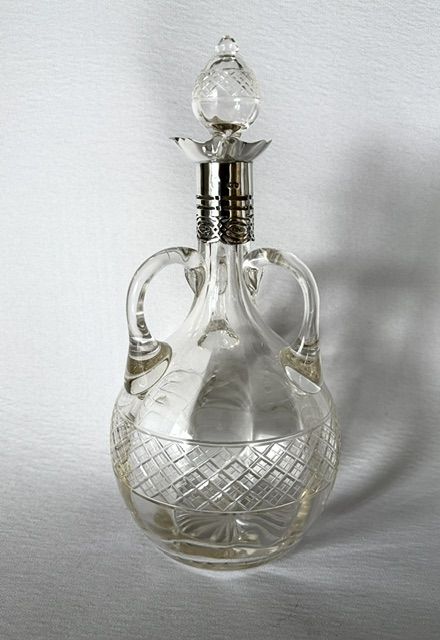
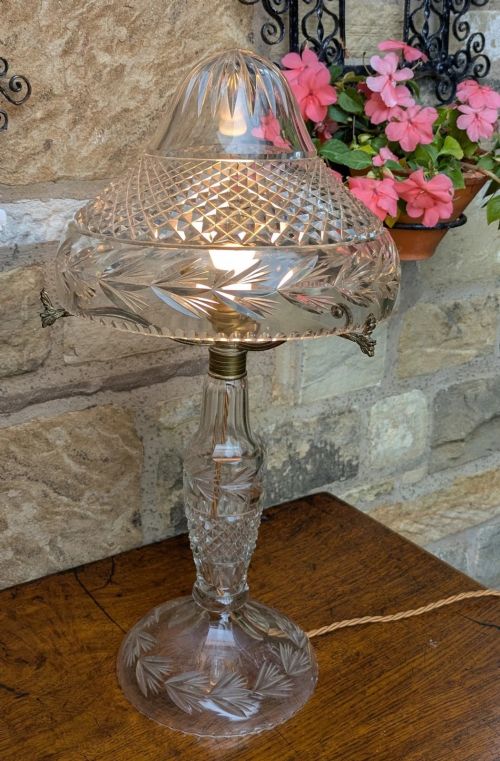
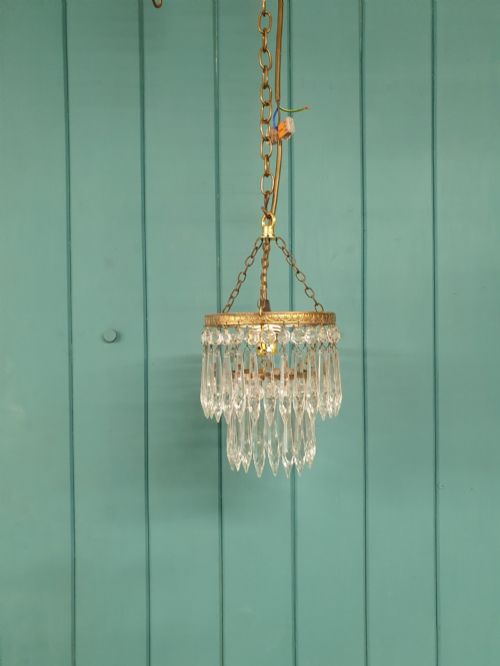
Lighting plays a major role within this category, ranging from small brass and glass chandeliers to table lamps and ceiling domes. Pieces often combine cut glass with sterling silver, silver plate, or brass components created during the Edwardian period and adjacent George V years. Buyers frequently meet decanters featuring silver collars alongside pendant ceiling lights wired for modern use.
How they were made
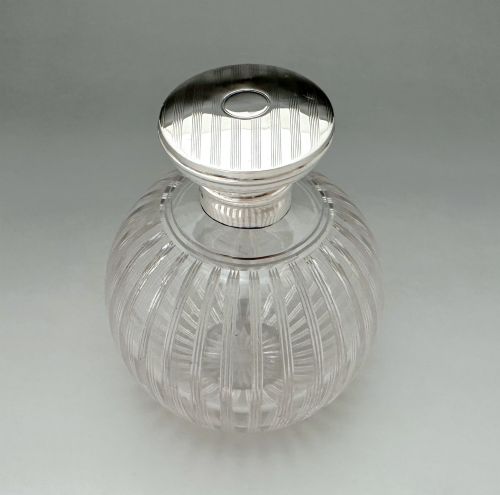
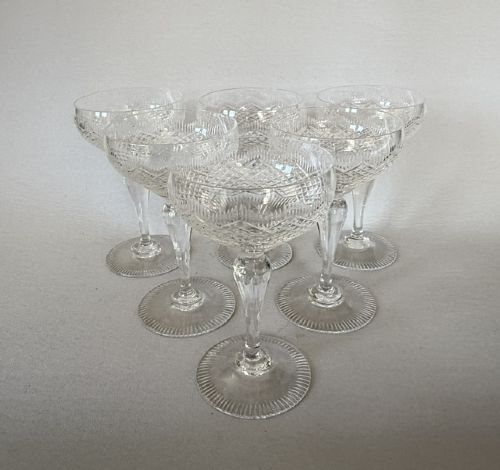
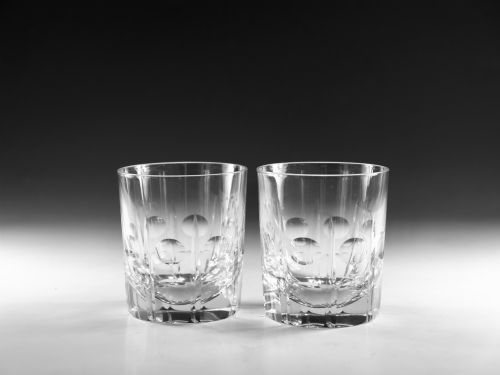
Makers shaped these items using heavy lead crystal or cut glass, which was then subjected to wheel-cutting to produce geometric or floral motifs like hobnail patterns. Metal elements such as brass galleries, silver mountings, and gilt bronze fixtures were integrated into the glass bodies to form functional objects and light fixtures.
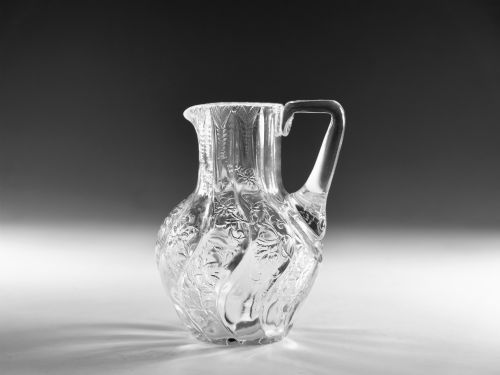
Additional decorative techniques included acid etching on glass surfaces and engine-turned enamel details applied to silver bottle tops. Craftspeople assembled chandeliers using glass drops and crystal beads suspended from brass or bronze frames.
Edwardian Cut Crystal Retail Price Guide 2026
Typical asking prices for edwardian cut crystal among the pieces listed under this phrase on Sellingantiques today, from the lower quarter to the upper quarter. They describe what is for sale here now, not the wider market.
Listings feature cut crystal items from the Edwardian era alongside pieces dated to the Victorian period and the 1930s.
What varies_in_quality
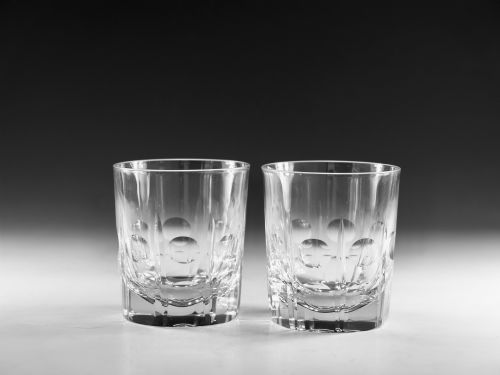
The standard of cutting dictates much of the appeal, with deep, crisp facets reflecting light far more sharply than shallow or blurred incisions. The weight and clarity of the crystal itself set finer vessels apart from heavier, duller alternatives.
The quality of associated metalwork marks another distinction, visible in heavy cast brass mounts, substantial sterling silver collars, and intact enamel work rather than thin silver plate or replacement parts.
Stevens & Williams·Tiffany & Co.·Harold Bushell & Co·WMF
The Edwardian Cut Crystal Glossary
- Hobnail cut
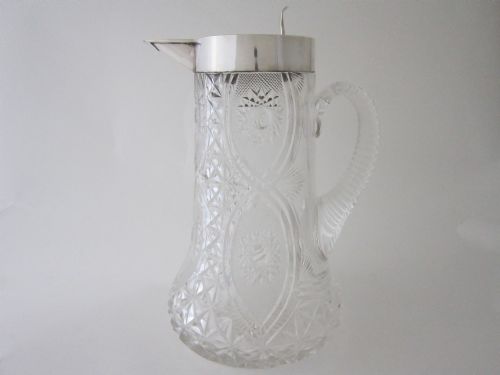
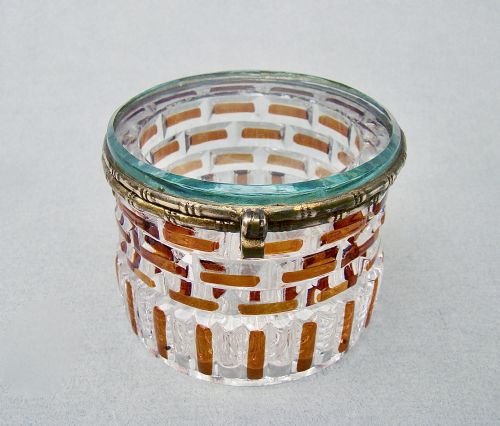
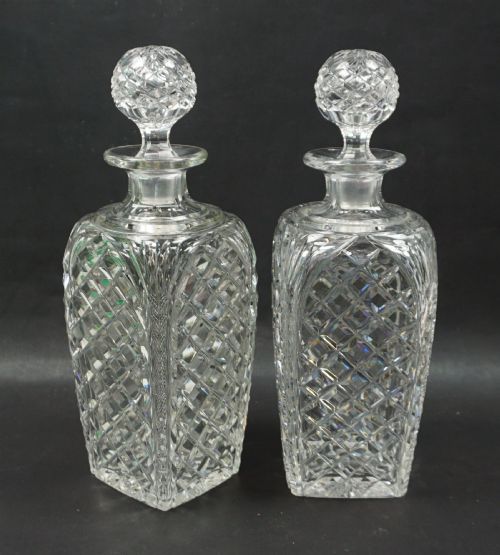
- A dense, diamond-shaped facet pattern that creates a sharp, bumpy texture across the surface of the glass. This traditional motif is frequently found on Edwardian biscuit barrels and decanters.
- Plafonnier
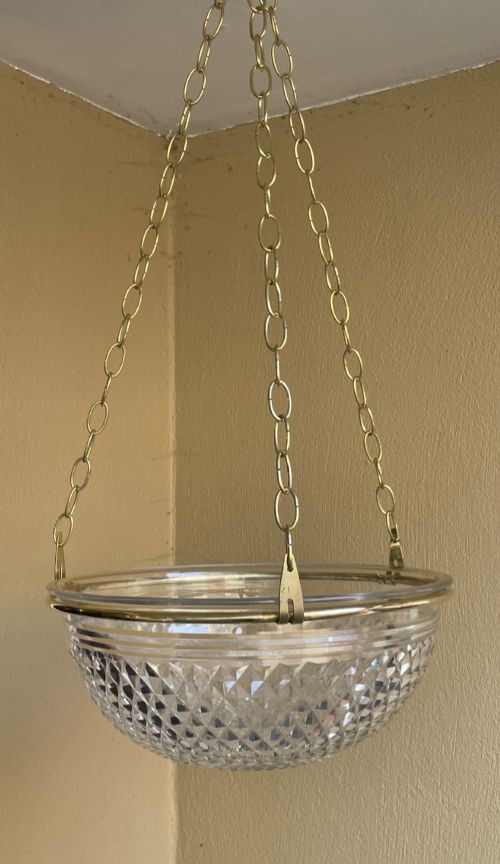
- A bowl-shaped ceiling light mounted flush or close to the ceiling, often made of cut glass held in a brass or metal gallery. These fixtures diffuse light downwards into a room.
- Claret jug
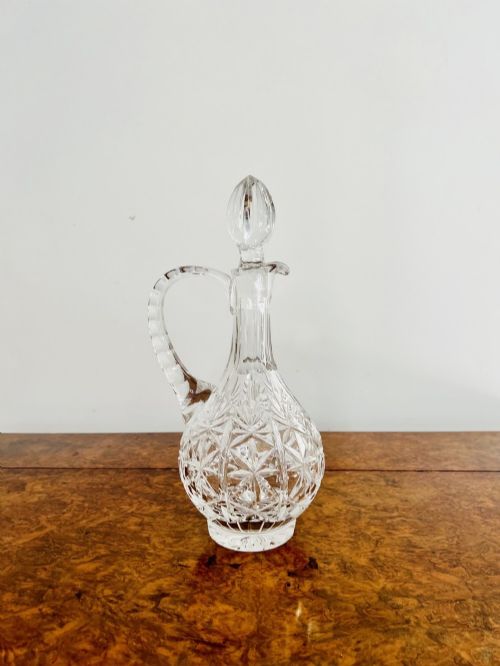
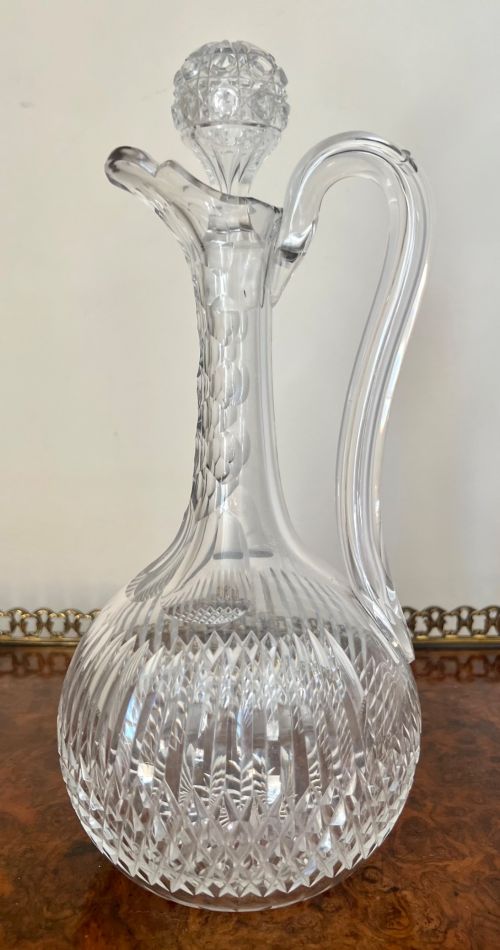
- A pouring vessel designed specifically for serving red wine, typically featuring a cut crystal body fitted with a hinged silver-plated or sterling silver handle and spout.
- Tent chandelier
- A lighting fixture featuring an upper conical section of glass beads gathered into a tent shape above a tier of radiating arms. These often include hanging crystal lustres.
- Silver collar
- A metal band fitted around the neck of a glass decanter or scent bottle to provide structural support for a stopper or lid.
Edwardian Cut Crystal: Frequently Asked Questions
Are Edwardian chandeliers difficult to rewire?
Most hanging lights require rewiring to meet current electrical standards before installation in a modern home. Qualified professionals can easily update the internal wiring while retaining the original brass frames and glass drops.
Ceiling fittings often include registered design marks or original galleries that should be preserved during any restoration work.
How can I tell Edwardian glass from Victorian pieces?
Edwardian items often show lighter, more refined proportions and brighter crystal clarity compared to the heavier styles of the late nineteenth century. Design influences shifted towards simpler geometries and lighter decorative motifs around 1900.
Silver hallmarks on mounted pieces provide exact dates for production and help separate Edwardian items from earlier Victorian examples.
Can I use antique decanters for daily serving?
Decanters and jugs function well for serving drinks if thoroughly cleaned and inspected for internal residue. Glass stoppers should be handled carefully to prevent chipping against the bottle necks.
Avoid storing liquids inside silver-mounted bottles for extended periods to protect the interior metal collars.