
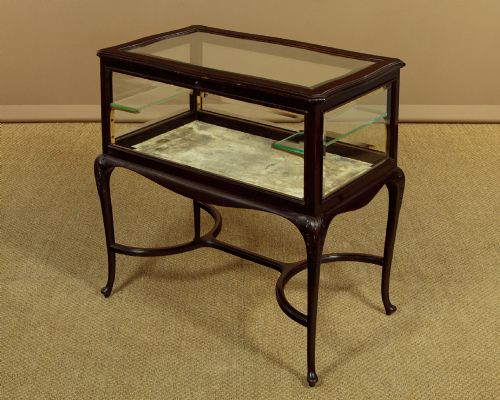


Edwardian Curio Table
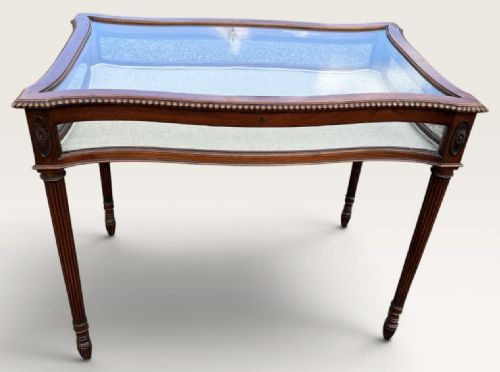
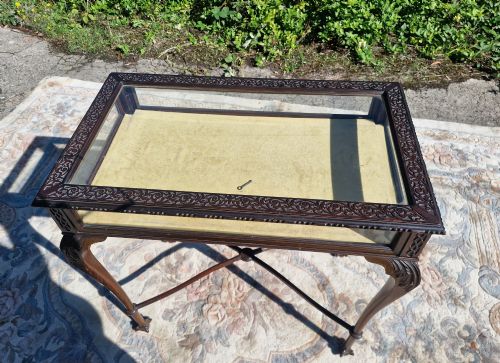
An Edwardian curio table is a glazed display piece designed to show small treasures, and these examples combine timber frames with glass tops for interior display.
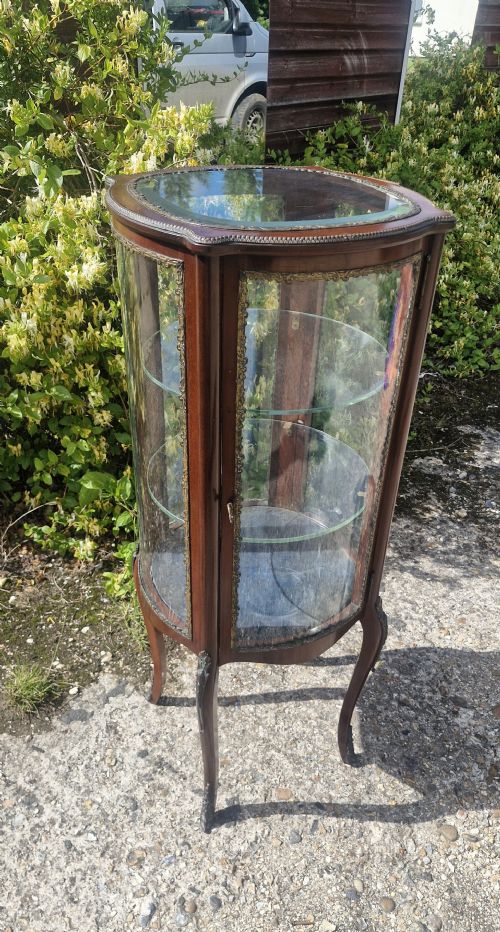
Edwardian Curio Table
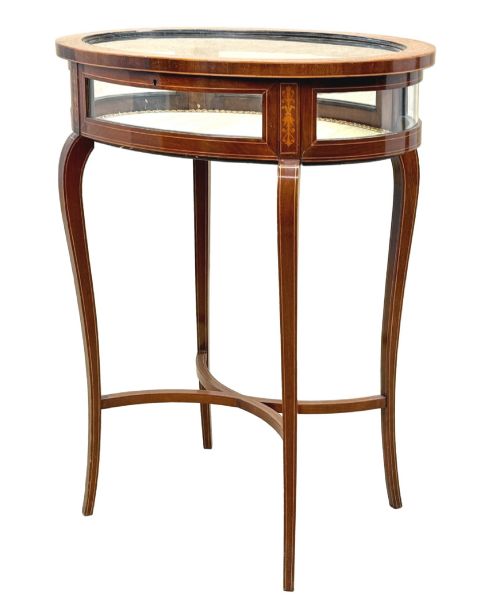
An edwardian curio table serves as a dedicated vitrine for displaying small collections, jewellery, and curiosities beneath glass. Buyers encounter forms ranging from serpentine and oval shapes to kidney-shaped cabinets and table-top display cases originating predominantly from the Edwardian era and the late nineteenth century.
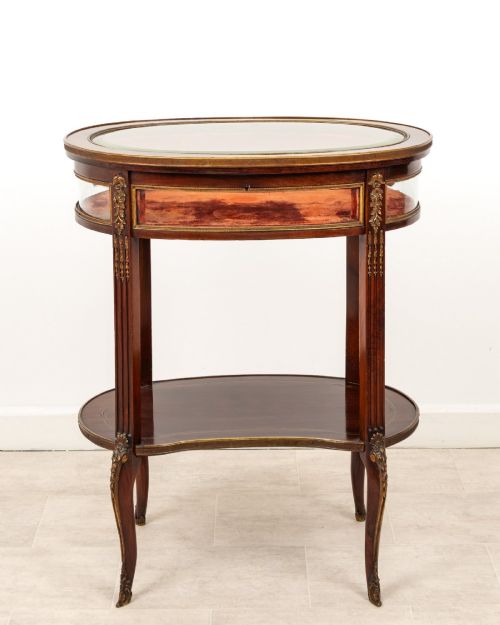
The objects combine the functions of a display table and a cabinet, utilising glazed tops and sides to allow light into the interior chamber. Pieces vary from small English tables to elaborate French revival designs.
Materials and Construction
Frames rely primarily on mahogany, satinwood, and rosewood timbers, frequently enhanced by intricate marquetry or brass inlay. Ormolu mounts and gilt metal fittings adorn the corners and legs of many pieces, framing the glass panels.
Makers integrated hinged or lifting glass lids lined with fabric or velvet to protect the contents within the display well. Glazing is secured within wooden or brass frameworks designed to support the weight of the transparent top.
Several tables feature hidden velvet depths waiting to host forgotten collections of Victorian curios.
Craftsmanship and Proportion
Quality separates simple utility pieces from finer items through the precision of timber selection, such as burr walnut or figured satinwood, and the crispness of inlaid details. Ormolu mounts cast with sharp definition and substantial weight elevate a piece above standard production.
Structural harmony in curved forms, such as kidney-shaped or serpentine profiles, dictates the architectural success of the table. The integration of the glass lid with the surrounding woodwork reveals the care taken by the cabinetmaker.
Edwards and Roberts
The Edwardian Curio Table Glossary
- Bijouterie table
- A specialised display table with a glass top and sides intended for holding small ornaments or jewellery.
- Vitrine
- A glass-fronted or glass-topped cabinet used for displaying fine objects and curiosities.
- Ormolu
- Gilt bronze mounted onto furniture as decorative hardware and trim.
- Marquetry
- Decorative woodwork where pieces of veneer are fitted into a ground to form floral or geometric patterns.
- Kidney shaped
- A curved furniture top resembling the outline of a kidney, popular in refined writing and display tables.
Edwardian Curio Table: Frequently Asked Questions
What is an edwardian curio table used for?
These tables were created to display delicate personal collections, medals, and jewellery under protective glass while keeping them visible in a drawing room.
The glass top allows light to enter the lined compartment, turning the contents into a permanent tabletop exhibition.
How do I distinguish an Edwardian piece from a Victorian one?
Edwardian examples tend to display lighter satinwood, finer marquetry, and influences from the Sheraton revival style. Victorian versions frequently utilise heavier mahogany or rosewood with denser carving and darker finishes.
Looking at the timber grain and the style of any brass or ormolu mounts helps confirm the period of manufacture.
Are the interiors lined with fabric?
Many examples retain velvet or fabric linings inside the display well to cushion small items and jewellery. Original textiles show age and wear that match the exterior timber.
Replacements occur when previous owners refresh the interior presentation for modern display use.
Can these tables support heavy items?
The glass tops and internal trays are engineered for lightweight collectibles, coins, and small ornaments rather than heavy bronze or ceramic objects. The structural strength lies in the timber frame and legs, while the glass serves primarily as a viewing window.
Overloading the internal well risks damaging the fabric base and stressing the hinges of the lid.