


Antique Glass Vitrine Table
An antique glass vitrine table puts small treasures on display beneath clear glass, blending the utility of a surface with the theatre of a cabinet.

Antique Glass Vitrine Table
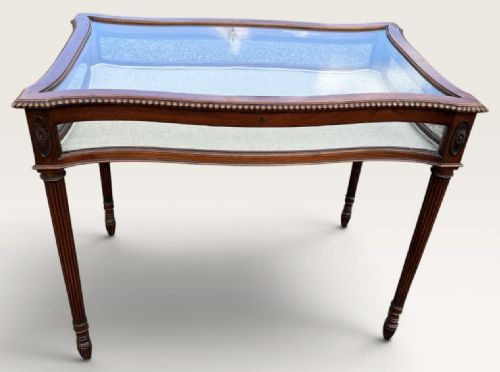
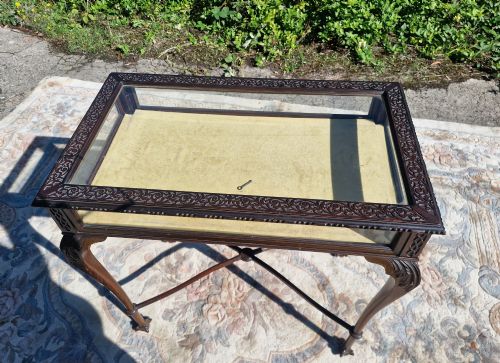
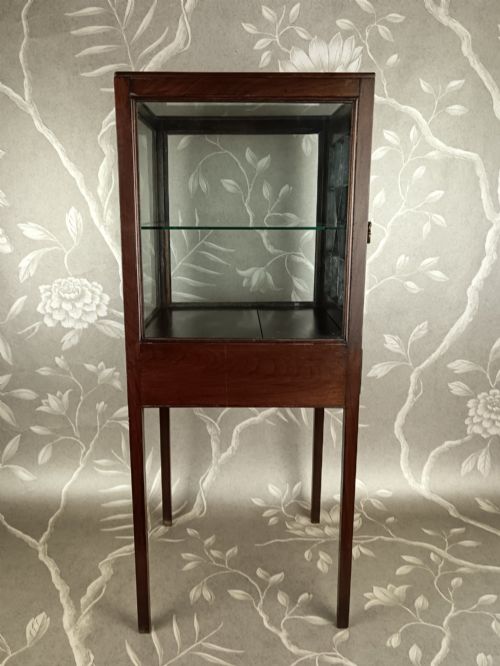
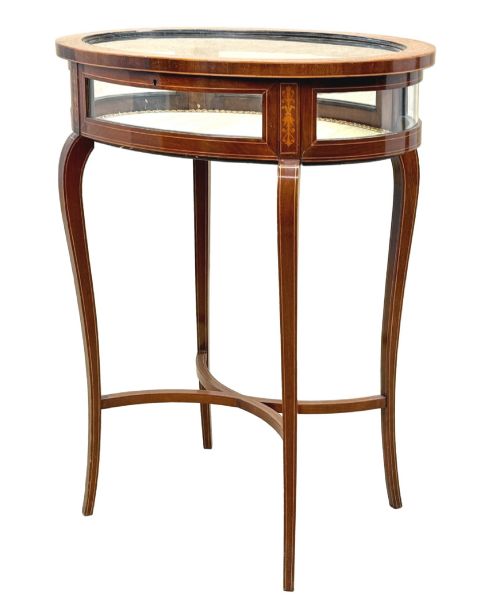
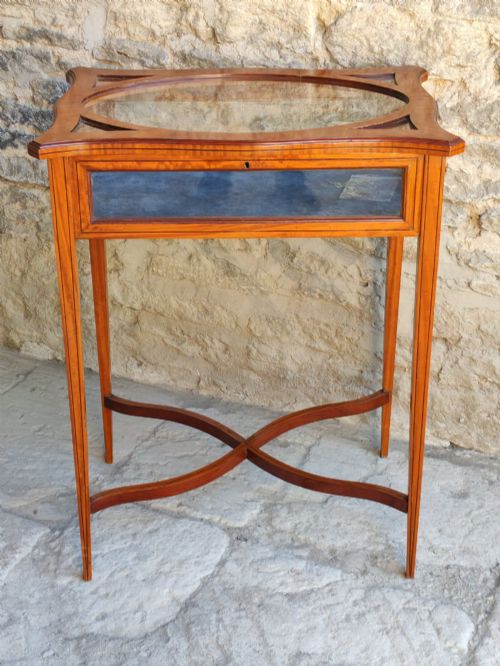
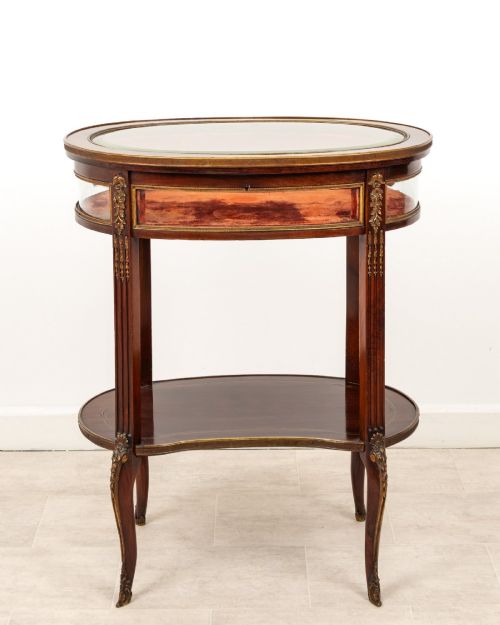
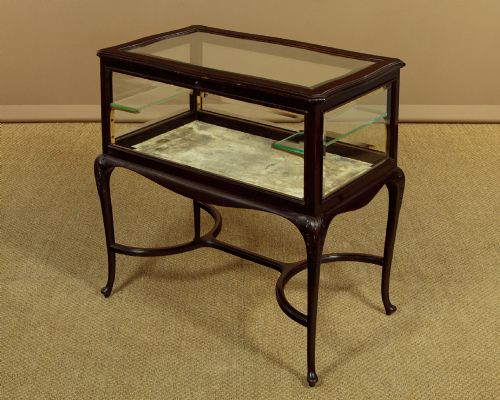
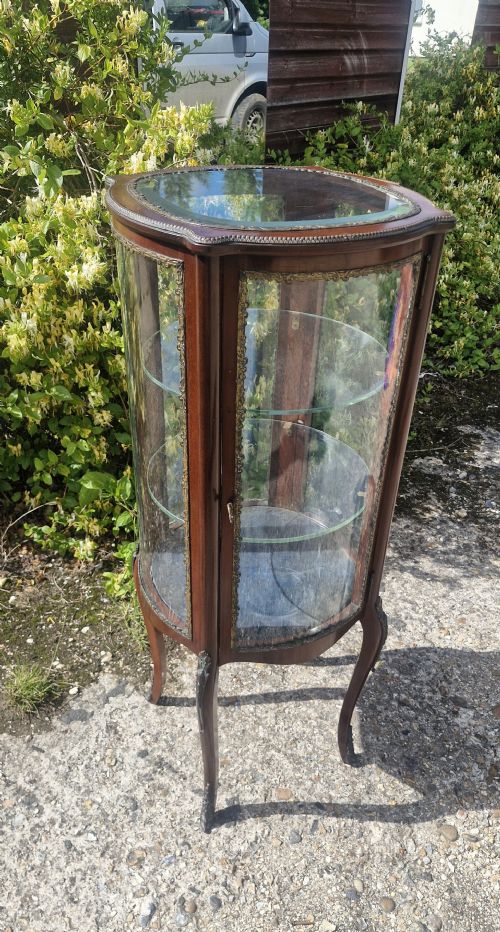
When you search for an antique glass vitrine table, you are looking at specialised display furniture designed to showcase personal collections, jewellery and curiosities. These pieces combine a glazed display compartment with supportive legs, functioning simultaneously as a functional table and a secure showcase.
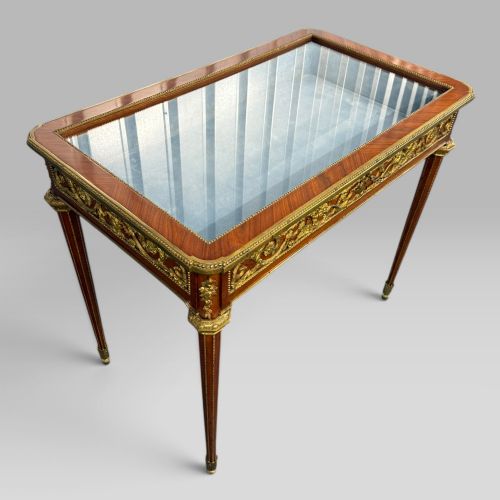
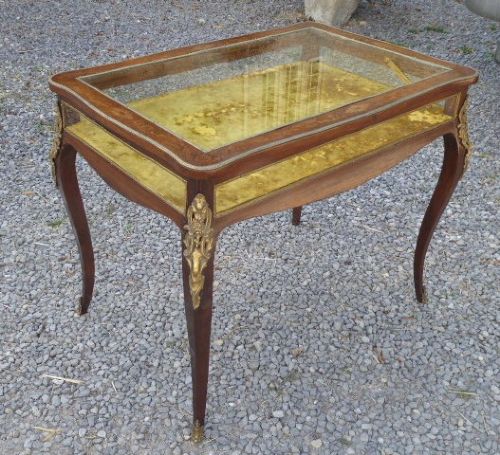
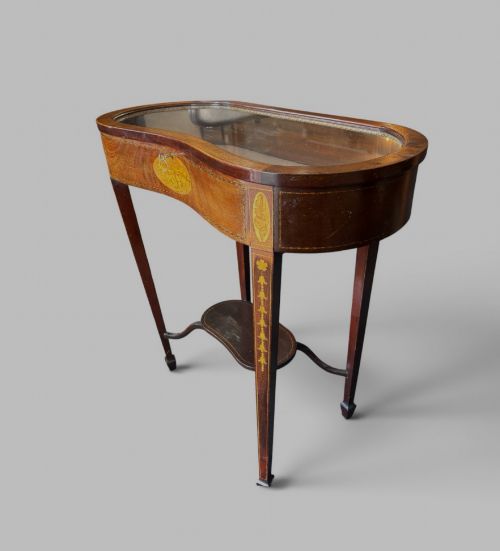
The versions most likely to be met on this page originate predominantly from the Victorian and Edwardian eras, alongside French revival pieces from the nineteenth century. Common forms span serpentine, oval, kidney and rectangular shapes, constructed to sit comfortably within a drawing room or parlour.
Design vocabulary for these items often overlaps with terms like bijouterie tables or display cabinets. They serve the dual purpose of keeping small objects visible yet protected from dust and handling.
Materials and Construction Methods
Cabinetmakers utilised timber frameworks of mahogany, satinwood, kingwood and rosewood to construct the main bodies of these display tables. Inlaid veneers, boxwood stringing and marquetry details frequently enrich the outer woodwork, particularly on Edwardian and later nineteenth-century examples.
Glazing forms the central visual component, enclosing the display well on top and occasionally down the sides. Metal mounts in brass, ormolu and gilt-bronze frame the glass panels and accentuate the structural lines of French and English models alike.
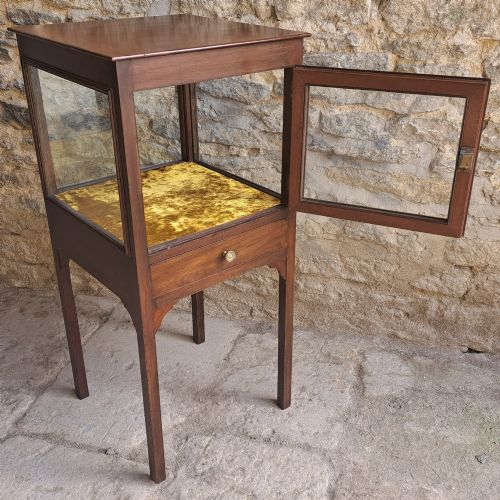
Interior surfaces are typically lined with velvet or other fabrics to cushion displayed items. Hinged lids or glazed doors provide access to the velvet-lined wells, allowing the contents to be arranged with care.
Current listings feature pieces spanning the Georgian era through to the 1930s, constructed predominantly in mahogany with glass, brass and velvet.
Assessing Craftsmanship and Distinction
The standard of timber selection and inlay precision dictates the visual weight of the piece. Finely figured mahogany or intricate marquetry on kingwood demonstrates superior workshop capability compared to plain, unadorned carcases.
Metalwork execution separates standard production from exceptional examples. Cast ormolu and gilt-bronze mounts with crisp chasing and secure fixing elevate the decorative merit, whereas simple brass edging marks simpler utilitarian items.
The Antique Glass Vitrine Table Glossary
- Vitrine
- A glass-fronted or glass-topped cabinet designed for displaying objects of art or curiosity. The term derives from the French word for glass.
- Bijouterie table
- A shallow display table with a glazed top, traditionally used for holding jewellery, trinkets and small valuable items. It allows the contents to be viewed from a standing position.
- Ormolu
- Gilded bronze used for decorative mounts and furniture fittings during the eighteenth and nineteenth centuries. The technique involves applying a mercury-gold amalgam to bronze.
- Marquetry
- Decorative veneer work arranged in pictorial or geometric patterns using various coloured woods. Craftsmen cut contrasting veneers to fit precisely within a prepared design.
- Kidney shape
- A curved, asymmetrical furniture form resembling a kidney bean, popular in writing desks and display tables of the Edwardian period.
Antique Glass Vitrine Table: Frequently Asked Questions
What were antique glass vitrine tables used for?
These tables served as surface furniture and display cases in Victorian and Edwardian drawing rooms. Owners placed portrait miniatures, pocket watches, medals and fine trinkets inside the glazed well for guests to admire.
The glass top protected delicate items from dust and handling while keeping them in plain sight during social gatherings.
How do I tell an Edwardian vitrine from a Victorian one?
Edwardian examples tend to feature lighter timbers like satinwood, subtle stringing and delicate inlay work. They often adopt airy proportions suited to brighter twentieth-century interiors.
Victorian pieces frequently rely on heavier mahogany or exotic woods like kingwood, accompanied by robust brass or ormolu mounts and deeper display wells.
How do I care for the fabric lining inside the table?
The velvet or fabric lining inside the display well should be kept away from direct sunlight to prevent fading. Vacuum gently with a soft brush attachment if dust accumulates on the textile.
Avoid using liquid cleaners near the fabric or the surrounding timber framework to protect the historic adhesives and wood finish.
Can I place a lamp on top of a bijouterie table?
Putting heavy objects or lamps on a glazed display top risks cracking the glass and straining the delicate hinges. These tables are built to support light decorative items rather than heavy household equipment.
It is best to keep the glass surface clear so the contents inside remain the primary visual focus.