
Edwardian Crystal Light
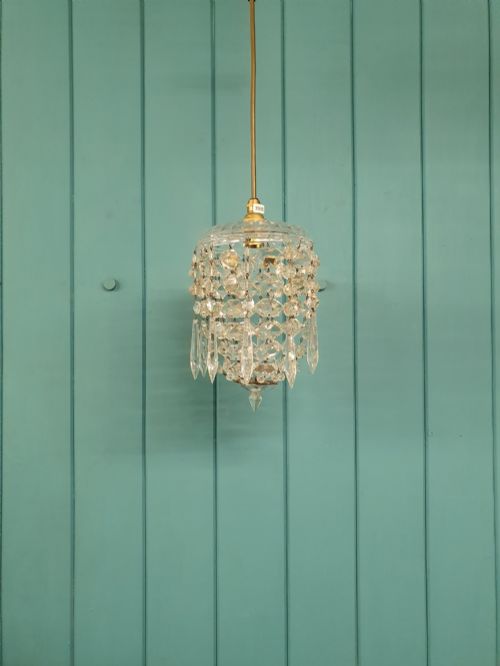
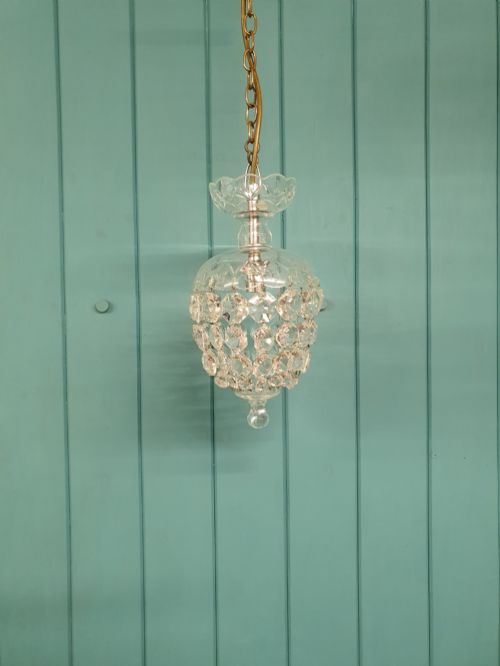
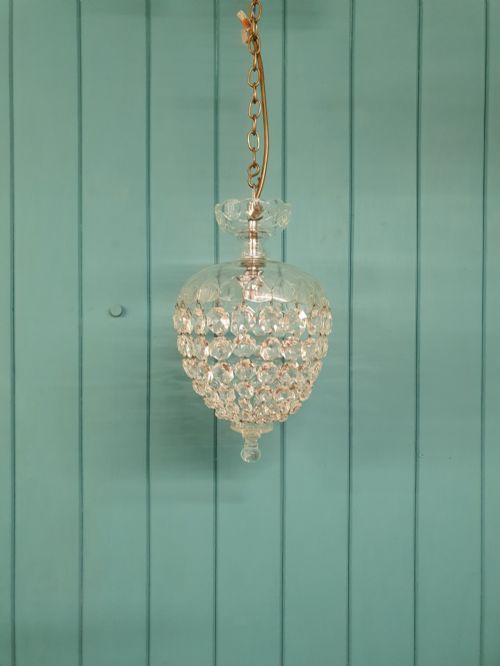
When you search for edwardian crystal light, you enter a world of brass frames and cut glass prisms designed to catch and refract light.
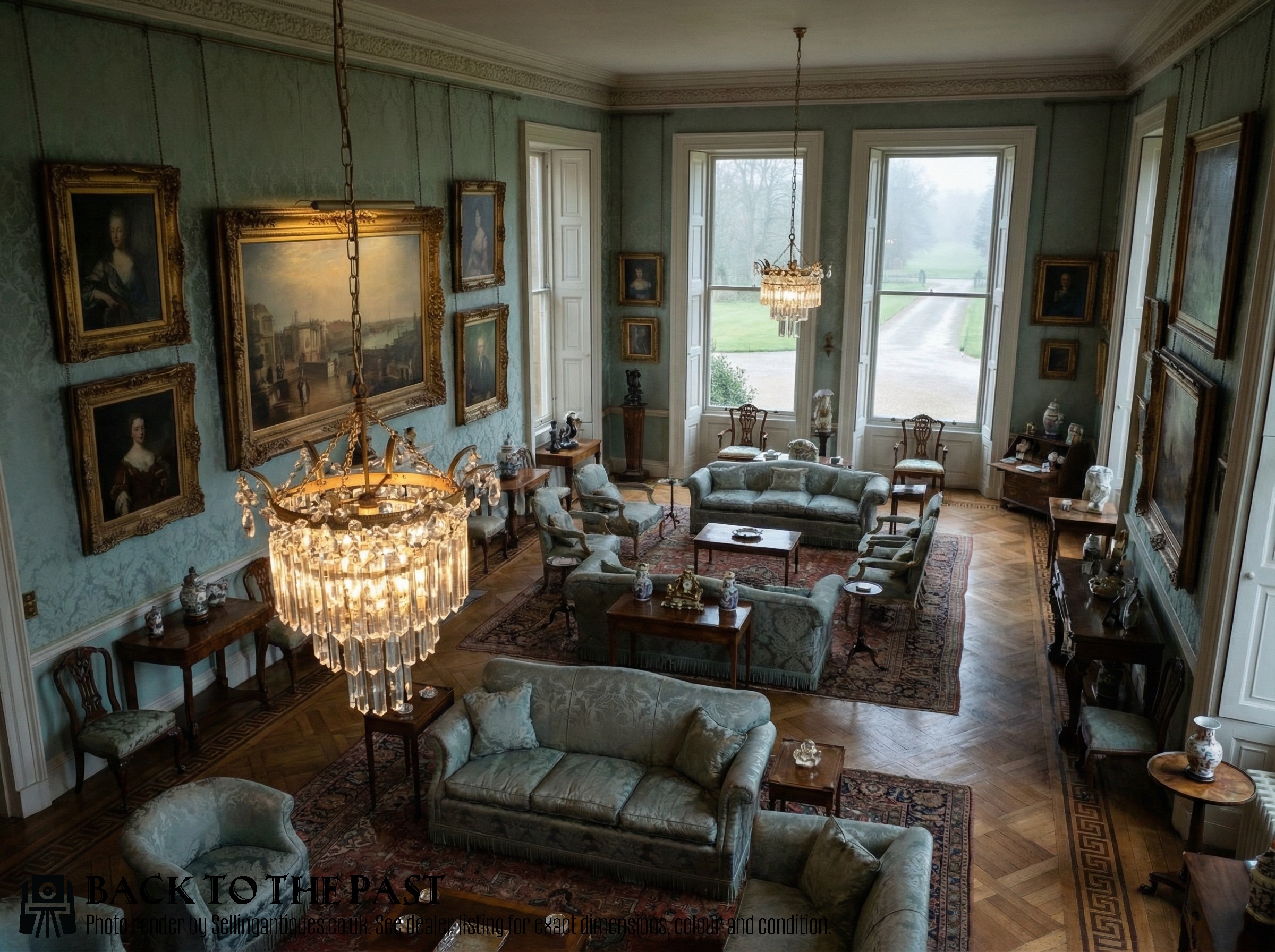
Edwardian Crystal Light
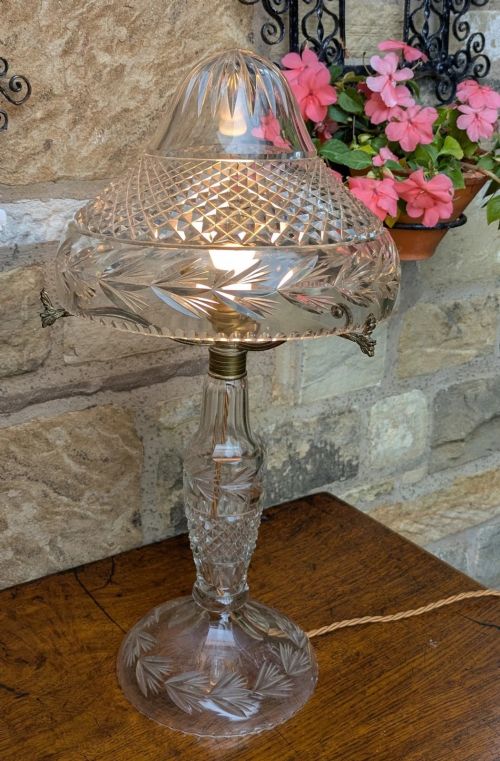
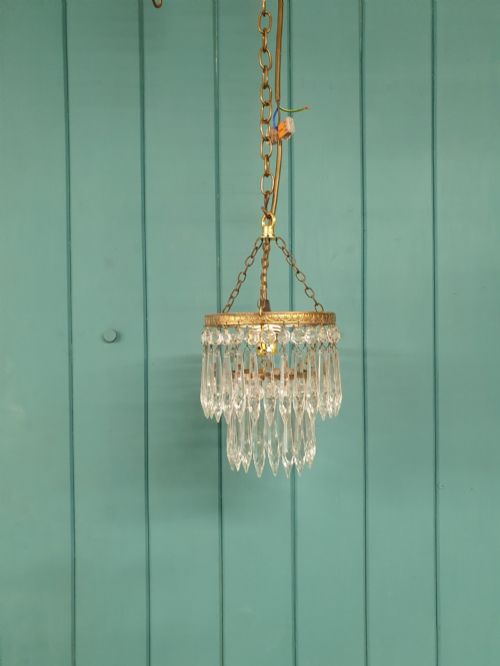
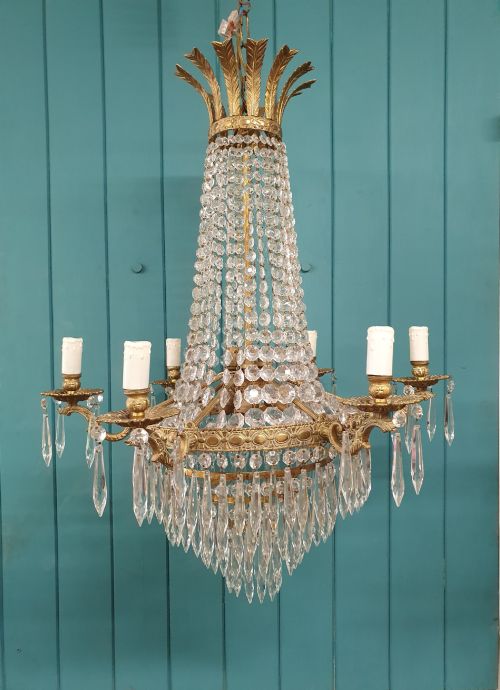
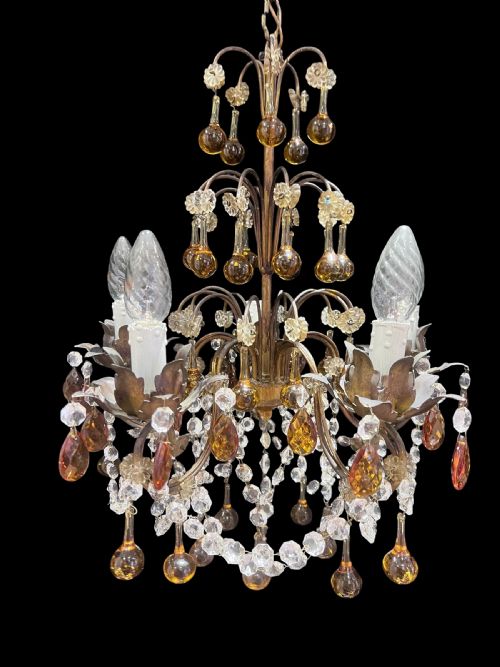
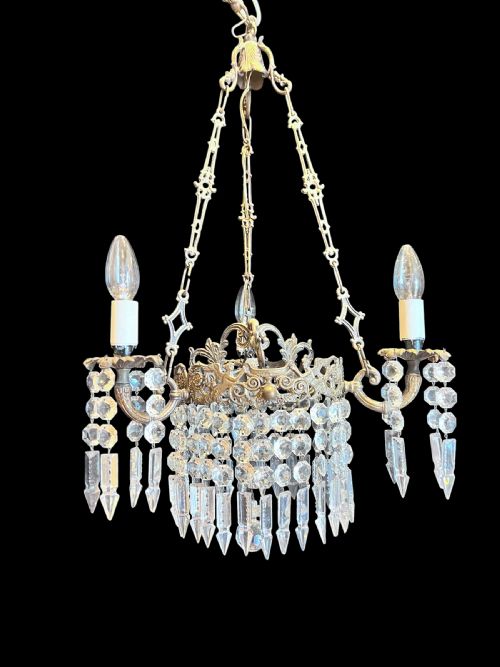
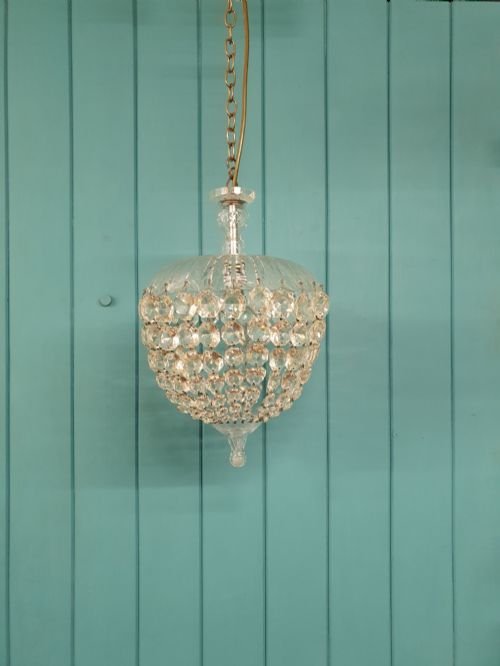
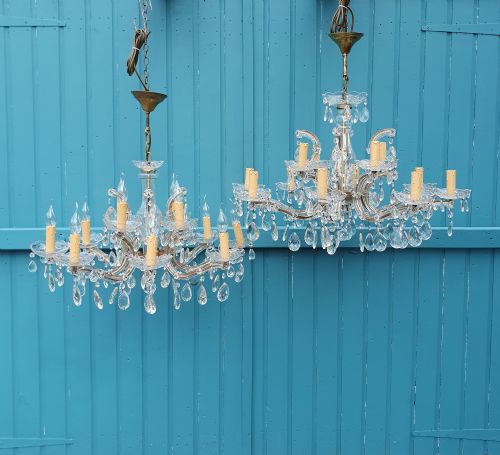
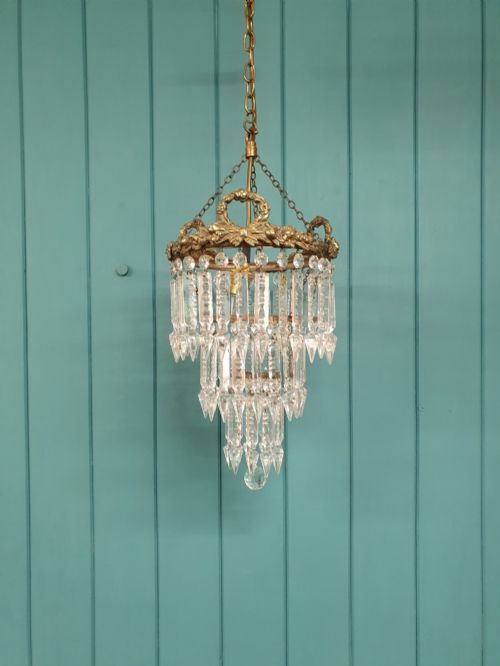
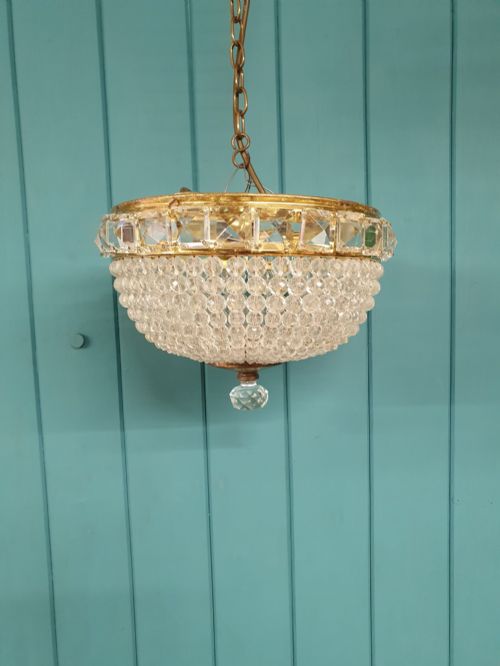
An edwardian crystal light encompasses a variety of hanging and stationary illumination forms, from multi-armed chandeliers to ceiling-mounted plafonniers and wall lights.
The objects derive largely from the Edwardian era and the early twentieth century, utilising brass and gilt bronze frameworks to support cut glass and lead crystal elements.
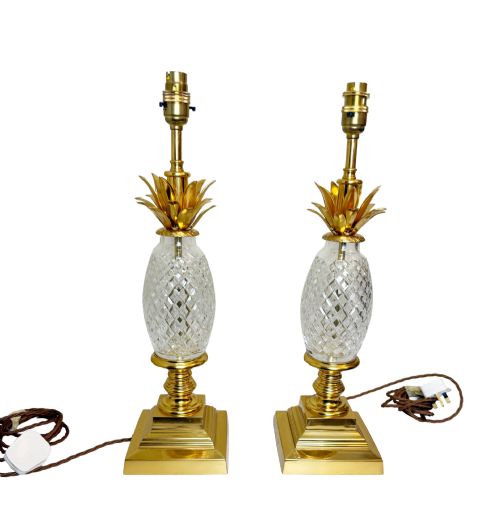
Table lamps, oil lamps, and mantel lustres also appear within this category, reflecting the diverse domestic lighting needs of the period.
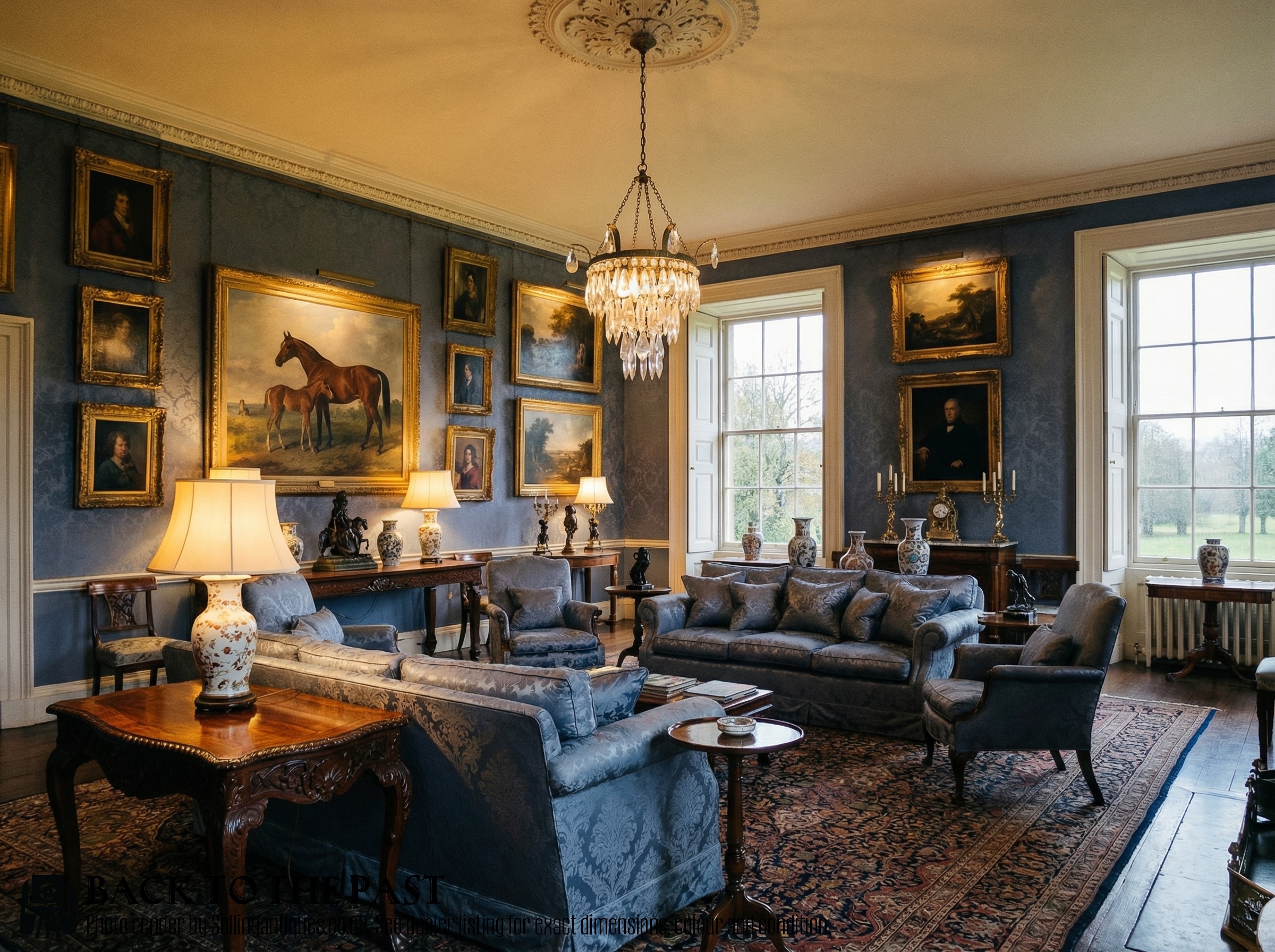
How they were made
Brass and gilt bronze form the structural backbone of these fixtures, shaped into frames, bands, and decorative mounts.
Cut glass and lead crystal components, including beads, pendants, prisms, and drops, are suspended from the metal armatures to disperse illumination across a room.
Edwardian Crystal Light Retail Price Guide 2026
Typical asking prices for edwardian crystal light among the pieces listed under this phrase on Sellingantiques today, from the lower quarter to the upper quarter. They describe what is for sale here now, not the wider market.
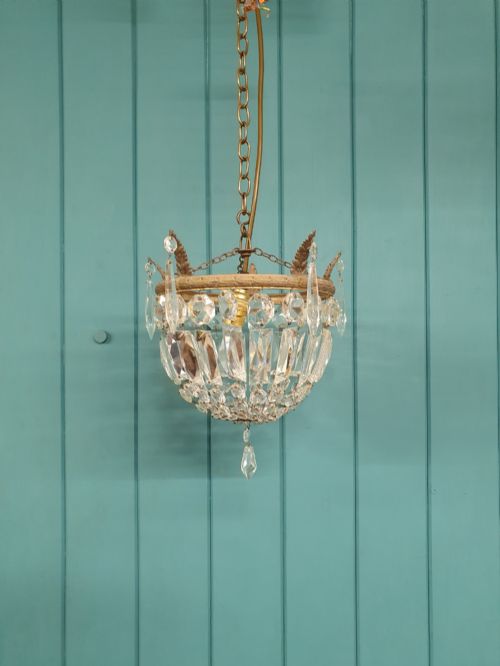
Prison bag lights offer a delightfully severe name for a very sparkly object.
What varies in quality
The refinement of the metalwork, from plain brass bands to cast details such as lion masks, dictates the initial grade of the mounting.
The depth of the cutting and the clarity of the crystal components differentiate standard production pieces from more ambitious decorative examples.
F. and C. Osler
The Edwardian Crystal Light Glossary
- Plafonnier
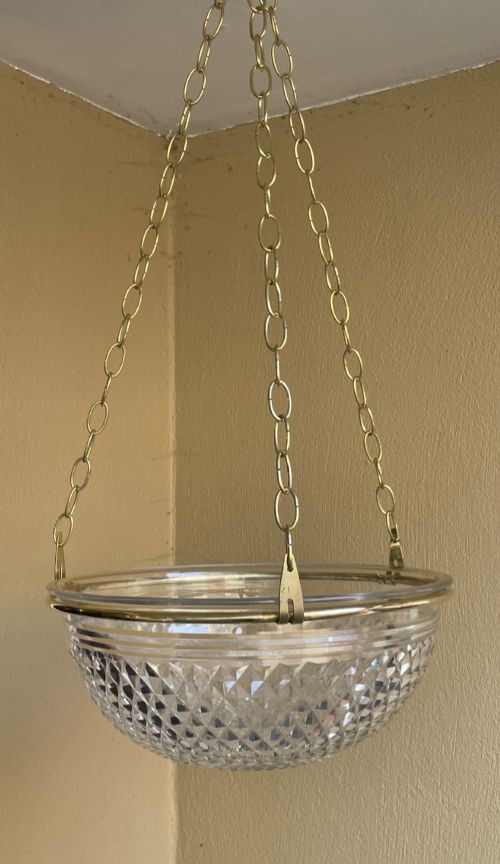
- A ceiling-mounted light fixture that sits close to the surface rather than hanging on a suspension chain. These often feature shaped glass bowls or domes held in metal galleries.
- Lustre
- A decorative tabletop or mantel object adorned with hanging glass pendants, designed to catch candlelight or daylight. They share the prismatic vocabulary of larger chandeliers.
- Bag chandelier
- A lighting fixture featuring a flattened or tapered lower section composed of dense rows of crystal beads. The form creates a cascading profile beneath a brass frame.
- Spike chandelier
- A vertical lighting form characterised by central upward-pointing glass or metal elements. The design creates a distinct silhouette within early twentieth-century interiors.
- Gallery
- The metal ring or mount that secures a glass shade or globe to the ceiling fixture. Original galleries often bear registration marks from the period.
Edwardian Crystal Light: Frequently Asked Questions
How do I hang a heavy brass chandelier?
Hanging a heavy fixture requires securing it directly to a ceiling joist or structural noggin using a suitable steel hook. The weight of brass and crystal demands professional installation to ensure safety.
Electrical connections must be checked by a qualified person before operating the light.
Are these lights compatible with modern bulbs?
Most antique fixtures can accommodate modern LED bulbs with standard screw or bayonet cap fittings, provided the dimensions fit within the glass shades or drops. Consulting an electrician ensures the internal wiring meets safety standards.
Rewired examples often retain their original galleries while incorporating updated internal components.
How should I clean crystal drops?
Cleaning crystal elements involves removing the individual drops and washing them in lukewarm water with mild soap. Drying each piece with a soft cloth prevents water spots and restores the refractive clarity.
Leaving the drops attached while cleaning risks damaging the delicate wire loops that secure them to the frame.
How do I identify an Edwardian ceiling light?
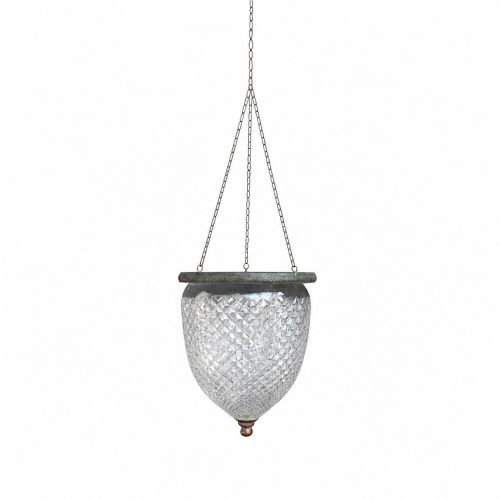
An Edwardian ceiling light often displays characteristic brass mounts, cut crystal beads, and specific shade shapes like globes or pineapple forms. Examining the construction methods and metal patination helps confirm the period.
Registration marks on brass galleries also provide clues to the manufacturing date.