


Edwardian Crystal Carafe
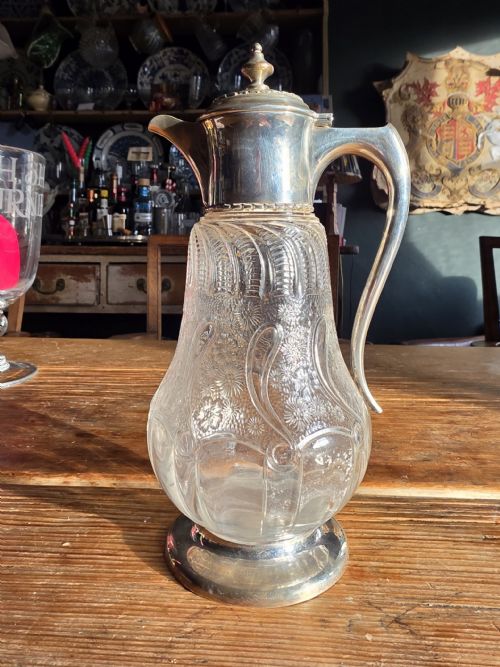
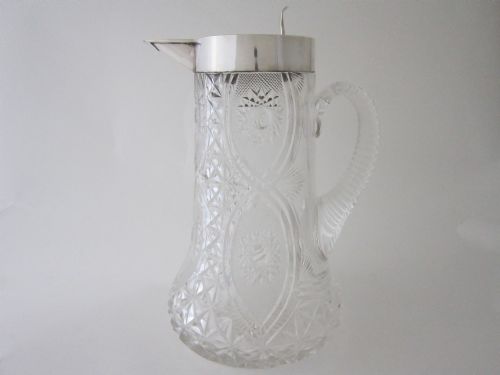
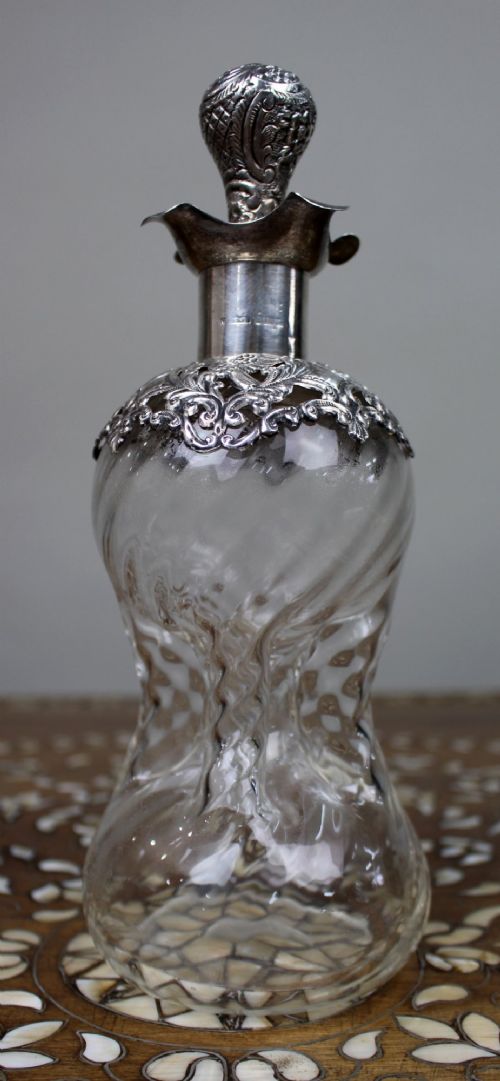
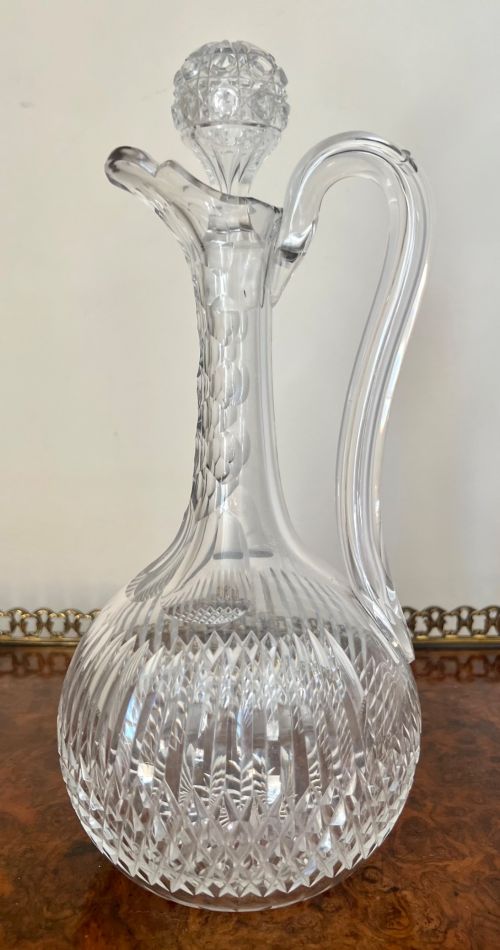
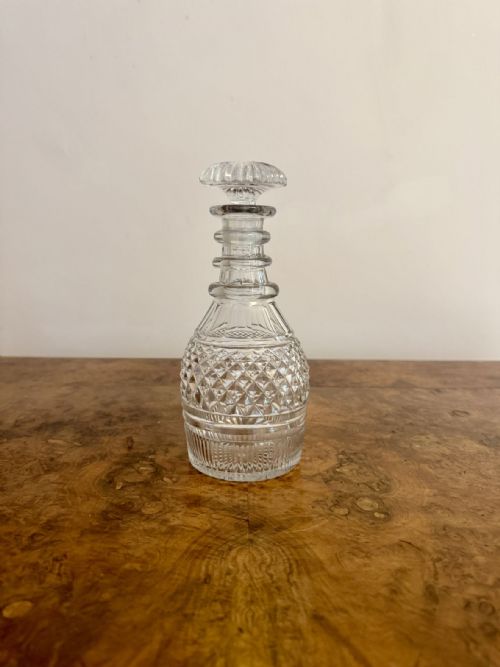
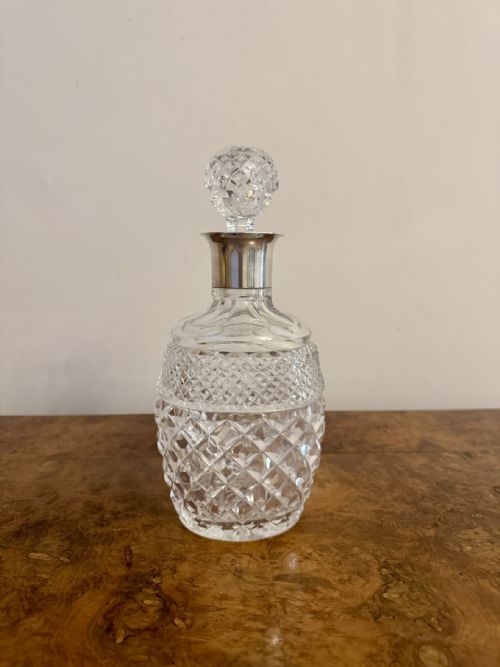
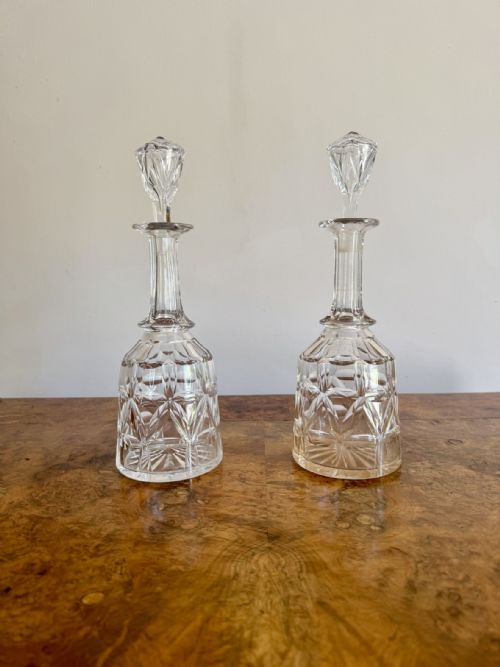
An edwardian crystal carafe brings tactile weight and bright refraction to the table, combining heavy cut glass with polished metal.
Edwardian Crystal Carafe
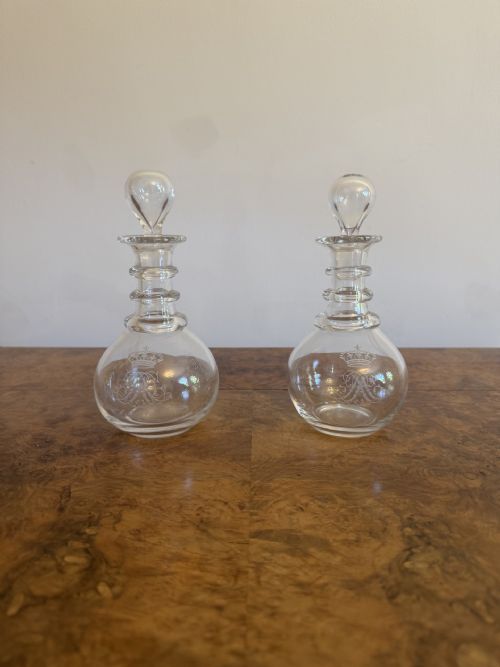
The edwardian crystal carafe category encompasses functional serving vessels intended for wine, spirits and water, originating primarily around the turn of the twentieth century. These objects bridge the gap between utility and display, designed to sit upon dining tables and sideboards.
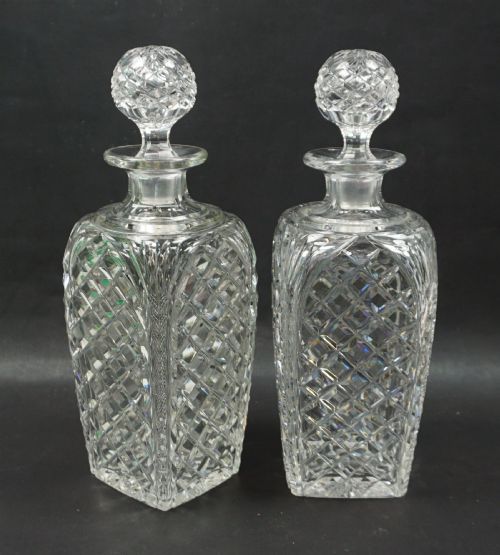
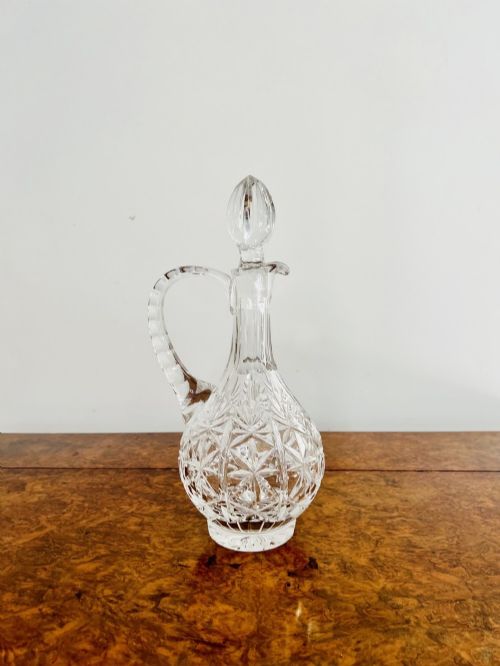
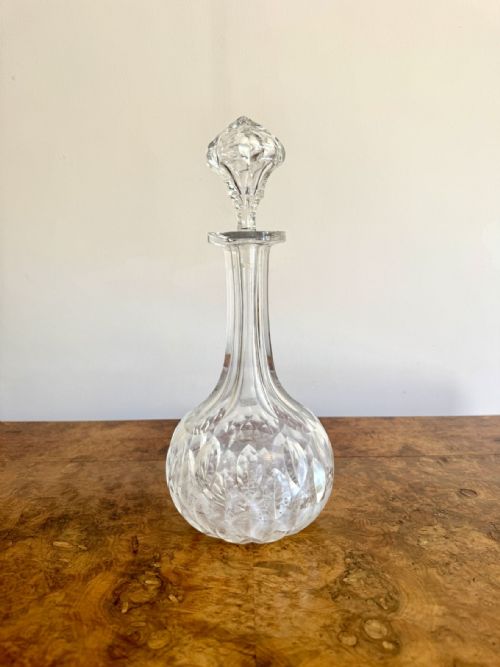
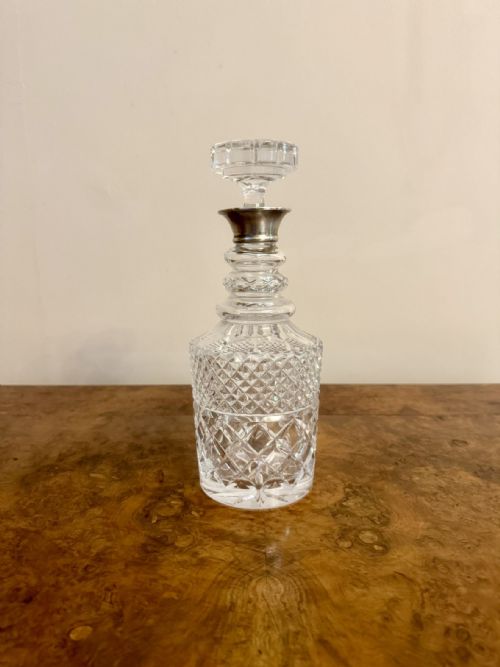
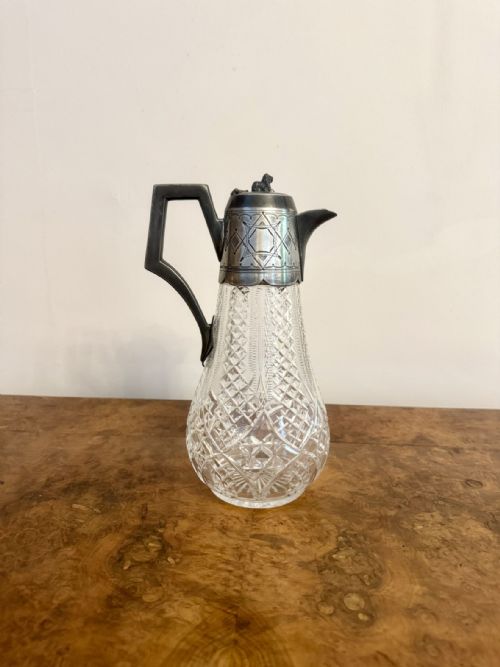
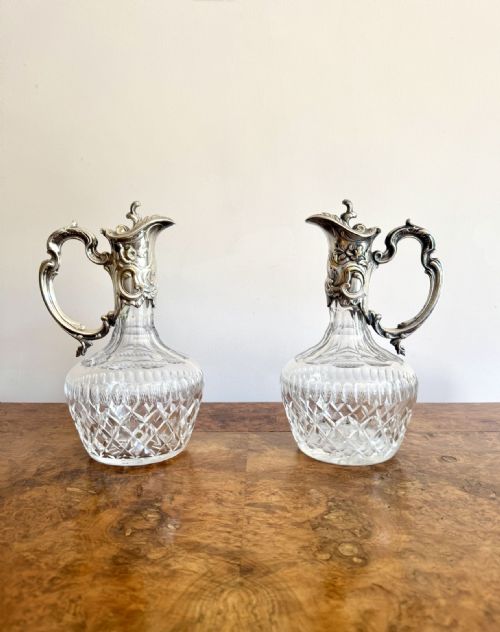
Most examples appearing here take the form of decanters, claret jugs and ewers. Bell-shaped bodies, square section tapered profiles and cylindrical whisky bottles dominate the selection, frequently paired with matching glasses or stoppers.
Judging Quality and Execution
The crispness of the glass cutting dictates visual distinction, where sharper facets yield superior light refraction. Heavy blank thickness and substantial overall weight indicate a higher grade of lead crystal usage.
Refinement in the metal mounts separates standard vessels from finer productions. Securely fitted silver collars and well-balanced handles demonstrate careful assembly by contemporary silversmiths.
The listings span multiple centuries, capturing Victorian amethyst glass alongside Edwardian cut crystal and George V silver-mounted bottles.
James Powell
The Edwardian Crystal Carafe Glossary
- Lead crystal
- Glass containing a significant proportion of lead oxide, which increases brilliance, weight and workability for cutting. This material allows for deeper facets than standard soda-lime glass.
- Claret jug
- A specialised pouring vessel designed specifically for serving red wine. These items frequently feature silver plated or sterling silver mounts and hinged lids.
- Ewer
- A large pitcher with a wide spout and an arched handle. The form descends from Renaissance metalware and adaptation into glass occurred widely during the Edwardian era.
- Silver collar
- A metal band fitted around the neck of a glass bottle or decanter. It often bears hallmarks indicating the assay office, metal purity and year of manufacture.
Edwardian Crystal Carafe: Frequently Asked Questions
What is an edwardian crystal carafe used for?
These vessels served to decant and present wine, whisky and other spirits at the dining table. They allowed hosts to pour beverages cleanly while displaying the clarity and colour of the liquid inside.
Beyond dining use, they functioned as decorative objects on sideboards and drinks cabinets. The combination of cut glass and silver mounts reflected the formal hospitality standards of the period.
Are silver mounts hallmarked?
Many silver collars and hinged covers carry full British hallmarks stamped directly into the metal. These marks indicate the maker's mark, standard of purity, assay office and date letter.
Unmarked mounts occasionally occur, frequently composed of silver plate rather than solid sterling silver. Examining the interior of the collar often reveals the method of attachment to the glass neck.
How should I clean my decanter?
Gentle hand washing with warm water and mild detergent preserves the integrity of both the crystal and the vintage metal mounts. Abrasive brushes should be avoided to prevent scratching the polished surfaces.
Allowing the vessel to air dry completely upside down prevents moisture retention inside the narrow neck. Metal polish must be kept away from the glass to avoid staining the surrounding facets.