


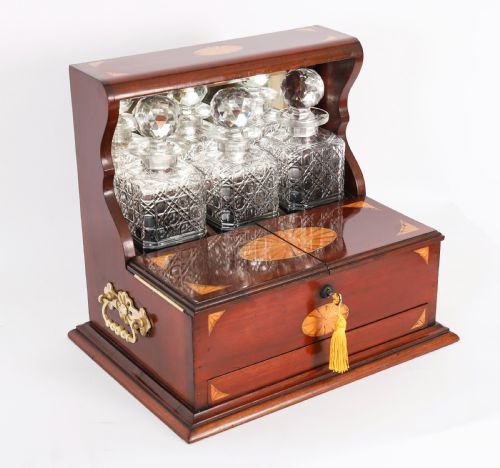

Edwardian Crystal Bottle
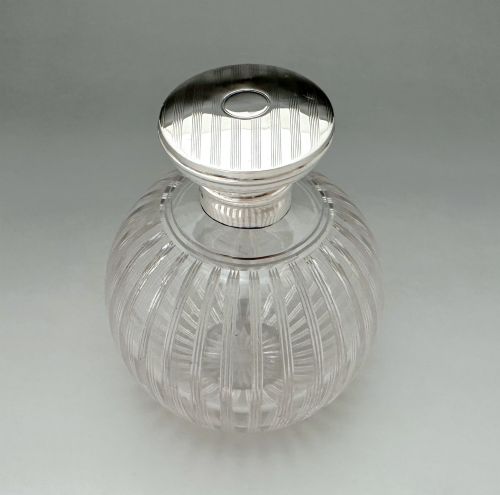
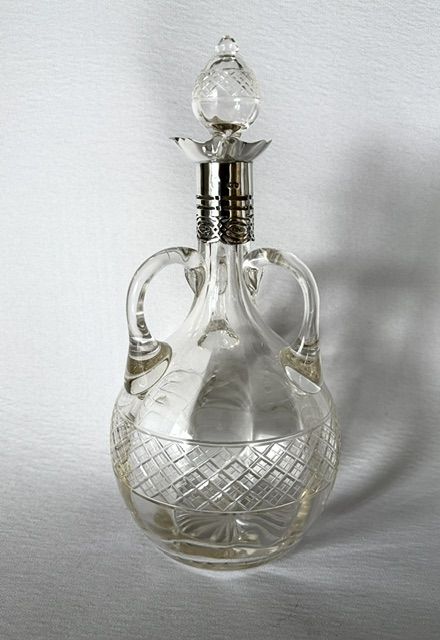
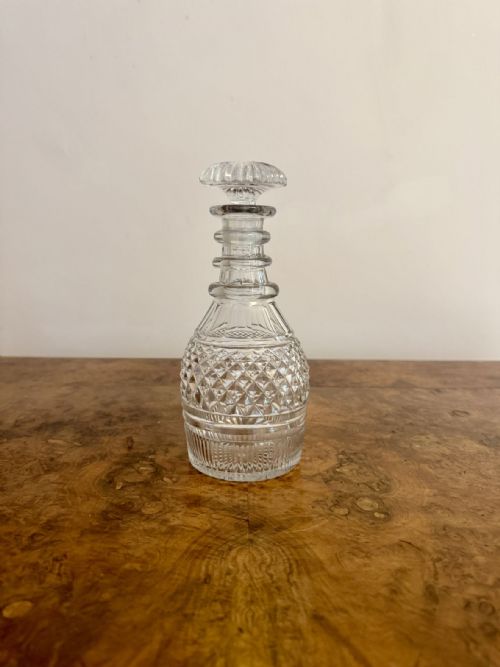
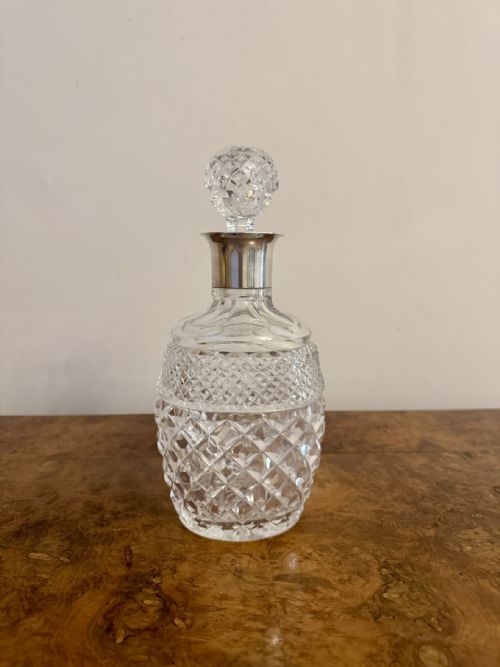
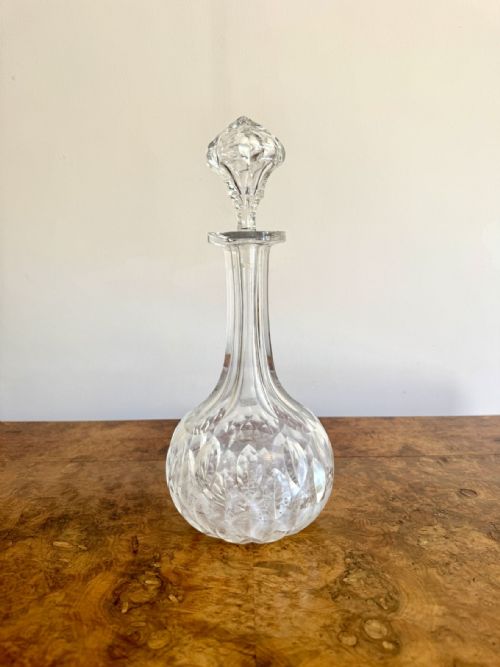
An edwardian crystal bottle brings heavy cut glass and sterling silver together on a dressing table or sideboard.
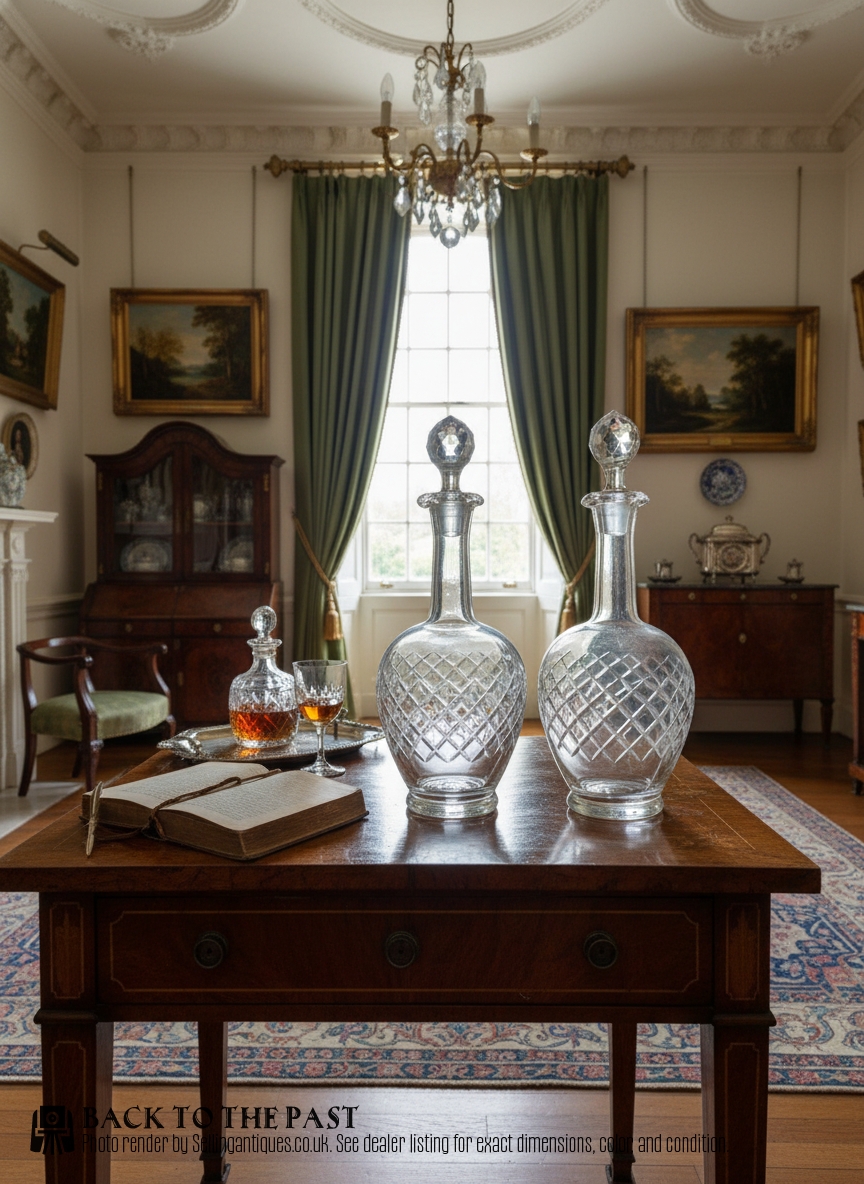
Edwardian Crystal Bottle
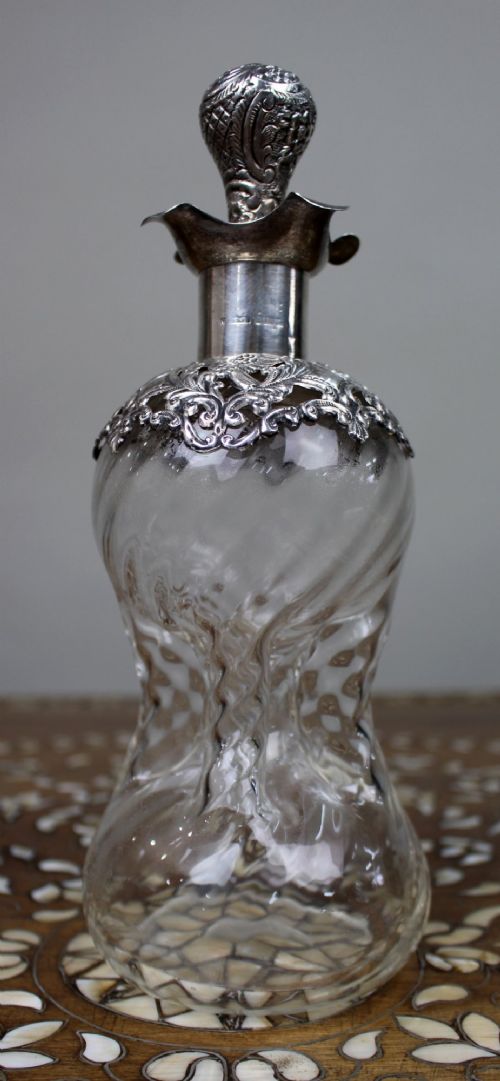
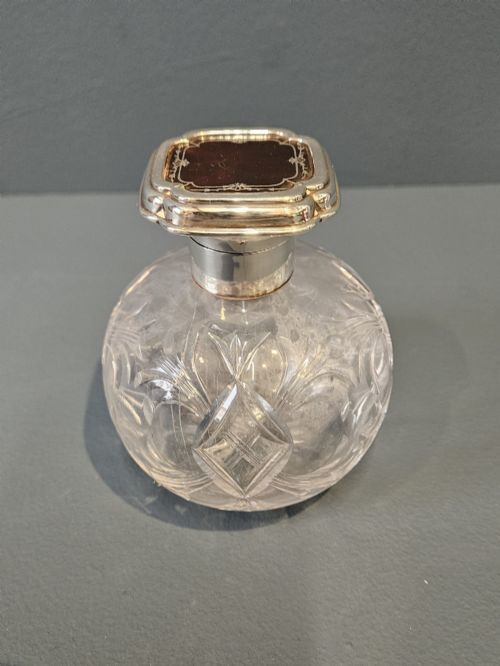
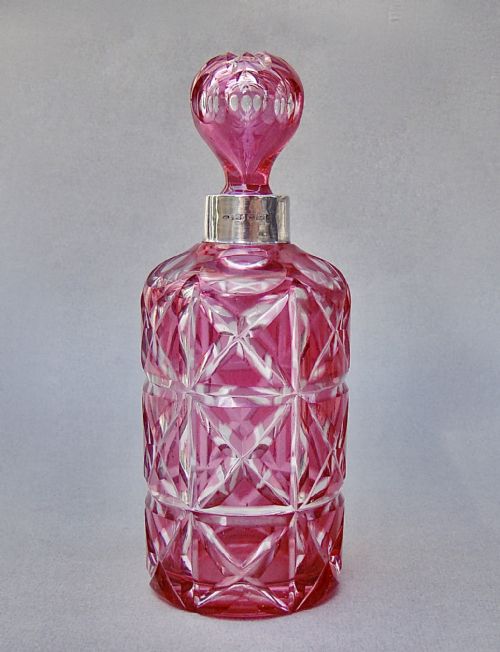
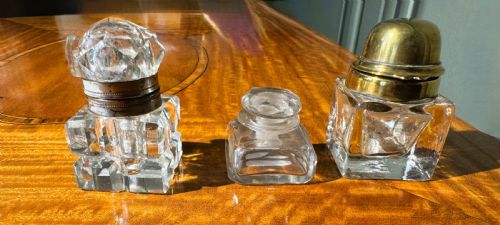
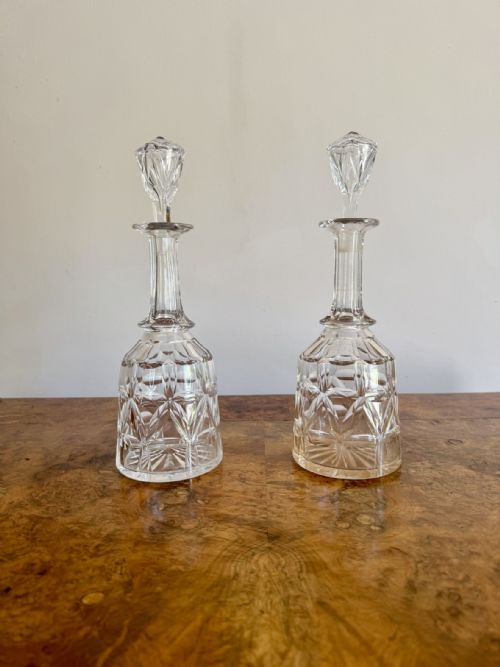
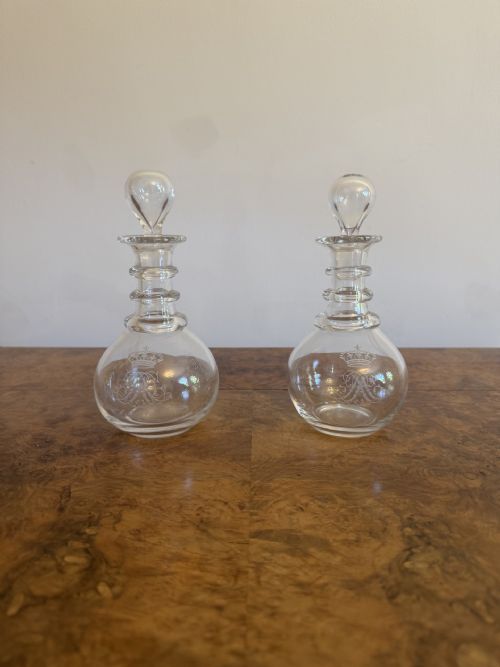
When you search for an edwardian crystal bottle, you encounter vessels produced around the turn of the twentieth century for holding scent, cologne or spirits. The pieces appearing most frequently take the form of decanters, perfume bottles and inkwells, often mounted with sterling silver collars or hinged lids.
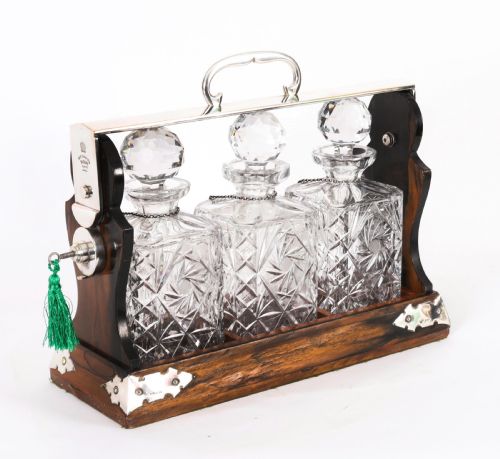
Makers of the period also housed these vessels within larger frames, producing three-bottle tantalus sets in oak, coromandel or satinwood alongside pairs of cruet bottles. While the core era is Edwardian, related examples stretch back into the Victorian period and forward through George V and Art Deco iterations.
How They Were Made
The glass elements rely on lead crystal or cut glass, shaped by blowing into moulds or forming free-blown vessels before artisans applied deep wheel-cut facets. Heavy cutting created the sharp geometric refraction characteristic of the style, whilst alternative pieces utilised optical blowing to achieve lighter, ribbed walls.
Metal mounts and collars required sterling silver or silver plate, frequently hallmarked with assay office details and maker marks. Workshops integrated these collars directly onto the glass necks, sometimes combining the crystal with guilloche enamel, tortoise shell or inlaid timber frames.
What Varies in Quality
The standard of an edwardian crystal bottle rests upon the depth and crispness of the glass cutting, alongside the weight of the metal used for the mount. Superior vessels display sharp, clean facets without softening, matched with heavy, substantial crystal bodies that sit squarely in the hand.
Enclosure mechanisms and hardware distinguish finer pieces, such as spring-loaded silver collars on scent bottles or fully functioning locking bars on a tantalus. The presence of clear hallmarks, maker stamps and integrated materials like enamel or tortoiseshell elevates the standing of an individual object.
Betjemann·Harold Bushell & Co·James Powell
The Edwardian Crystal Bottle Glossary
- Tantalus
- A locking wooden frame holding decanters securely so they cannot be removed without a key. This mechanism protected private spirit stocks from household servants.
- Guilloche enamel
- Decorative metalworking technique producing intricate geometric patterns beneath translucent coloured enamel. It appears frequently on the lids of dressing table scent bottles.
- Hallmark
- Official stamp applied to silver or gold indicating the metal standard, assay office, and year of testing. These marks provide reliable dating for the metal mounts.
- Cruet set
- A matched group of small glass bottles mounted together for holding condiments, oil or vinegar at the dining table. They frequently sit inside silver-plated frames.
- Collar
- The metal ring fitted around the neck of a glass bottle to secure a stopper or lid. This mount protects the rim from chipping during daily use.
Edwardian Crystal Bottle: Frequently Asked Questions
Were these bottles meant for display or daily use?
These vessels served practical domestic roles on dining sideboards, desks and dressing tables during the early twentieth century. Decanters held spirits for evening hospitality, while smaller scent bottles contained personal perfumes.
Today, collectors both display them as decorative objects and continue to utilise them for storing liquids. The robust nature of heavy lead crystal makes functional use entirely practical.
How can I tell an Edwardian bottle from a Victorian one?
Edwardian examples often display lighter, more restrained geometric cuts influenced by emerging taste, whereas Victorian pieces frequently feature heavier, deep-relief hobnail cutting or coloured glass bodies. Examining the silver hallmarks provides the most reliable date.
Design styles also offer clues, with the Edwardian era leaning towards crisp symmetry and Arts and Crafts simplicity compared to the ornate eclectic tastes of the late nineteenth century.
Why do some bottles have locking frames?
Locking frames, known as tantalus sets, were invented to secure expensive spirits from unauthorised access in busy Victorian and Edwardian households. The wooden bar locks over the stoppers so the decanters cannot be lifted out.
Only the owner holding the key could release the mechanism to pour a drink. This combination of security and display made them popular fixtures in gentleman's studies and dining rooms.