


Silver Rimmed Decanter
These silver rimmed decanter pieces combine glass and precious metal mounts for serving wine, offering both practical utility and period charm for your dining table.
Silver Rimmed Decanter
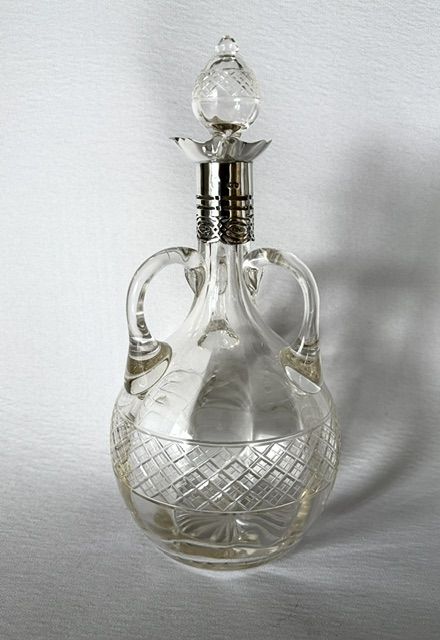
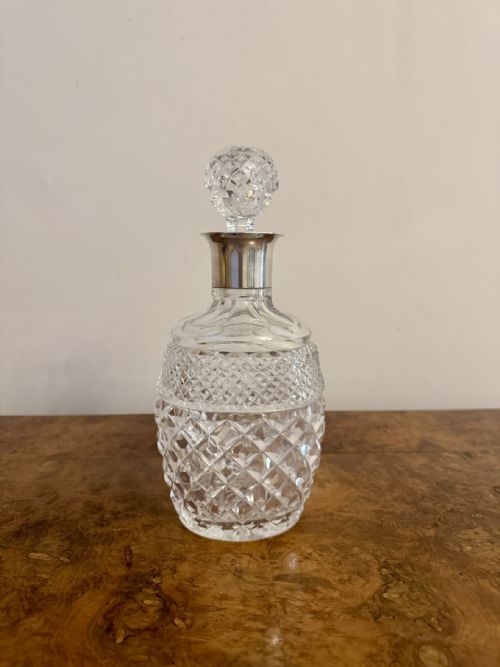
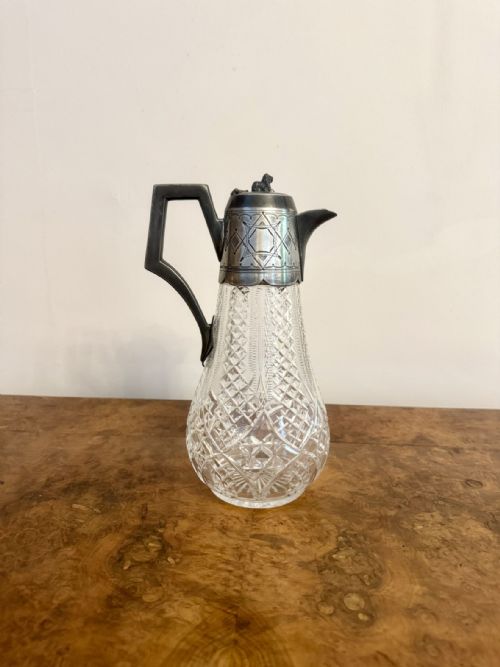
A silver rimmed decanter brings together heavy glassware and metal work, forming vessel designs intended for holding wine and spirits during dining. These objects appear in forms such as claret jugs, cordial ewers, and fitted spirit bottles.
The pieces on this page span several decades, reaching from the Victorian era through the Edwardian period into the Art Deco years of the twentieth century. Alongside standard bottle shapes, related drinks furniture such as silver plated and sterling silver coasters appear frequently in the selection.
Origins across the inventory lean towards English manufacture, utilising traditional materials suited for formal hospitality. Buyers encounter clear cut glass bodies paired with solid silver mounts or silver plate collars.
How they were made
Makers combined blown or cut glass vessels with fitted metal collars, securing silver mounts directly around the neck of each bottle or jug. Cutting techniques created deep geometric patterns across the crystal bodies to catch the light during service.
Workshops utilised sterling silver and silver plate for the rims, handles, and hinged lids, often attaching them with secure internal cork or rubber seals. Enamel work and coloured glass also surface in later twentieth-century examples, adding distinct visual contrast to the metal mounts.
What varies in quality
The weight and clarity of the glass dictate the foundation of each piece, with deep hand-cutting representing higher standards of glassmaking. Crisp hallmarks on the metal mounts provide clear evidence of the silver standard and the year of production.
Design complexity separates standard utility vessels from ambitious workshop output, particularly where specialised makers applied structural innovation to handles and pouring lips. The survival of original stoppers and undamaged silver collars maintains the integrity of the ensemble.
Tiffany Sterling Silver·Asprey·Hukin & Heath·Asprey & Co
The Silver Rimmed Decanter Glossary
- Sterling Silver
- A silver alloy containing 92.5 percent pure silver by weight, commonly used for the rims and mounts of fine vessels. This standard is frequently verified by hallmarks stamped directly into the metal.
- Cut Glass
- Glass decorated by grinding facets and patterns into the surface using a rotating wheel. This technique adds texture and refraction to the body of the decanter.
- Silver Plate
- A base metal coated with a thin layer of silver through electroplating or older techniques like Old Sheffield plating. It offered an accessible alternative to solid silver.
- Claret Jug
- A specialised pouring vessel designed specifically for serving red wine at the table. These often feature hinged silver lids and elaborate handles.
- Bottle Coaster
- A small circular tray, often edged with silver or silver plate and lined with wood or felt, designed to protect table surfaces from bottle rings.
Silver Rimmed Decanter: Frequently Asked Questions
How do I clean a cloudy decanter?
Residue builds up inside old glass vessels over decades of use, leaving a milky film across the interior walls. Gentle washing with warm water and specialised cleaning beads helps clear the glass without scratching the surface.
Harsh detergents should be avoided to protect any delicate cut patterns or the integrity of the original metal collar sealed to the neck.
Are original stoppers important?
Matching stoppers complete the silhouette of the vessel and ensure that stored spirits remain properly sealed against air exposure. Finding a piece retaining its original glass or silver-topped stopper adds significantly to its completeness.
Replacements do occur due to breakage over time, though trained eyes look for matching glass tint and wear patterns that indicate an original pairing.
How do I identify silver plate from solid silver?
Solid silver pieces carry official hallmarks indicating the assay office, purity standard, and date letter stamped into the metal mount. Silver plate items display different marks or lack traditional hallmarks entirely, sometimes showing base metal where the plating has thinned.
Examining the underside or the edge of the rim usually reveals the specific stamps left by the silversmith or manufacturer.
Can I use these decanters for everyday dining?
These vessels were built to serve wine and spirits at the dining table, making them well-suited for contemporary entertaining. Hand washing protects the historical materials and keeps the silver mounts secure against moisture damage.
Placing them on matching coasters prevents moisture rings from forming on polished wood furniture during gatherings.