
Edwardian Country Painting
Edwardian country painting captures rural life, landscapes and farm animals through oils on canvas and watercolours.
Edwardian Country Painting
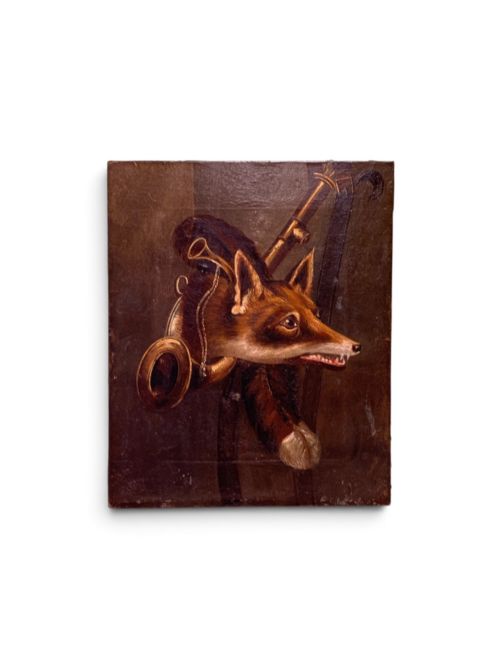
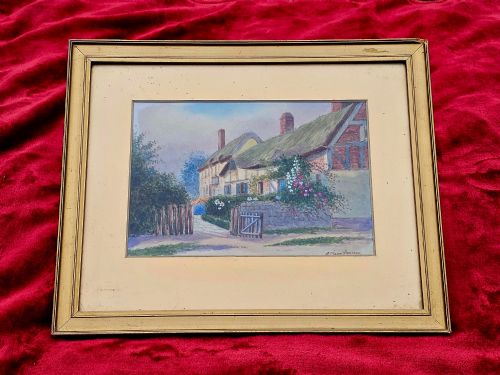
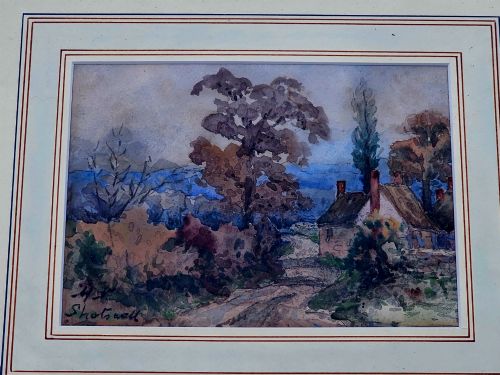
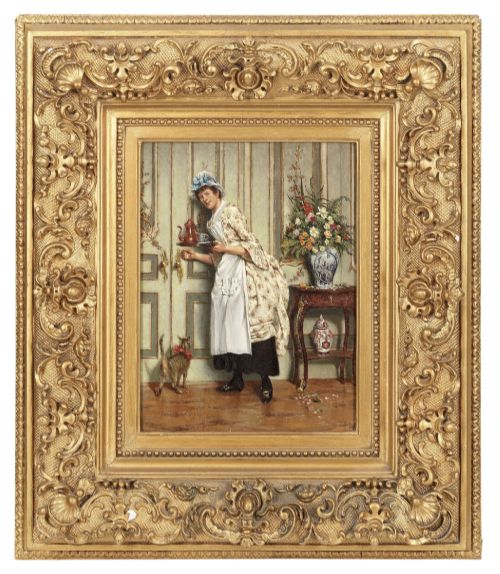
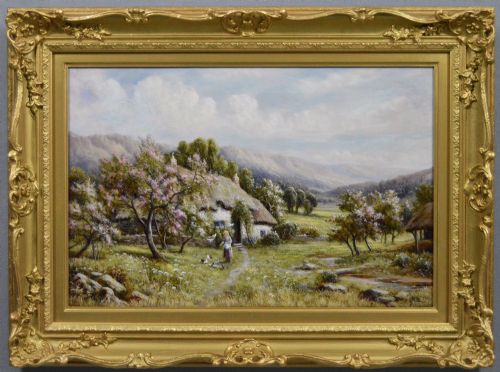
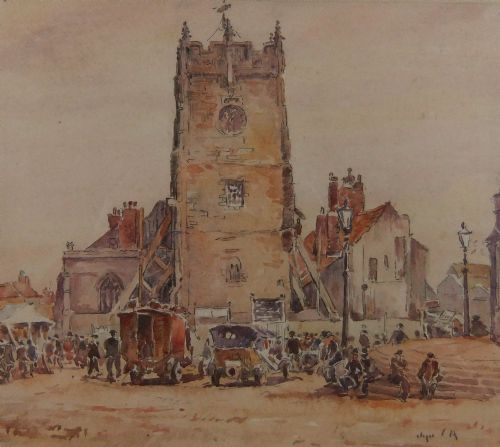
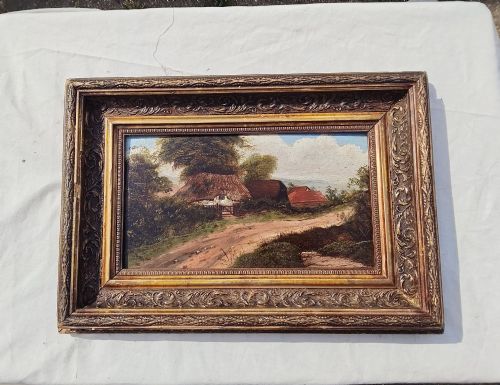
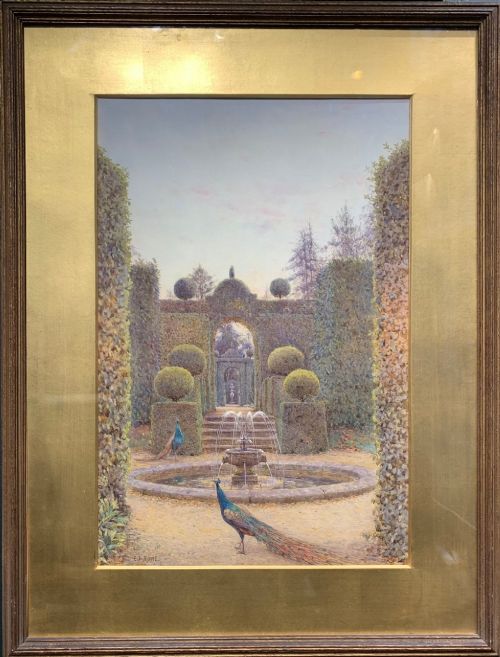
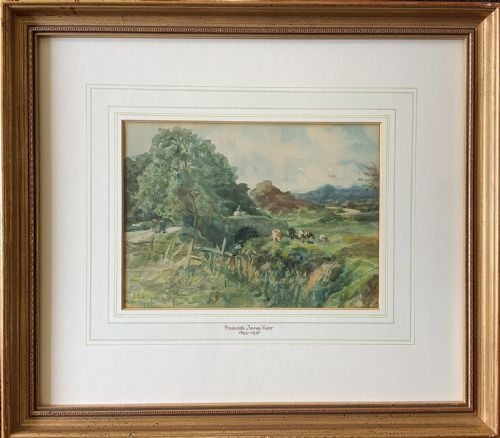
When you search for an edwardian country painting, you find framed artworks depicting rural scenes, cottages, landscapes and animals from the late nineteenth and early twentieth centuries. These pieces reflect a fascination with pastoral life, featuring rolling fields, riverside views and farmyard animals.
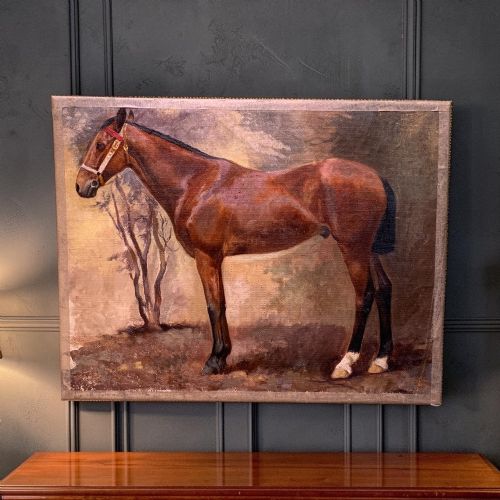
You are most likely to meet watercolours and oil paintings on canvas or card dating from the Edwardian period and the surrounding decades. Subjects range from horse portraits and sporting scenes to quiet domestic interiors and cottage gardens.
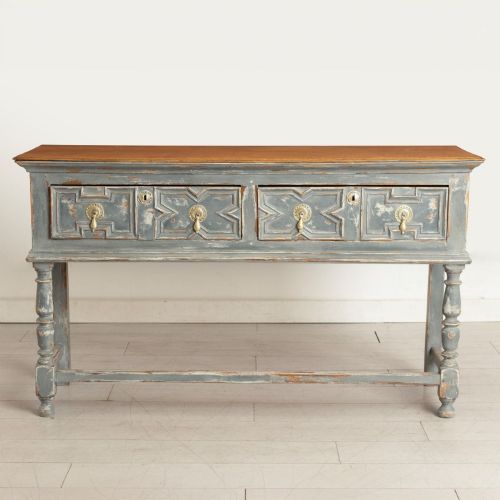
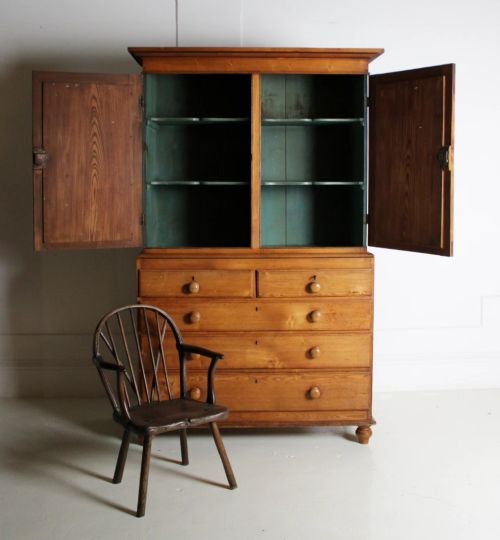
Alongside purely decorative paintings, the selection includes painted furniture and mirrors incorporating small oils. These diverse items share a connection to British artistic traditions of the era.
How they were made
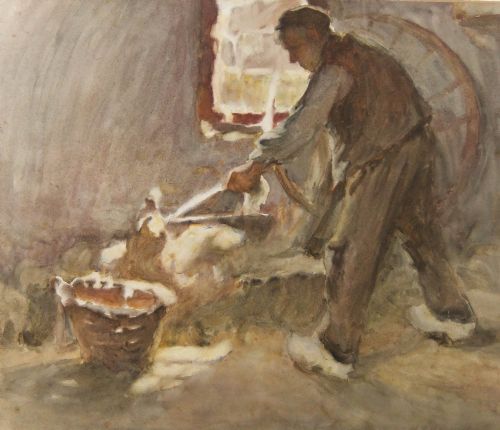
Artists of this era utilised oil on canvas, oil on card and delicate watercolour on paper to capture light and texture. Canvas surfaces provide a robust ground for rich pigment application in landscapes and animal portraits, while watercolours rely on fluid washes on paper.
Frames are constructed from wood and often finished with giltwood or painted surfaces to complement the artwork. Many works remain in their original frames, preserving the historical context of the piece.
Edwardian Country Painting Retail Price Guide 2026
Typical asking prices for edwardian country painting among the pieces listed under this phrase on Sellingantiques today, from the lower quarter to the upper quarter. They describe what is for sale here now, not the wider market.
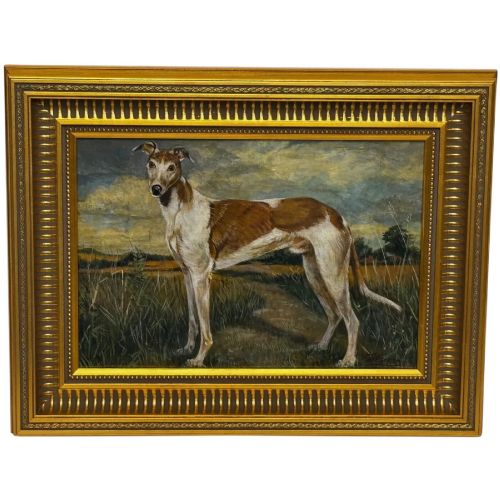
Several pieces capture the dignified portraits of racehorses and working dogs who clearly took their modelling duties very seriously.
What varies in quality
The skill of the brushwork and the precision of anatomical rendering separate standard decorative pieces from accomplished works by named artists. Masterful handling of light, particularly in landscape watercolours and horse portraits, elevates an artwork.
The preservation of the original pigment, the condition of the canvas or paper support, and the integrity of the period frame dictate the overall standard of the surviving piece.
Stephen Samuel Lewin·Henry Silkstone Hopwood·Robert John Hammond·John Smith Atherton·Ernest Arthur Rowe·Frederick James Kerr·Edgar Hunt·George Wright·William Albert Clarke·John Alfred Wheeler·Sydney Yates Johnson·Owen Bowen
The Edwardian Country Painting Glossary
- Oil on canvas
- A painting medium where pigments are suspended in drying oils and applied to a woven fabric stretched across a wooden frame. This technique allows for rich texture and deep colour blending.
- Watercolour
- A painting method in which natural pigments are suspended in a water-based solution, typically applied to paper. It produces translucent washes of colour.
- Giltwood
- Wood that has been coated with a thin layer of gold leaf or gilt paint. It is frequently seen on decorative picture frames from the nineteenth and early twentieth centuries.
- British Impressionism
- An art movement influenced by French styles, focusing on light, everyday subjects and loose brushwork. It appears in rural and landscape scenes of the period.
- Scumble
- A thin, opaque or semi-opaque layer of paint dragged lightly over an underlying colour to create a textured, mottled appearance on painted furniture.
Edwardian Country Painting: Frequently Asked Questions
What subjects appear in these paintings?
The artworks depict rural landscapes, thatched cottages, rivers and farm animals such as horses, cattle and chickens. Sporting scenes and quiet domestic interiors also feature prominently.
These subjects reflect the period's artistic interest in pastoral life and the British countryside.
How do I date an edwardian country painting?
Dating relies on stylistic clues, framing materials, artist signatures and occasional period inscriptions on the reverse of the canvas or card. Comparing the technique to known works of the era helps narrow the timeframe.
Most examples date from the late nineteenth century through to the 1930s.
Are watercolours as durable as oils?
Watercolours on paper require protection behind glass to prevent fading and moisture damage, whereas oil on canvas is more robust. Both media survive well when kept away from direct sunlight and damp environments.
Proper framing ensures the preservation of delicate paper supports.
How should I hang and light these artworks?
Hang paintings on interior walls away from direct sunlight, extreme temperature changes and high humidity to protect the paint and paper. Standard picture hooks sufficing for most framed canvases and watercolours.
Gentle, indirect lighting highlights the brushwork without causing damage to the pigments.