


Edwardian Counter Display Cabinet
An edwardian counter display cabinet brings the crisp authority of historic commerce straight into a modern interior.
Edwardian Counter Display Cabinet
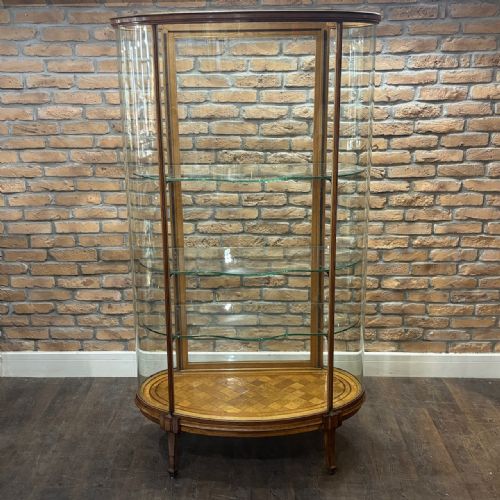
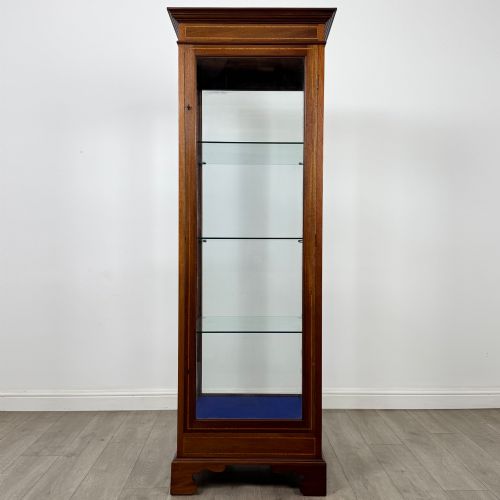
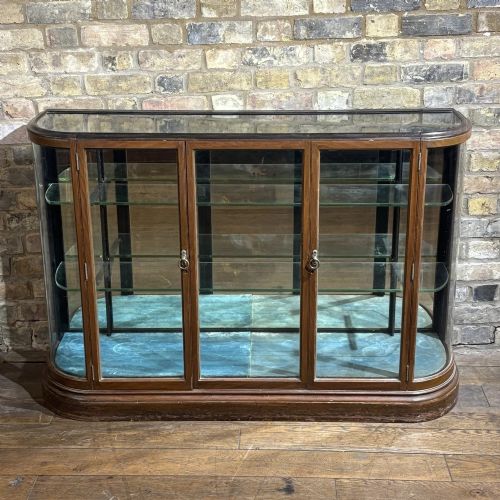
When you search for an edwardian counter display cabinet, you encounter sturdy fixtures designed originally to showcase retail goods upon shop counters or tabletops. The examples seen on this page span tabletop cases, bow-fronted counters, and taller freestanding units primarily originating from the Edwardian era and surrounding decades.
Most frequent amongst these listings are mahogany and oak framed structures, often featuring glazed panels to present merchandise clearly to prospective buyers. Makers created these pieces to balance practical merchant utility with polished presentation, resulting in enduring display cases suited for domestic collections.
Materials and Construction
Makers constructed these cabinets using durable timbers such as mahogany and oak, frequently pairing them with extensive glass panels and brass hardware. Interiors often incorporate mirrored surfaces to multiply the reflected light and enhance the visibility of the contents.
Specialised trade pieces also integrate gold leaf detailing or sign-written advertisements for period brands, applied directly to the wood or glass. Joinery methods prioritise stability and clear sightlines, creating robust enclosures designed for daily retail handling.
Periods represented span from the late nineteenth century through the Edwardian era into the Art Deco 1930s.
Craftsmanship and Proportion
Distinction across these cabinets rests in the harmony of proportion and the selection of timber figures, such as rich mahogany grain or quarter-sawn oak. Superior examples display refined glazing bars and integrated details like fitted drawers or curved bow ends.
The integration of original commercial elements, including maker plaques or period advertising graphics, separates standard utility units from exceptional trade pieces. The preservation of original mirrored backs and brass fittings further defines the upper tier of the range.
F. Sage & Co.·Manoah Rhodes & Sons Ltd
The Edwardian Counter Display Cabinet Glossary
- Bow end
- A cabinet featuring a rounded, curved glass front that provides enhanced visibility from multiple angles in a retail environment.
- Haberdashery cabinet
- A multi-drawer storage and display unit originally utilised in drapers' shops for small sewing goods and accessories.
- Tabletop cabinet
- A compact glazed case built to sit directly upon a shop counter rather than standing independently on the floor.
- Sign-written
- Painted lettering on glass or timber applied to advertise period confectionery, tobacco, or household goods.
- Countertop
- Designed specifically to occupy the top surface of a retail counter for eye-level customer interaction.
Edwardian Counter Display Cabinet: Frequently Asked Questions
What were counter display cabinets originally used for?
Merchants utilised these glazed cabinets atop shop counters to protect delicate goods while keeping them clearly visible to customers.
They held items ranging from chocolates and tobacco to small writing implements and apothecary preparations.
How do I style one in a modern home?
These cabinets suit domestic spaces as focal points for displaying curated collections of ceramics, glassware, or books.
Place them on sideboards or tables where natural light can pass through the glazed panels to illuminate the interior.
Are the advertising graphics on these cabinets original?
Some pieces retain their original commercial sign-writing, whilst others feature later decorative applications applied to period frames.
Each finish reflects the historic practice of adapting shop fittings for specific product promotions.
What timber types are most common?
Mahogany and oak dominate the surviving examples, selected by makers for their strength and formal appearance.
Less frequently, general hardwood frames appear alongside brass hardware and mirrored interior backs.