

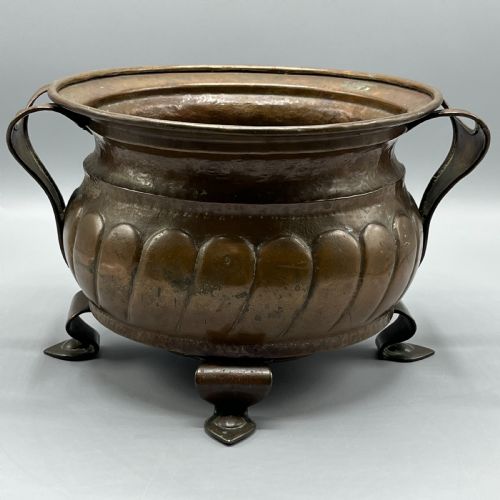


Edwardian Copper Planter
An edwardian copper planter brings warmth and industrial integrity to a room, offering a durable vessel for foliage that deepens in character over decades.
What They Are
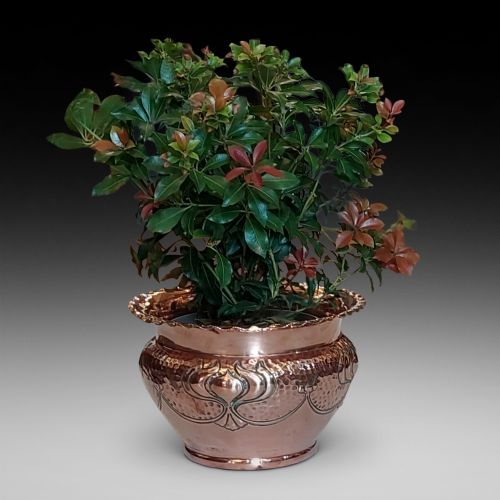
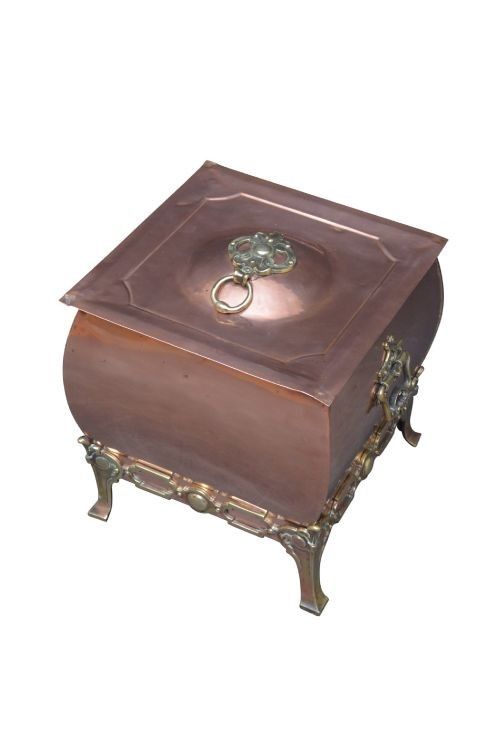
When you search for an edwardian copper planter, you encounter vessels produced primarily around the turn of the twentieth century, often aligned with the Arts and Crafts movement or utilitarian domestic production. These pieces take forms such as jardiniere planters, troughs, ferrats, coal buckets, and unusual shapes like the Gladstone bag.
The objects span from the nineteenth century into the early decades of the twentieth century, including pieces dated to 1890, 1900, and 1930. They originate predominantly from English workshops, reflecting the robust metalworking traditions of the period.
On this marketplace, the standard form is a solid copper planter designed to hold plants or fuel, combining functional utility with distinctive period handcraft.
How They Were Made
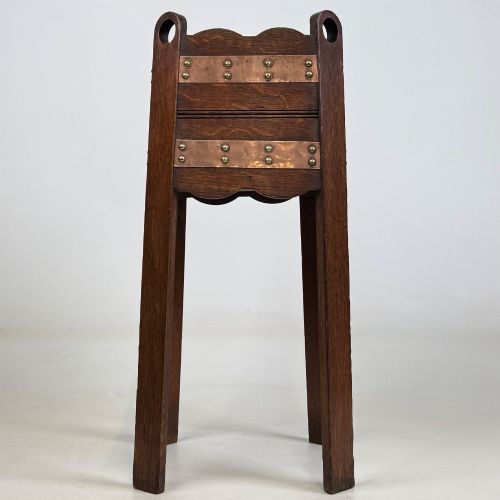
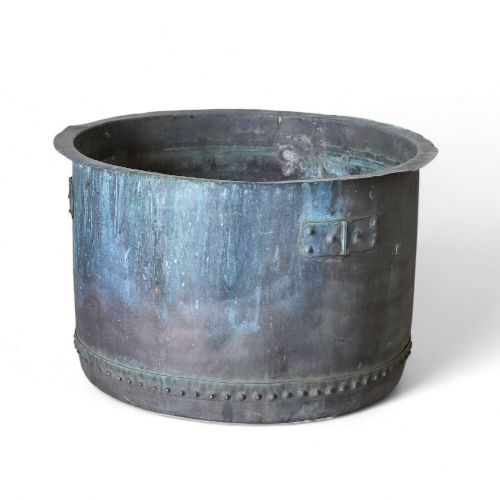
These items are constructed from sheet copper, frequently combined with iron or brass for structural handles, rims, and fixings. Metalworkers shaped the bodies by hand, employing techniques such as panel beating and joining sheets together with visible metal rivets.
Surface finishes range from polished metallic sheens to rich natural patina developed over generations of exposure. Artisans of the Arts and Crafts style favoured honest construction methods where hammer marks and hand-riveting remain visible on the exterior.
One remarkably imaginative copper planter borrows the exact shape of a Gladstone travelling bag to confuse and delight visitors by the hearth.
What Varies in Quality
Quality in these copper vessels rests on the weight of the metal and the integrity of the construction rather than surface gleam. Heavier gauge copper and robust hand-riveting separate substantial, enduring pieces from lighter, more fragile domestic items.
Design ambition also divides the range, distinguishing simple utilitarian coal buckets from carefully articulated Arts and Crafts jardiniere planters featuring ribbed bodywork or specialised forms like the Gladstone bag.
The Edwardian Copper Planter Glossary
- Jardiniere
- An ornamental pot or stand for holding plants or flowers. This French term denotes indoor floral vessels common in period interiors.
- Patina
- The chemical film that forms on copper surfaces through oxidation over time. A rich natural patina indicates age and handling.
- Ferrat
- A metal container or basin used traditionally for holding plants or charcoal. The term appears frequently in nineteenth-century utilitarian metalwork.
- Gladstone bag
- A small leather-framed travelling bag with a hinged mouth, referenced here in the design of a novelty copper planter. This form borrows domestic luggage shapes for decorative hardware.
Frequently Asked Questions
What is an edwardian copper planter?
An edwardian copper planter is a metal vessel manufactured around the early twentieth century, designed for displaying indoor plants or holding fireside fuel.
These pieces reflect the utilitarian and Arts and Crafts movements, utilising hand-beaten sheet copper and riveted construction.
How were these planters used historically?
Historically, these copper vessels served practical domestic roles in holding coal by the hearth or housing potted ferns and flowering plants in reception rooms.
Their robust construction allowed them to handle damp soil or heavy fuel loads safely within domestic interiors.
Can I plant directly inside a copper planter?
While historic copper vessels held soil and plants directly, modern usage often benefits from placing a plastic or ceramic liner inside.
Using a liner protects the historic metal interior from prolonged moisture exposure and prevents potential chemical reactions with the copper.
How do I distinguish Arts and Crafts examples?
Arts and Crafts copper planters display visible handmade characteristics such as hand-riveted seams, planishing marks from hammers, and structural iron or brass mounts.
These details set them apart from mass-produced Victorian utilitarian buckets through their emphasis on artisan craftsmanship.