
Edwardian Column Light
An edwardian column light brings classical proportion and steady illumination to a room, drawing on architectural forms from the turn of the twentieth century.
Edwardian Column Light
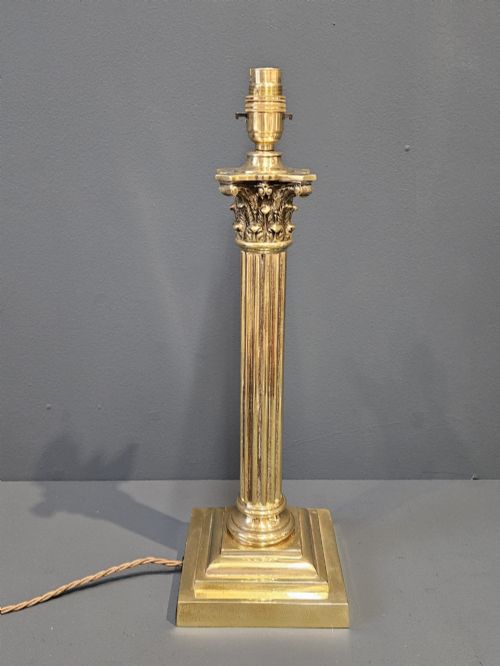
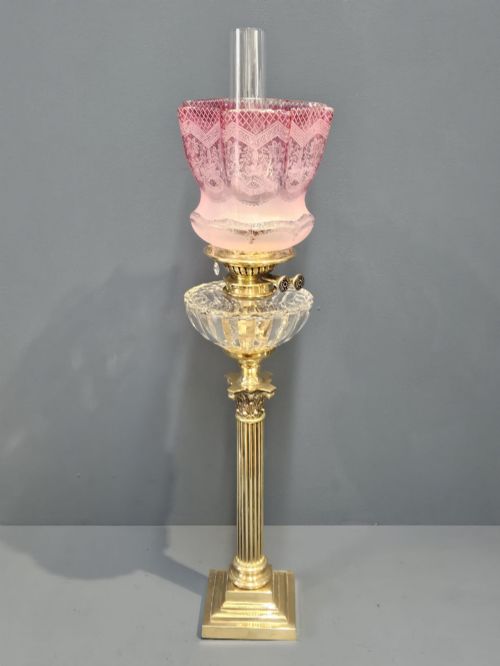
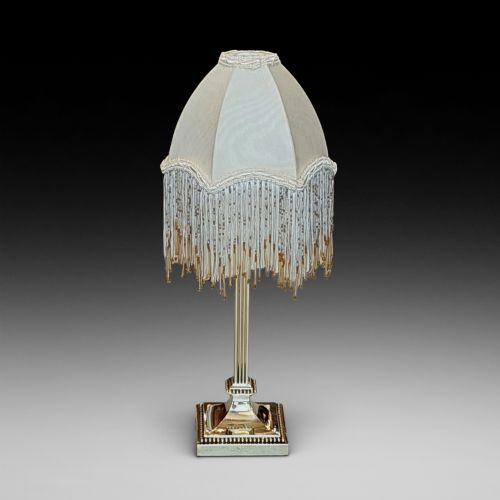
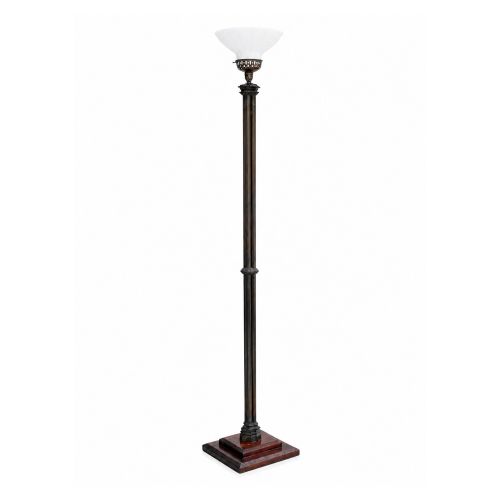
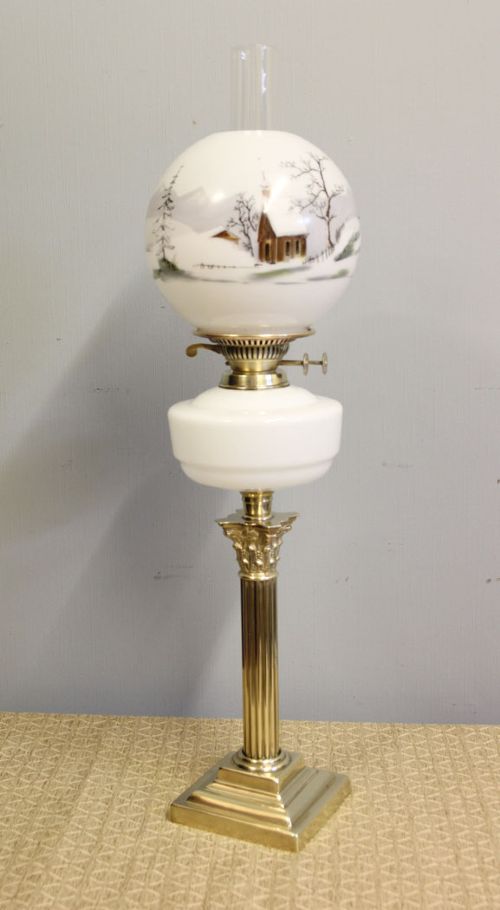
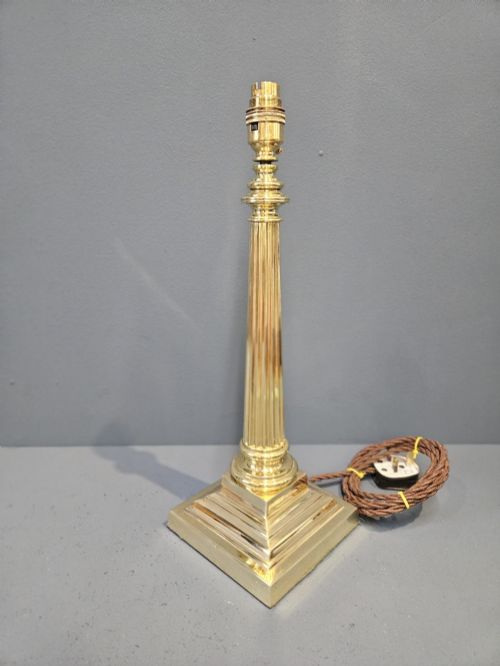
When searching for an edwardian column light, a buyer encounters upright lighting fixtures that adapt ancient architectural orders to domestic spaces. These pieces take the form of table lamps, standard lamps, and converted oil lamps that stand upon classical shafts.
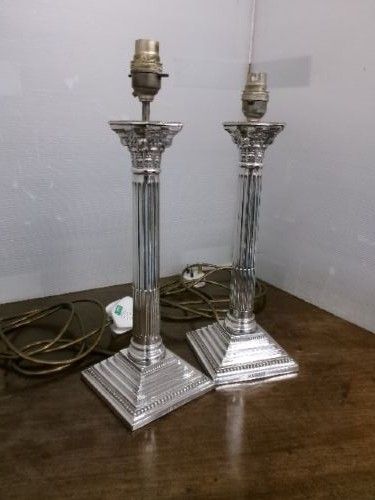
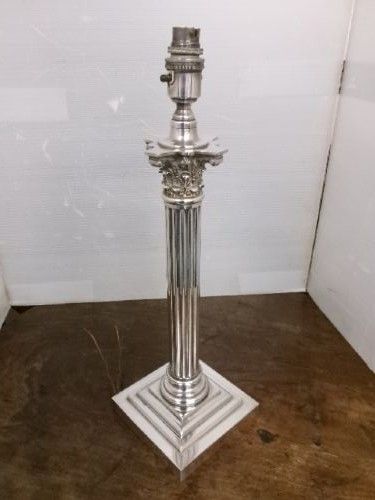
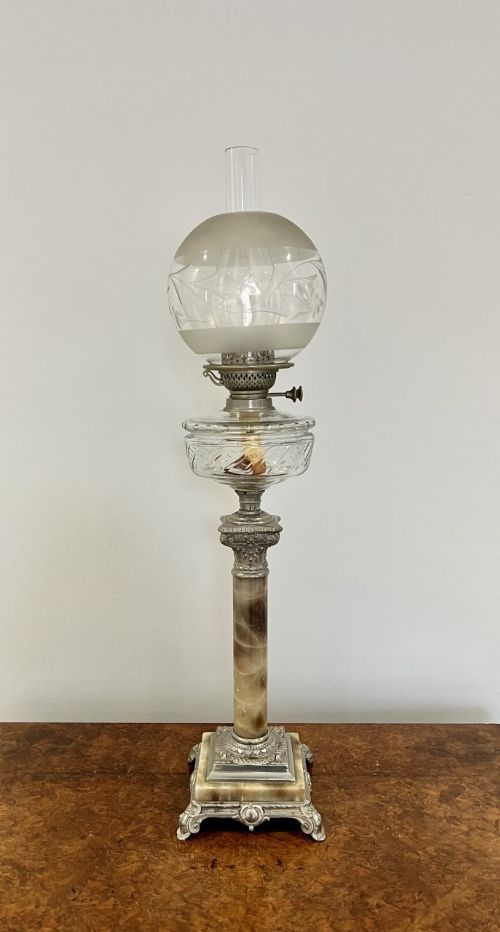
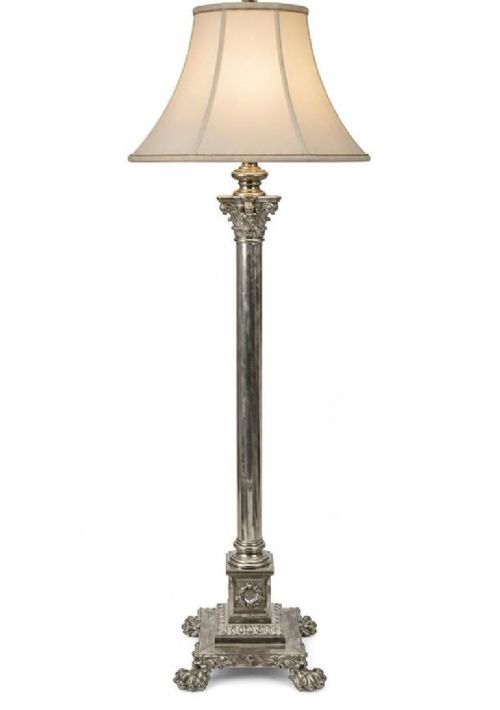
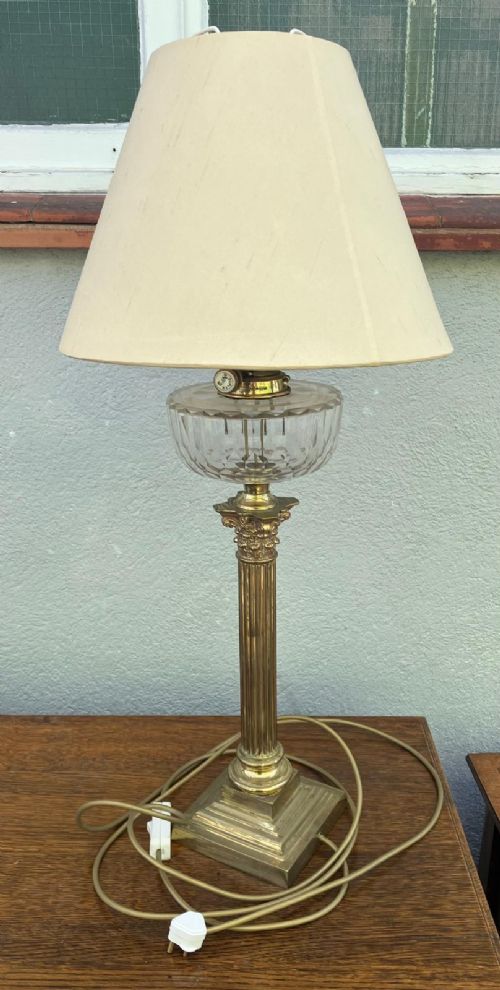
The versions most commonly met on this page span the Edwardian period, nineteen-hundred, and the late Victorian era. They often feature Corinthian capitals atop brass, silver-plated, or oak columns.
Originating primarily from English workshops, these lights reflect a sustained enthusiasm for neoclassical revival design in domestic interiors. Makers applied traditional column designs to both high-standing floor fixtures and smaller desk or table models.
Materials and construction
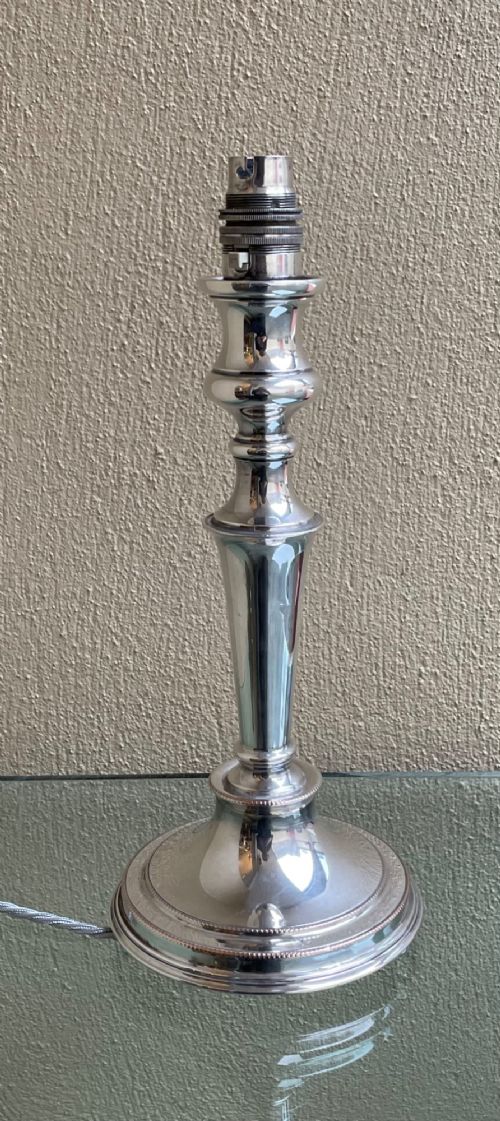
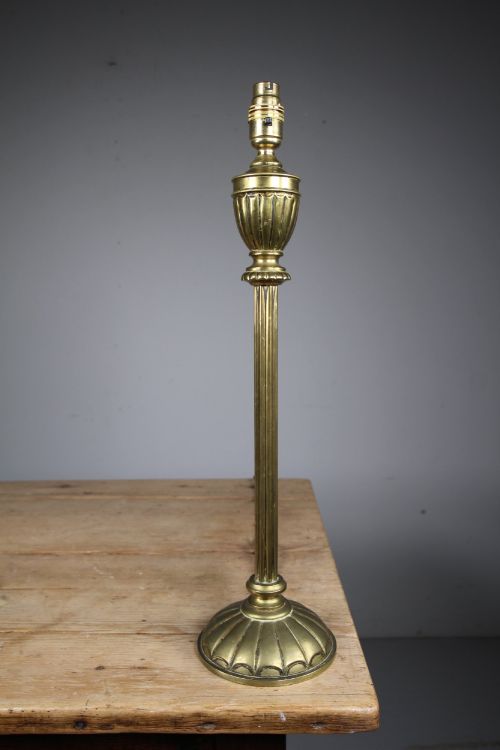
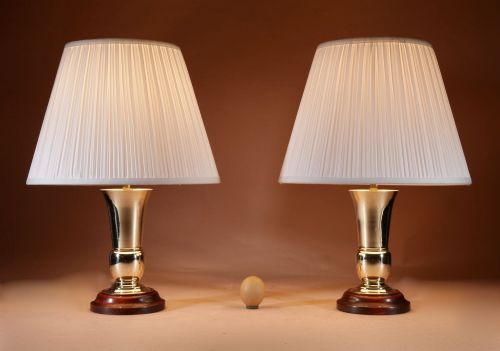
Brass and silver plate form the primary structural metals for these column lights, often cast in detailed sections and assembled around a central weighted core. Makers utilised marble bases and ceramic or glass fonts to add weight and colour contrast to the metallic shafts.
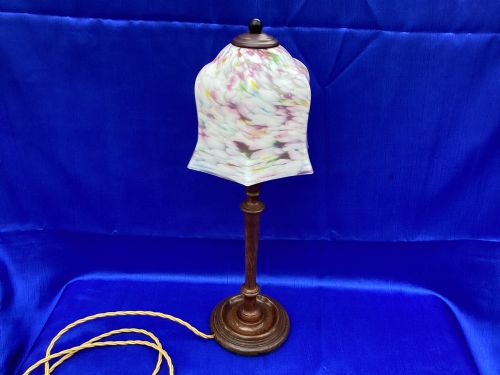
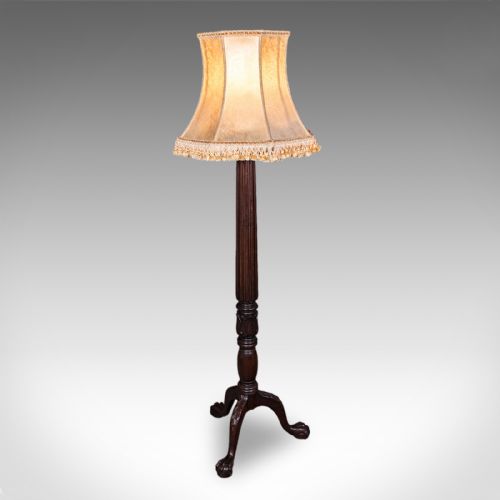
Timber versions employ oak, walnut, and limed oak turned on a lathe to emulate classical stone columns, occasionally incorporating barley twist motifs. Shade components combine blown and etched glass, opaline glass, cranberry glass, and pleated fabrics or silks.
The listings demonstrate a strong preference for brass and oak columns, accompanied by glass and fabric shades across the Edwardian and Victorian eras.
Distinctions in quality
The standard of casting in the brass or silver-plated capitals determines much of the visual merit in a column light. Crisp acanthus leaves and sharply defined fluting on the Corinthian capitals separate finer examples from softer, more utilitarian productions.
Material selection for the accompanying components, such as heavy marble plinths, substantial brass bases, and hand-etched glass shades, elevates the presence of the object. Proportions also matter, with taller, well-balanced shafts offering greater architectural authority.
The Edwardian Column Light Glossary
- Corinthian capital
- The ornate crown of a column featuring carved acanthus leaves and scrolls. This decorative top is frequently seen on brass and silver-plated table lamps.
- Standard lamp
- A tall floor-standing light designed to illuminate a wider area of a room. These upright fixtures often mirror the architectural column forms of smaller table lamps.
- Opaline glass
- An opaque white glass used historically for lamp shades and oil lamp fonts. It diffuses light softly and creates a smooth, porcelain-like surface.
- Font
- The oil reservoir section of a lamp, often made of ceramic, glass, or brass. Many surviving examples have been adapted for electrical wiring while retaining their original containers.
Edwardian Column Light: Frequently Asked Questions
How do I wire an old column light?
Rewiring requires threading modern flexible cable up through the central channel of the column to a certified lamp holder. A qualified electrician should complete this work to ensure safety and compliance with current standards.
Many antique lamps have already undergone conversion from oil or gas to electricity, retaining their original switches and weighted bases while accepting modern bulbs.
Are these lamps brass or silver plated?
The listings include both solid brass and silver-plated metal structures. Silver-plated examples feature a thin layer of silver applied over a base metal, which may show subtle wear revealing the warm metal underneath.
Solid brass models can be polished to a bright finish or left with an aged patina accumulated over the decades since their manufacture.
What shades originally belonged on these lamps?
Original configurations often paired brass columns with glass shades such as opaline, etched glass, or coloured fonts like cranberry glass. Fabric and silk shades also appeared on later floor and table models.
When original shades are absent, replacements are chosen to match the period style and the specific proportions of the column.
How do I distinguish Edwardian from Victorian columns?
Victorian examples tend towards heavier, ornate neoclassical revival styling with deep patination and substantial brass work. Edwardian pieces often present slightly lighter proportions and cleaner neoclassical lines.
Overlap in manufacturing dates means stylistic details provide a clearer guide to age than exact calendar years.