
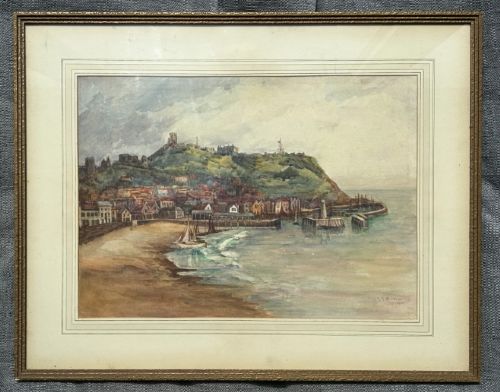


Edwardian Coastal Painting
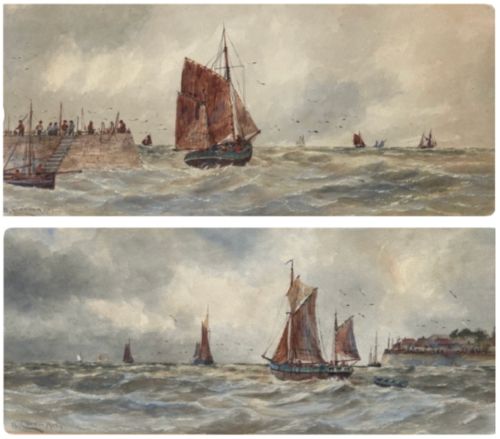
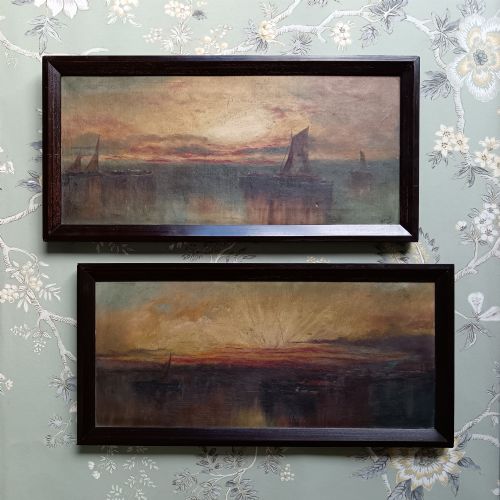
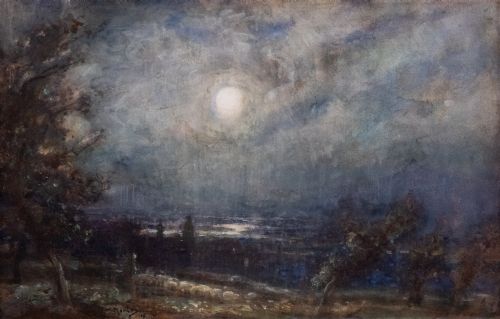
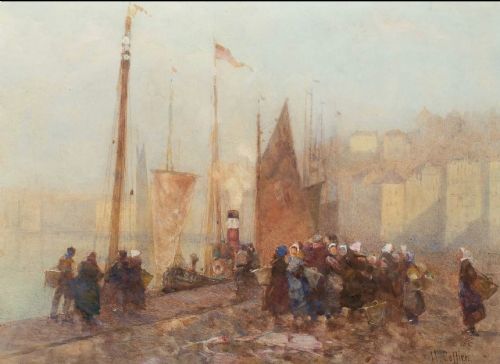
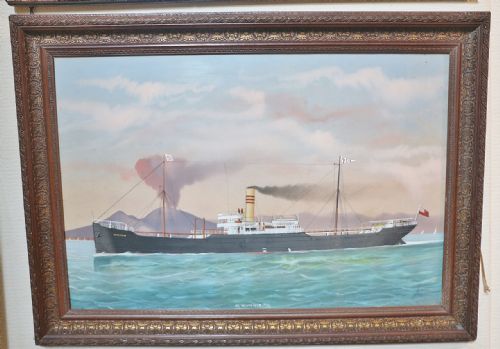
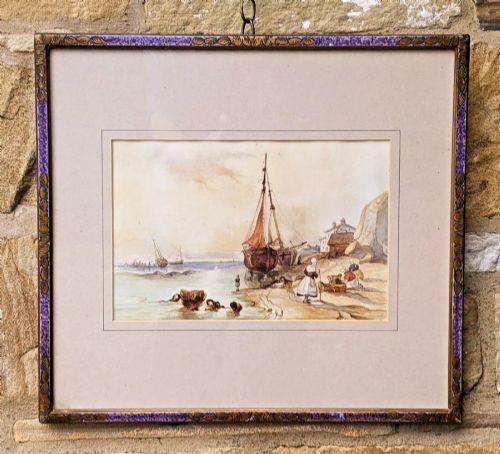
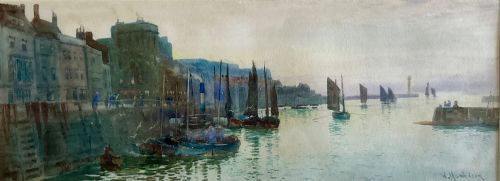
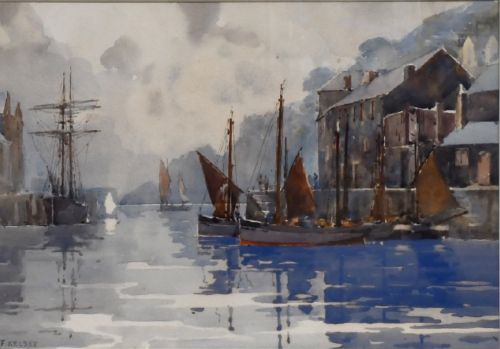
These Edwardian coastal painting works capture nineteenth and early twentieth-century British shores, bringing maritime atmosphere and historical harbour views directly into your room.
Edwardian Coastal Painting
An edwardian coastal painting captures the maritime scenes, fishing fleets, and rocky shores of British coastal towns during the early twentieth century. You will encounter detailed depictions of harbours, docks, and sea-weed gatherers along familiar Yorkshire locations like Whitby and Scarborough. These works record regional maritime history through practiced brushwork and careful observation of light upon the water.
You are most likely to meet watercolour paintings on paper from this selection, often framed behind glass with wood surrounds and gold leaf accents. These pieces frequently bear signatures or inscriptions identifying specific coastal landmarks like St Hilda's or local fishing docks. The visual record spans periods from the late Victorian era through to the nineteen thirties.
Materials and Techniques
Artists utilised watercolour pigment on paper or oil paint on canvas to record these maritime scenes. The pigments were brushed onto fine paper supports or stretched canvas, capturing the luminosity of sea air and coastal light. Watercolours required swift, translucent applications, whilst oils permitted richer textures and heavier impasto.
Finished works were typically housed within wooden frames, frequently enhanced with gold leaf mouldings to complement the composition. Glazing with glass protected the delicate watercolour paintings on paper from moisture and dust over the decades. Backings of wood secured the works within their protective surrounds.
Retail Price Guide 2026
Typical UK retail prices for edwardian coastal painting, calculated from the Sellingantiques database of over a million retail prices indexed since 2003. This retail price guide relies exclusively on Sellingantiques data; no external sources or auction records are used, so the figures do not describe the wider market.
Listings span watercolours on paper and oil on canvas, employing wood and glass alongside gold leaf framing.
Judging Quality
The distinction between ordinary and superior works lies in the artist's handling of light, atmosphere, and maritime detail. Finer pieces demonstrate confident brushwork that conveys the movement of water and the weathered texture of dockside buildings without overworking the surface. The strength of the composition and the accurate rendering of maritime architecture elevate certain watercolours above routine topographical records.
Condition and presentation also define the upper tier of these works, particularly the preservation of the original paper support and the clarity of the pigment. Strong provenance, legible artist signatures, and period framing with gold leaf in good preservation contribute to the desirability of a piece. The finest examples retain their original tonal balance without excessive fading from light exposure.
Alfred George Morgan·George Hamilton Constantine·Percy Brooke·Alfred Robert Quinton·Julian Drummond·Daniel Sherrin
The Edwardian Coastal Painting Glossary
- Watercolour
- A paint consisting of colour suspended in a water-soluble vehicle, used to create translucent washes on paper.
- Oil on Canvas
- A painting medium where pigments are bound with drying oils and applied to a stretched fabric surface, allowing for rich textures and deep tones.
- Gold Leaf
- Gold beaten into extremely thin sheets, traditionally utilised to gild picture frames and decorative accents.
- Seascape
- A type of fine art painting that depicts the sea, coastal views, or maritime scenes as the primary subject.
Frequently Asked Questions
What subjects appear in these paintings?
These works primarily depict British coastal scenes, including fishing docks, harbour views, and sea-weed gatherers at work.
Artists focused on locations such as Whitby, Scarborough, and St Hilda's, recording the maritime industry and coastal geography of the period.
How should I hang these watercolours?
Watercolours framed behind glass require placement away from direct sunlight to prevent the pigments and paper from fading over time.
Ensure they hang on interior walls with stable humidity levels to protect both the paper support and the wooden or gold leaf frame.
Are these paintings signed by artists?
Many of the works bear the original signature or monogram of the artist, sometimes accompanied by handwritten inscriptions naming the specific coastal location.
These signatures help attribute the pieces to known Edwardian and Victorian painters who specialised in British topography and maritime subjects.
What framing do these pieces use?
Most works retain traditional wooden frames, frequently complemented by gold leaf detailing that highlights the artwork within.
Watercolours on paper are set behind protective glass, whilst oil paintings on canvas remain exposed to the room atmosphere.