
Edwardian Clothes Cupboard
An edwardian clothes cupboard provides substantial bedroom storage through fitted hanging space, shelves and drawers constructed in mahogany, oak or walnut.
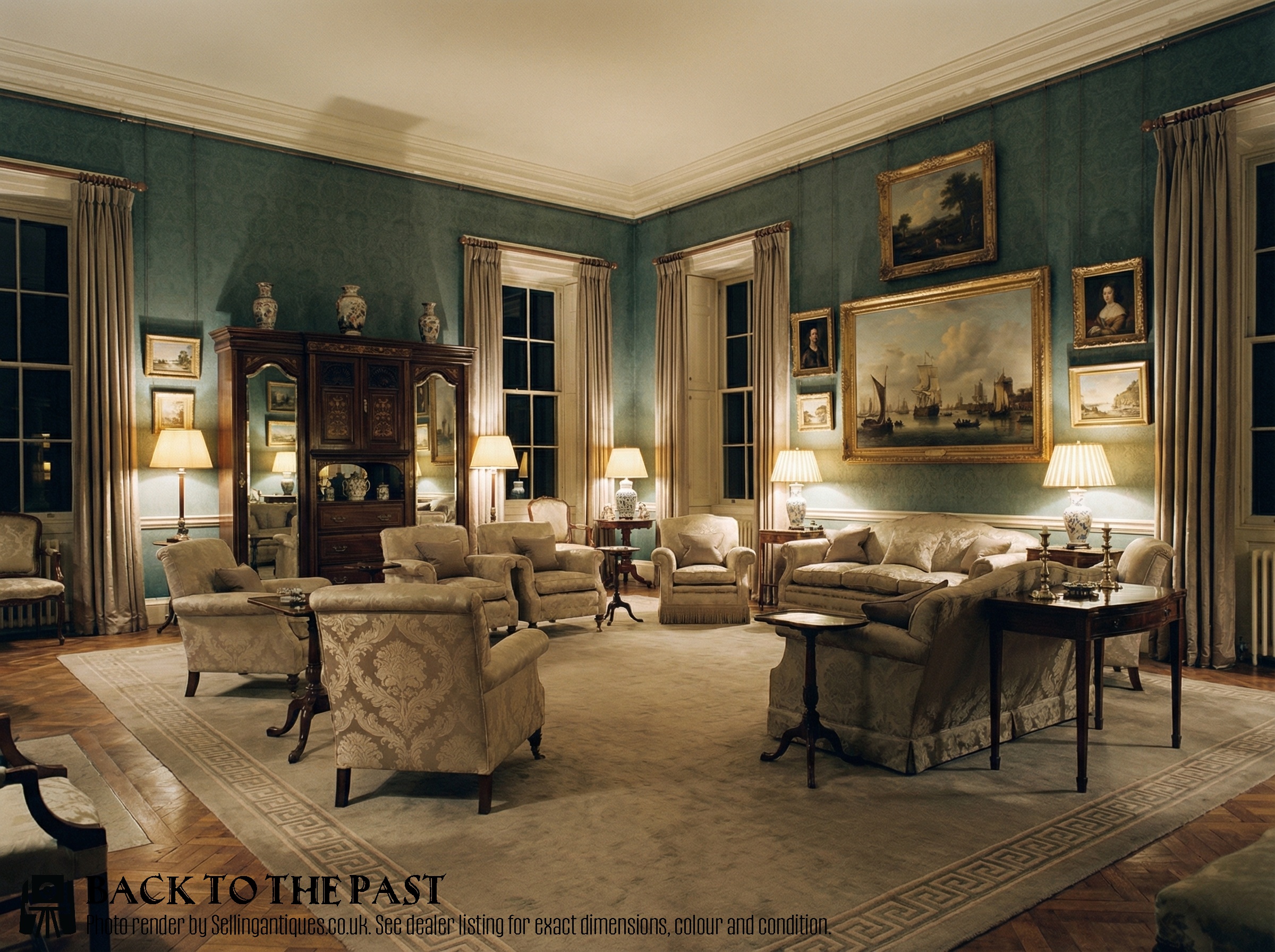
Edwardian Clothes Cupboard
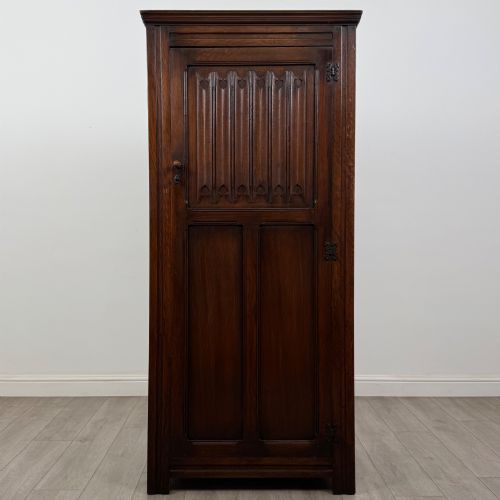
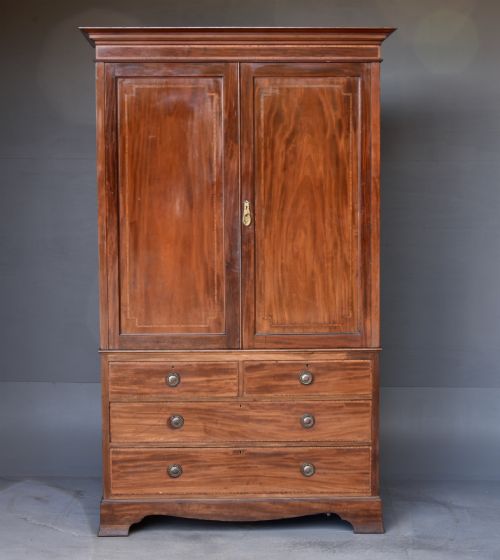
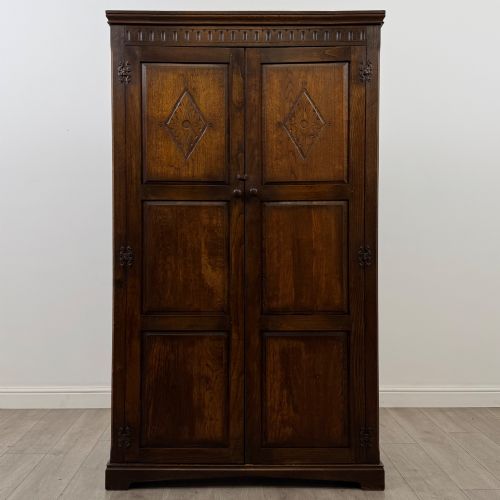
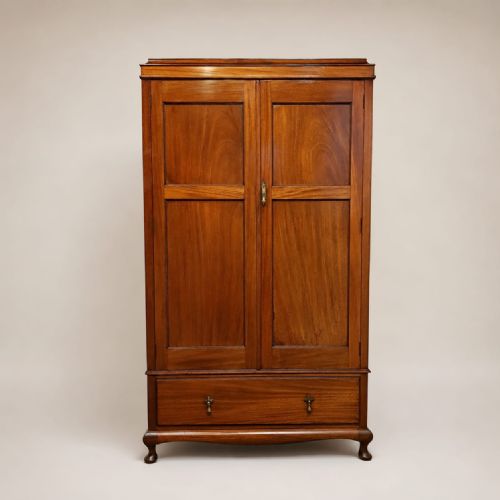
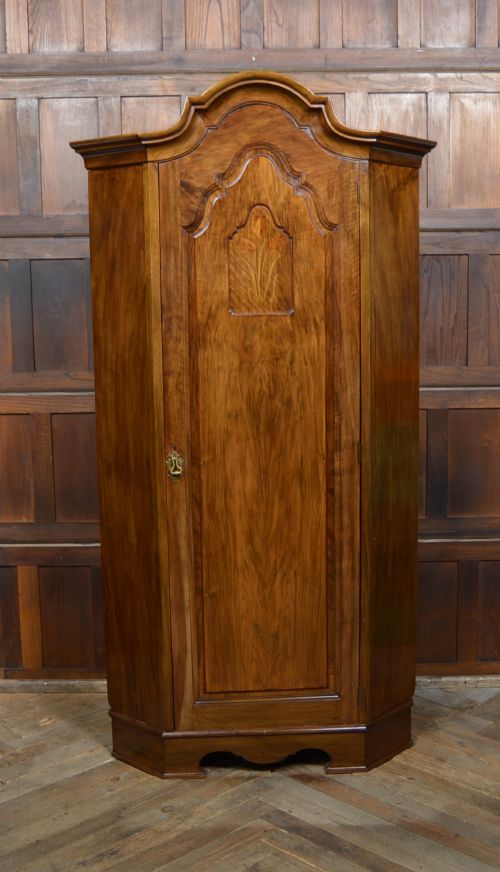
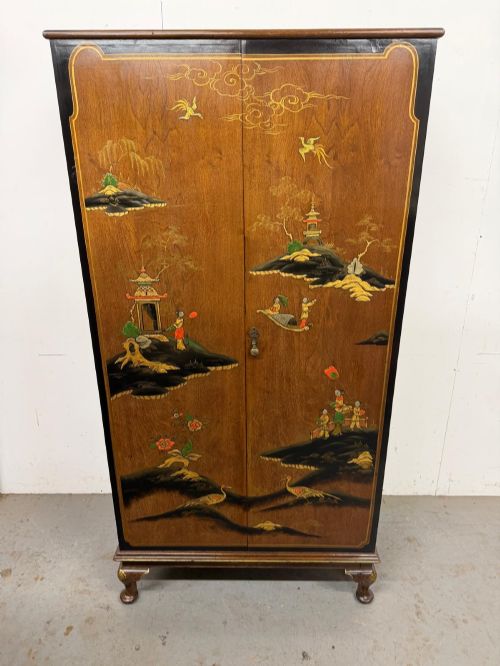
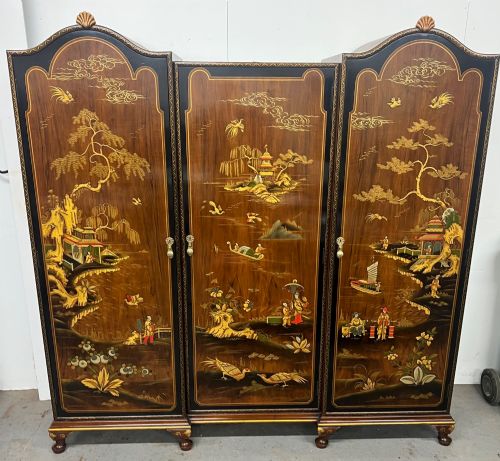
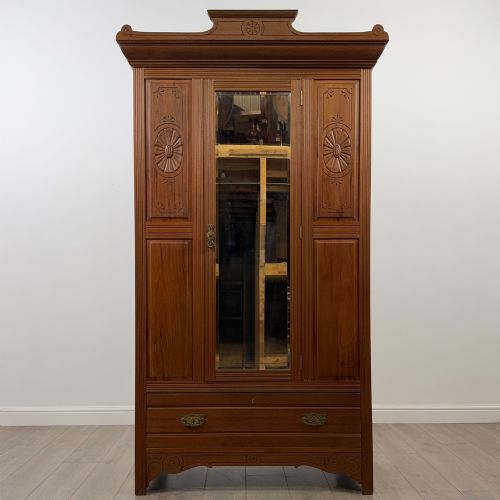
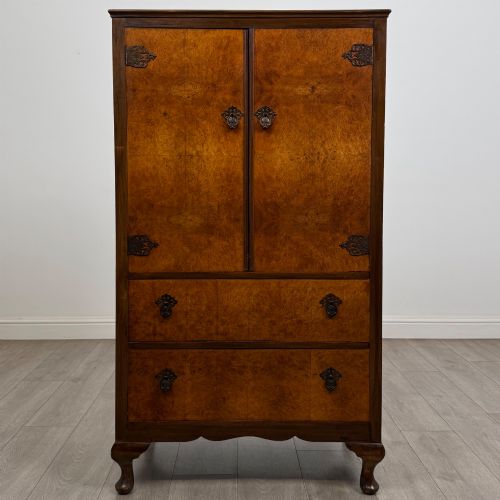
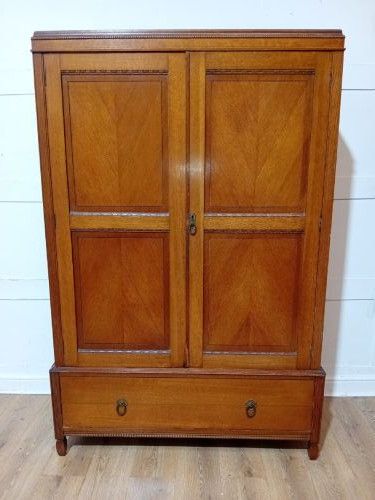
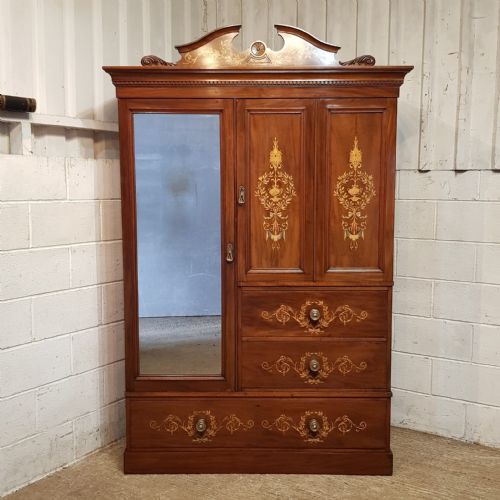
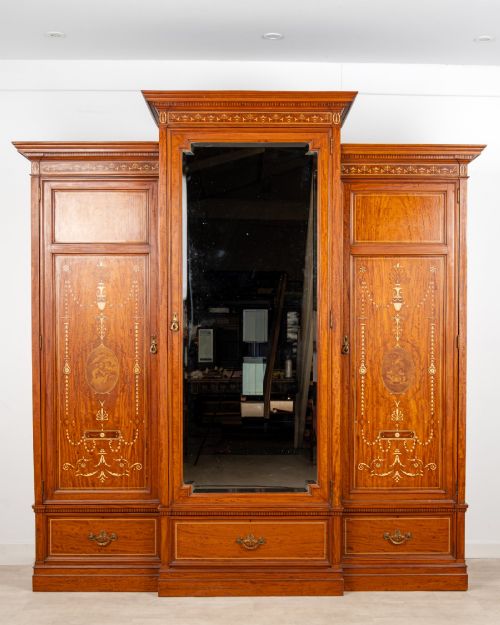
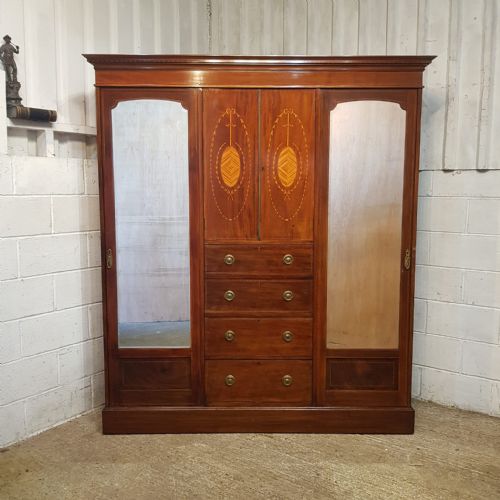
An edwardian clothes cupboard takes several architectural forms, ranging from single door variants to large triple wardrobes and compactums.
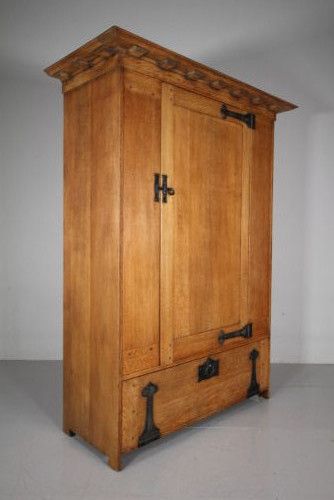
The pieces appearing on this page date principally from the Edwardian period and the early twentieth century, alongside related late Victorian and Arts and Crafts examples.
Makers utilised mahogany, oak, walnut, satinwood and pine to build sturdy storage furniture suited to the bedrooms of the era.
How they were made
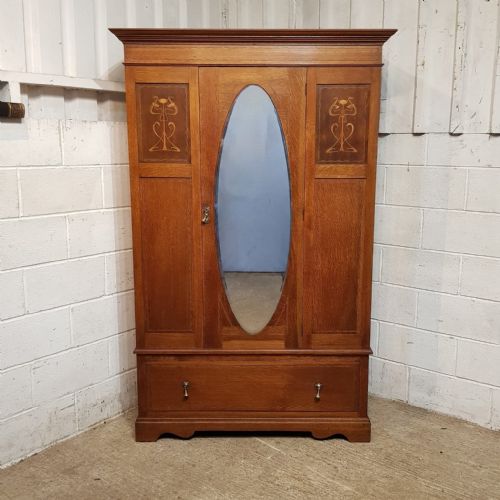
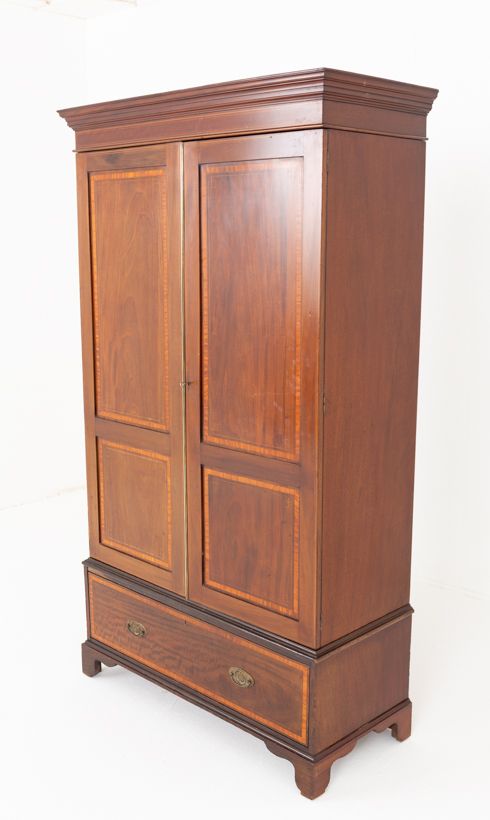
Cabinet makers built these wardrobes using solid timbers and decorative veneers such as burr walnut and satinwood, often enhanced with marquetry and inlay.
Functional elements included brass handles, iron hinges, glass mirrored doors and panelled construction designed to dismantle for transport where necessary.
Edwardian Clothes Cupboard Retail Price Guide 2026
Typical asking prices for edwardian clothes cupboard among the pieces listed under this phrase on Sellingantiques today, from the lower quarter to the upper quarter. They describe what is for sale here now, not the wider market.
Children's wardrobes appear in smaller dimensions, scaled down to store miniature garments.
What varies in quality
The grade of timber selected for the carcase and the precision of the cabinetwork set the standard across different pieces.
Makers known for retail houses applied higher levels of craftsmanship in their joinery, carving and inlaid decoration compared to standard workshop output.
Maples & Co·Heals·Harris Lebus·Druce & Co·Waring & Gillow·Edwards & Roberts
The Edwardian Clothes Cupboard Glossary
- Compactum
- A multi-functional wardrobe combining hanging space with internal drawers, shelves and shoe compartments. This form maximised storage efficiency in smaller rooms.
- Linen Press
- A piece of storage furniture with sliding trays or shelves in the upper section and drawer storage below. These units were designed primarily for folded textiles and bedding.
- Marquetry
- Decorative woodwork formed by fitting contrasting veneers into a prepared surface to create pictorial or geometric patterns. Cabinet makers utilised this technique on doors and friezes.
Edwardian Clothes Cupboard: Frequently Asked Questions
How do I assemble a knockdown wardrobe?
Many large wardrobes from this era were constructed to dismantle for easier delivery into houses. Pegs, bolts and numbered joints hold the cornice, sides and base together.
Careful alignment of the panels ensures the doors hang square and close properly once the unit stands in position.
What is a compactum wardrobe?
A compactum provides multi-purpose storage by integrating hanging space, shelves, and internal drawers within a single frame. This layout replaced the need for separate chests of drawers and wardrobes.
Such pieces often feature clever internal partitioning designed for gentlemen's attire.
How do I care for polished mahogany?
Routine maintenance requires dusting with a soft, dry cloth to protect the surface from abrasive particles. Avoiding direct sunlight prevents the mahogany from fading over time.
Application of traditional wax feed preserves the depth of colour in the wood.
Are mirrored doors original to these pieces?
Mirrors became increasingly common on wardrobe doors through the late nineteenth and early twentieth centuries. Bevelled glass held within wooden frames reflects light and adds practical utility.
Original mirror plates often display slight foxing or age spots characteristic of their period.