

Edwardian Chippendale Table
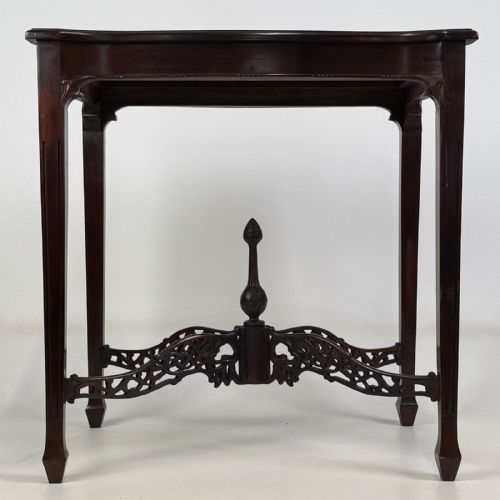
When you search for an edwardian chippendale table, you are looking at early twentieth-century revivals of eighteenth-century elegance built for formal entertaining.
Edwardian Chippendale Table
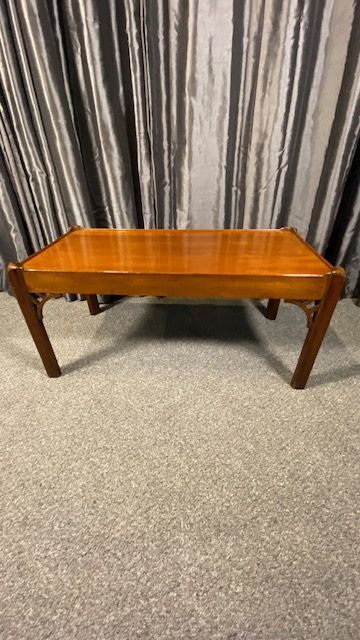
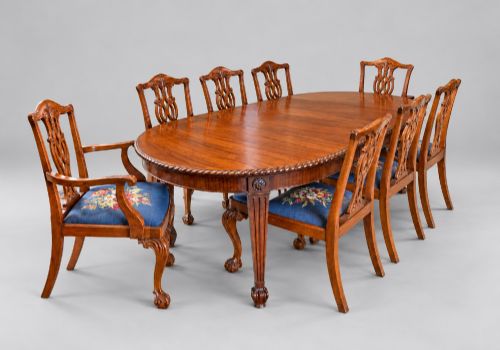
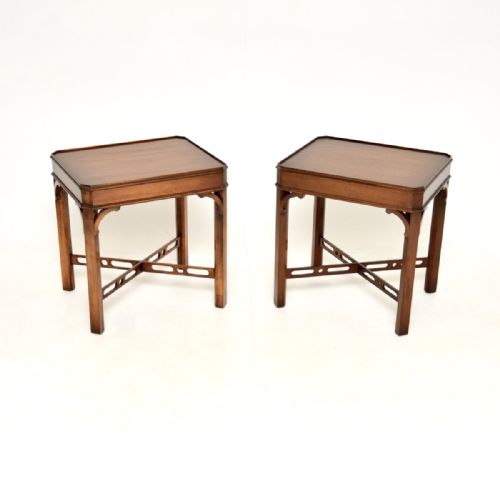
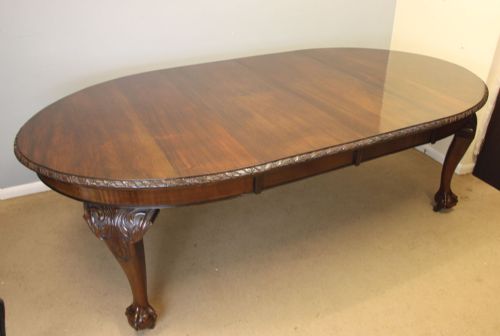
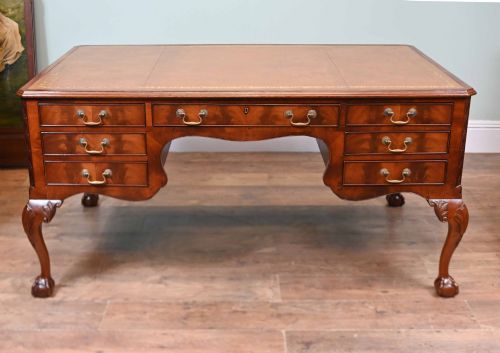
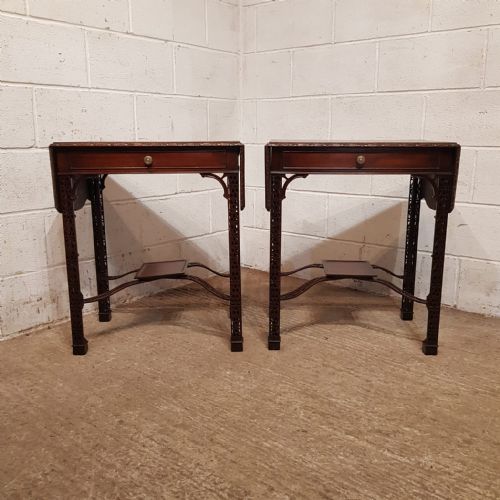
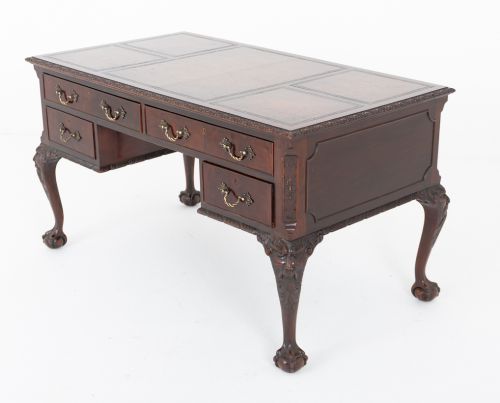
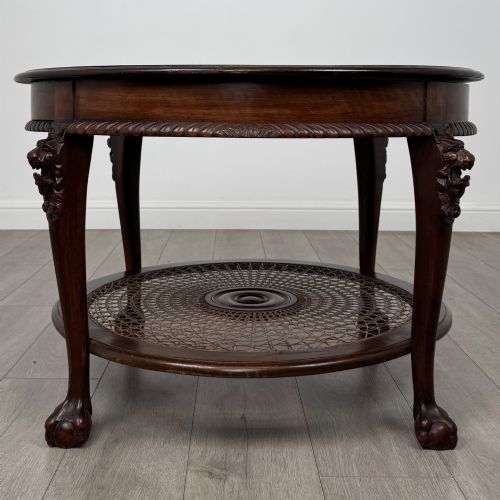
An edwardian chippendale table bridges the gap between eighteenth-century cabinet-making and early twentieth-century interior fashion. You will frequently encounter forms such as wine tables, occasional tables, and extending dining tables built during the Edwardian period and the surrounding decades.
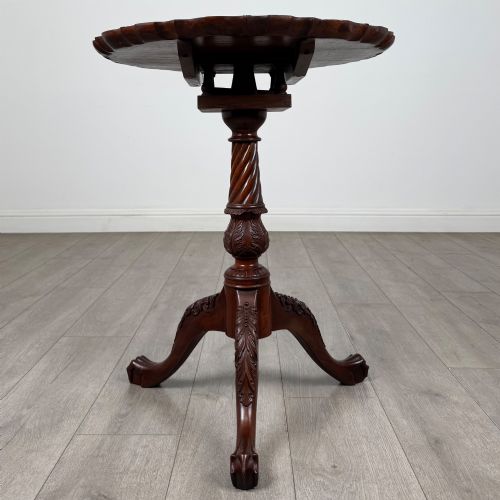
Makers of this era adopted the vocabulary of Thomas Chippendale, combining solid timbers with revival details like carved rims and tripod bases. These pieces served practical domestic roles in drawing rooms and dining rooms, fulfilling the Edwardian appetite for historical revival styles.
The assortment on this page spans compact tea tables, fold-over card tables, and large wind-out dining furniture. Most examples date from around nineteen hundred to the nineteen-twenties, reflecting the revival enthusiasm of the period.
What varies in quality
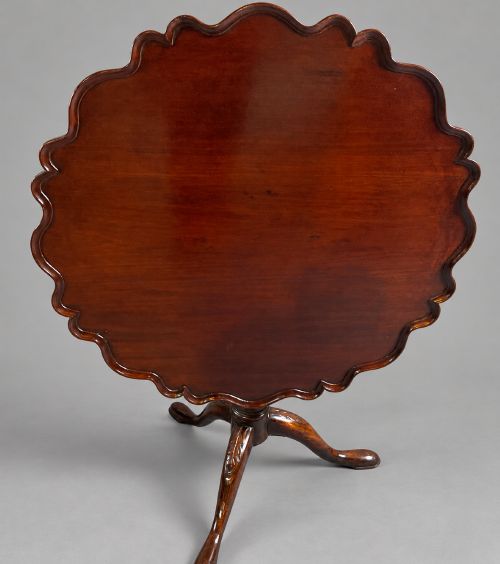
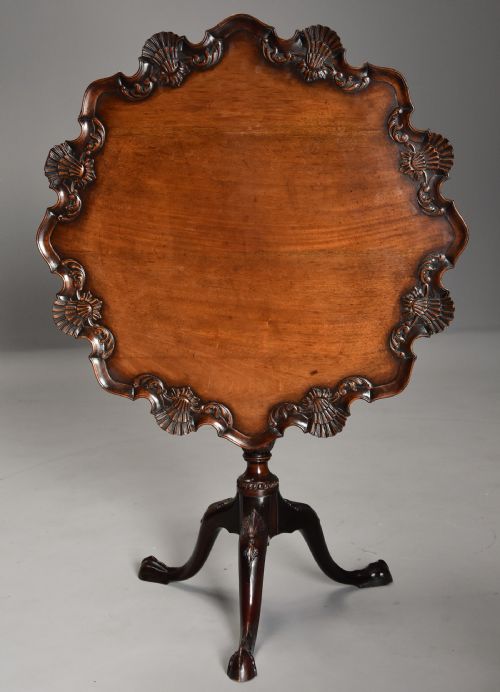
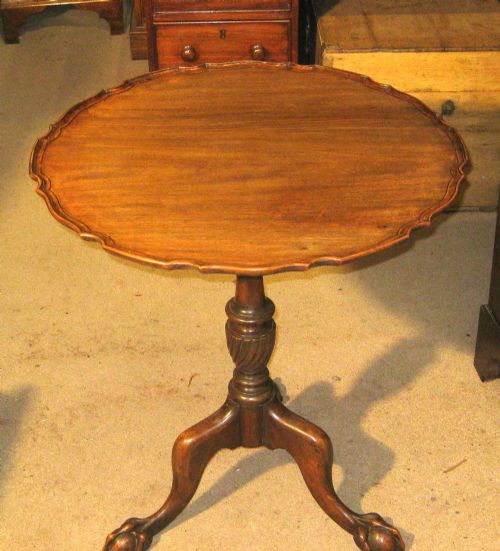
Quality rests heavily on the crispness of the carving and the selection of timber figures. Tables featuring deep, hand-carved pie crust edges or well-matched flame mahogany veneers sit at the upper end of the scale.
Structural integrity and the quality of internal mechanisms also separate standard production from finer workshop output. Wind-out dining tables that operate smoothly and card tables with precise folding actions demonstrate superior original craftsmanship.
Edwardian Chippendale Table Retail Price Guide 2026
Typical asking prices for edwardian chippendale table among the pieces listed under this phrase on Sellingantiques today, from the lower quarter to the upper quarter. They describe what is for sale here now, not the wider market.
Listings feature pieces spanning from the eighteenth century to the nineteen-thirties, with a strong concentration of Edwardian revival furniture.
Gillows·Waring and Gillow
The Edwardian Chippendale Table Glossary
- Pie crust edge
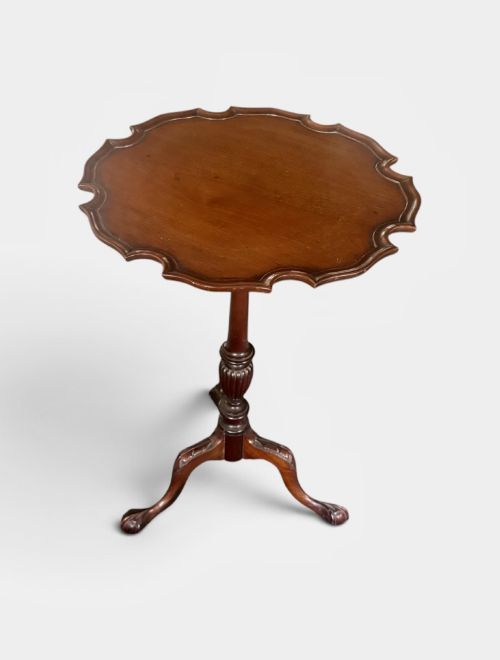
- A raised, decoratively carved rim shaped around the perimeter of a circular table top. This decorative border resembles the fluted pastry edge of a pie.
- Tripod table
- A small freestanding table supported by a central pillar resting on three spreading legs. This form gained popularity in the eighteenth century and remained a staple of Edwardian revival furniture.
- Bijouterie table
- A glass-topped display table designed to showcase small decorative objects, medals, or jewellery. These tables often feature hinged lids and velvet-lined interiors.
- Tilt top table
- A table designed with a mechanism that allows the top to hinge vertically when not in use. This clever space-saving feature enabled the furniture to stand flat against a wall.
- Wind-out table
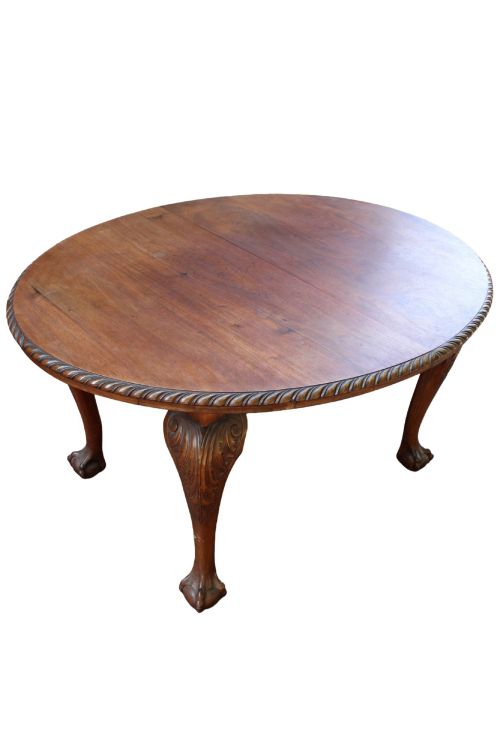
- An extending dining table operated via a mechanical screw mechanism concealed beneath the leaves. Inserting a winding handle draws the table sections apart to accommodate additional leaves.
Edwardian Chippendale Table: Frequently Asked Questions
How do I spot an Edwardian reproduction?
Look closely at the secondary timbers, screw types, and internal construction methods. Edwardian cabinet-makers often utilised machine-sawn framing and modern fixings alongside traditional hand-carving.
Examining the finish and the wear patterns on the underside helps confirm the early twentieth-century date of manufacture rather than an eighteenth-century origin.
Were these tables used daily?
These tables served active roles in Edwardian households, from holding afternoon tea to hosting formal dinner parties and card games. Dining tables and sideboards were built to withstand the rigours of daily domestic service.
Smaller wine tables and occasional pieces were easily moved around drawing rooms as guests and seating arrangements shifted.
How should I care for mahogany?
Keep mahogany furniture away from direct sunlight and strong heat sources to prevent the timber from fading and the veneer from lifting. Regular dusting with a dry, soft cloth preserves the natural lustre of the polished wood.
Avoid modern silicone sprays, opting instead for traditional beeswax applied sparingly when the surface feels dry.
What defines the Chippendale style?
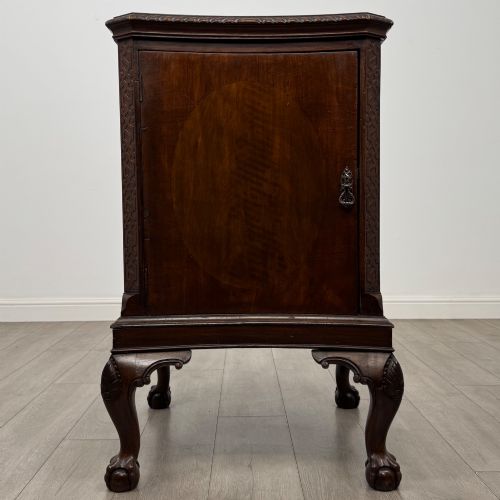
The style draws inspiration from the designs published by Thomas Chippendale in the eighteenth century. Characteristic elements include cabriole legs, claw-and-ball feet, intricate pierced splats, and ornate carved borders.
Edwardian makers reinterpreted these classical motifs with great technical skill, producing lighter and often more accessible revival furniture.