
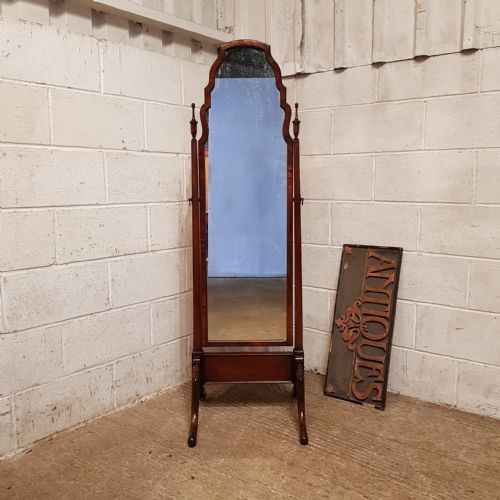


Edwardian Cheval Dressing Glass
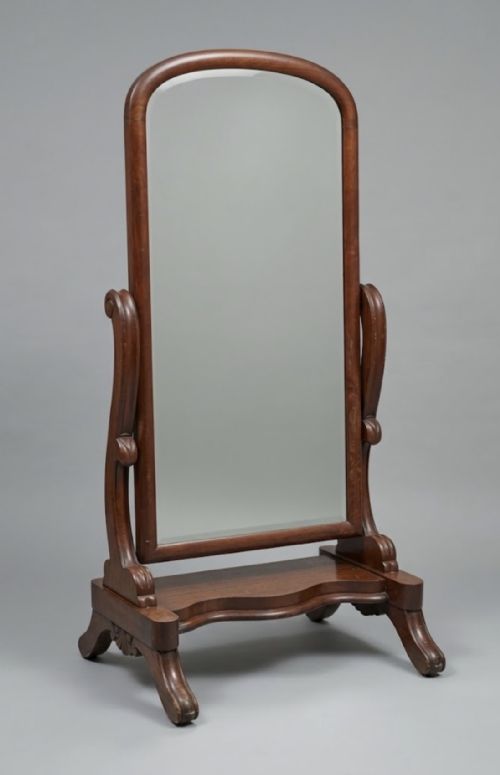
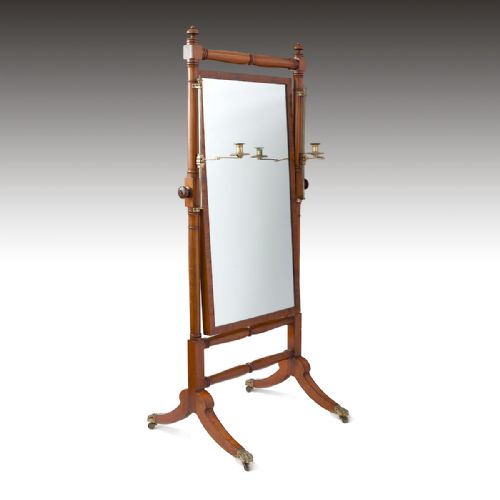
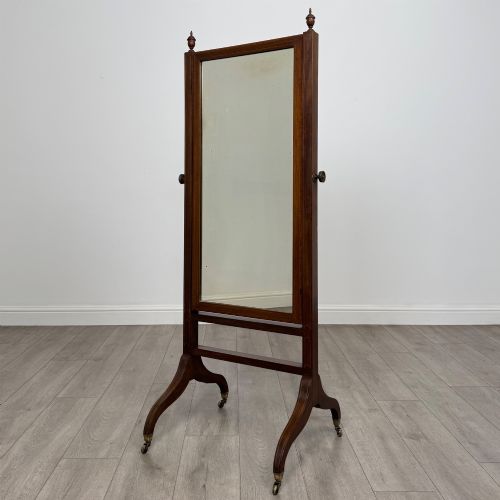
An Edwardian cheval dressing glass is a freestanding, pivot-mounted mirror designed for full-length reflection in the bedroom.
Edwardian Cheval Dressing Glass
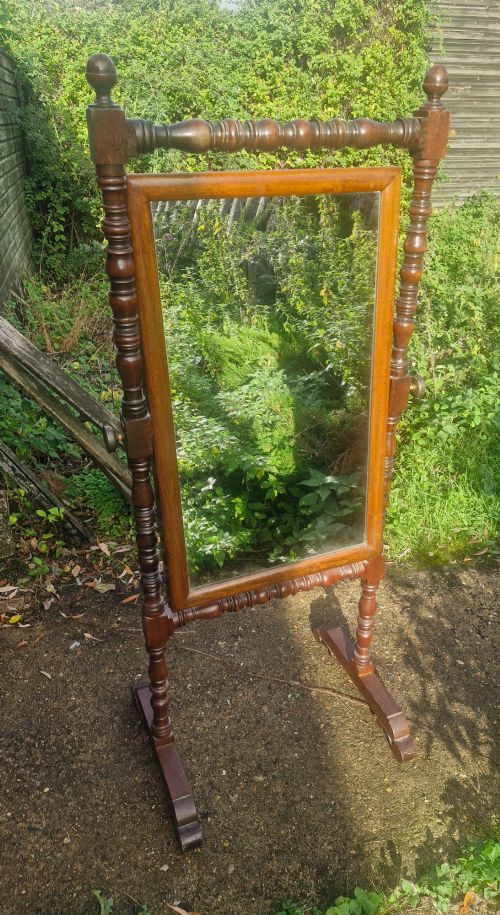
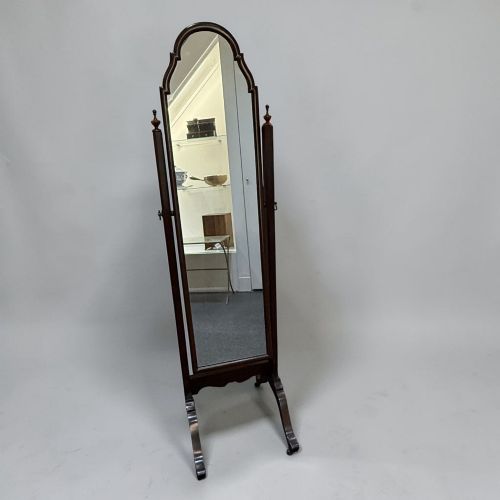
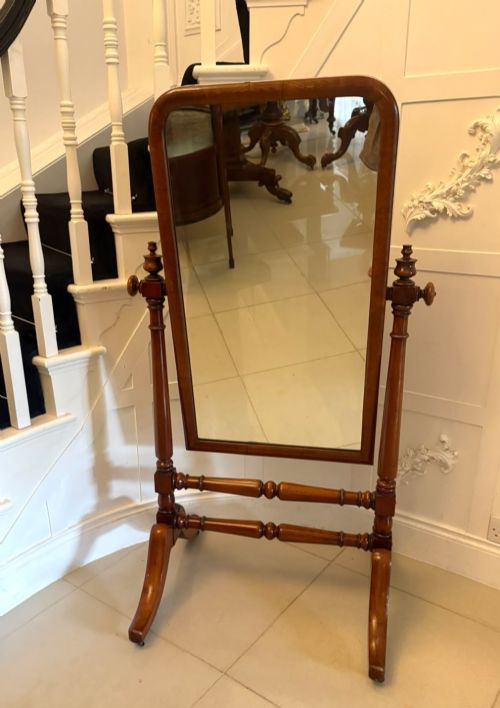
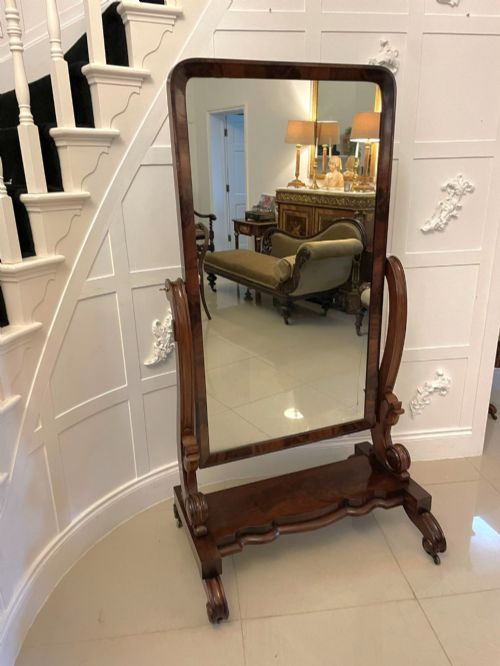
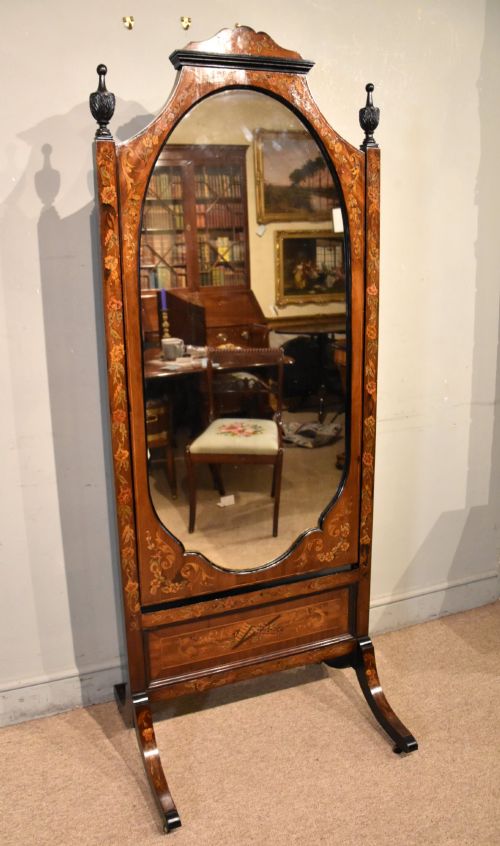
An edwardian cheval dressing glass stands on a floor-standing frame, allowing the glass plate to swing freely between upright pillars. These pieces primarily date from the Edwardian era, though the selection spans from the Georgian and Regency periods through the Victorian age.
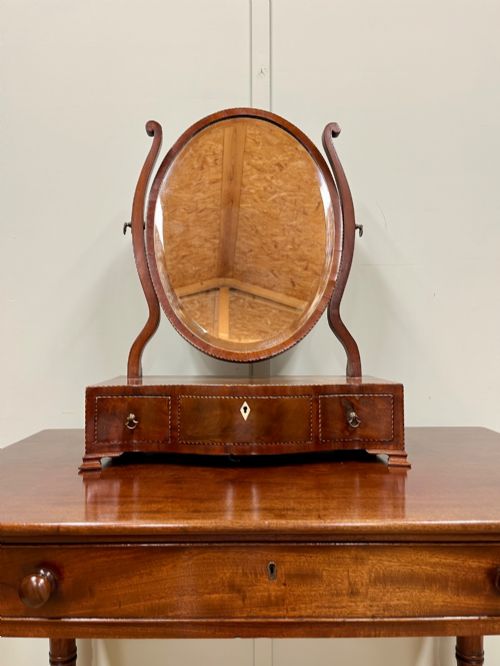
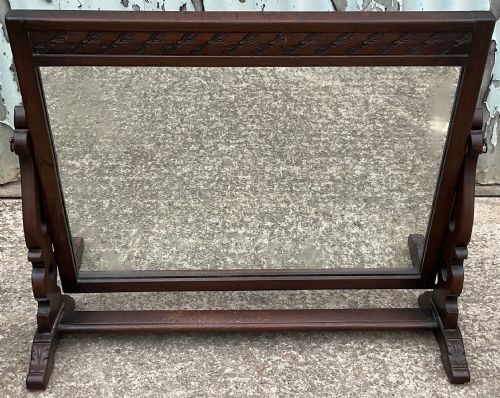
The form appears most frequently in mahogany, occasionally with satinwood, marquetry inlay, or oak. Pieces range from tall floor-standing models to smaller table top versions designed for placement on dressing tables.
Materials and construction
Makers utilised solid timbers such as mahogany, oak, and walnut, often applying marquetry inlay or satinwood veneers to the exterior frames. Mirror glass is mounted within adjustable pivots that allow the angle of the reflection to be altered.
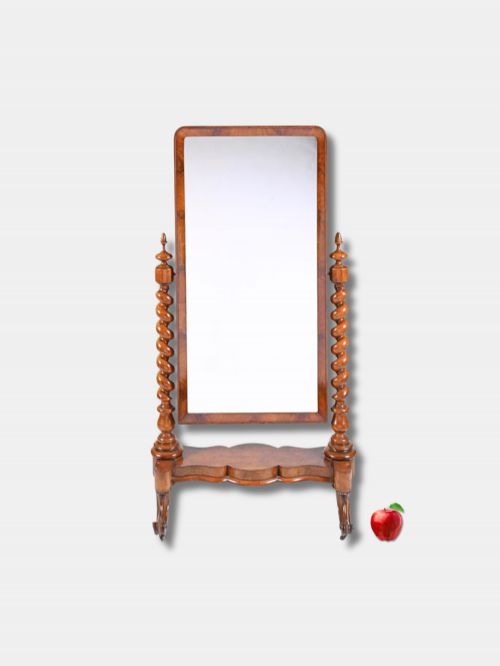
Structural supports include turned uprights, barley twist columns, and sturdy floor-standing bases fitted with splayed legs or trestle supports for stability.
Some dressing glasses include secret compartments in the base for hidden correspondence.
Distinctions in quality
Quality rests in the selection of cabinet timbers, the crispness of marquetry inlay, and the rigidity of the freestanding frame. Superior examples display balanced proportions and substantial timber sections that prevent wobble during adjustment.
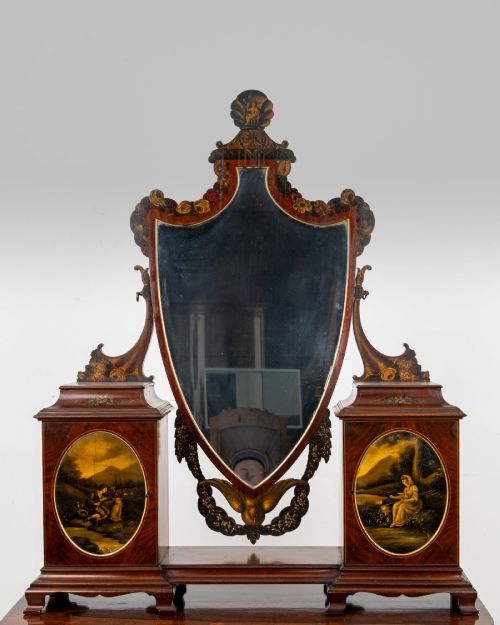
The complexity of the turning on the upright supports and the integration of auxiliary storage, such as jewellery cabinets within the base, mark out finer specimens.
The Edwardian Cheval Dressing Glass Glossary
- Cheval mirror
- A large floor-standing dressing mirror mounted in a frame with pivoting side supports. The word derives from the French for horse, alluding to the four legs of the traditional stand.
- Marquetry inlay
- Decorative patterns formed by fitting contrasting veneers into prepared recesses within the primary timber. This technique appears frequently on satinwood and mahogany surfaces.
- Barley twist
- A spiral turning carved into wooden columns or support pillars. This decorative joinery detail appears on Victorian and Edwardian frames.
- Toilet mirror
- A smaller table top dressing glass designed to sit upon a chest of drawers or a dressing table. Several examples incorporate small drawers or jewellery compartments in the base.
- Pivots
- Metal pins or screw fittings inserted into the sides of the mirror frame to connect it to the vertical uprights. They allow the glass to swing and tilt.
Edwardian Cheval Dressing Glass: Frequently Asked Questions
How do I adjust the mirror angle?
The glass swings between two vertical pillars on threaded metal pivots or brass pins. Tightening or loosening these side connections holds the mirror plate at the desired viewing angle.
Ensure the frame remains level on the floor before adjusting the pivots to prevent undue stress on the wooden uprights.
Where should I place a cheval glass?
These floor-standing mirrors require sufficient clearance in front for full-length viewing. Bedrooms and dressing rooms provide traditional placement.
Position the frame away from direct sunlight to protect the mahogany or satinwood finish and the silvered backing of the mirror glass.
Are these mirrors fixed or removable?
The mirror frame itself lifts out from the supporting uprights by unsecuring the side pivots. This separation makes transport and placement more manageable.
Two people are typically required to lift the frame safely out of the base structure during relocation.
How do I identify an Edwardian piece?
Edwardian examples often feature lighter timbers, satinwood accents, and delicate marquetry inlay compared to heavier Victorian mahogany or oak models. Proportions tend to be refined and upright.
Checking the construction methods and wood types against documented styles helps confirm the period of manufacture.