

Edwardian Carved Wooden Table
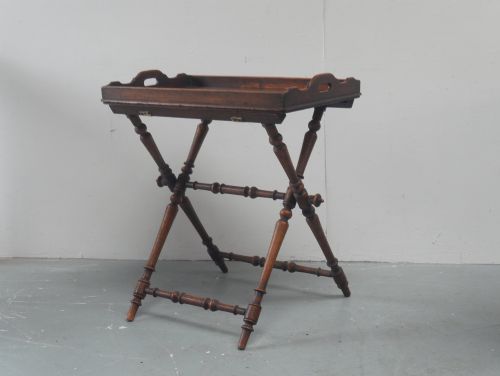
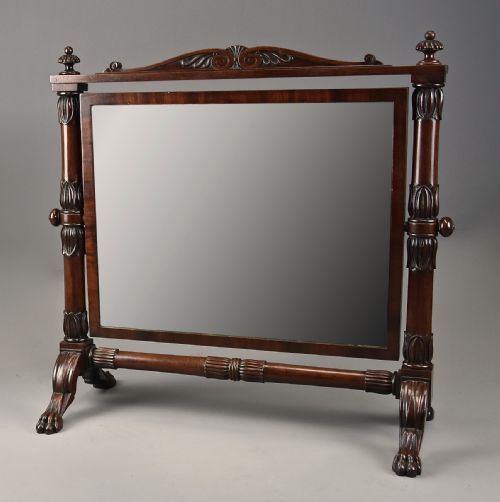
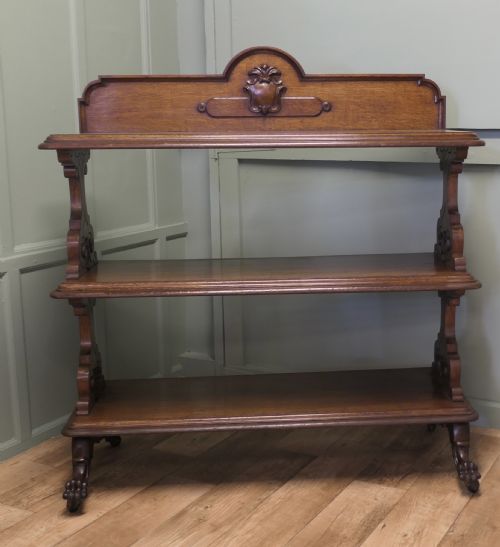
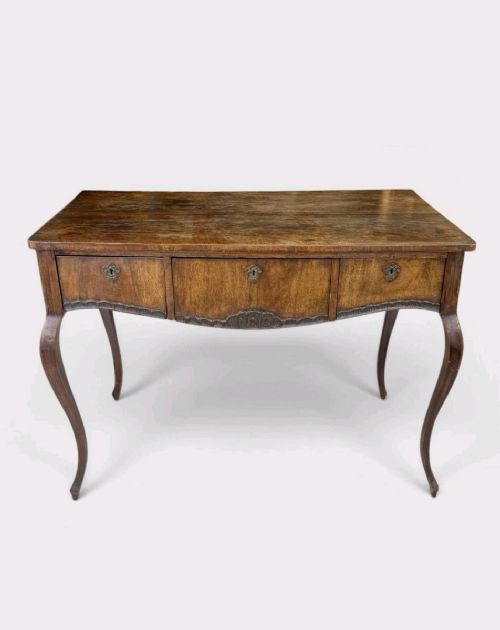
An edwardian carved wooden table brings practical surface space and traditional craftsmanship into a room.
Edwardian Carved Wooden Table
An edwardian carved wooden table is a domestic furnishing designed for functional daily use, typically found in compact forms like side tables or larger dining formats. These tables emerge from a period spanning the late nineteenth and early twentieth centuries, capturing a transitional aesthetic in British homes.
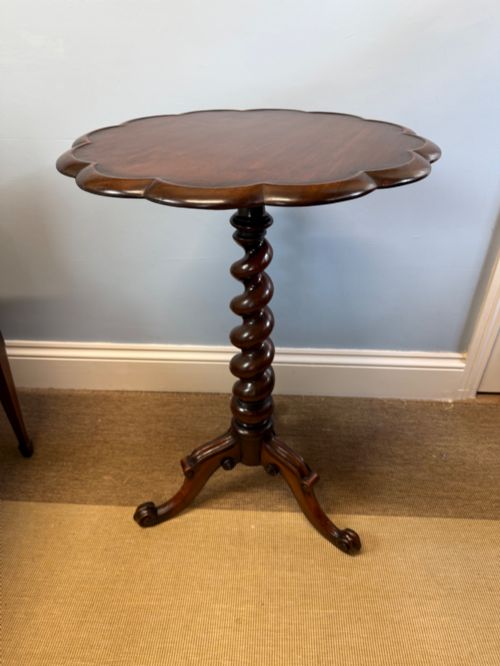
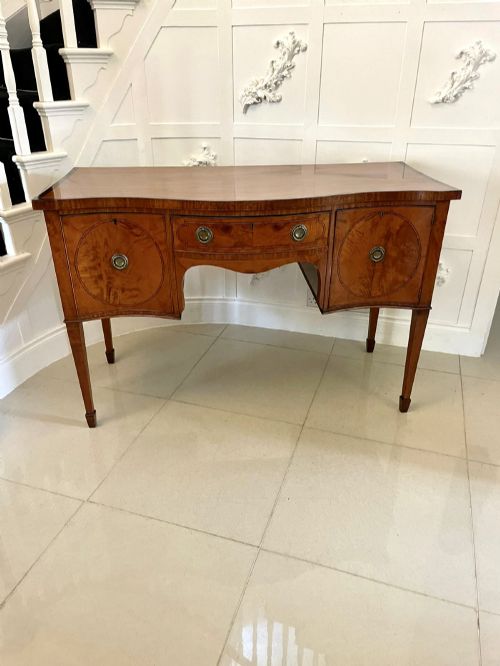
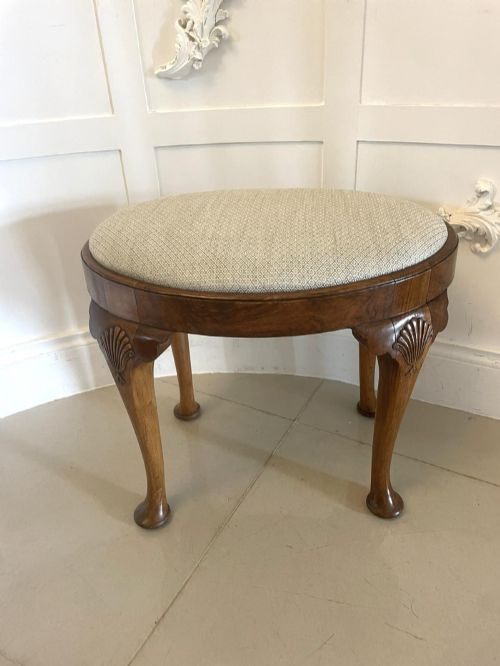
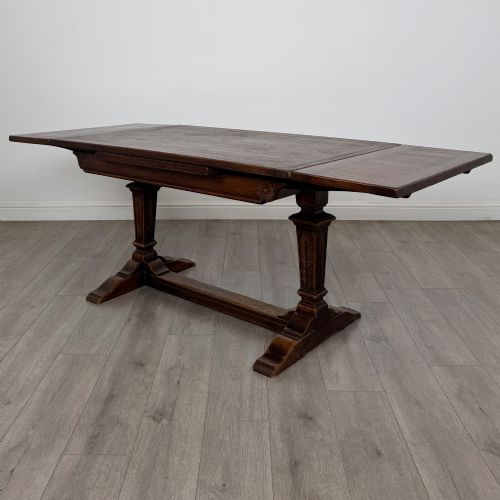
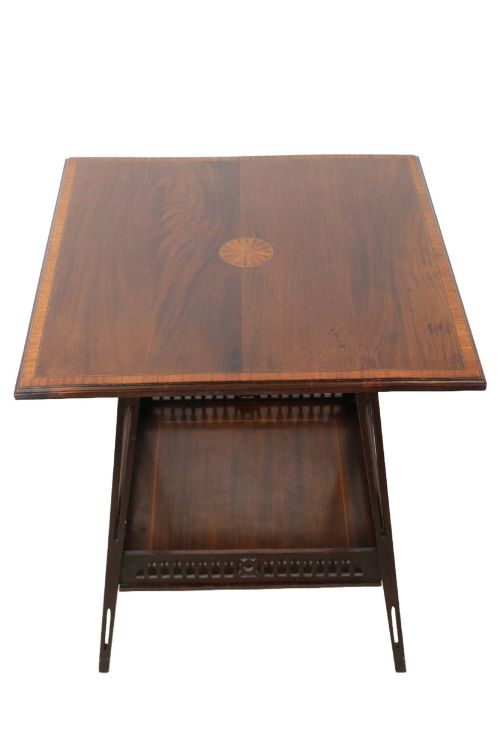
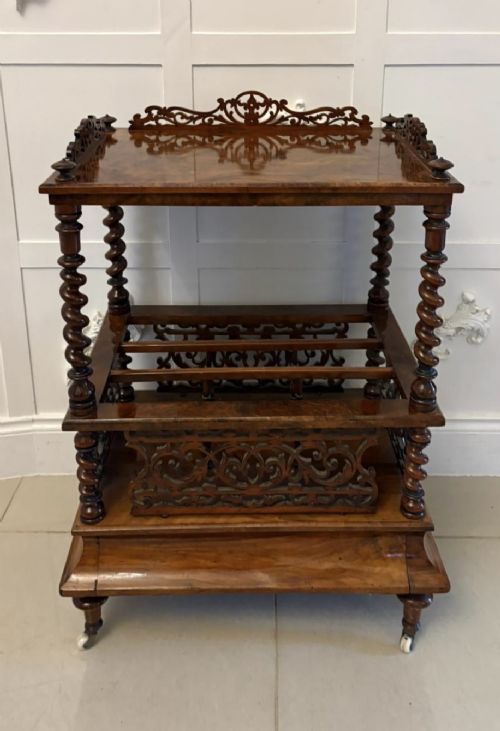
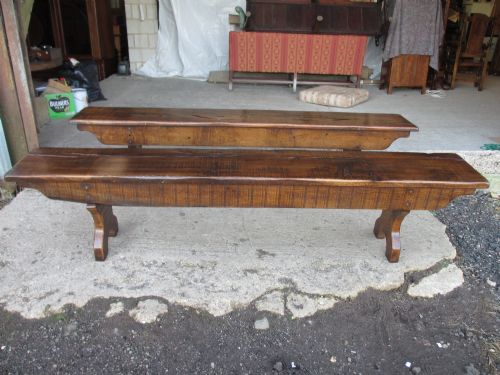
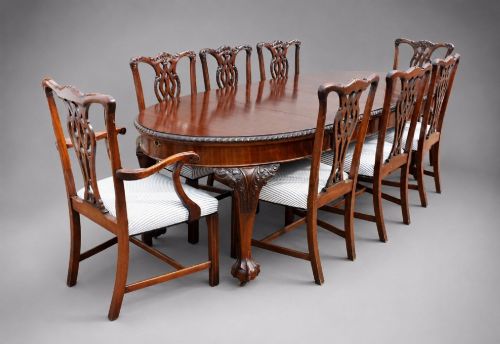
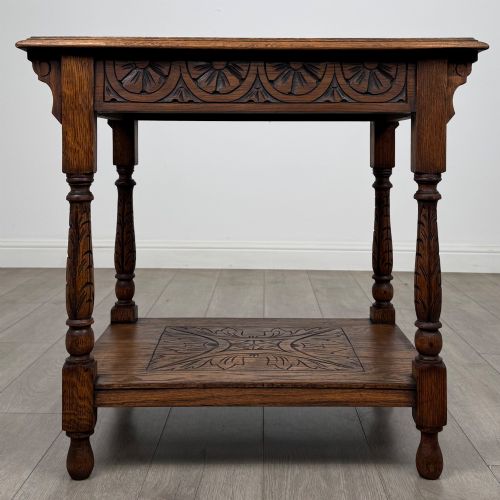
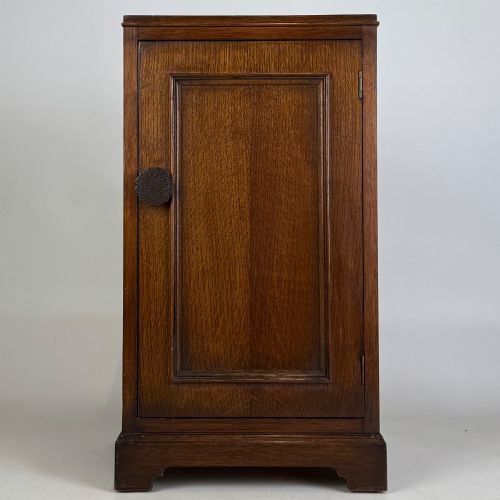
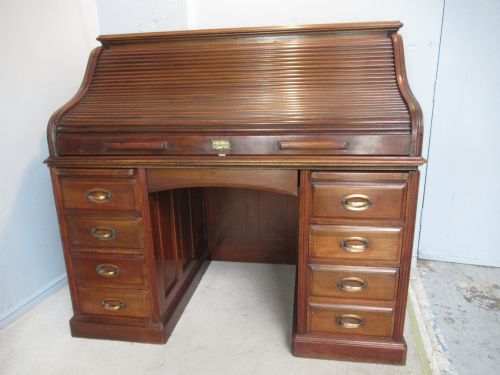
The specimens appearing on this page include examples in oak, mahogany, and walnut, often reflecting Edwardian design alongside Victorian and Arts and Crafts influences. Buyers encounter occasional tables, draw leaf dining tables, and plant stands which display carved wooden detailing.
Makers of the era utilised native and imported timbers to construct items intended for formal reception rooms as well as informal spaces. Surviving pieces present solid construction methods characteristic of early twentieth-century carpentry.
What varies in quality
The standard of timber selection and figure sets individual pieces apart, with rich burr walnut and dense quarter-sawn oak representing higher grades of material. Finer examples display crisp, deep relief carving executed with precision, whereas simpler pieces show shallow or mechanical ornamentation.
Structural integrity depends on the precision of the original joinery and the condition of extension mechanisms in dining tables. Pieces that retain their original polished finish and sound timber joints demonstrate superior survival through decades of domestic use.
A Scottish country house dinner gong waits patiently to announce meals with resonant dignity.
Trevor Page And Co·Walker And Hall
The Edwardian Carved Wooden Table Glossary
- Edwardian
- Relating to the reign of King Edward VII, spanning from 1901 to 1910, noted for lighter furniture forms than the preceding Victorian era.
- Draw leaf
- A dining table construction featuring two sliding leaves stored beneath the main top that pull out to extend the surface.
- Occasional table
- A small, portable table designed for specific, intermittent use within a principal living space.
- Arts and Crafts
- A design movement advocating traditional craftsmanship, simple forms, and visible construction methods.
- Quarter-sawn
- Timber cut radially to the growth rings, producing a stable board with a distinct figure.
Edwardian Carved Wooden Table: Frequently Asked Questions
How do I identify an Edwardian table?
An Edwardian table typically displays lighter proportions than heavy Victorian furniture, often combining traditional joinery with restrained decorative carving. The wood selection frequently includes oak, mahogany, and walnut.
Examination of the construction methods reveals machine-assisted preparation combined with hand-finished assembly. Period details align with designs popular between the late nineteenth century and the outbreak of the First World War.
Where were these tables used?
These tables served various domestic functions in Edwardian households, ranging from drawing rooms to dining spaces and hallways. Smaller occasional tables held lamps and ornaments, while draw leaf formats accommodated family meals.
Their placement depended on scale, with compact side tables sitting beside seating and robust oak versions operating in communal rooms.
How do I care for wooden tables?
Regular dusting with a dry, soft cloth maintains the polished surface without accumulating abrasive particles. Protection from direct sunlight and extreme temperature fluctuations preserves the natural timber and veneer.
Application of appropriate wax polish periodically nourishes the wood grain and protects the historic finish. Avoiding moisture buildup prevents water rings and veneer lifting.
What is a draw leaf table?
A draw leaf table is an extendable dining table featuring two supplementary leaves positioned beneath the primary top. Users pull these leaves outward from each end to increase surface area.
This mechanism allows the table to remain compact for daily use while expanding easily for gatherings. The internal runners require careful alignment to operate smoothly.