






Georgian Revival Lamp Table
A georgian revival lamp table brings eighteenth-century elegance into the modern room, offering compact surface space atop classic timber framing.
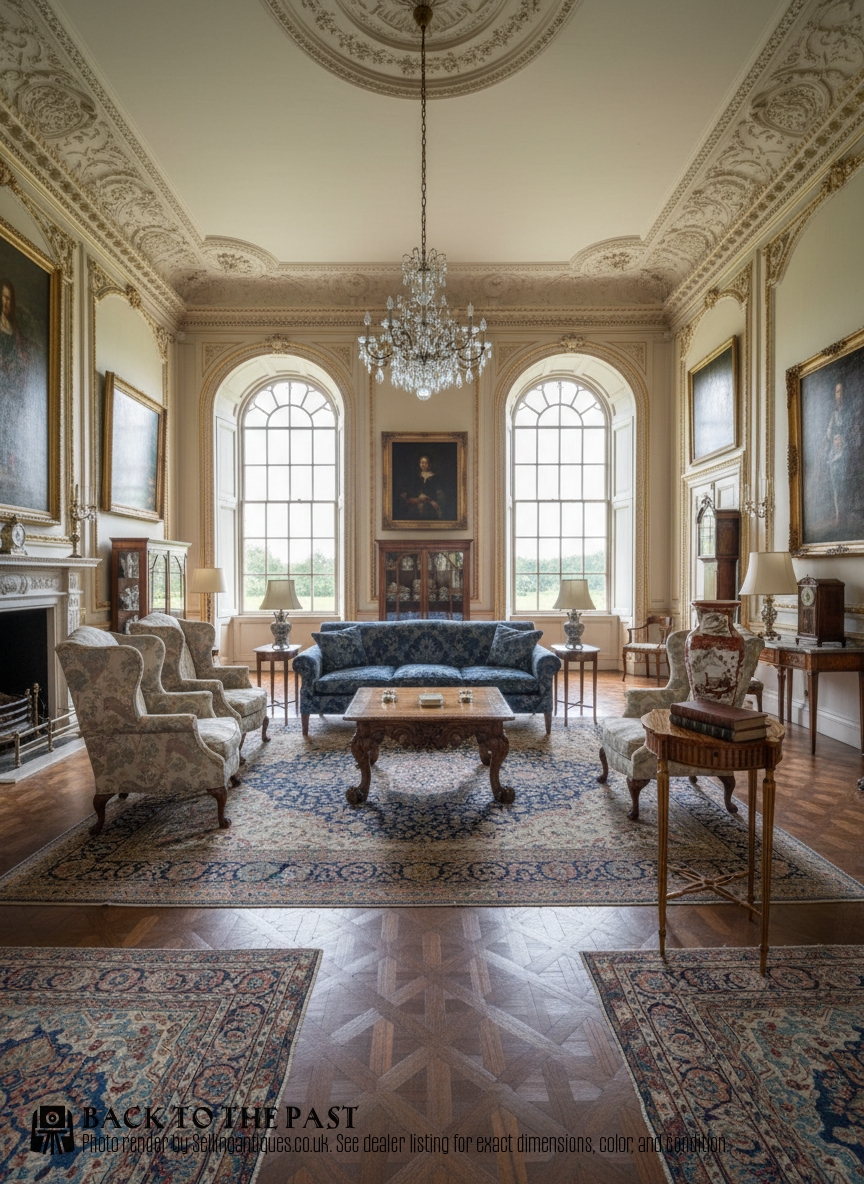
Georgian Revival Lamp Table
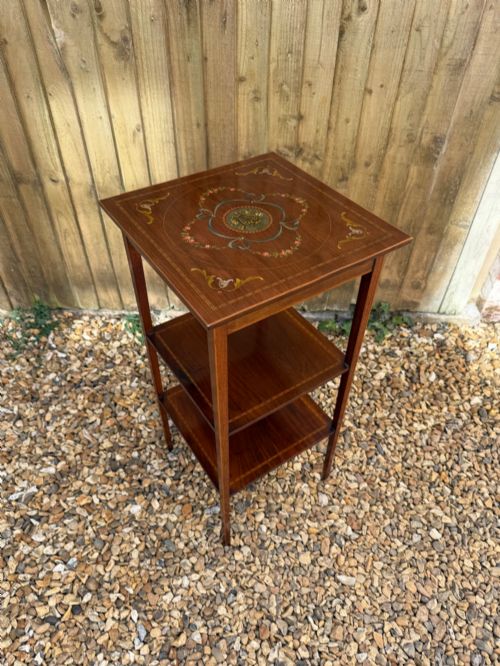
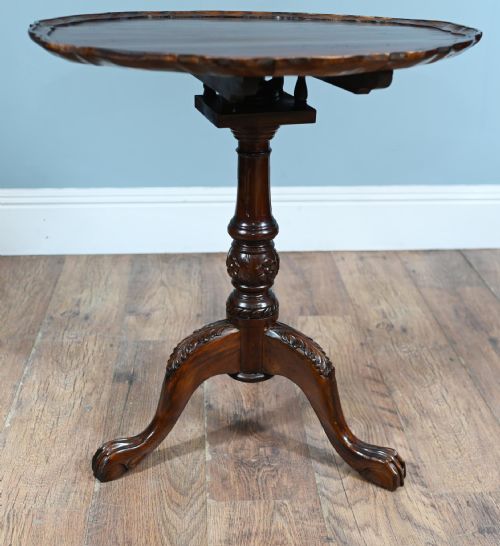
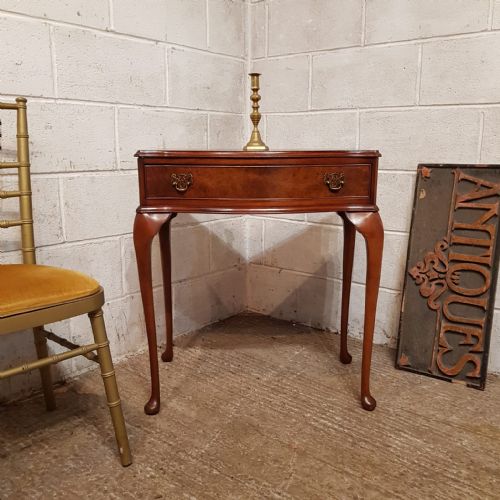
A georgian revival lamp table takes inspiration from earlier eighteenth-century forms, appearing most frequently in the guise of occasional, side, and centre tables dating from the late nineteenth century through to the 1920s. These pieces draw heavily upon Sheraton, Chippendale, and Queen Anne design vocabularies, reinterpreting classic proportions for later domestic interiors.
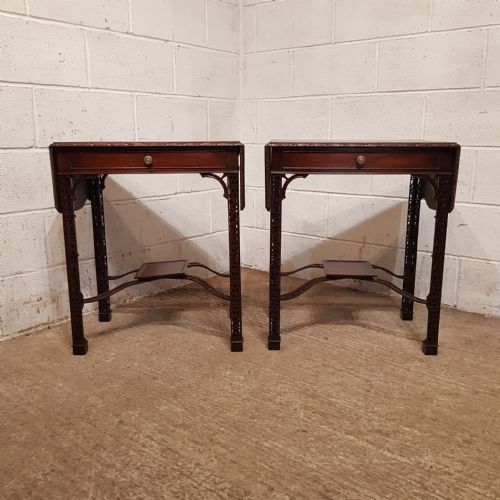
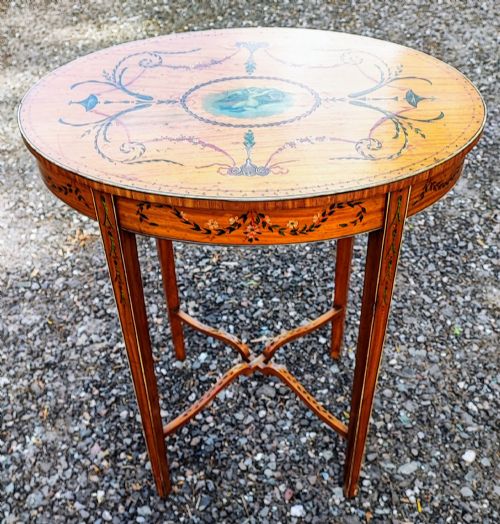
Makers of this period produced varied formats, ranging from tilt-top wine tables and drop-leaf designs to satinwood occasional pieces and painted lamp stands. Walnut, mahogany, and oak form the structural backbone of these survivors, often augmented by detailed inlay work.
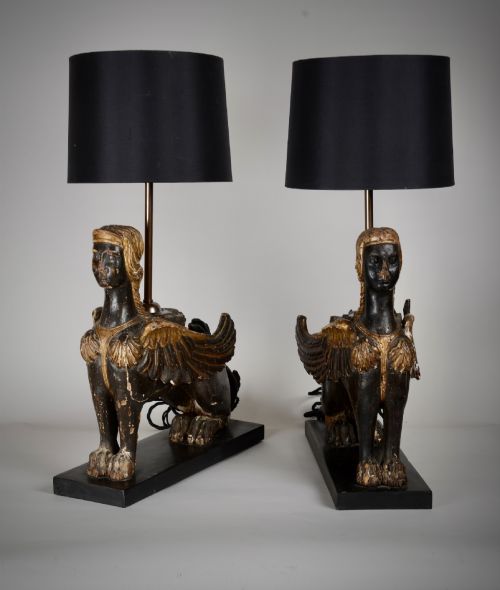
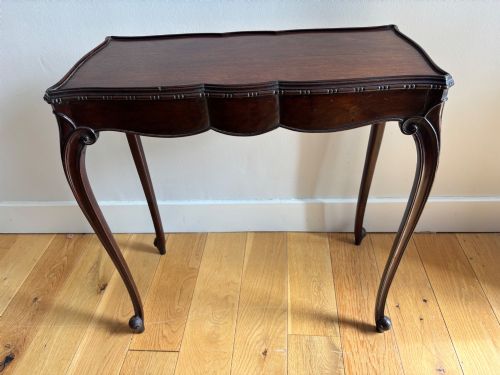
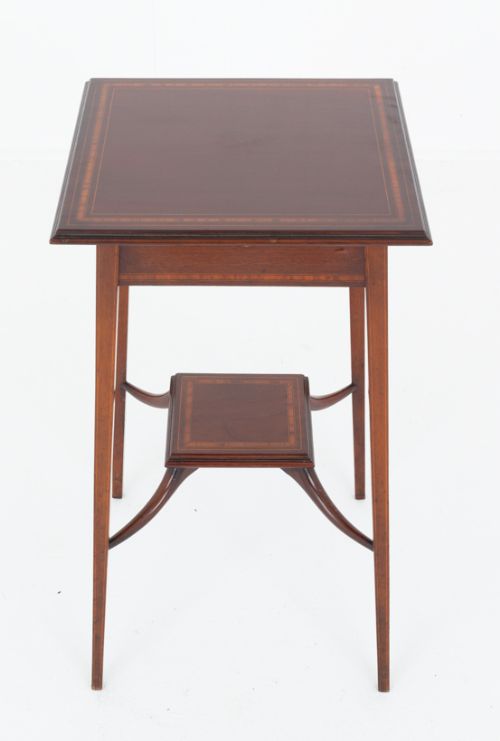
The pieces on this page demonstrate the enduring appeal of Georgian lines executed by later hands, functioning primarily as lamp tables, side stands, and display surfaces. Buyers meet a rich variety of timber selections and revival styles that reflect the eclectic tastes of the Edwardian and late Victorian eras.
What varies in quality
The degree of refinement in the timber selection and inlay work marks the distinction between standard production and superior examples. Finer tables display carefully chosen veneers, crisp boxwood stringing, and balanced proportions that echo the original eighteenth-century ideals.
Execution of carved details, such as those found on Chippendale revival legs, demonstrates the skill of the individual workshop. A piece succeeds when the timber preparation, joinery, and decorative elements harmonize without feeling overly crowded.
The listings here include materials such as mahogany, satinwood, walnut, marble, and brass, spanning the Victorian, Edwardian, and 1920s periods.
The Georgian Revival Lamp Table Glossary
- Chippendale Revival
- A style popular around 1900 emulating the mid-eighteenth-century work of Thomas Chippendale. Pieces commonly display carved mahogany surfaces and sturdy cabriole legs.
- Occasional Table
- A small, movable table designed for a specific, transient use in a room. These versatile pieces serve well beside seating or as lamp supports.
- Satinwood
- A durable, yellowish wood prized for its lustrous sheen and smooth texture. Makers used it extensively for veneering and inlay on fine tables.
Georgian Revival Lamp Table: Frequently Asked Questions
What is a georgian revival lamp table?
A georgian revival lamp table is a later piece, typically made between the late nineteenth century and the nineteen-twenties, that copies eighteenth-century styles. These tables provide practical surface space while channeling classic design aesthetics.
Craftsmen built them using traditional hardwoods and decorative veneers to suit the domestic requirements of their own era.
How do I style one at home?
These tables adapt easily to various interior schemes, functioning effectively beside arm sofas, reading chairs, or beds. Their compact footprints allow them to fit into corners or smaller spaces without dominating the room.
Pairing a walnut or mahogany table with simple lighting lets the timber grain and inlay work remain the visual focus.
How do I date these tables?
Dating relies upon examining timber characteristics, construction methods, and revival style markers such as painted satinwood or Edwardian brass hardware. Pieces from the late nineteenth and early twentieth centuries often combine older silhouettes with contemporary workshop practices.
Comparing the specific revival style, whether Sheraton or Chippendale, helps narrow down the period of manufacture.
Are these tables sturdy enough for daily use?
Makers constructed these tables from solid hardwoods like mahogany and oak, ensuring they remain robust for everyday placement. Their original purpose as occasional or lamp tables equipped them to bear moderate weight.
Regular care and sensible placement keep the joints secure and protect delicate veneer or painted finishes from excessive wear.