


Neoclassical Mahogany Side Table
A neoclassical mahogany side table brings balanced proportions, rich timber and classical restraint into a room.
Neoclassical Mahogany Side Table
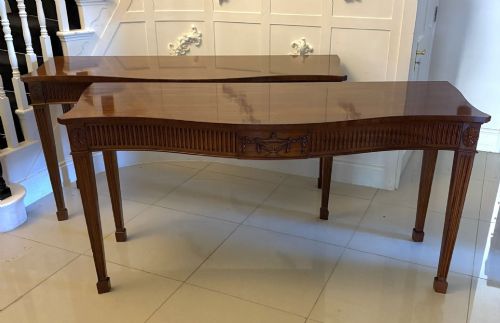
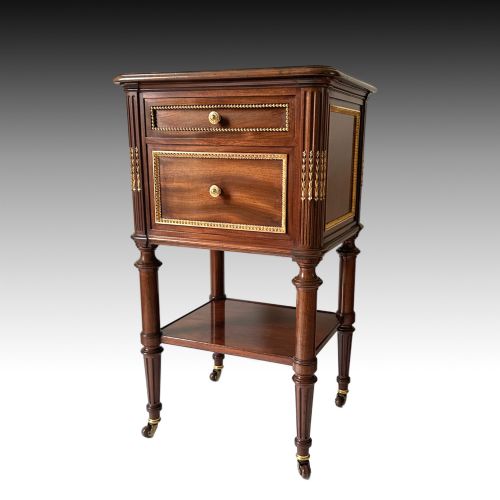
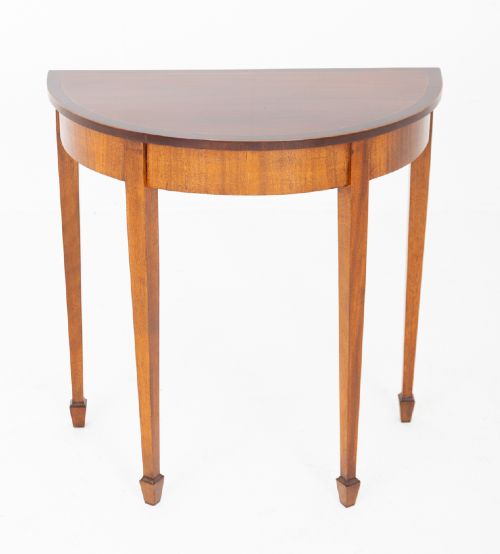
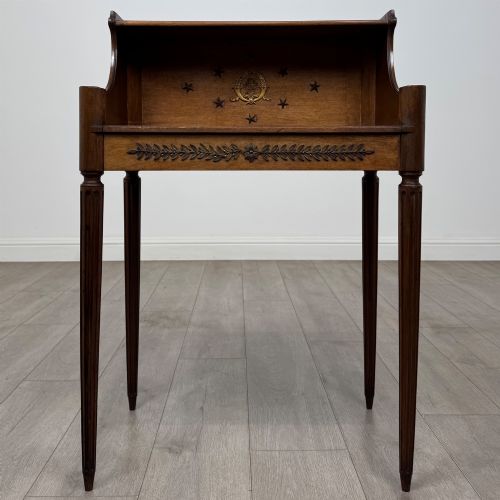
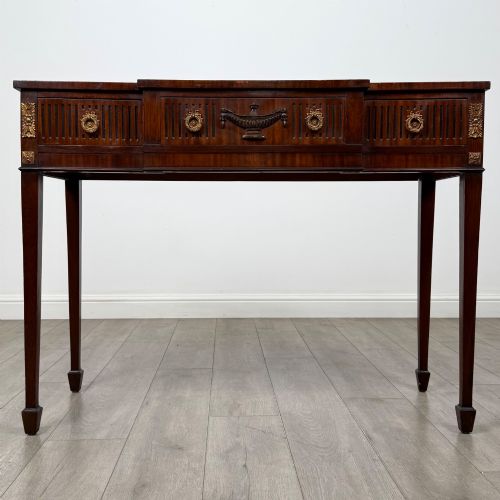
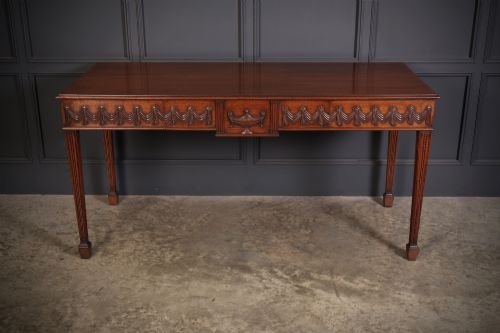
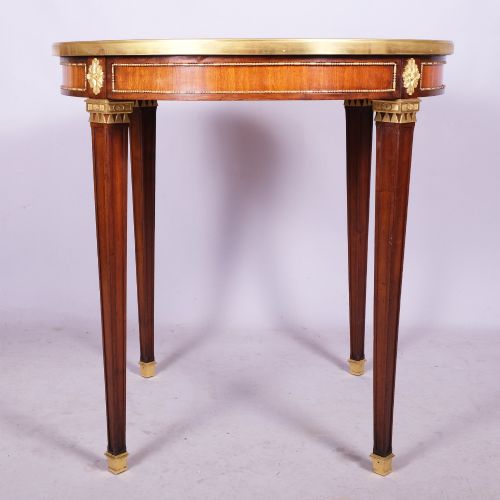
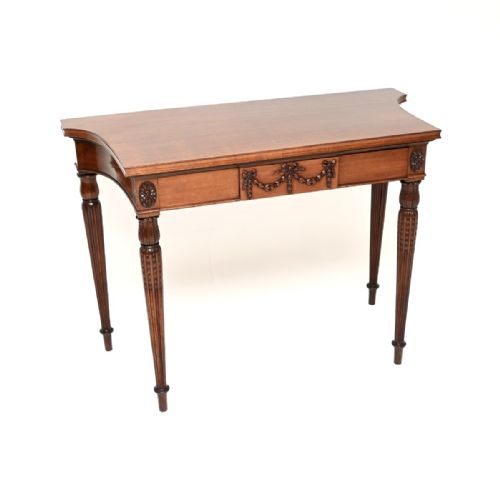
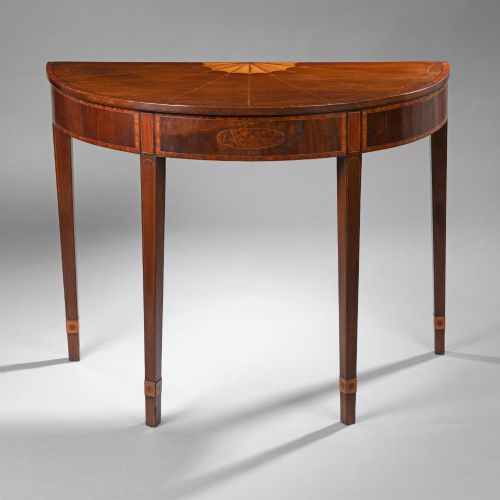
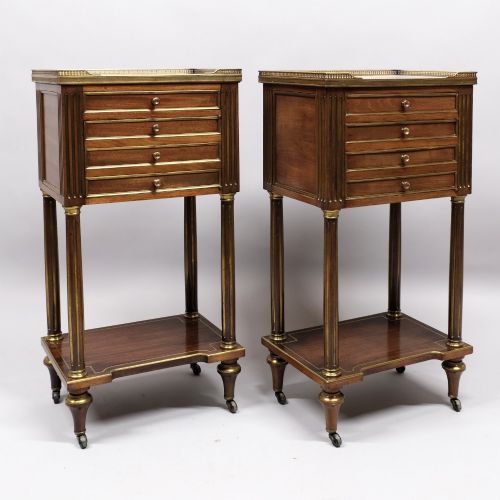
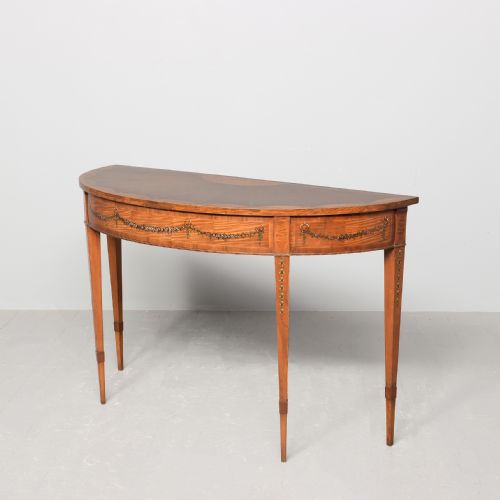
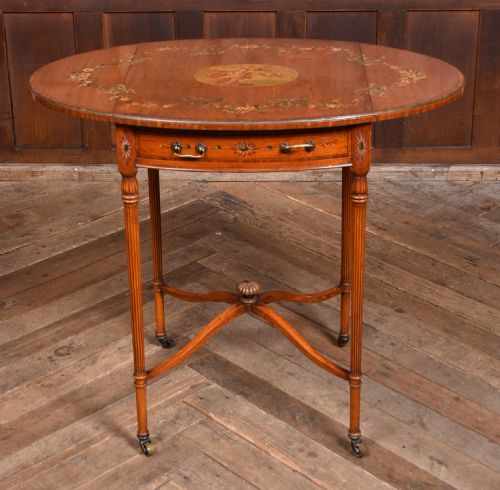
A neoclassical mahogany side table is a formal surface designed to stand against a wall or in the centre of a room, drawing on the architecture of classical antiquity. These items appear in formats ranging from demi-lune console tables and serving tables to occasional tables, bedside cabinets and gueridons. The pieces seen here span periods from the eighteenth century through the Georgian and Regency eras into the nineteenth and early twentieth centuries.
The most common versions met on this page are console tables and side tables built in mahogany, often following George III, Sheraton, Adam or French Empire designs. They take the form of D-shaped, semi-elliptical or rectangular tops supported by tapering legs or heavy pedestals. Buyers seek these tables for their architectural discipline, clean lines and the warmth of polished timber combined with classical ornament.
How they were made
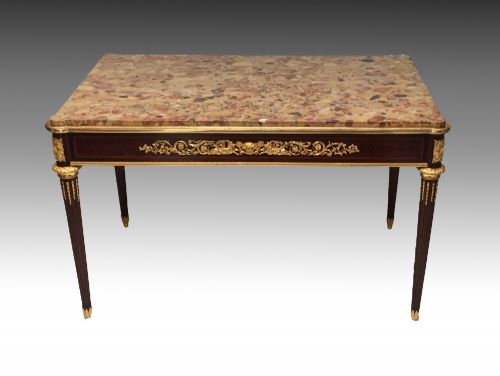
Makers built these tables using solid mahogany and mahogany veneers over secondary timbers, shaping the wood into serpentine, demi-lune or straight-fronted carcases. Many examples incorporate contrasting timbers such as satinwood and boxwood for delicate stringing and inlay work. Tops are frequently fashioned from marble or fossil marble, providing a cool, solid contrast to the dark grain of the wood.
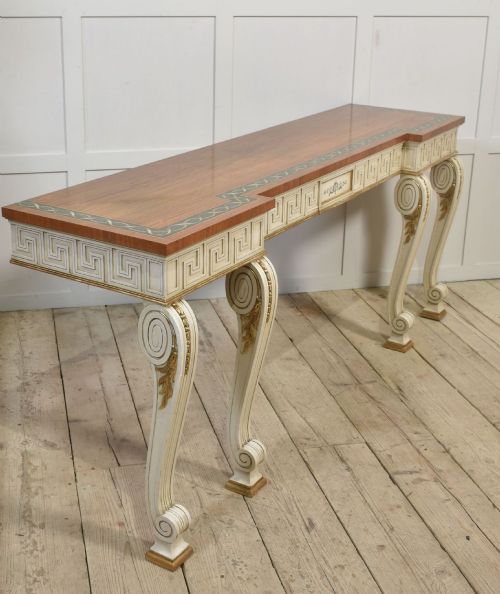
Metalwork played a defining structural and decorative role, particularly cast or gilt ormolu mounts, brass galleries and decorative details such as rams' heads and swan motifs. Paint was also utilised on specific painted console tables, often paired with neoclassical carving in the Adams taste. French and English workshops employed skilled joiners and metalworkers to merge these diverse materials into cohesive classical statements.
Listings span the eighteenth, nineteenth and early twentieth centuries, featuring materials from mahogany and marble to ormolu and boxwood inlay.
What varies in quality
The degree of refinement in the carving and the crispness of the ormolu mounts separate superior examples from standard production. Top-tier pieces display sharply chiselled mounts and hand-carved classical details that retain their depth, whereas lesser tables rely on softer, shallower moulding. The choice of timber grain also dictates value, with highly figured mahogany and intricate satinwood inlay marking out the finest work.
Structural integrity and the retention of original elements determine the standing of an individual table. Tables that preserve their original marble tops, fire-gilt mounts and untouched timber patination command greater regard than those with replaced components or heavily stripped surfaces. The overall harmony of the proportions reflects the skill of the original workshop.
Jean Joseph Chapuis·Wilkinson London·Gillows
The Neoclassical Mahogany Side Table Glossary
- Demi-lune
- A half-moon shape used for console and side tables designed to sit flush against a wall. This form became popular during the Georgian period for smaller rooms.
- Ormolu
- Gilded bronze used for decorative mounts and accents on French and English neoclassical furniture. It provides a bright metallic contrast to dark mahogany.
- Gueridon
- A small circular French table supported by a central pillar or multiple legs. These tables often feature marble tops and classical base motifs.
- Console table
- A table fixed to a wall or designed to stand against one, frequently supported by front legs or brackets. They often feature elaborate friezes and marble tops.
- Inlay
- A technique where pieces of contrasting wood, such as boxwood or satinwood, are inserted into the mahogany surface to form patterns. It defines Sheraton and neoclassical decoration.
Neoclassical Mahogany Side Table: Frequently Asked Questions
Where should I place a neoclassical mahogany side table?
These tables suit hallways, drawing rooms and dining rooms where their architectural lines can be appreciated against a wall. Demi-lune formats fit neatly into entranceways or beneath mirrors.
In larger spaces, circular gueridons or centre tables work well freestanding in the middle of a room, holding lamps or decorative objects.
How do I care for the mahogany and marble surfaces?
Dust mahogany regularly with a soft, dry cloth and feed the wood occasionally with a traditional wax to maintain its lustre. Avoid placing the timber in direct sunlight or near heat sources.
Clean marble tops with a damp sponge and mild soap, ensuring you wipe away acidic liquids immediately to prevent etching the stone.
How can I tell a George III table from a later revival piece?
Examine the construction methods, timber choice and secondary woods used on the underside and drawer linings. Eighteenth-century pieces typically show hand-cut dovetails and native secondary timbers.
Revival pieces from the late nineteenth or twentieth century often display machine-tooled elements and different internal construction signs, even when following identical classical patterns.
What is the difference between a console table and a side table?
A console table is traditionally designed to be supported against a wall, sometimes anchored directly to it for stability. These often feature ornate front legs and decorated aprons.
A side table is a broader term for any smaller table meant to stand against a wall, possessing four independent legs and a more self-contained structure.