


Edwardian Carved Seat
When you search for edwardian carved seat, you find timber frames shaped with period motifs to furnish halls and parlours.
Edwardian Carved Seat
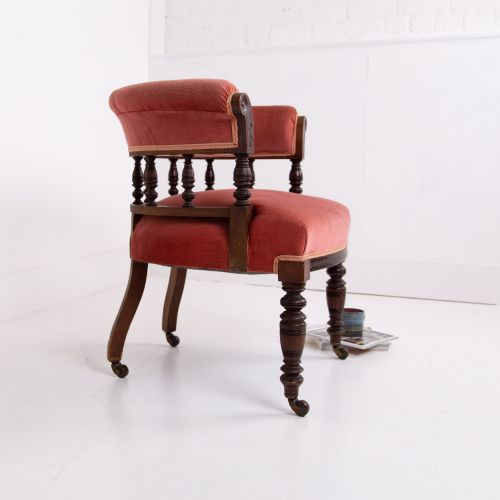
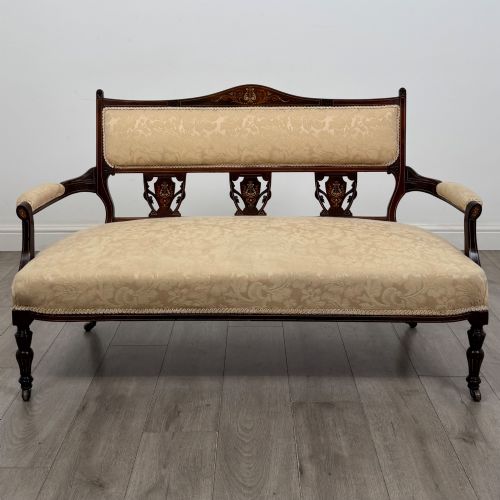
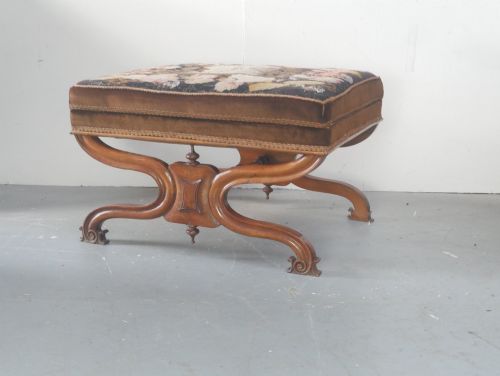
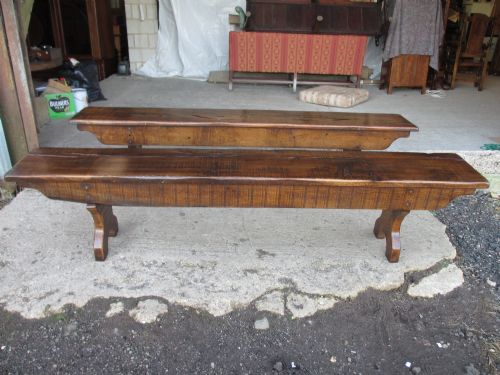
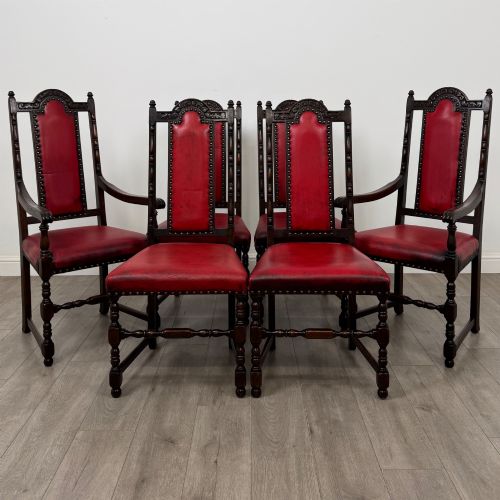
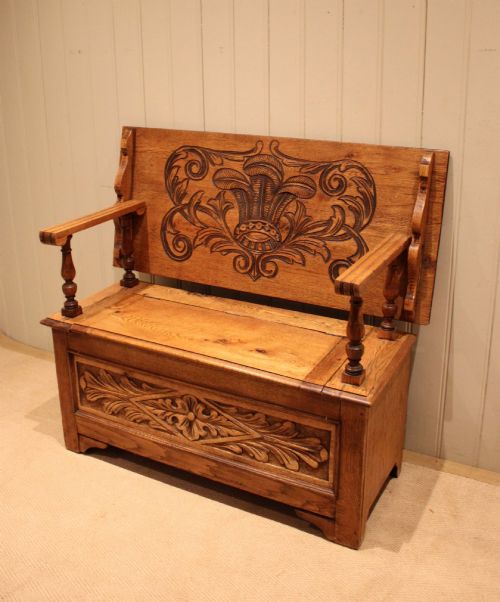
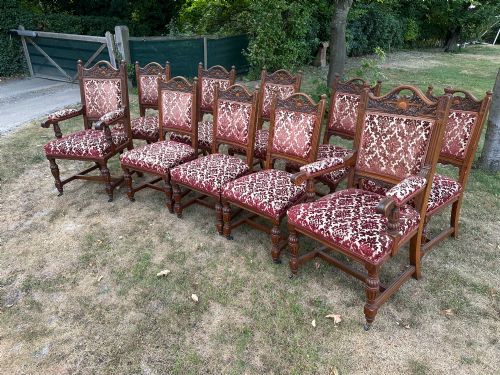
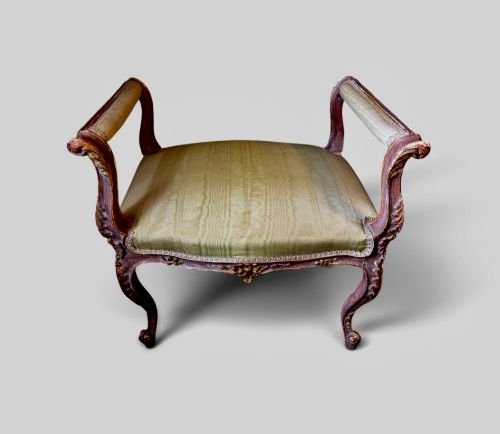
Buyers seeking an edwardian carved seat examine items built for domestic comfort and reception spaces during the early twentieth century. These furnishings range from heavy timber benches placed in entrance halls to lighter armchairs and window seats positioned in reception rooms.
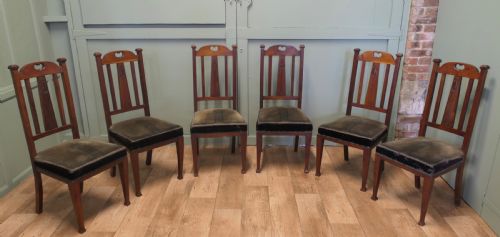
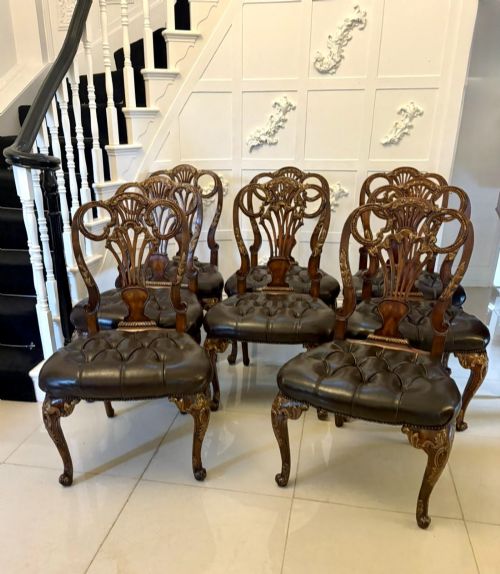
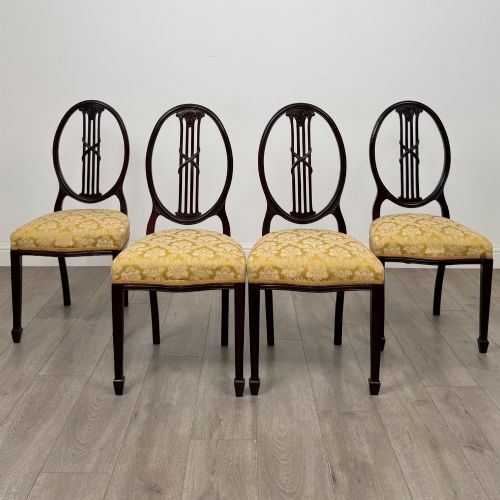
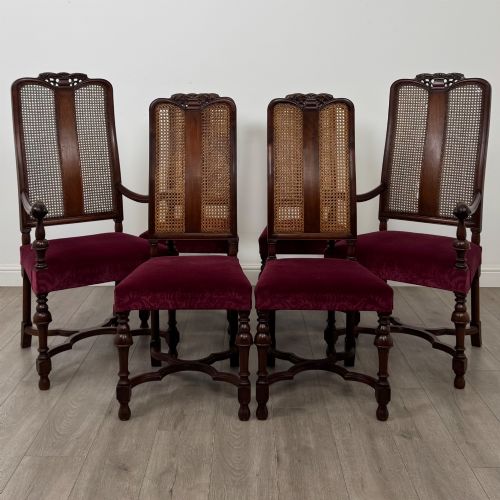
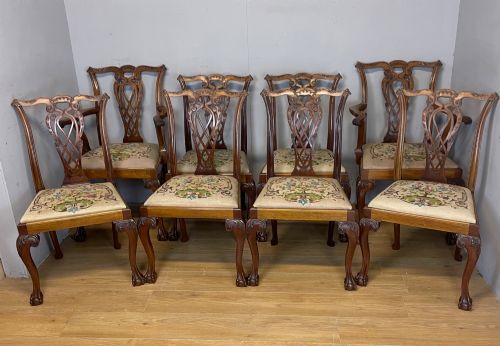
The selections on this page span forms such as dining chairs, stools, hall seats, and settees, reflecting the domestic requirements of the period. While Edwardian pieces dominate, the selection includes related Victorian and early twentieth century examples sharing similar timber construction.
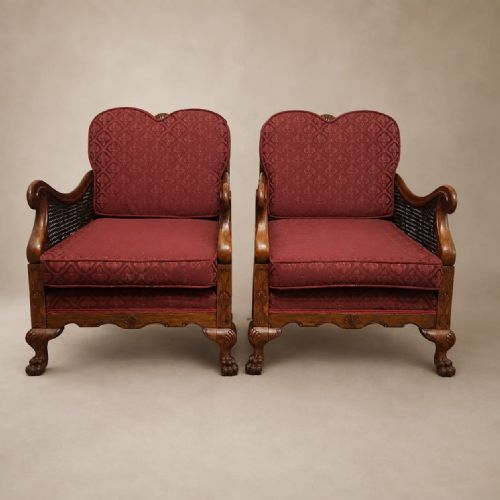
Makers produced these seating options in various woods like oak, walnut, and mahogany, often incorporating cane panels or upholstery in velvet, leather, and fabric. The practical function of each piece dictated its scale, from compact piano stools to expansive seating suites.
Materials and Construction
Cabinet makers utilised dense hardwoods including mahogany, oak, and walnut to build the structural frames for an edwardian carved seat. These timbers provided the necessary strength for daily use while accepting detailed chisel work along the crest rails and legs.
Craftsmen integrated decorative elements such as split cane panels, brass accents, and carved wooden motifs into the timber skeletons. Upholstered variants received coverings of leather, velvet, and woven fabric fastened over internal padding.
Listings feature oak, walnut, and mahogany frames alongside fabric, leather, and cane upholstery across Edwardian and Victorian periods.
Distinctions in Quality
The standard of an edwardian carved seat depends on the depth and crispness of the chisel work applied to the timber frame. Superior examples display sharply defined motifs without the softening or filling often seen in commercial reproductions.
Material selection and structural joinery separate finer workshop output from utility furniture. Well-chosen grain patterns in the mahogany, oak, or walnut, combined with tight joints, indicate superior construction standards.
Charles Tozer·Warings·Maple & Co·Gillows·Whytock & Reid
The Edwardian Carved Seat Glossary
- Bergere
- An upholstered wooden armchair with enclosed cane panels on the back and sides. This French-inspired form appeared frequently in early twentieth-century drawing rooms.
- Cabriole leg
- A furniture leg that curves out and then in, resembling the shape of an animal's leg. It terminates in a pad, claw, or hoof foot.
- Hall seat
- A sturdy wooden bench or settle designed for an entrance hallway, often incorporating storage or a panelled back. These pieces welcomed visitors and provided a place to change footwear.
- Shield back
- A chair back shaped in the outline of a heraldic shield, popularised in the eighteenth century and revived during later periods. The central splat is often pierced and carved.
- Stool
- A backless seat supported by three or four legs, utilised in bedrooms, dressing areas, and parlours. Examples range from small piano variants to large dressing table benches.
Edwardian Carved Seat: Frequently Asked Questions
What is an edwardian carved seat?
An edwardian carved seat is a wooden chair, bench, or stool produced in the early twentieth century featuring decorative chisel work. These items served functional roles in hallways, dining rooms, and parlours.
Craftsmen built them primarily from oak, walnut, and mahogany, often combining them with cane panels or upholstered pads.
Where were they placed in homes?
Homeowners positioned these furnishings according to their specific form, placing heavy benches in entrance halls to manage outerwear. Lighter chairs and window seats went into drawing rooms and bedrooms.
Their placement balanced practical utility with the decorative standards of the era.
How do I care for timber frames?
Timber frames require stable indoor humidity levels to prevent the wood from drying out and cracking. Regular dusting with a dry cloth keeps the surface clean without damaging the polish.
Avoid placing wooden furniture near direct heat sources or in strong sunlight.
How are different periods identified?
Periods are identified by examining the timber species, the style of the carved motifs, and construction methods. Edwardian pieces often show lighter proportions compared to heavy Victorian furniture.
Revival styles borrow decorative vocabulary from earlier centuries like the Georgian or Jacobean eras.