



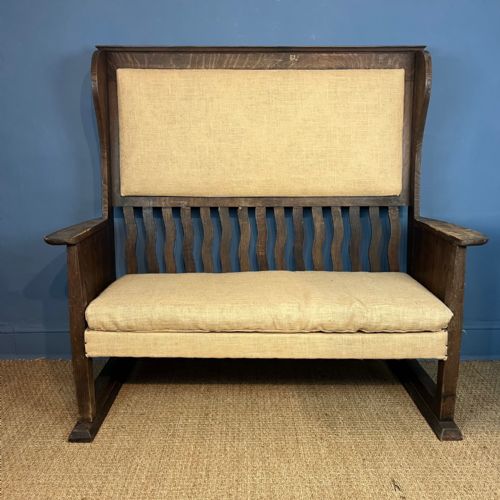


Edwardian Oak Settle
The Edwardian oak settle is a sturdy hallway seat built for utility, offering panelled backs and substantial timber construction.
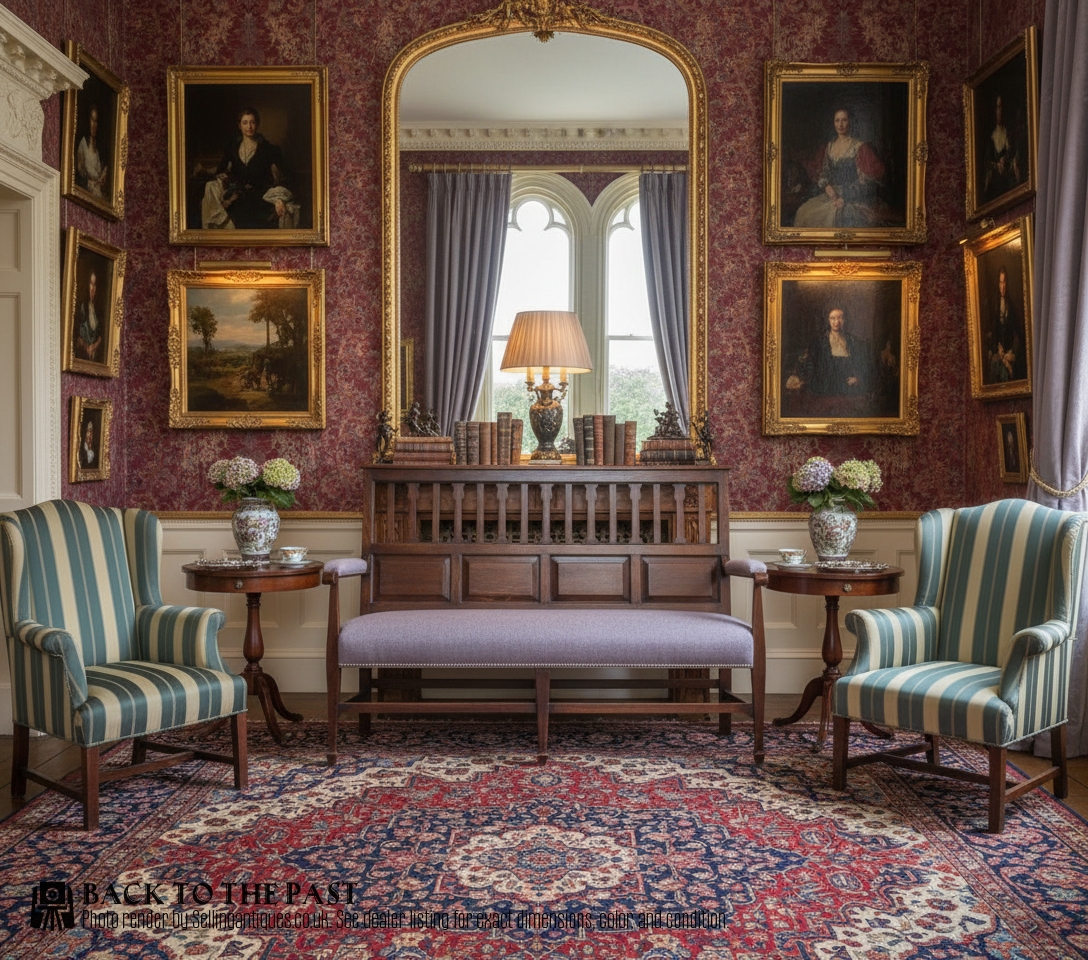
What They Are
An Edwardian oak settle is a heavy timber bench designed for the hallway, often featuring a high panelled back to keep out draughts. These pieces combine the function of a bench with the architectural presence of traditional seating.
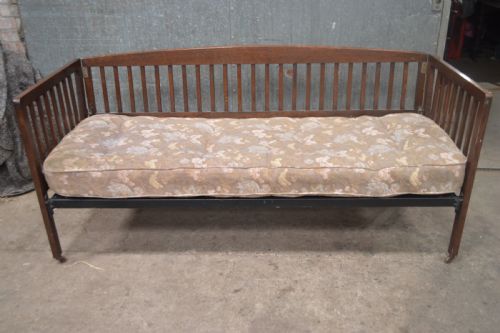
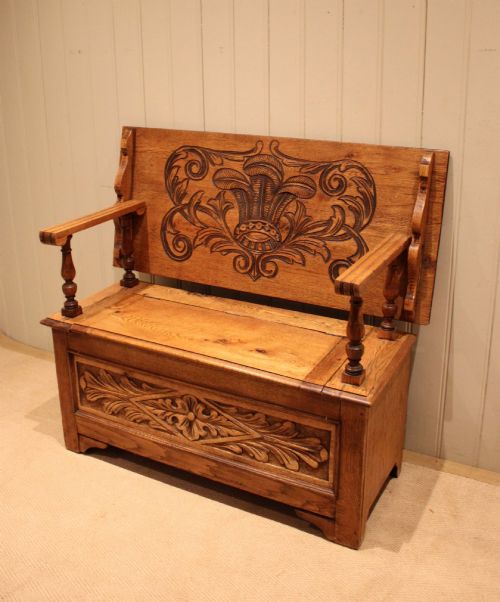
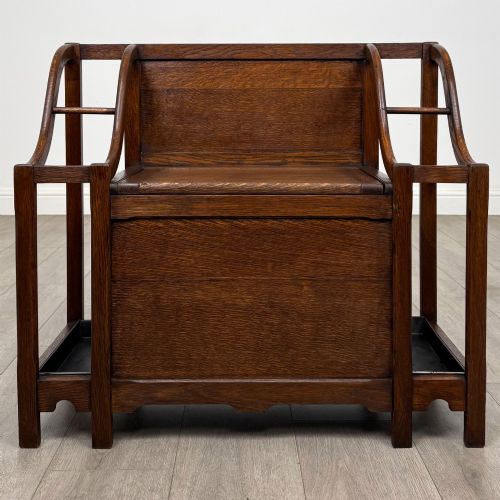
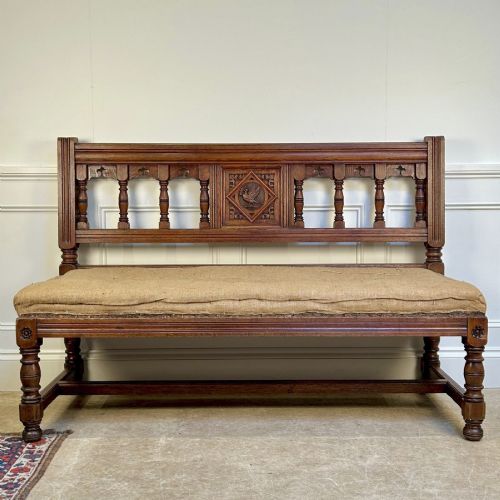
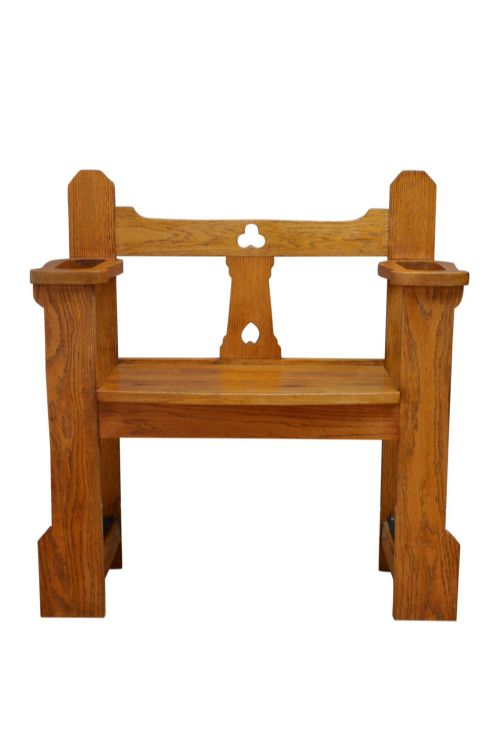
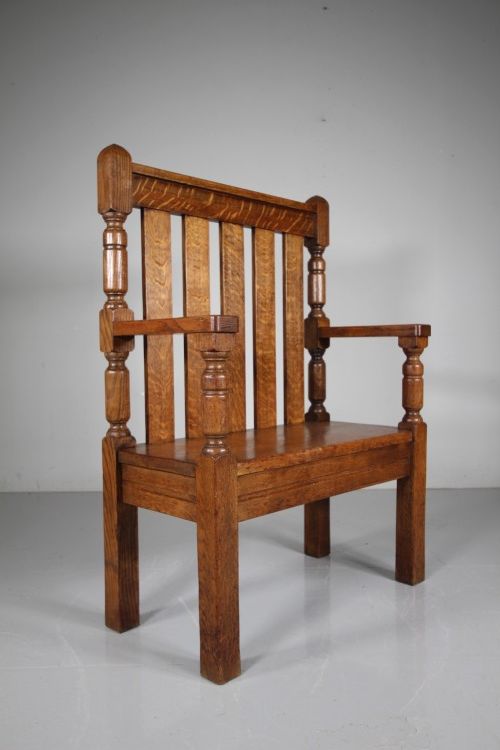
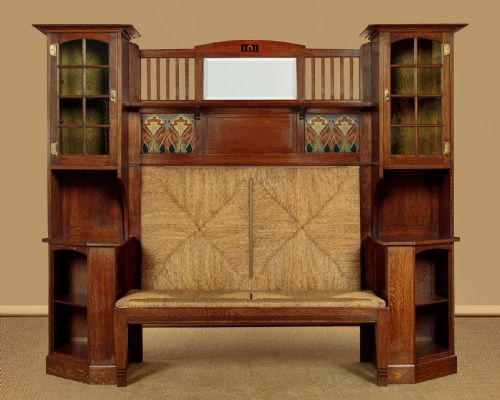
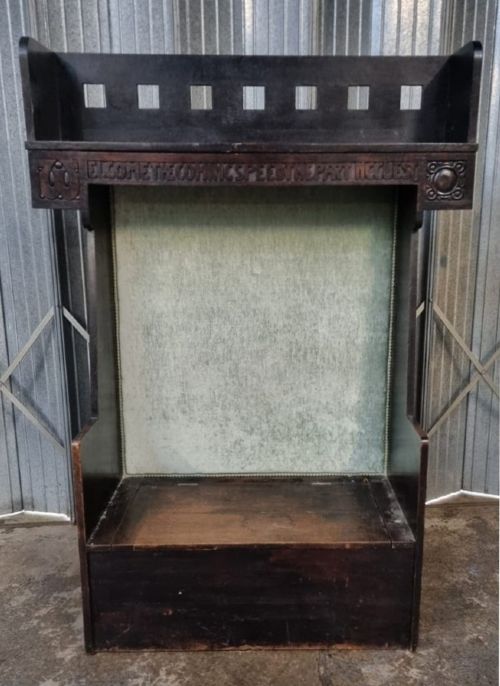
The versions met on this page span the period around 1900 and embrace both plain vernacular forms and Arts and Crafts designs. Pieces appear variously as hall seats, box settles with lift-up lids, and wide pew benches.
Makers of the Edwardian period built these benches to anchor a hallway or entrance space. They serve as practical seating that doubles as storage in box settle variants.
How They Were Made
These settles are constructed entirely from solid oak, sometimes referred to as golden oak, utilising traditional joinery methods such as mortise and tenon. Timber is selected for its strong grain and durability in heavy-use environments.
Carving and metal hardware appear across the examples, with metal hinges and fittings securing the functional elements of box seats. Surface treatment relies on hand-finished polishing to highlight the natural qualities of the oak.
Some settles double as giant wooden chests, perfect for hiding muddy boots from unexpected guests.
What Varies in Quality
Quality in an Edwardian settle rests upon the weight of the timber and the crispness of any carved detailing on the back panels. Plain oak benches rely entirely on proportion and timber selection, whereas Arts and Crafts examples show skill in structural line and hardware integration.
The integration of storage compartments, such as the enclosed box base found in monk's bench variants, affects the overall heft and construction complexity. Superior pieces maintain tight joints and substantial thickness in the seat boards and arm supports.
The Edwardian Oak Settle Glossary
- Settle
- A wooden bench with a high back, solid arms, and frequently a box base for storage. This form dates back centuries but saw a revival in the Edwardian period.
- Edwardian
- Pertaining to the reign of King Edward VII, spanning the early years of the twentieth century. Furniture from this era often reinterprets earlier vernacular styles with lighter proportions.
- Arts and Crafts
- A design movement valuing handcraftsmanship, simple construction, and vernacular traditions. Pieces in this style emphasise honest materials like oak and exposed structural joints.
- Box settle
- A variant featuring a hinged seat that lifts to reveal a storage compartment beneath. It provides both seating and enclosed space for household items.
Frequently Asked Questions
Where should I place an oak settle?
An Edwardian oak settle suits a spacious hallway or entrance passage where its high back can serve as a functional windbreak. It also works well against a blank wall in a large living room or dining area.
Because these benches are deep and heavy, ensure the floor space allows room for comfortable passage in front of the seat.
How do I care for Edwardian oak?
Maintain the timber by dusting regularly with a dry cloth and occasionally applying a traditional beeswax to nourish the surface. Avoid placing the settle near direct heat sources or in strong sunlight, which can dry out the oak.
Gentle care preserves the original finish and helps maintain the rich colour of the wood over time.
What is a box settle?
A box settle incorporates a storage compartment beneath the hinged seat, offering hidden space for blankets or hall items. This dual-purpose design was particularly popular in domestic interiors for keeping hallways tidy.
The heavy lid doubles as the seat base, requiring sturdy metal hinges to support daily use.
Are these benches comfortable?
Edwardian settles feature upright wooden backs and solid seats designed for posture rather than lounging. Many historical examples were intended for brief seating in an entryway rather than hours of relaxation.
Adding a loose fabric cushion can soften the wooden seat while retaining the visible Arts and Crafts aesthetic.