

Edwardian Carved Oak Cabinet
These edwardian carved oak cabinet pieces combine sturdy utility with confident decorative carving, offering practical storage grounded in historic British craftsmanship.
What these edwardian carved oak cabinet pieces are
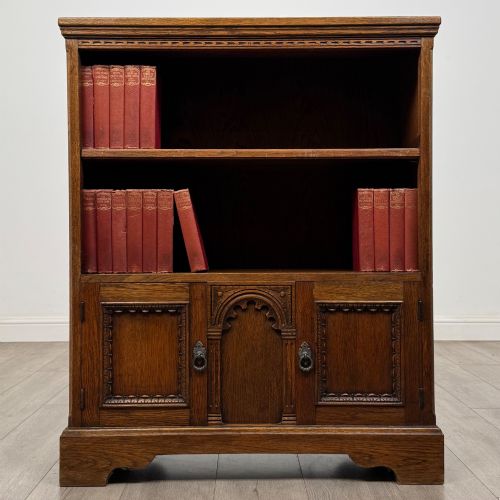
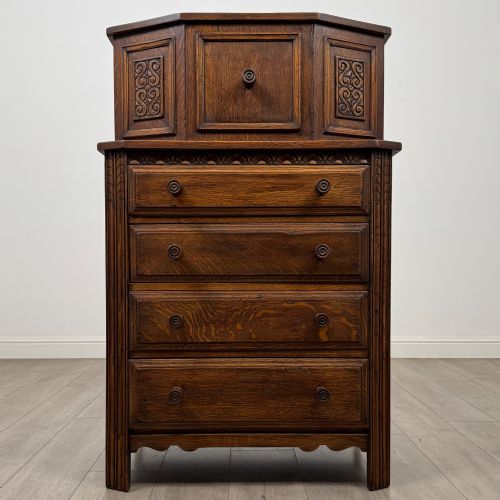
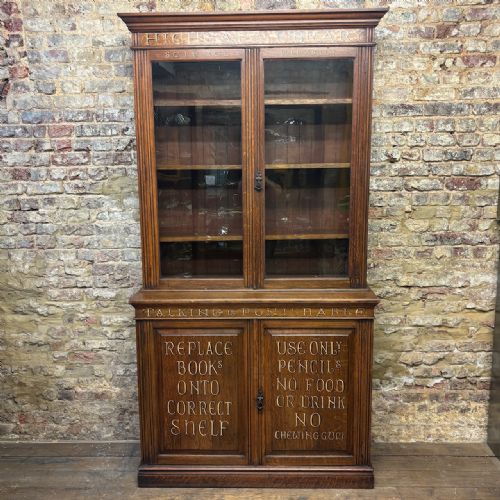
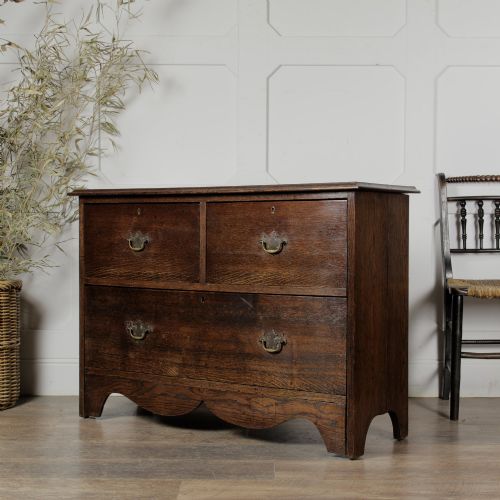
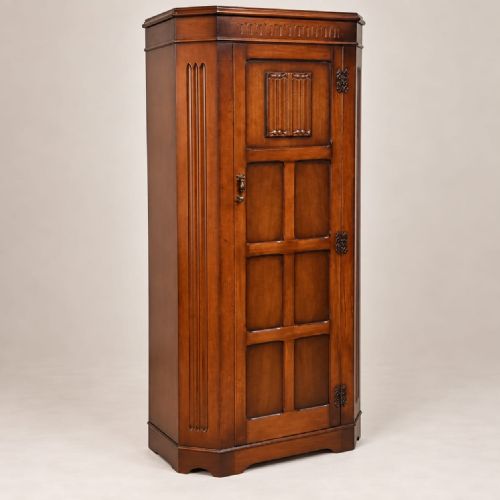
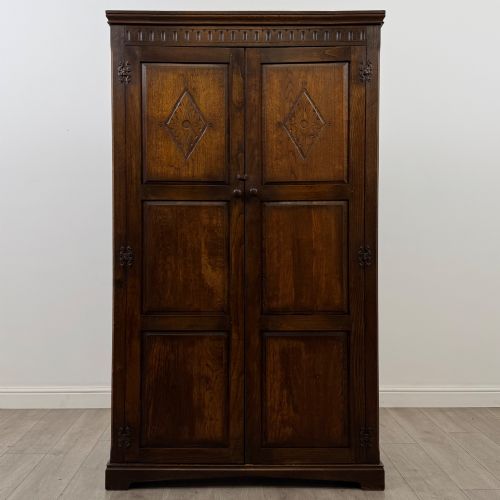
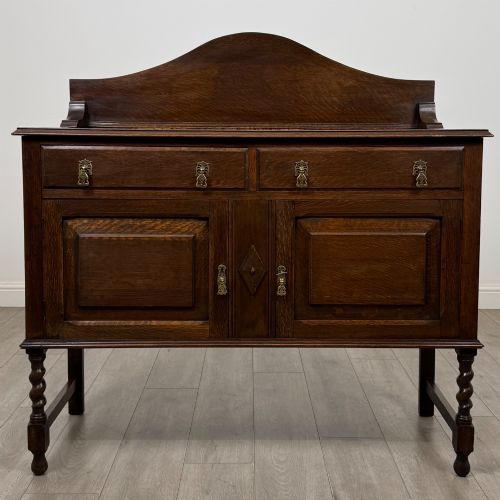
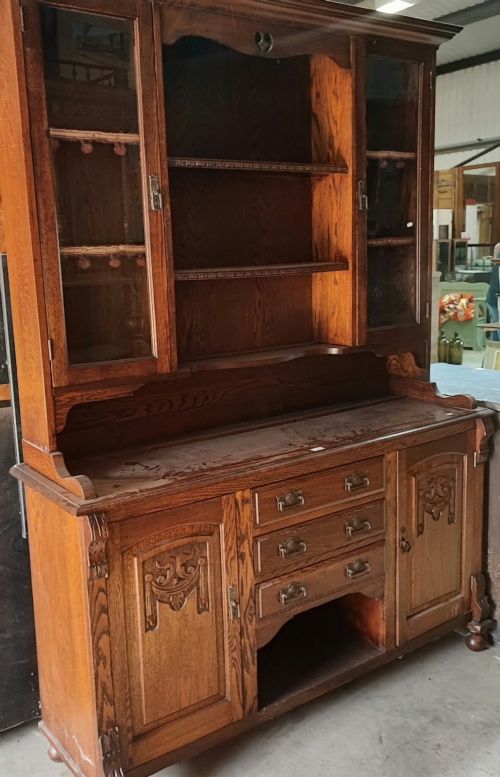
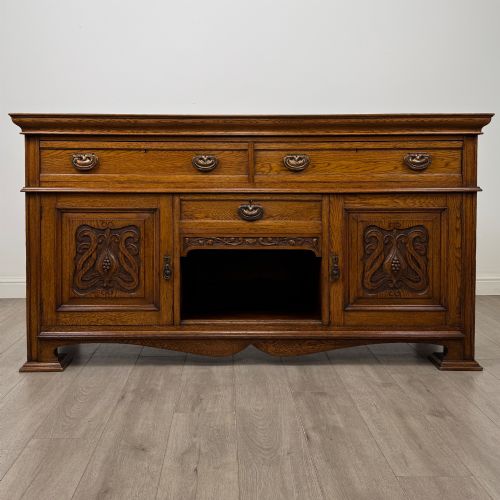
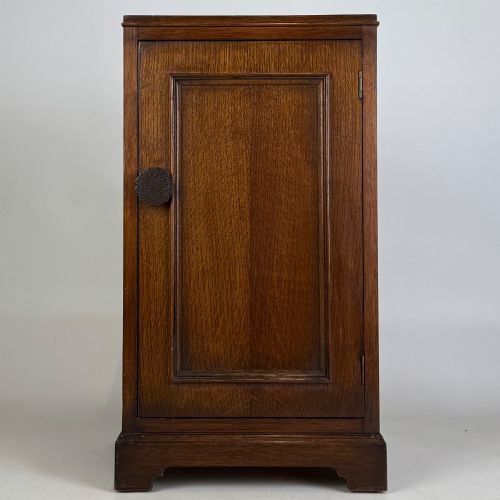
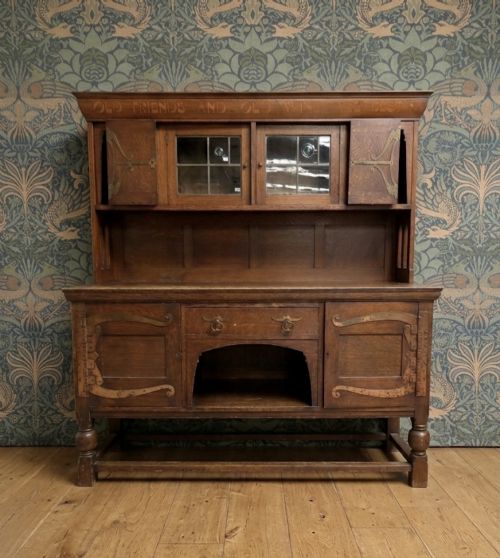
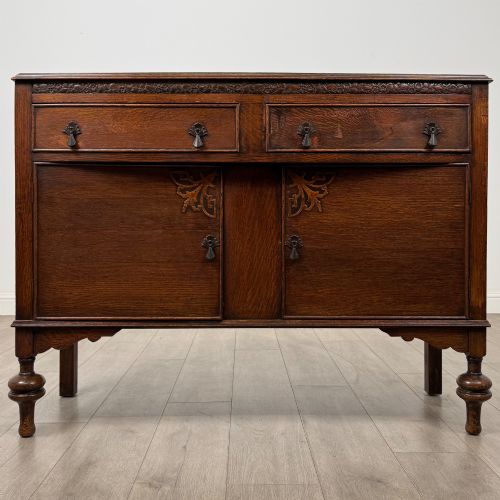
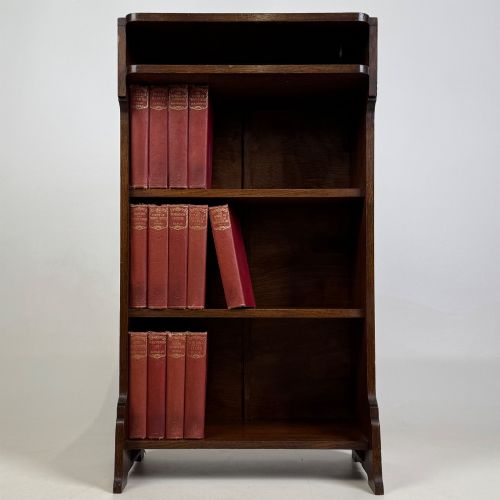
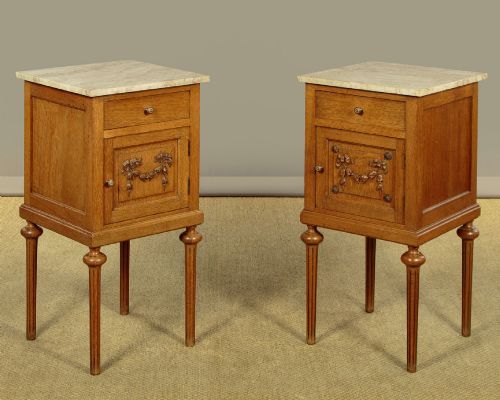
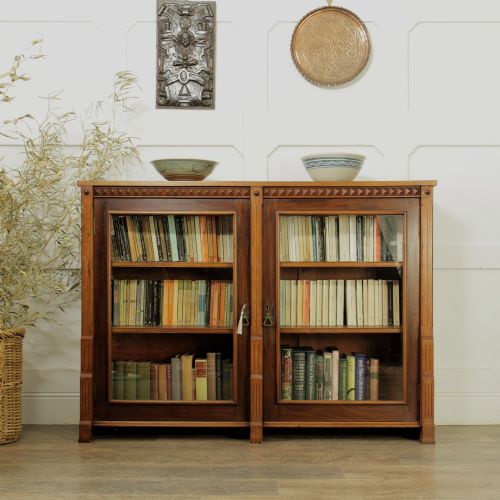
When searching for an edwardian carved oak cabinet, a buyer encounters a diverse group of functional furniture items spanning wall-mounted cupboards, music cabinets, bookcases, filing cabinets, and smokers cabinets. These pieces originate from the late nineteenth century up to 1920, capturing both Victorian architectural revival tendencies and the cleaner lines of the Edwardian era.
The version most frequently met on this page is the smaller domestic storage piece, such as a wall-hanging cupboard, pot cupboard, or smokers cabinet, often rendered in solid timber with decorative carving. Alongside these domestic items, larger bookcase and filing cabinet forms appear, reflecting the period's demand for organised storage in both the home and the study.
How they were made
Makers constructed these cabinets primarily using oak, supplemented by secondary woods, metal hinges, and brass fittings. Wood inlay provided geometric or floral contrast against the dark grain of the timber.
Construction techniques combined traditional joinery with surface decoration, where artisan carvers chipped and gouged plant motifs, linenfold patterns, or strapwork directly into the structural oak panels and doors.
Retail Price Guide 2026
Typical UK retail prices for edwardian carved oak cabinet, calculated from the Sellingantiques database of over a million retail prices indexed since 2003. This retail price guide relies exclusively on Sellingantiques data; no external sources or auction records are used, so the figures do not describe the wider market.
Listings combine 19th Century items with 1920 pieces, uniting Arts & Crafts and Victorian Architectural Revival styles across oak and metal materials.
What varies in quality
Quality rests upon the depth and precision of the carving, distinguishing mechanically stamped decoration from hand-chiselled detailing that brings vitality to the oak surface. The integration of contrasting wood inlay and the selection of figured timber grain also elevate certain examples above plain utility pieces.
Hardware choice marks another tier of distinction, with substantial brass handles, hinges, and escutcheons demonstrating superior original manufacture compared to simpler stamped metal fixtures.
Amberg
The Edwardian Carved Oak Cabinet Glossary
- Arts & Crafts
- A design movement prioritising traditional craftsmanship and visible construction. It influences many carved oak pieces from this period through honest joinery and naturalistic ornament.
- Pot cupboard
- A small bedside cabinet or cabinet designed originally to house a chamber pot. They frequently feature a single door above a small interior shelf.
- Smokers cabinet
- A small tabletop or wall-mounted cabinet designed to store pipes and tobacco. These pieces often incorporate internal drawers, fitted pipe racks, and glazed doors.
- Inlay
- A decorative technique where pieces of contrasting wood are inserted into depressions within the primary timber. This creates flat surface patterns without altering the structural profile.
- Architectural Revival
- A nineteenth-century style borrowing classical building elements like pilasters, cornices, and pediments. Cabinet makers applied these grand motifs directly to domestic furniture forms.
Frequently Asked Questions
What rooms suit an edwardian carved oak cabinet?
These cabinets suit studies, living rooms, and hallways where their dark timber tones provide warmth and character. Smaller wall-hanging cupboards and pot cupboards fit easily into compact spaces while offering enclosed storage.
Larger bookcases and music cabinets anchor bigger rooms, providing practical display and filing surfaces that echo period interior styles.
How do I care for historic oak furniture?
Historic oak benefits from steady indoor humidity and placement away from direct heat sources to prevent timber splitting. Regular dusting with a dry or very slightly damp cloth preserves the polished surface.
Avoid modern silicone polishes, using traditional beeswax occasionally instead to nourish the dry grain and maintain the natural sheen.
Were these cabinets made by hand?
Makers combined mechanised woodworking machinery for structural panels with hand-chiselled carving for surface decoration. This hybrid approach defined furniture production around nineteen hundred.
Finer examples display greater individual hand work in the carving and fitted interiors, distinguishing them from mass-produced factory items.
How do I date an oak cabinet?
Dating relies on stylistic clues like Arts & Crafts movement influences, brass hardware types, and construction methods. Nineteenth-century pieces often show heavier architectural revival details.
Later items from around nineteen twenty transition towards simpler forms, reflecting shifting domestic tastes after the Edwardian period.