

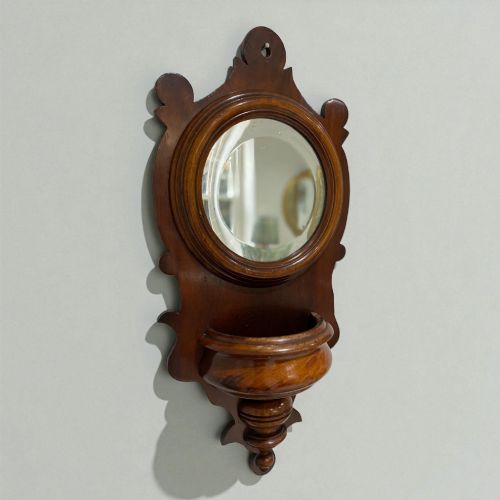
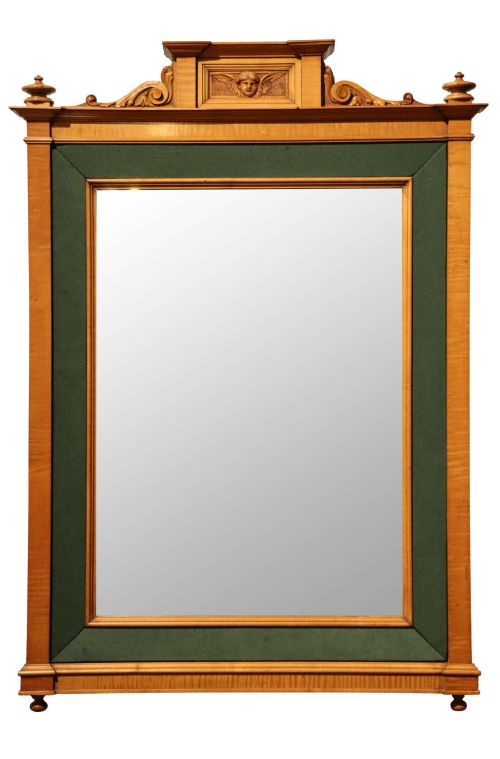
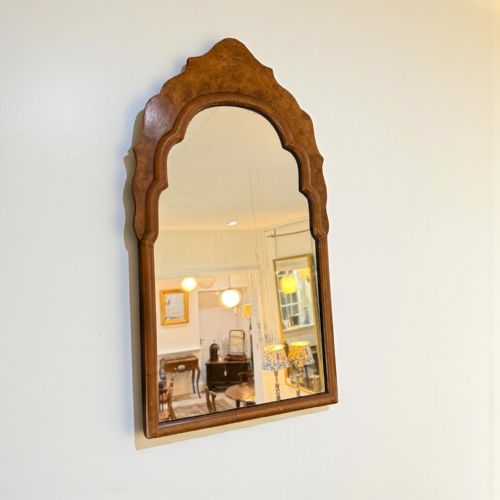
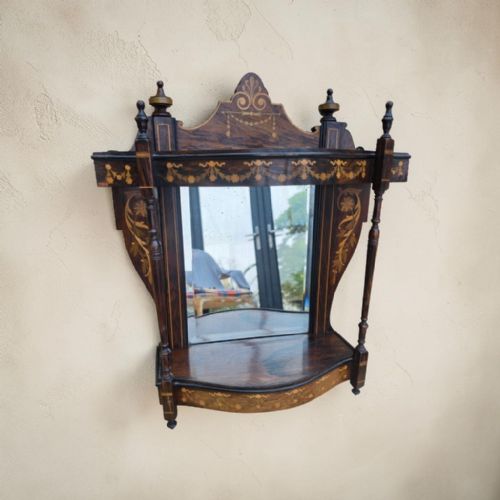

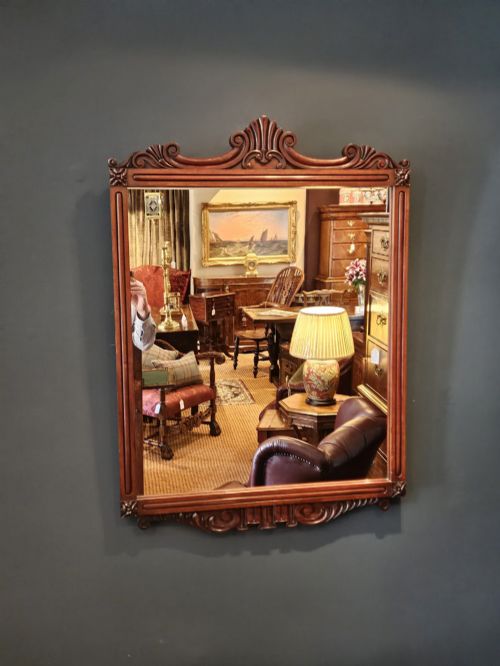
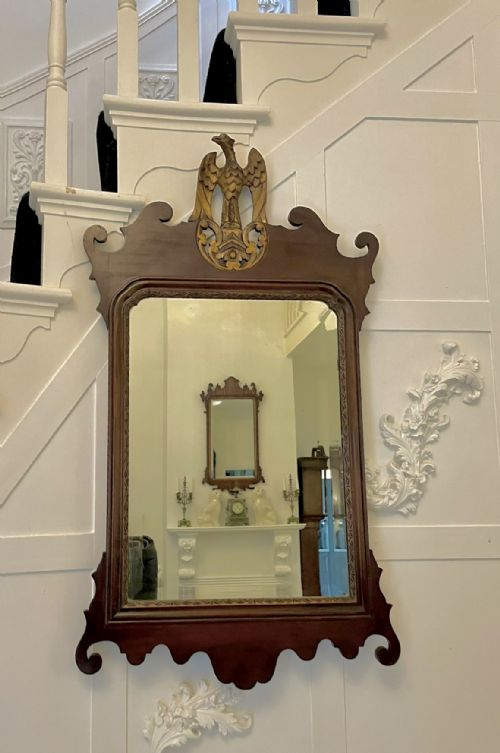

Edwardian Carved Hanging Mirror
An Edwardian carved hanging mirror brings proportion and reflected light to a hallway, combining practical glass with period decorative woodworking.
Edwardian Carved Hanging Mirror
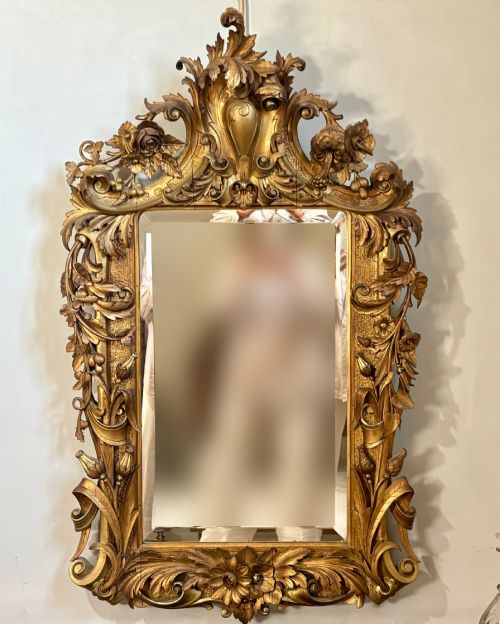
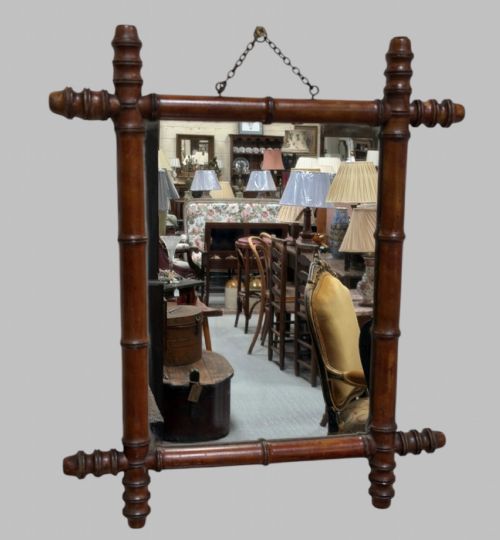
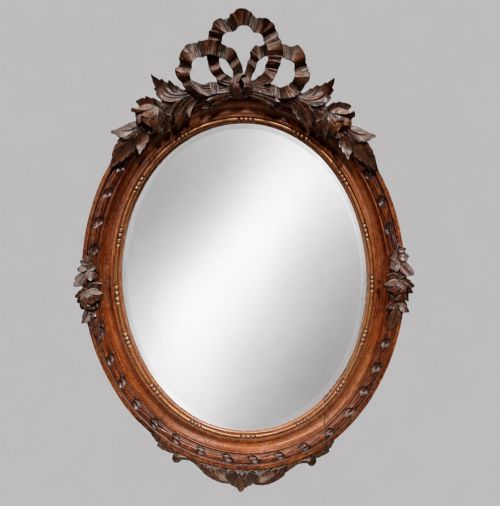
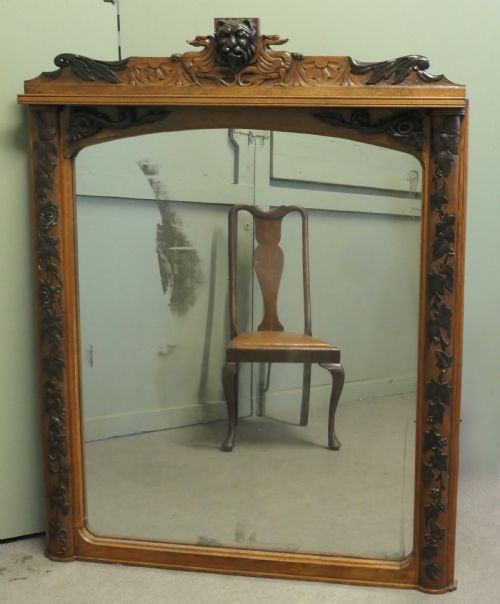
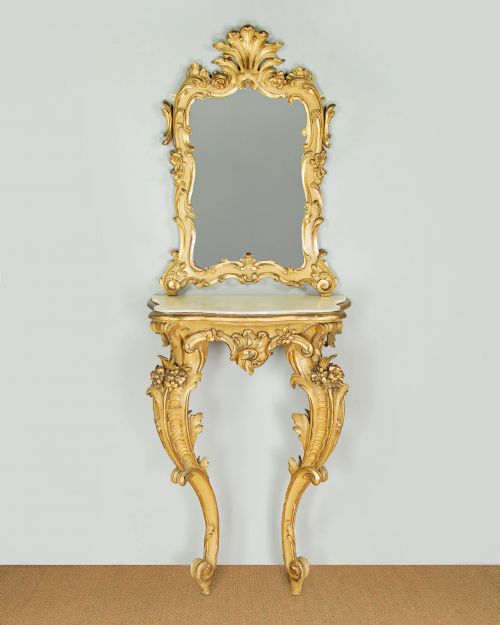
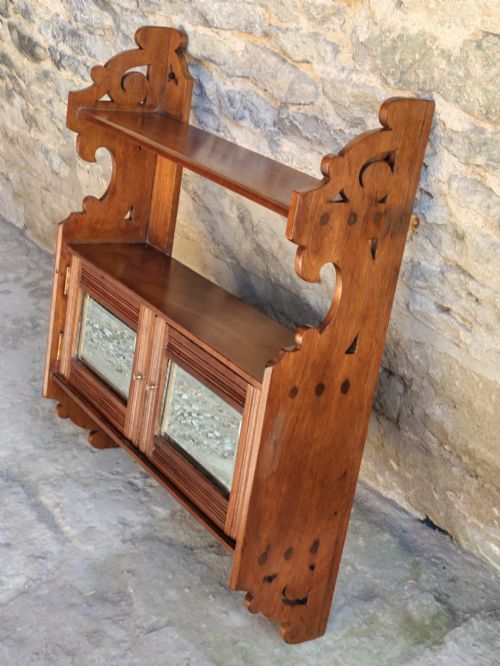
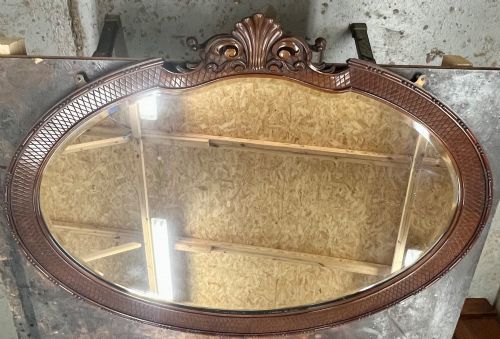
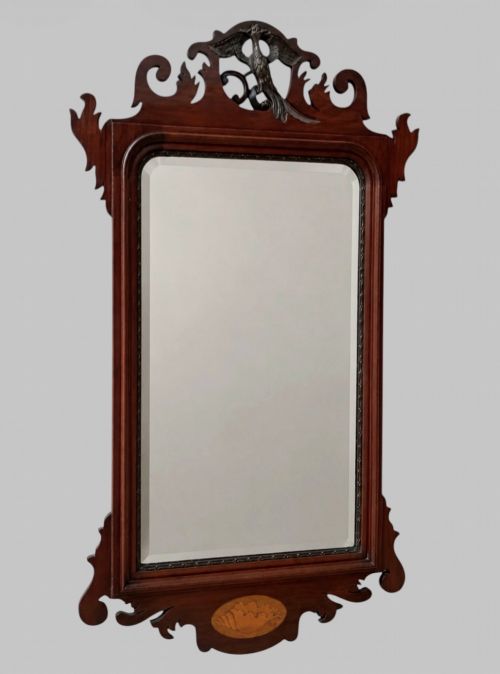
When you search for an edwardian carved hanging mirror, you encounter wall-mounted looking glasses shaped by the aesthetics of the early twentieth century and the preceding Victorian era. These pieces frequently appear in oak, mahogany, or gilded finishes, often incorporating applied carving or fretwork details.
The domestic interiors of the period accommodated these mirrors in hallways, bedrooms, and reception rooms where wall space required functional ornament. Alongside standard oval and rectangular wall frames, variants include pieces fitted with small shelves, shaving mirrors, and architectural revival styles such as Adam and Chippendale.
Materials and construction
Frames rely predominantly on timber substrates like oak and mahogany, alongside softwood bases finished in gesso and giltwood. Woodworking techniques involve mortise and tenon joints for structural stability, paired with applied carved ornaments or fretwork pierced patterns.
Reflecting surfaces consist of mirror glass held securely within rebated frames, sometimes retaining early mercury plates. Gilded sections combine bole layers beneath gold leaf or metallic paint, while inlaid examples incorporate contrasting veneers such as boxwood or ebony.
Edwardian Carved Hanging Mirror Retail Price Guide 2026
Typical asking prices for edwardian carved hanging mirror among the pieces listed under this phrase on Sellingantiques today, from the lower quarter to the upper quarter. They describe what is for sale here now, not the wider market.
Listings feature timber frames in oak and mahogany alongside giltwood and gesso, spanning the Victorian and Edwardian eras.
Distinctions in craftsmanship
The standard of a frame rests upon the crispness of its carved detail and the depth of the timber preparation. Hand-carved mouldings and precise fretwork demonstrate superior cabinet-making compared to simpler stamped or moulded compositions.
Preservation of original surfaces, including the mirror plate and the underlying gilding or polish, determines the integrity of the piece. Clear silvering without excessive foxing, alongside untouched backboards and fixings, marks a well-maintained example.
The Edwardian Carved Hanging Mirror Glossary
- Giltwood
- Wood that has been coated with gold leaf or a gold-coloured finish over a prepared gesso ground. This technique creates a luminous surface frequently utilised in classical revival frames.
- Fretwork
- Openwork ornamentation carved or pierced from a thin board of wood. It appears often on the crests and borders of Edwardian and Georgian revival mirrors.
- Gesso
- A plaster-like mixture applied to wood frames to provide a smooth base for gilding or painting. It allows craftsmen to model intricate relief ornamentation prior to finishing.
- Mercury plate
- An early type of mirror glass backed with a tin and mercury amalgam before the invention of modern silvering processes. It yields a distinctive, slightly mottled reflection.
Edwardian Carved Hanging Mirror: Frequently Asked Questions
Where should I hang this mirror?
These mirrors suit narrow entrance halls, above small console tables, or in bedrooms as dressing pieces. Their hanging loops require secure wall fixings to support the weight of the timber and glass.
Positioning the frame opposite a window maximises natural light distribution within smaller rooms.
How do I clean the frame?
Dust timber frames gently with a dry, soft cloth to prevent accumulation in carved crevices. Avoid using liquid polishes or moisture on giltwood and gesso surfaces, as water damages the delicate finish.
Keep glass cleaner away from the wooden edges to protect old polished or gilded grounds from chemical degradation.
Are the mirror plates original?
Many pieces retain their original glass, which can exhibit light foxing or small dark spots from age. Original mercury plates display a soft, uneven reflection distinct from modern mirror glass.
Replacement glass sometimes occurs during restoration, so inspect the fixings and backing boards for signs of later intervention.
How do I identify the period?
Stylistic clues such as Adam revival swags, Arts and Crafts simplicity, or Edwardian fretwork help date the woodwork. Construction methods, including the type of screws, backing boards, and fixings, offer further evidence of age.
Comparative analysis with Victorian and early twentieth-century design patterns refines the estimated decade of manufacture.