


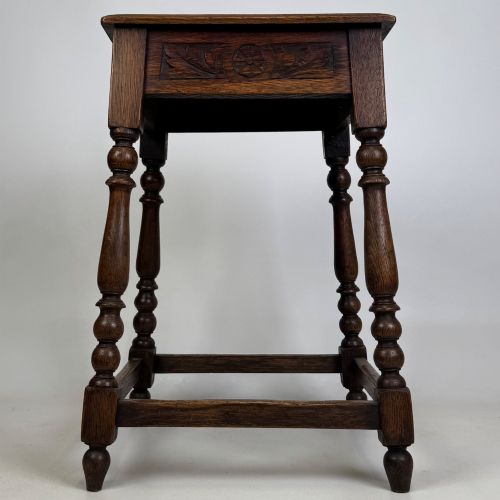
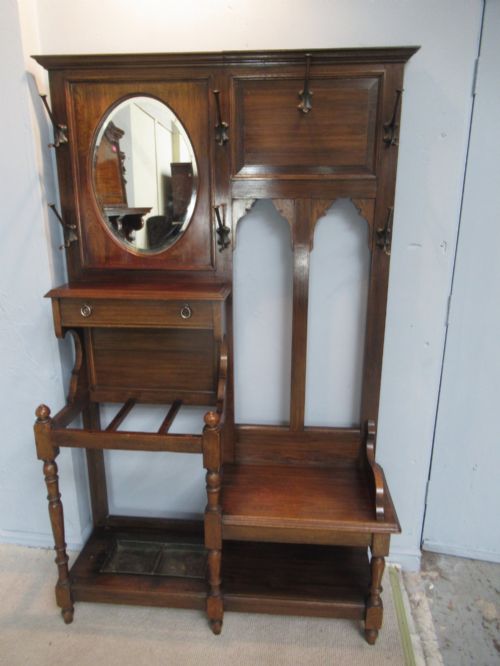
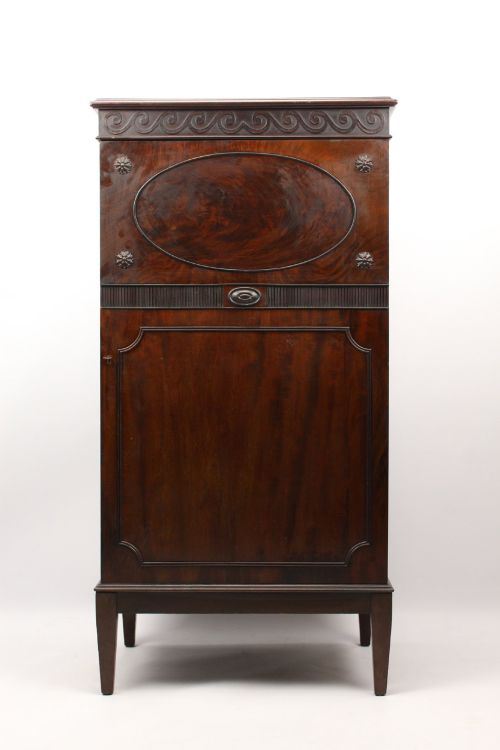
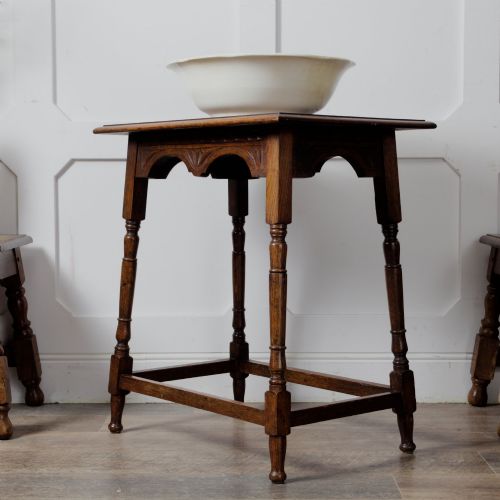
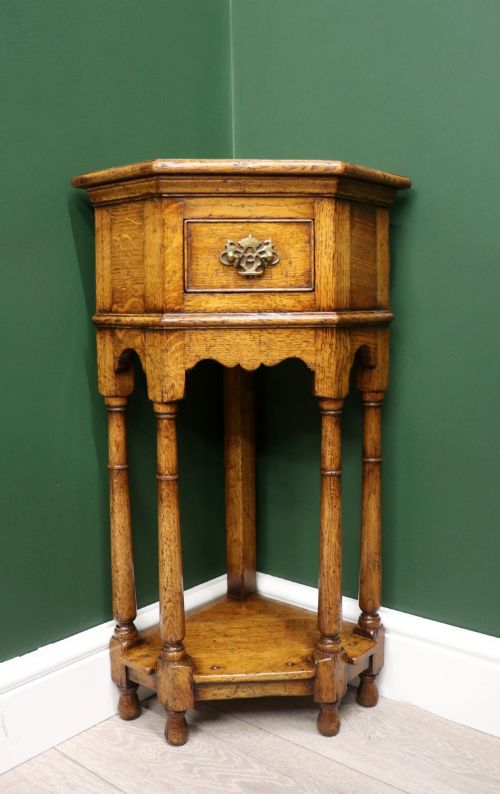
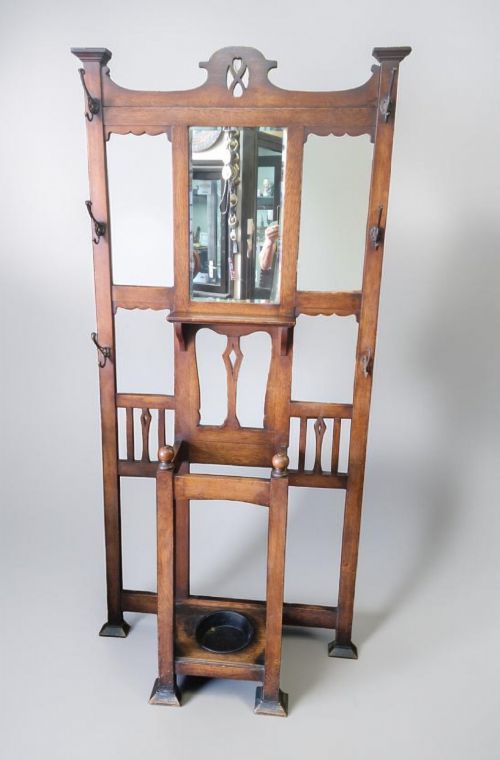
Edwardian Carved Hall Stand
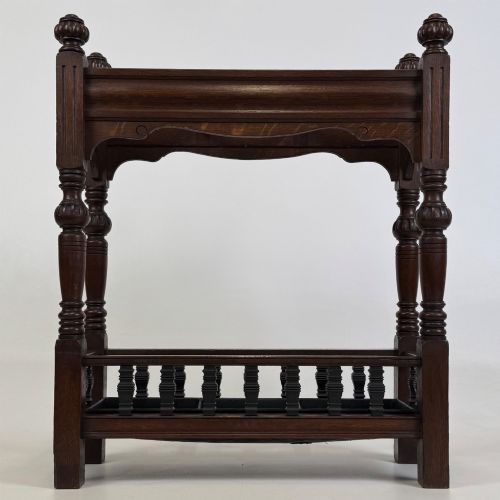
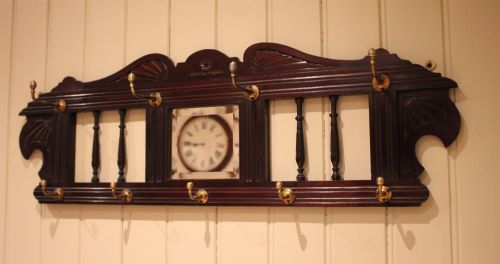
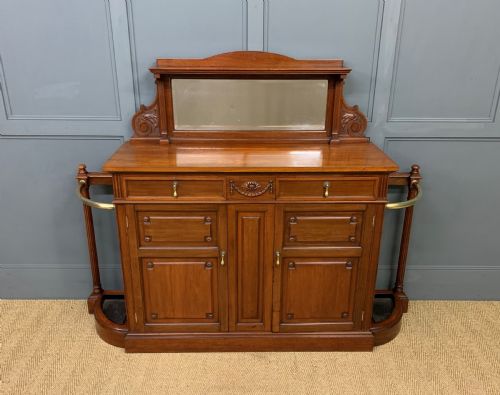
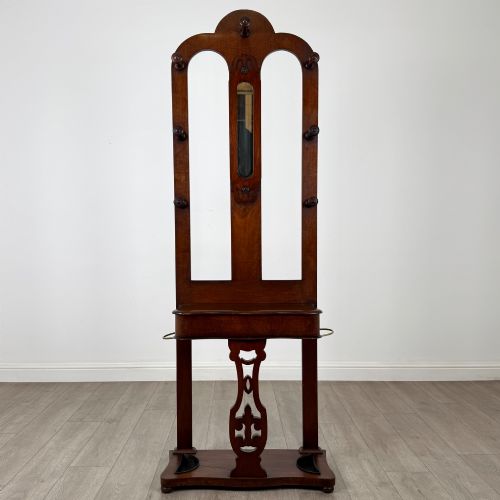
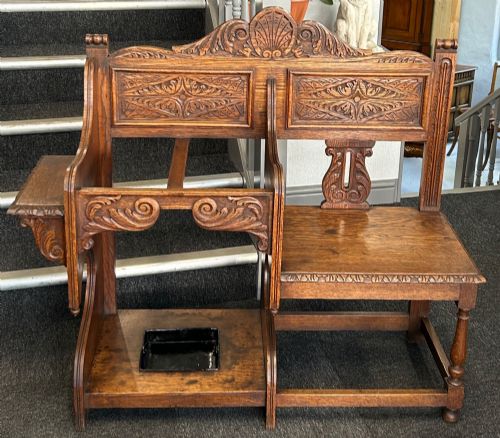
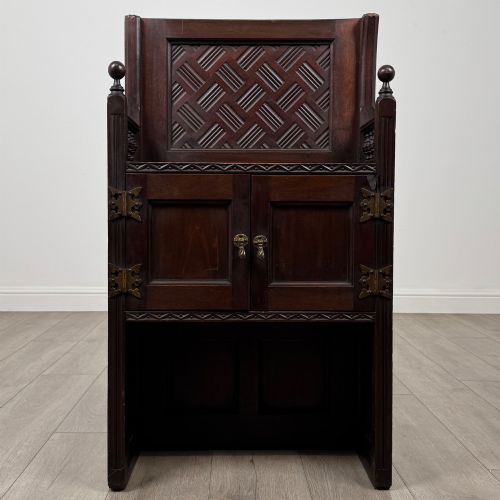
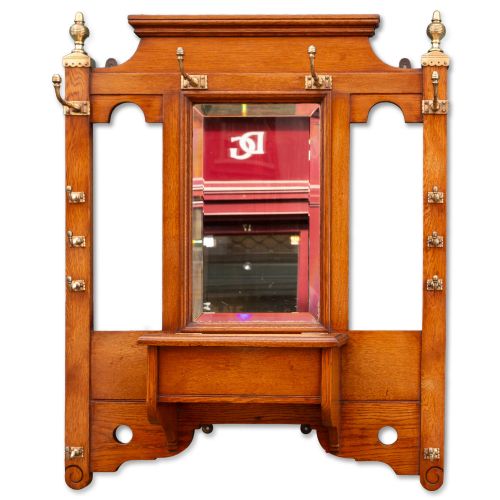
An edwardian carved hall stand greets visitors in the entryway with functional joinery, shaped mirrors and provision for coats, sticks and hats.
Edwardian Carved Hall Stand
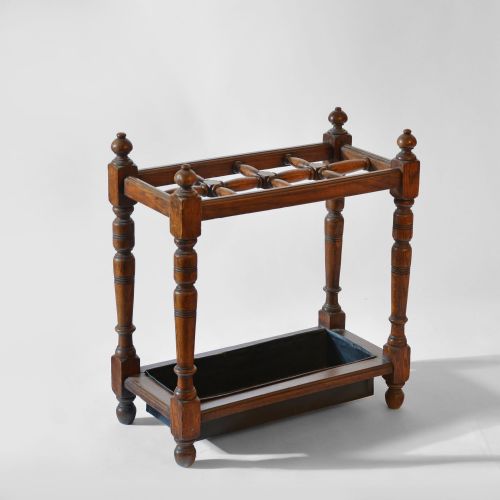
An edwardian carved hall stand meets the visitor in the hallway with integrated storage for outdoor garments, walking sticks and umbrellas. These hall furniture forms combine timber frameworks with hooks, mirrors and drip pans.
The selection on this page centres primarily on oak and mahogany compositions, often accompanied by brass fittings and glass mirrors. Pieces span late Victorian, Edwardian and early twentieth-century periods.
Forms vary from upright architectural cabinets with seating and umbrella wells down to wall-mounted racks and allied side tables. Buyers encounter regional variations from English workshops alongside Scottish country house examples.
Materials and construction
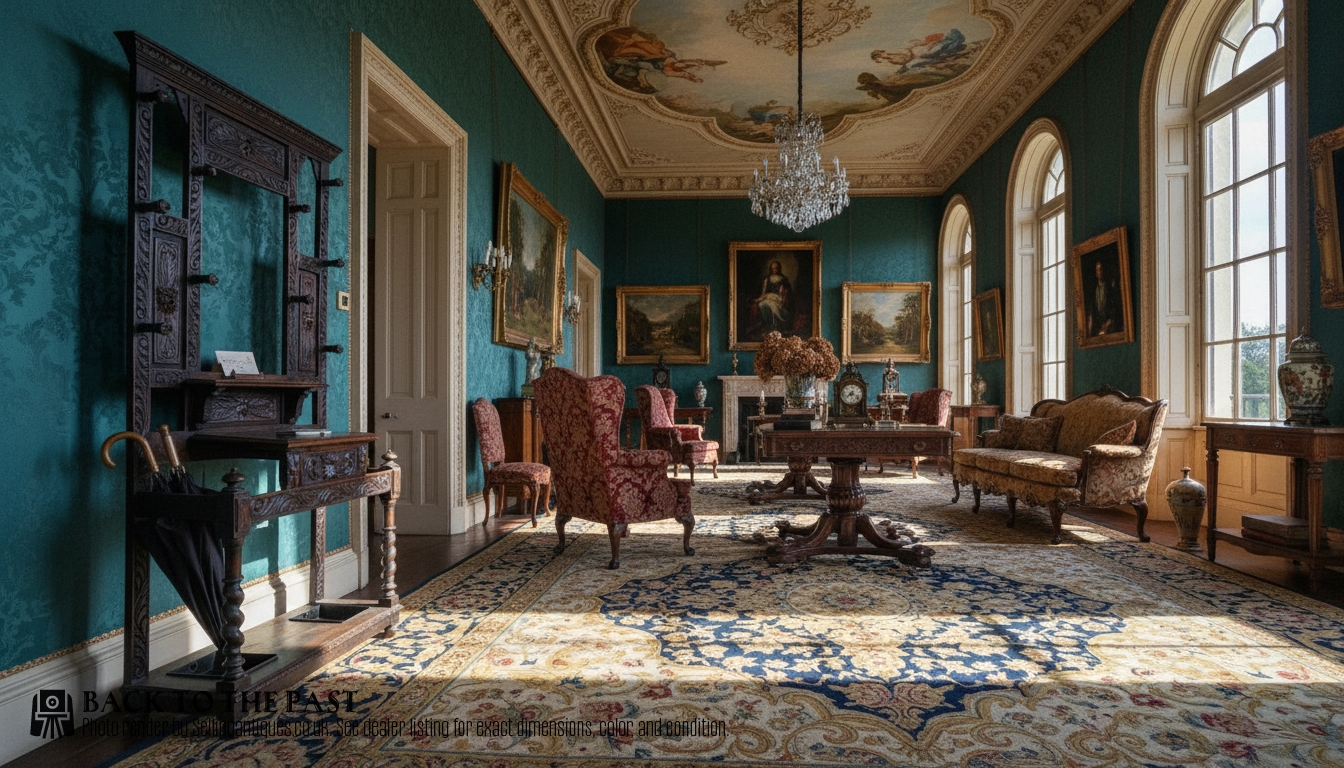
Makers utilised solid timbers including oak, mahogany and walnut for the primary structural framework and panelling. Carving appears directly on the wood surfaces, displaying floral motifs or Green Man masks.
Metal elements such as brass coat hooks and cast iron or metal drip pans provide utilitarian strength to the design. Glass mirrors are fitted centrally to back panels, secured with wooden moulding.
Listings feature oak, mahogany, and walnut frames alongside brass fittings, glass mirrors, and cast iron drip pans across the Edwardian and Victorian eras.
Assessing quality
Quality rests in the depth and crispness of the timber carving and the architectural weight of the framework. Superior examples incorporate robust hardware like cast brass hooks and integrated zinc or metal trays.
The choice of timber grain and the integrity of the original mirror glass separate standard workshop output from exhibition grade pieces. Construction methods visible in the joinery reveal the maker's hand.
Shoolbred and Co·Denby and Spinks·Liberty and Co·Shapland and Petter·J Parker of Woodstock
The Edwardian Carved Hall Stand Glossary
- Hall stand
- A piece of entrance furniture combining coat hooks, umbrella wells, and frequently a mirror or seat. These items managed outerwear in domestic hallways.
- Umbrella stand
- A dedicated holder for walking sticks and umbrellas, often featuring a metal or cast iron base tray to catch water. They appear as standalone furniture or integrated into larger hall units.
- Arts and Crafts
- A design movement prioritising traditional craftsmanship, plain surfaces, and visible construction methods. Pieces from this style often display honest oak joinery.
- Green Man
- A sculptural motif representing a human face surrounded by or sprouting from foliage. It occurs frequently in carved oak decoration on nineteenth and twentieth century furniture.
- Demi-lune
- A half-moon shape used for tables and hall stands designed to sit flat against a wall. This profile saves floor space in narrow corridors.
Edwardian Carved Hall Stand: Frequently Asked Questions
What is an edwardian carved hall stand?
An edwardian carved hall stand is a piece of entrance hall furniture designed to hold coats, hats, and walking sticks. It typically incorporates a central mirror, wooden hooks, and umbrella wells with drip pans.
These pieces served as the primary drop-off point for outdoor wear in homes of the period. They combine seating, storage, and display surfaces within a single vertical wooden frame.
How do I use a hall stand today?
A hall stand functions in modern entryways for hanging coats, scarves, and bags. The lower wells hold umbrellas, walking poles, or rolled-up maps.
Mirrors allow a quick check before leaving the house, while shelves or seats offer space for keys and small items. Placing the unit against a sturdy hallway wall ensures stability.
Are these pieces made of solid wood?
The listed items utilise hardwoods such as oak, mahogany, and walnut for their primary structures and carved decorative panels. Grain patterns and natural timber tones vary across different pieces.
Metal components like brass hooks and cast iron trays accompany the wood construction. Glass is used exclusively for the fitted mirrors.
How do I distinguish Edwardian from Victorian styles?
Victorian hall stands tend to feature heavier, darker timber with dense, elaborate carving and formal symmetry. Edwardian examples often display lighter oak tones and simpler lines influenced by the Arts and Crafts movement.
Transition pieces from the late nineteenth century show elements of both aesthetics. Examining the specific carving motifs and timber finish helps identify the period.