

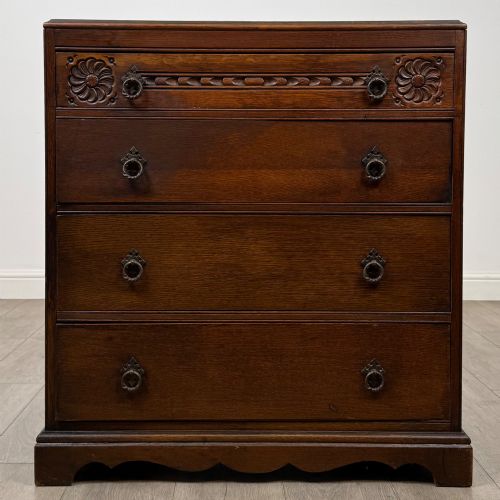
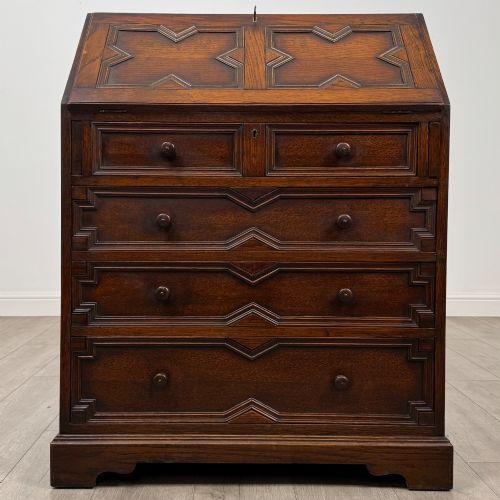
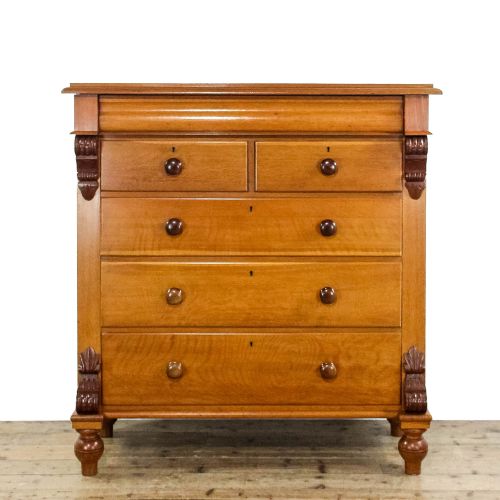
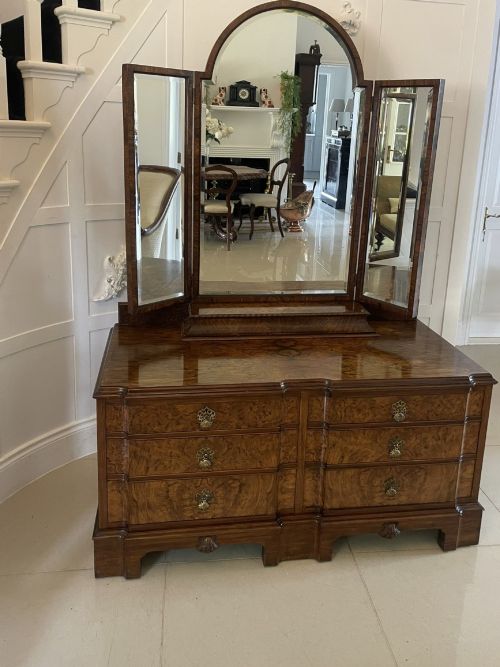

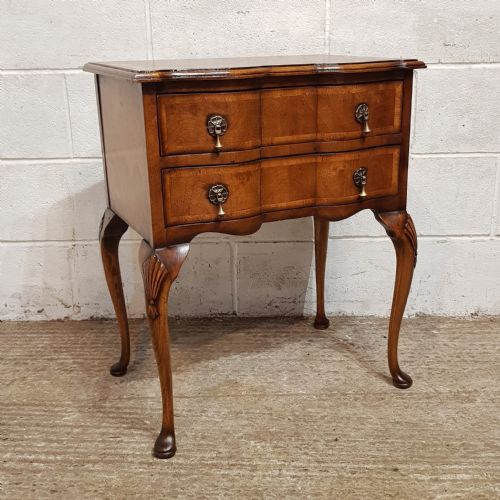
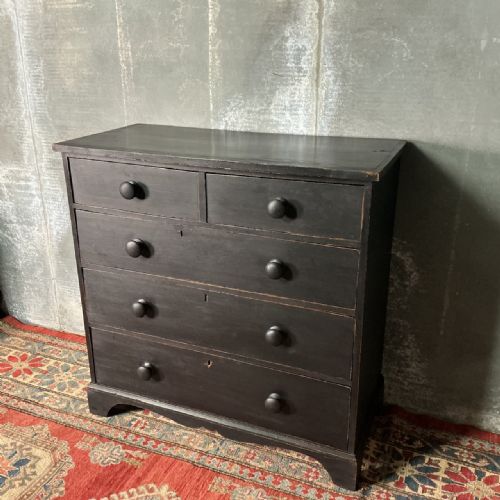
Edwardian Carved Chest Drawers
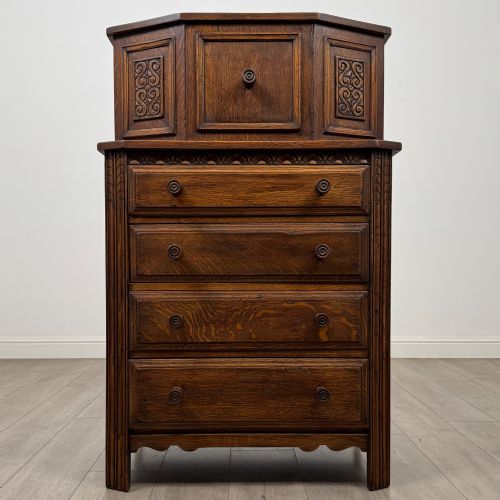
These edwardian carved chest drawers combine practical storage with the refined timber framing characteristic of the period.
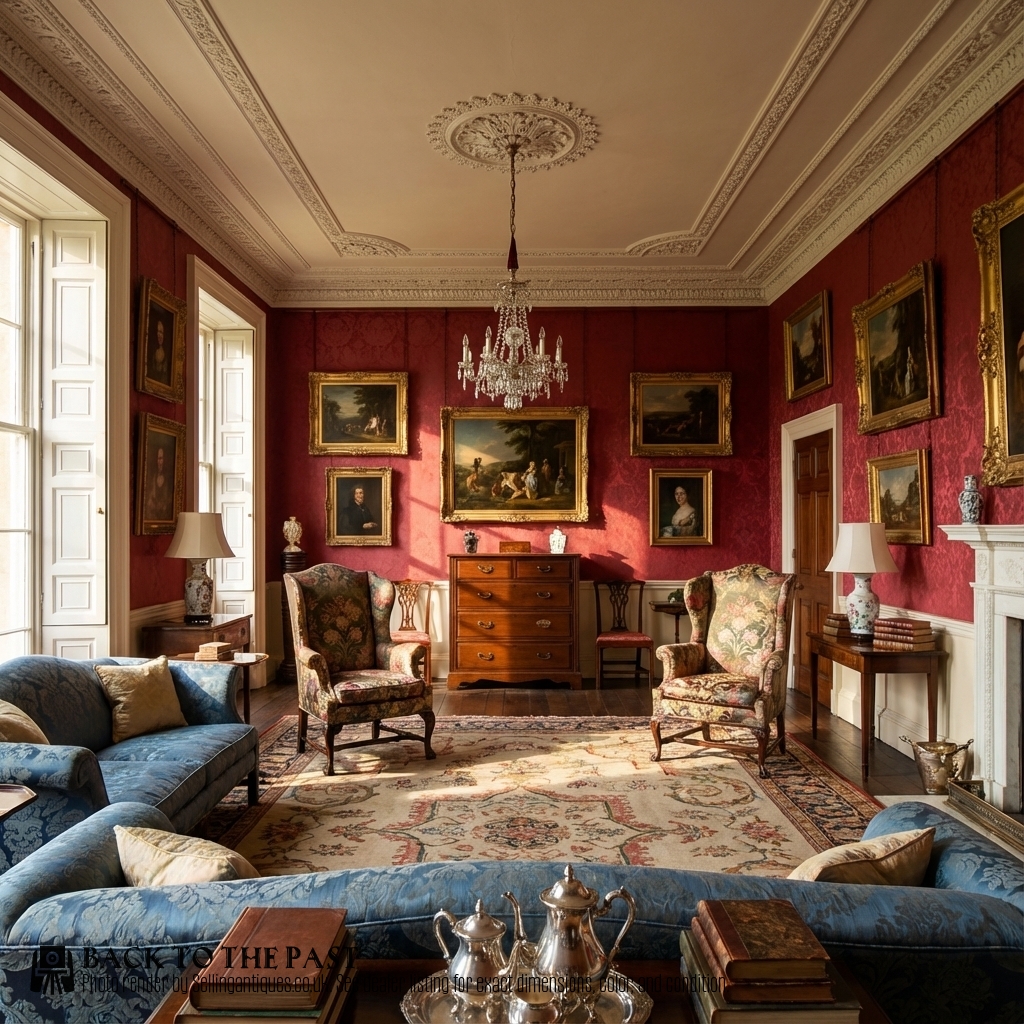
Edwardian Carved Chest Drawers
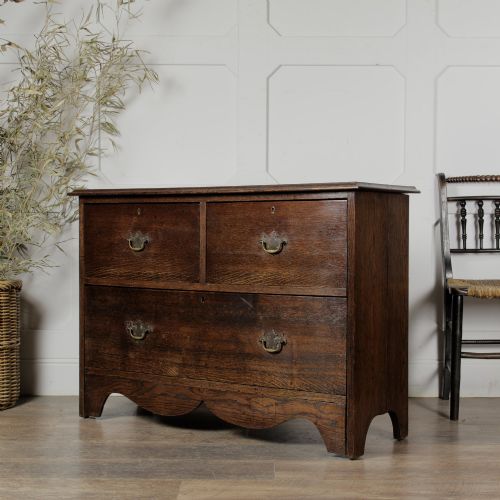
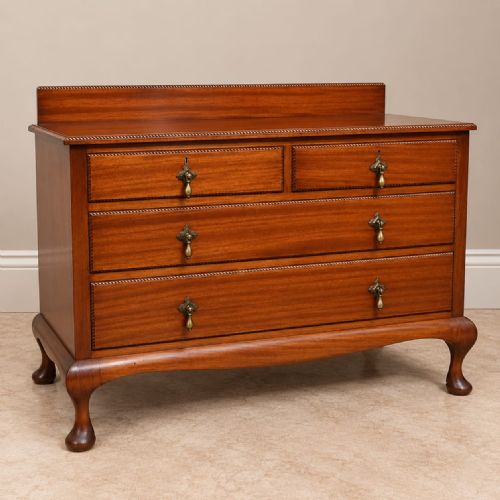
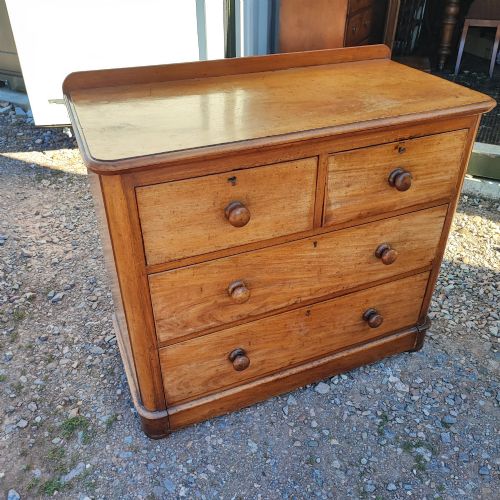
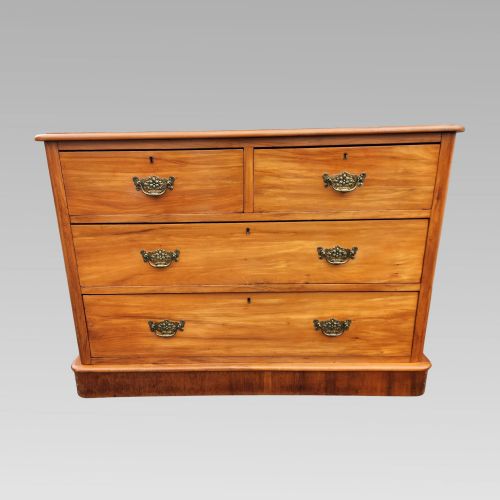
An edwardian carved chest drawers serves as a functional storage piece originating primarily from the early twentieth century. Buyers often encounter pieces executed in oak or mahogany, frequently incorporating traditional straight fronts or serpentine profiles.
The selection ranges from compact three-drawer versions to larger dressing chests and hybrid cupboard forms. Pieces draw heavily upon established cabinet-making traditions, merging Edwardian proportions with earlier stylistic revivals.
Materials and Construction
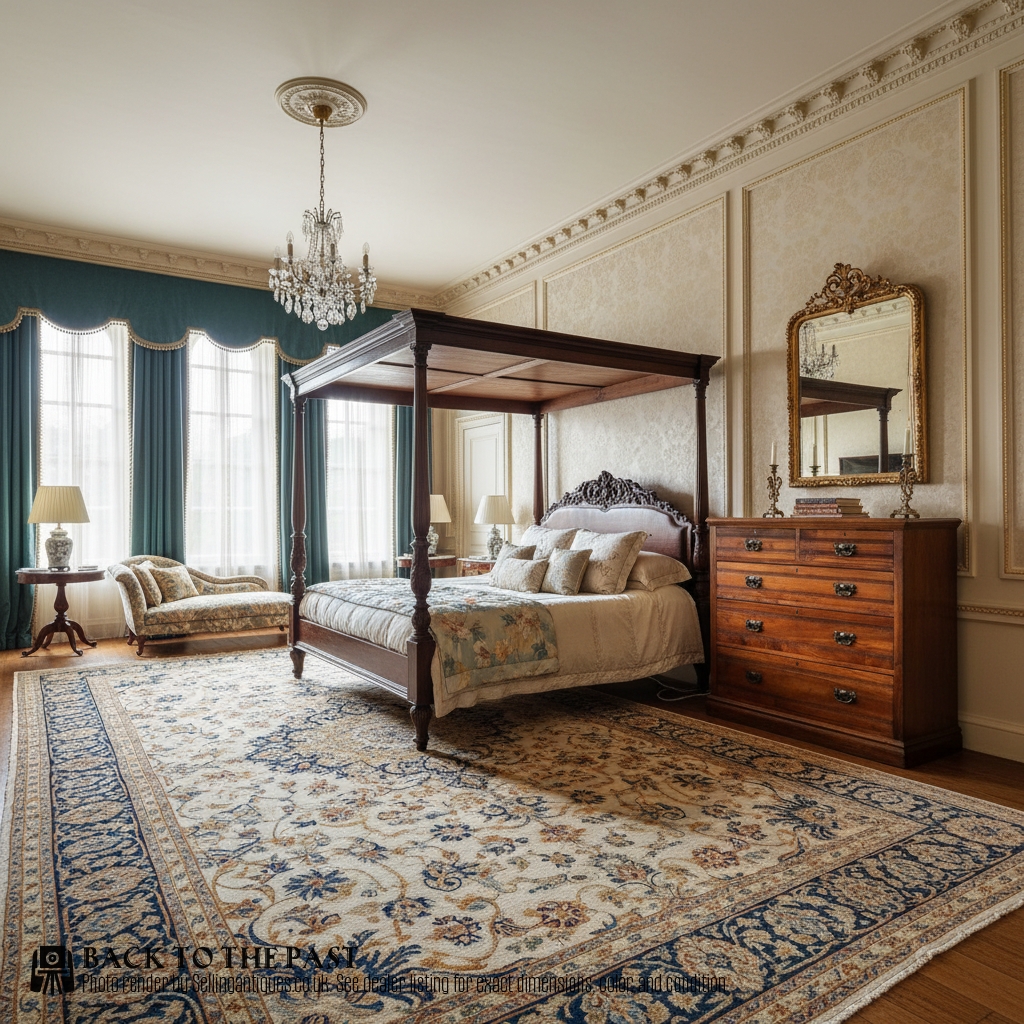
Makers utilised solid timbers such as oak, mahogany, walnut, and satinwood, often pairing them with brass hardware and glass elements. Carved details and panel work define the structural surface of these pieces.
Internal joinery relies on traditional techniques to house multiple drawers securely within the main carcase. Timber selection governs the visual weight and finish of each individual chest.
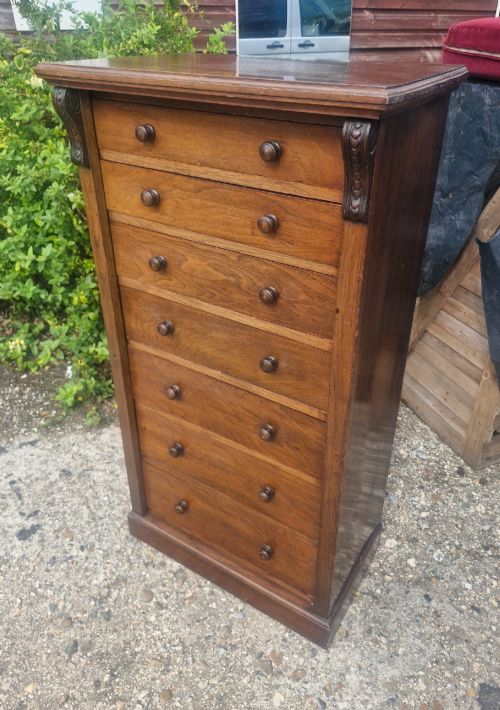
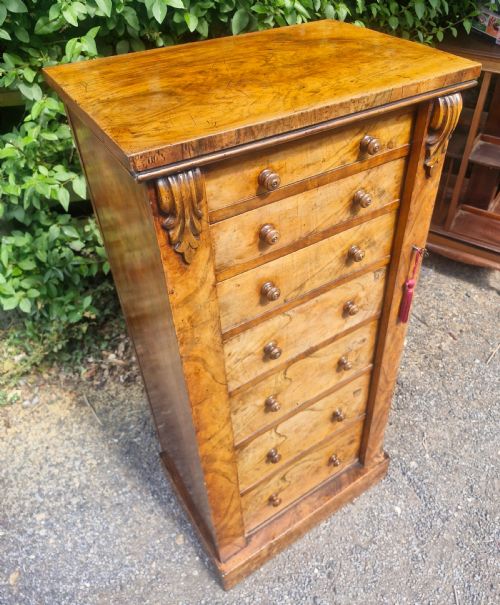
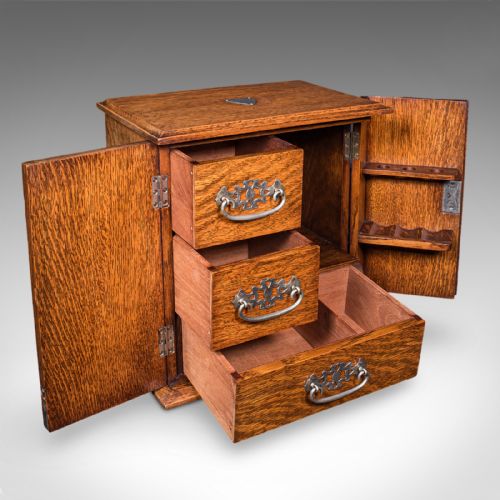
Listings feature oak, mahogany, walnut, and satinwood alongside specialised forms like Wellington chests and music cabinets.
Evaluating Quality and Craftsmanship
Subtlety of carved ornamentation and precision in timber selection distinguish finer examples from standard production pieces. Figured veneers like burr walnut require meticulous application across curved drawer fronts.
Structural integrity depends on the retention of original handles, smooth drawer operation, and the soundness of the internal framing. Surface patination reflects the ageing process of the polished wood over time.
Shapland and Petter·Maple and Co·Peter Waals
The Edwardian Carved Chest Drawers Glossary
- Serpentine front
- A curved furniture front featuring a convex centre flanked by concave wings. This shape adds visual movement to cabinet work.
- Wellington chest
- A tall, narrow chest of drawers secured by a hinged vertical locking side bar. It typically contains seven drawers.
- Satinwood
- A durable hardwood yielding a yellowish timber with a lustrous sheen. It was frequently used for fine cabinet veneers in the period.
- Lowboy
- A small side table with drawers, standing on relatively tall legs. It frequently serves as a dressing or hall table.
- Arts and Crafts
- A design movement prioritising honest construction and visible craftsmanship. Pieces often display limed finishes and simple joinery.
Edwardian Carved Chest Drawers: Frequently Asked Questions
How do I identify an Edwardian chest?
Look for lighter timber tones, crisp carved mouldings, and specific proportions that distinguish the period from heavier Victorian precedents. Drawer linings and hardware often provide clues to the manufacturing date.
Examination of the backboards and drawer dovetails confirms the period construction methods utilised by workshops of that era.
Where should I place a carved chest?
These chests suit bedrooms, hallways, or living spaces where surface display and concealed storage are both required. Their finished timber surfaces benefit from placement away from direct heat sources.
Ensure adequate clearance for drawer operation, particularly with serpentine or bow-fronted variants that project further into the room.
Are the drawer handles original?
Original brass handles typically show consistent patination matching the wear on the surrounding wood. Replacements often leave slight ghost marks or filled holes behind the backplates.
Close inspection of the screw threads and interior drawer panels reveals whether the hardware has been altered during the lifetime of the piece.
What is burr walnut veneer?
Burr walnut involves slicing figured growth excrescences from walnut trees to create intricate, swirling grain patterns. Cabinet makers applied these decorative veneers to drawer fronts and tabletops.
This technique required high skill to prevent lifting and to mirror the grain patterns symmetrically across the surface.