
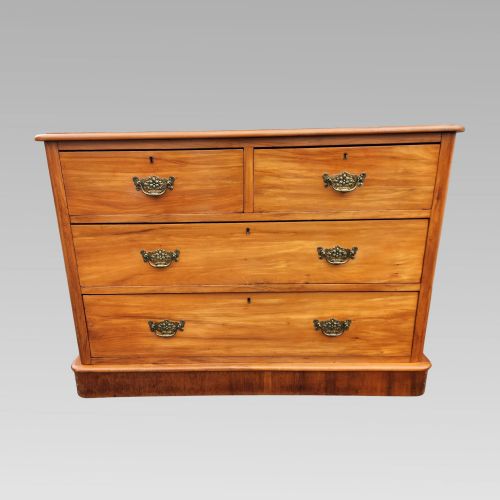
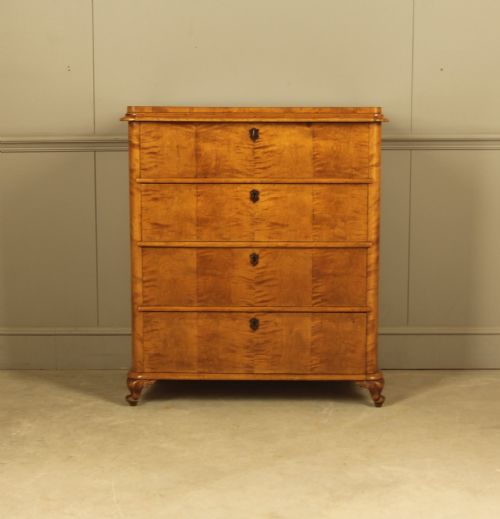


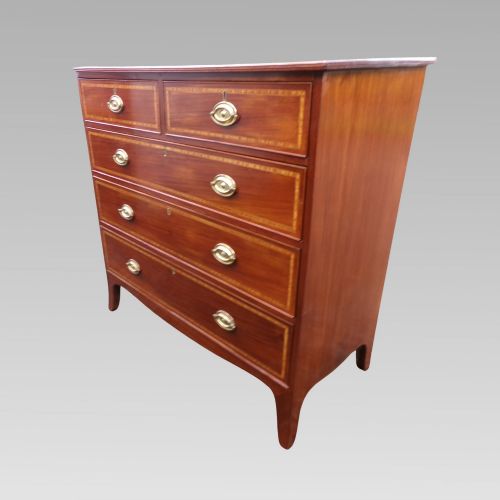


Antique Satinwood Bureau Drawers
These antique satinwood bureau drawers combine fine timber and practical writing compartments, offering a sophisticated storage solution for domestic interiors.
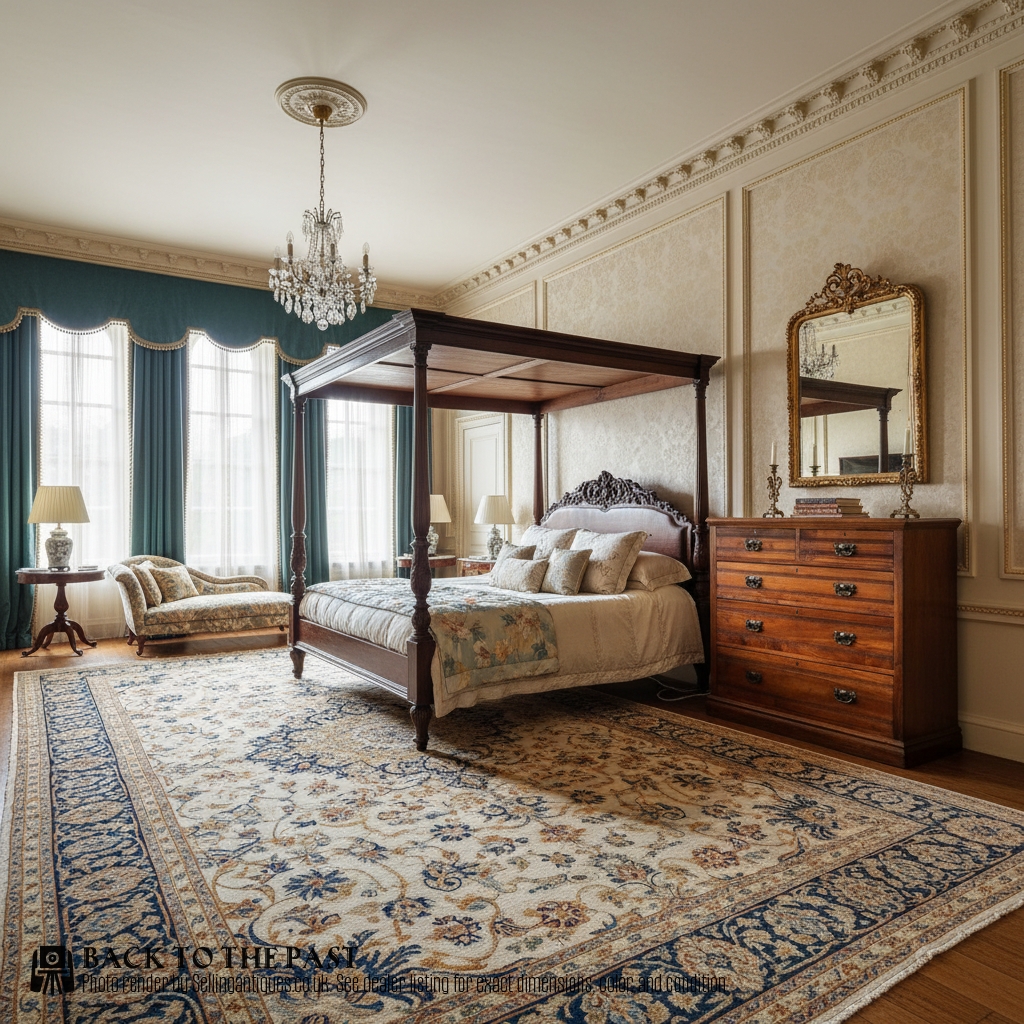
Antique Satinwood Bureau Drawers
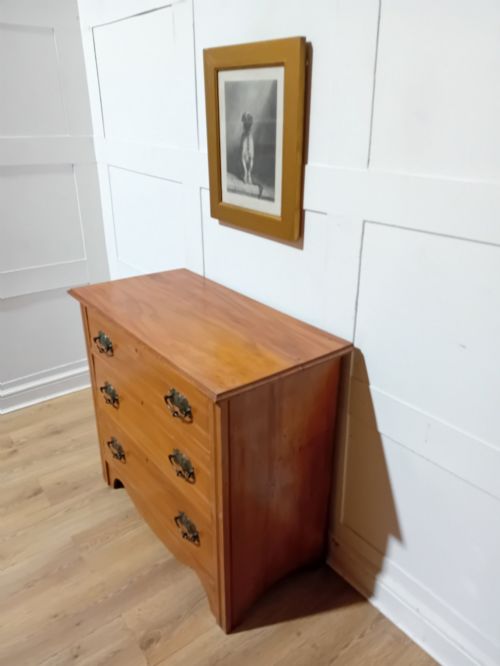
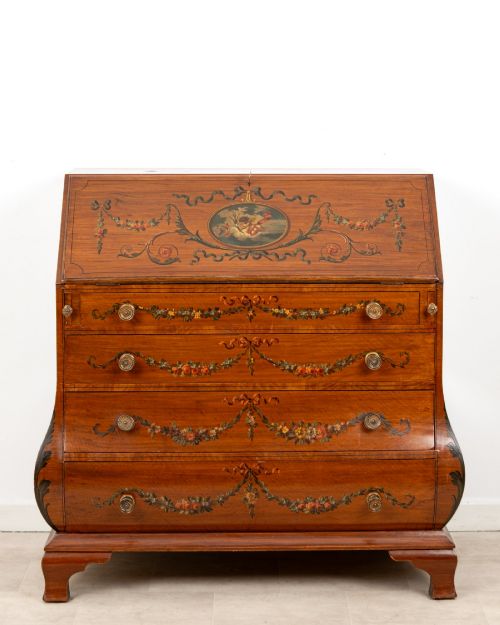
When you search for antique satinwood bureau drawers, you encounter pieces designed for correspondence and storage, frequently spanning the eighteenth, nineteenth, and early twentieth centuries. These forms include writing desks, bureau bookcases, and chests of drawers embellished with light, lustrous timber.
The Edwardian era and the late nineteenth century supply many of the items seen here, alongside George III and Victorian examples. Makers utilised satinwood either as solid timber for high-status commissions or as finely figured veneers over supportive secondary woods.
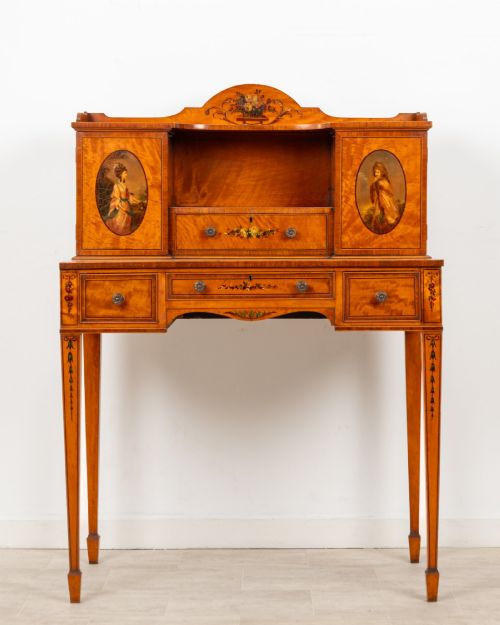
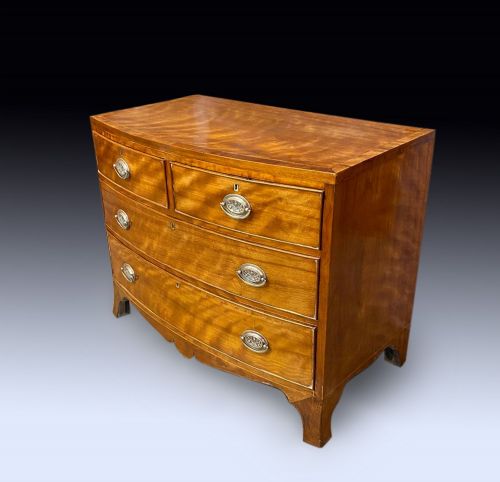
Forms range from compact ladies' bureaux and Carlton House desks to tall chests of drawers and secretaire bookcases. Each variant provides practical compartments alongside the distinct golden sheen characteristic of the wood.
How they were made
Cabinetmakers constructed these pieces using primary timbers such as satinwood and mahogany, supported by secondary woods like pine and oak for drawer linings. Craftsmen applied crossbanding, parquetry, and contrasting line inlay to accentuate the natural grain.
Surface decoration frequently involved hand-painted floral motifs or delicate stencilling, particularly on Edwardian items. Metalwork elements, including original brass handles and ormolu mounts, complemented the timber construction.
Techniques varied from solid construction in eighteenth-century pieces to complex veneering methods in later decades. Drawers utilised traditional dovetail joints, reflecting the standards of period workshops.
The listings span from eighteenth-century George III pieces to Edwardian items, utilising materials including satinwood, mahogany, brass, and leather.
What varies in quality
The standard of timber selection largely dictates the value and visual appeal of these pieces. Highly figured satinwood, symmetrical flame grain, and precise crossbanding distinguish superior examples from plain surfaces.
The complexity of the interior fittings, such as secret compartments within a bureau or the presence of original brass hardware, separates utilitarian furniture from exhibition pieces. Hand-painted details and fine inlay work further elevate the status of individual desks and chests.
Structural integrity depends on the preservation of the original veneers and the smooth operation of drawers and writing flaps. Pieces retaining their early finish and untouched secondary woods command greater interest among collectors.
Harris Lebus of Tottenham·Donald Ross·Morison of Edinburgh·Druce and Co London
The Antique Satinwood Bureau Drawers Glossary
- Satinwood
- A dense, lustrous tropical timber known for its pale golden colour and reflective grain. It served both as solid wood for elite furniture and as a fine veneer.
- Bureau
- A writing desk featuring a sloping flap that opens to reveal internal pigeonholes and small drawers. Many examples combine this writing surface with chest drawers below.
- Crossbanding
- A decorative border technique where thin strips of veneer are laid perpendicular to the grain of the surrounding surface. This frames panels on drawer fronts and tabletops.
- Carlton House desk
- A distinctive nineteenth-century writing desk with a tiered superstructure of small drawers and compartments curving around the back and sides. It typically incorporates leather writing inserts.
- Parquetry
- Geometric wood mosaic work used for floors and furniture surfaces. Makers arranged contrasting timbers to create repeating patterns on tabletops and bureau flaps.
Antique Satinwood Bureau Drawers: Frequently Asked Questions
What is a bureau bookcase?
A bureau bookcase combines a sloping writing desk with enclosed shelving above, creating a dual-purpose furniture form for storage and correspondence.
These pieces typically feature glazed upper doors and internal pigeonholes within the lower writing section.
How do I care for satinwood furniture?
Satinwood requires protection from direct sunlight and excessive heat to prevent the timber from fading and the veneer from lifting.
Apply a microcrystalline wax periodically to nourish the surface and maintain the natural lustre of the wood.
How do I identify George III satinwood?
George III pieces often display solid satinwood construction or meticulous linear inlay work executed with high craftsmanship during the eighteenth century.
Check for hand-cut dovetails and traditional cabinetmaking techniques typical of that period.
Where were these pieces used?
These items belonged in principal rooms such as drawing rooms, libraries, and private bedchambers for managing correspondence and storing personal belongings.
Smaller bureau forms were especially popular as ladies' writing tables.