


Traditional Timber Chest Drawers
Traditional timber chest drawers are solid wooden storage furniture built to last, offering classic proportions and enduring utility for any room.
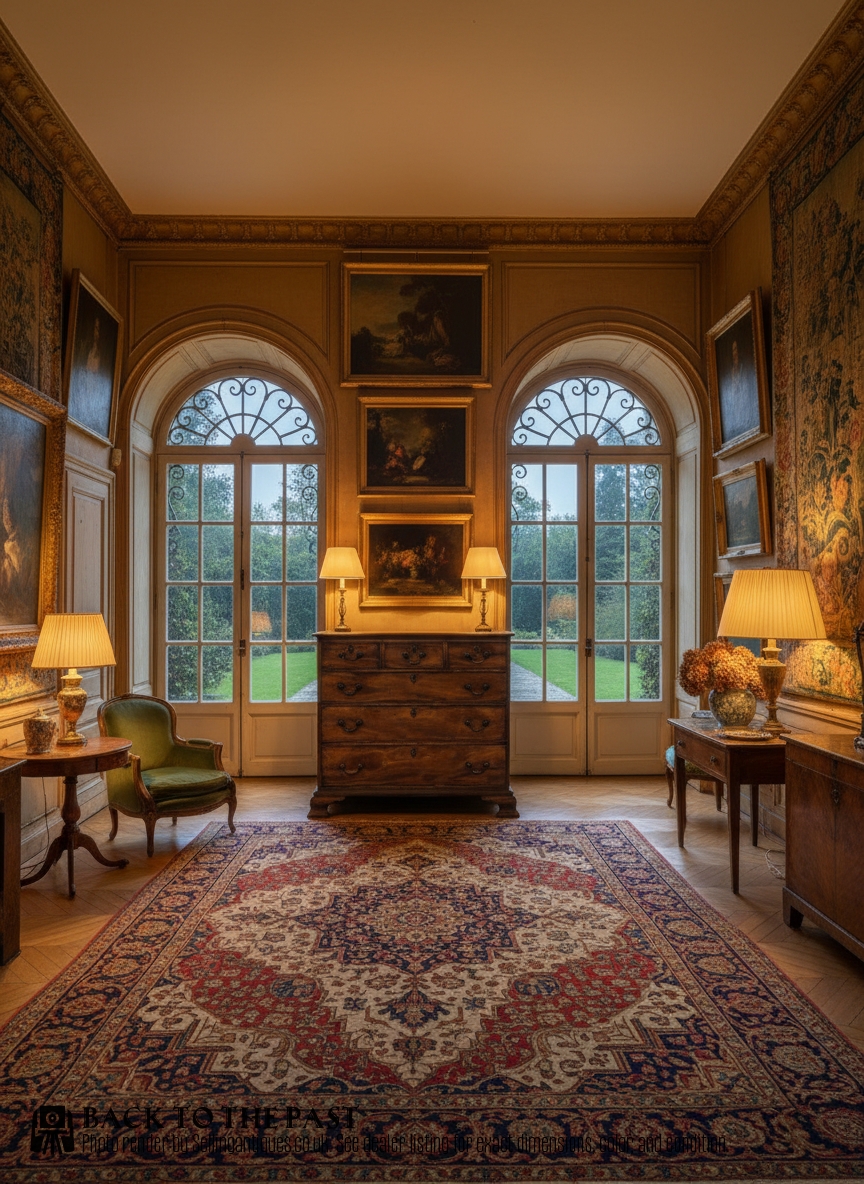
Traditional Timber Chest Drawers
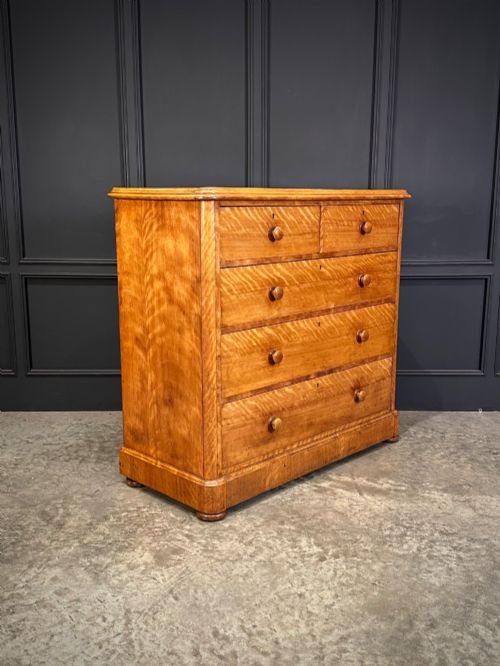
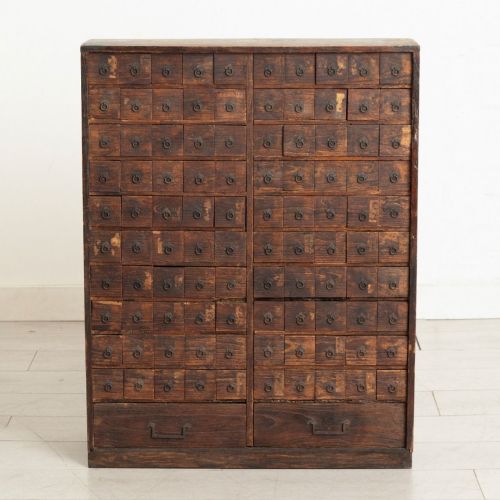
Traditional timber chest drawers encompass practical storage units built primarily during the Georgian, Victorian, and Edwardian periods. These pieces are designed with multiple stacked drawers to organise clothing and household goods, relying on generous proportions and honest craftsmanship.
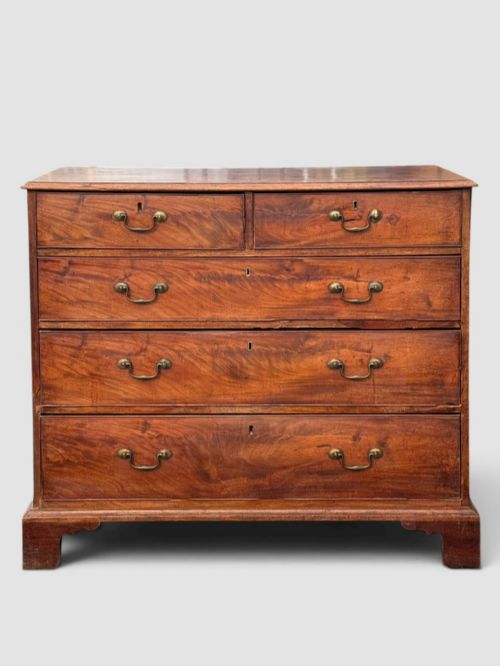
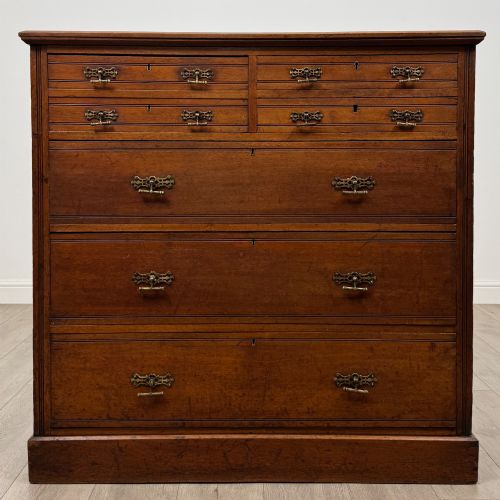
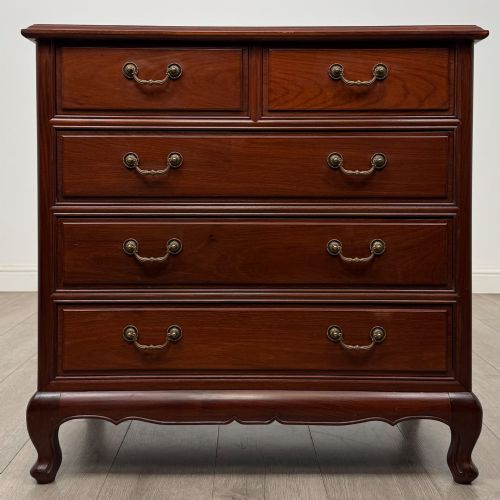
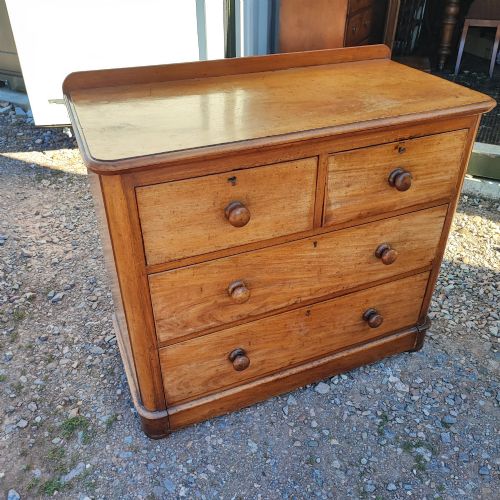
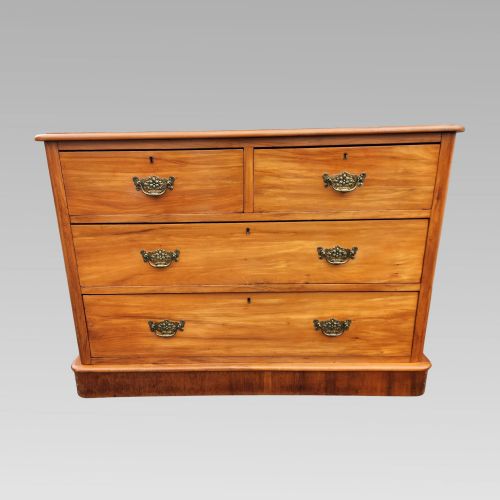
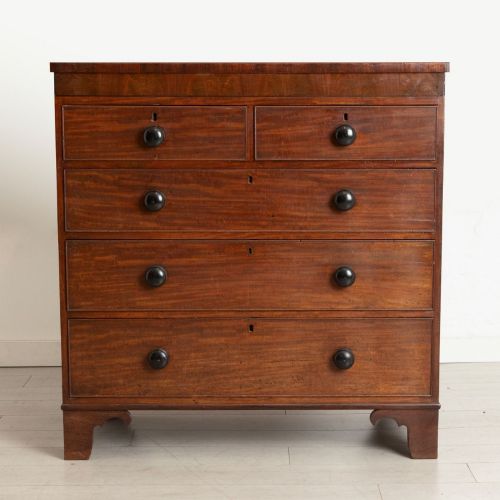
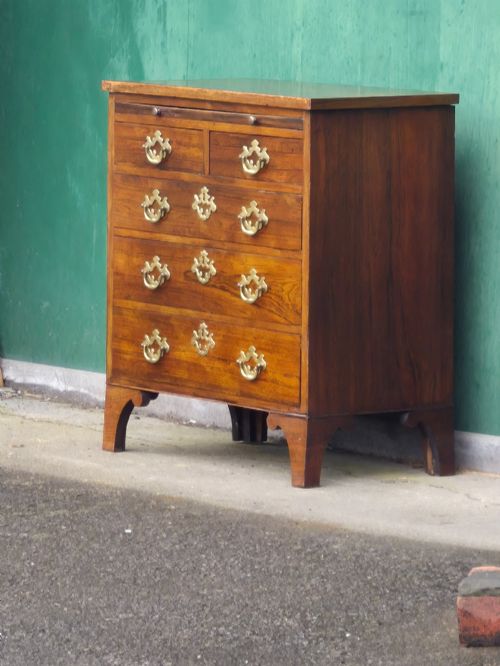
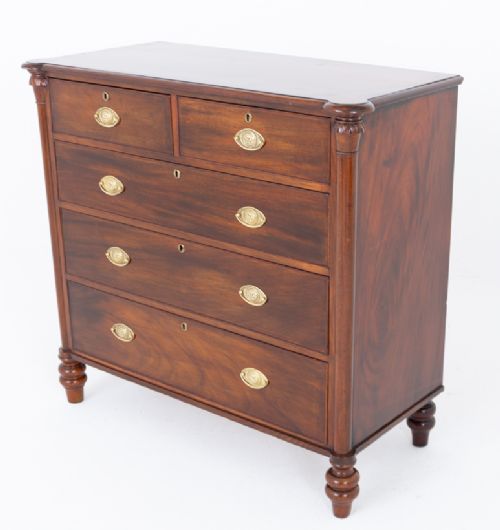
The versions most commonly found here feature mahogany or walnut construction, often configured with a combination of two smaller drawers over three larger ones. Examples range from tall Wellington chests to serpentine fronts, showing the diverse stylistic approaches of British and continental makers.
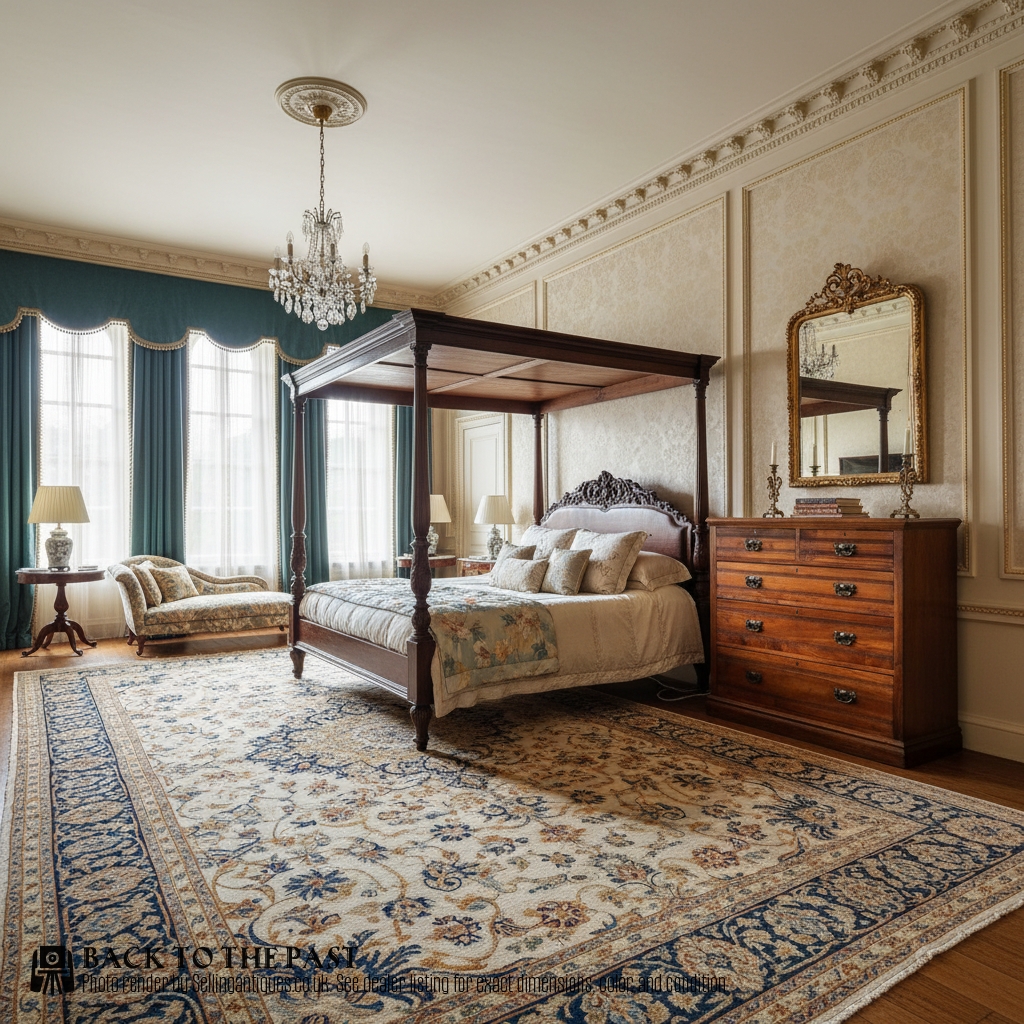
Construction and Materials
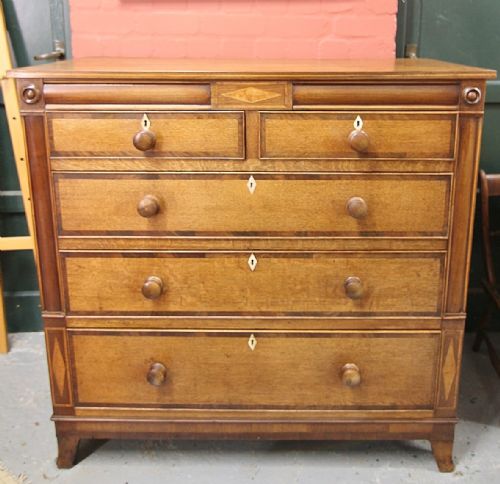
Cabinet makers built traditional timber chest drawers using dense hardwoods like mahogany, walnut, and oak, frequently pairing them with secondary pine linings for internal drawer boxes. Surfaces often showcase figured veneers or subtle string inlay, while solid brass swing handles and escutcheons secure the drawer fronts.
Construction techniques rely on tight dovetail joints for the drawer corners and sturdy tongue-and-groove framing to handle heavy loads. Timber was selected for grain pattern and stability, allowing the wood to age naturally without warping the overall carcase.
Listings span the 18th, 19th, and early 20th centuries, featuring materials from native oak and pine to exotic mahogany and satinwood.
Judging Quality and Character
Quality in these chests rests on the choice of timber veneer, the neatness of the hand-cut dovetails, and the preservation of original hardware. Superior examples display carefully matched grain across the drawer fronts and smooth drawer action within the carcase.
Jas Shoolbred·William Gomm
The Traditional Timber Chest Drawers Glossary
- Wellington chest
- A tall, narrow chest of drawers typically secured by a locking hinged side flap that holds the drawer stack in place.
- Serpentine front
- A furniture front characterised by a wavy contour that curves outward at the centre and inward at the sides.
- Dovetail
- A traditional interlocking joint used to join drawer corners securely without metal fasteners.
- Scumble paint
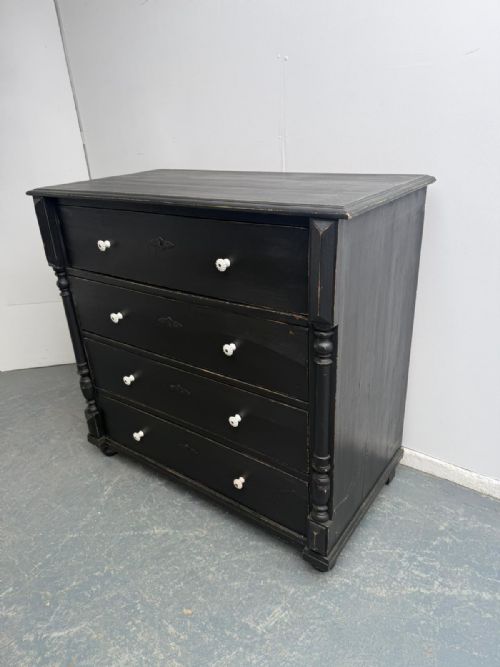
- A decorative surface treatment applied in a translucent layer to imitate the rich grain of finer timber or create an aged folk art finish.
- Escutcheon
- A protective metal plate surrounding the keyhole of a drawer or cabinet door.
Traditional Timber Chest Drawers: Frequently Asked Questions
How do I date a timber chest?
Dating relies on examining construction methods such as hand-cut dovetails, timber species, and handle styles. Earlier 18th-century pieces often use oak linings and walnut veneers, whilst Victorian examples frequently utilise mahogany and machine-assisted joints.
Hardware placement and secondary woods provide further clues to the exact decade of manufacture. Comparing these elements against known stylistic periods helps narrow down the origin.
What is a Wellington chest?
A Wellington chest is a tall, narrow style of drawer unit distinguished by a locking wooden pilaster strip down one side. Swinging this flap open allows the stacked drawers to be pulled out.
This design originated in the 19th century to securely store documents or personal items in a compact footprint. They are commonly found in mahogany or walnut.
How were these chests used?
These chests served as primary bedroom storage for garments, linens, and personal valuables before fitted wardrobes became common. Taller formats maximised vertical storage space in smaller chambers.
Some variations included sliding writing surfaces or concealed secret drawers for confidential papers. Their robust construction ensured daily utility across generations.
How do I care for old timber?
Maintain antique wood by keeping it away from direct heat sources and strong sunlight, which dry out and fade the timber. Regular dusting with a soft, dry cloth protects the wax polish and patina.
Avoid silicone-based sprays and excessive moisture. Applying a traditional beeswax occasionally helps nourish the grain and preserve the finish.