




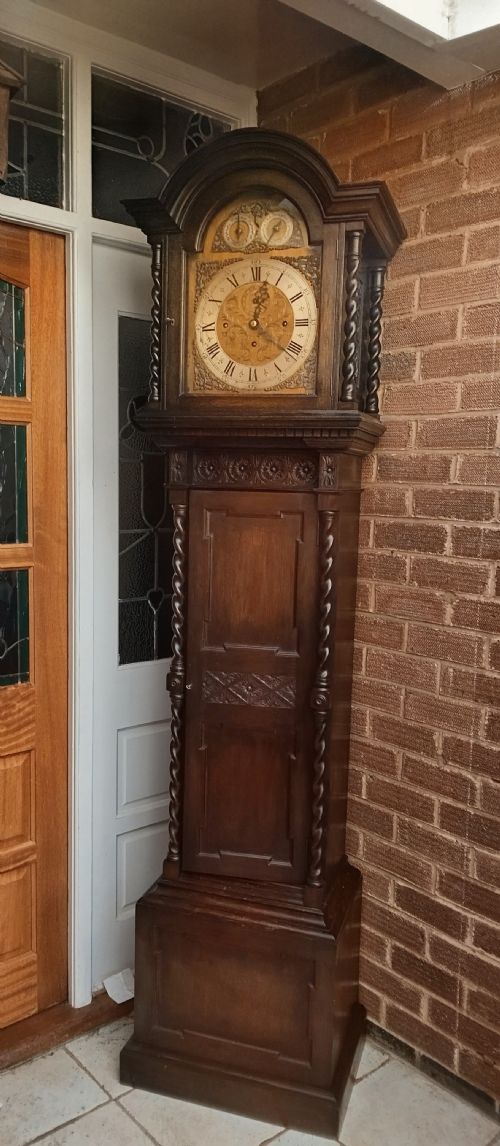


Edwardian Carved Brass Stand
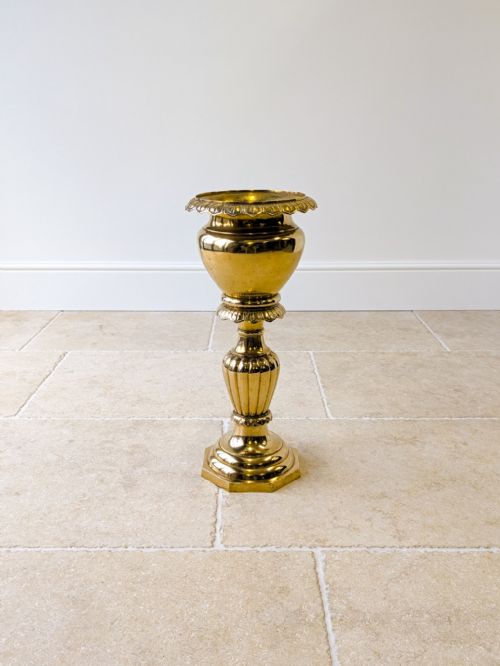
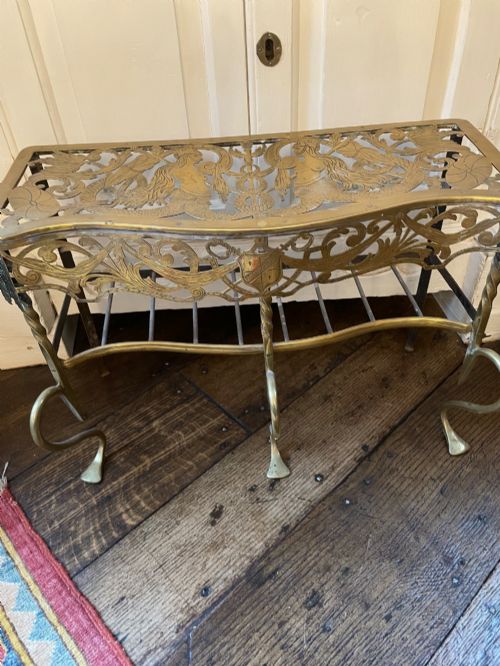
These pieces take the form of an edwardian carved brass stand, bringing durable metalwork and polished domestic utility into the hallway or parlour.
Edwardian Carved Brass Stand
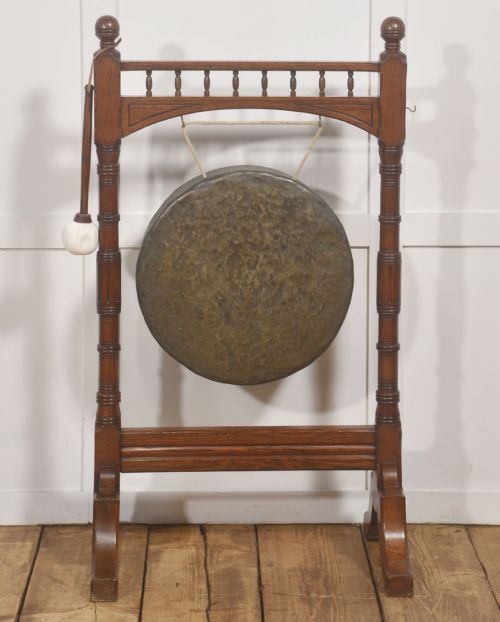
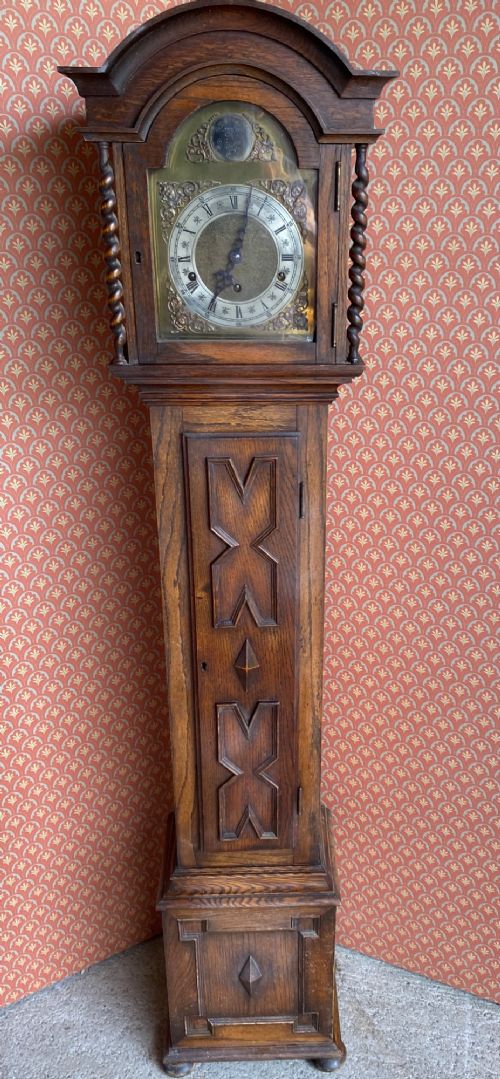
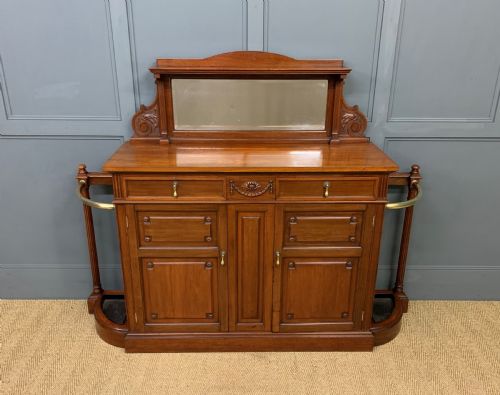
An edwardian carved brass stand typically appears alongside related furnishings from the late nineteenth and early twentieth centuries, including umbrella stands, hall furniture, and dinner gongs. These items emerge from domestic settings where robust materials met practical household requirements.
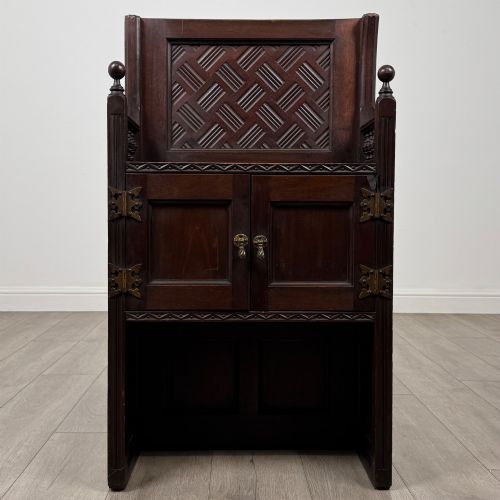
While the search points to a specific configuration, the available examples lean towards oak and mahogany hall pieces, dinner gongs with metal fittings, and occasional stands incorporating brass detail. Buyers encounter these forms bridging late Victorian design and the simplified lines of the Edwardian era.
Materials and Construction
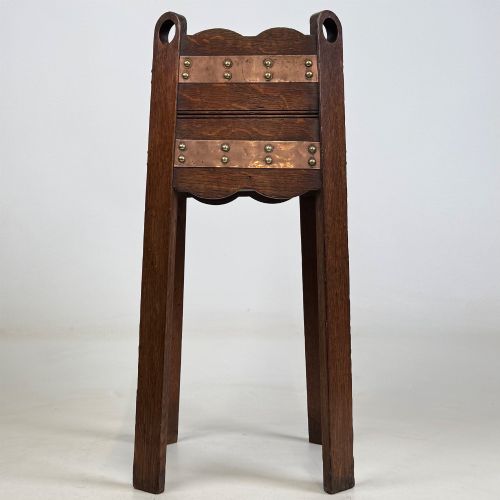
Construction relies heavily on durable hardwoods like oak and mahogany paired with cast or sheet brass, often joined by turned wooden elements such as barley twist columns. Metal components are integrated directly into wooden frames to support utilitarian objects like gongs, sticks, and plants.
Surface work incorporates carved wooden details and polished brass fittings, reflecting the prevailing cabinet-making and metal-working techniques of the period. The combination of timber frames and brass fixtures ensures structural stability for daily household use.
Edwardian Carved Brass Stand Retail Price Guide 2026
Typical asking prices for edwardian carved brass stand among the pieces listed under this phrase on Sellingantiques today, from the lower quarter to the upper quarter. They describe what is for sale here now, not the wider market.
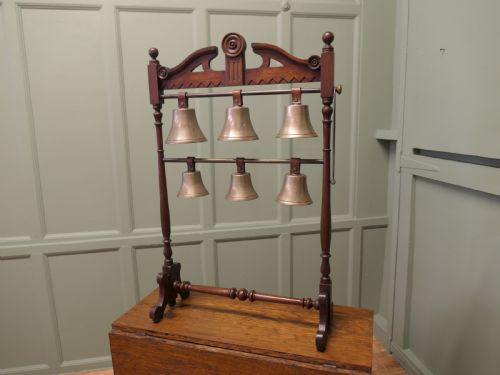
Some dinner gongs come equipped with a tuned set of nine brass bells ready to summon the household.
Standards of Execution
Quality rests in the crispness of the timber carving and the weight and finish of the brass elements, distinguishing finely worked items from plain utilitarian pieces. Superior examples display balanced proportions and integrated metalwork rather than purely functional assembly.
The integration of materials also dictates overall merit, where secure joinery between the brass components and the wooden base determines longevity. Finer items maintain original patination across both the metal surfaces and the surrounding wood.
Shoolbred & Co.
The Edwardian Carved Brass Stand Glossary
- Edwardian
- A design period spanning the reign of King Edward VII, noted for lighter proportions and eclectic revivals. This era follows the heavier Victorian aesthetic.
- Dinner Gong
- A suspended metal disc or bell struck with a mallet to announce meals. These are frequently mounted in carved wooden frames with brass fixings.
- Barley Twist
- A turned wooden column resembling a spiralling rope. This decorative turning appears frequently on table legs and candlesticks.
- Jardiniere
- An ornamental pot or stand designed to hold plants or flowers. They are often produced in brass or ceramics.
- Hall Stand
- A piece of furniture placed in an entrance hall to hold coats, hats, and umbrellas. They often incorporate mirrors and drip pans.
Edwardian Carved Brass Stand: Frequently Asked Questions
What is an edwardian carved brass stand used for?
These pieces function primarily as decorative and utilitarian furnishings in entrance halls or reception rooms. They serve to hold plants, support gongs, or organise walking equipment.
Their robust construction allows them to withstand daily domestic use while displaying polished metal details and carved woodwork to arriving visitors.
How do I date an edwardian carved brass stand?
Dating relies on identifying characteristic design motifs, timber types, and construction methods associated with the early twentieth century. Lighter proportions often distinguish Edwardian pieces from heavier Victorian predecessors.
Examining the fixings, patination, and secondary woods provides further confirmation of the period of manufacture.
Are these stands suitable for modern homes?
The compact forms and practical utility of these items allow them to integrate easily into contemporary hallways and living spaces. Their mixed media construction adds textural contrast to modern interiors.
They require minimal maintenance beyond regular dusting of the timber and occasional polishing of the brass components.
What materials are typical for these pieces?
The primary structure is usually formed from hardwoods such as oak, mahogany, or walnut. Brass provides the main metallic element for mounts, bowls, or gongs.
Additional materials like glass, leather, and cast iron occasionally appear in related hall furniture and umbrella stands from the same era.