
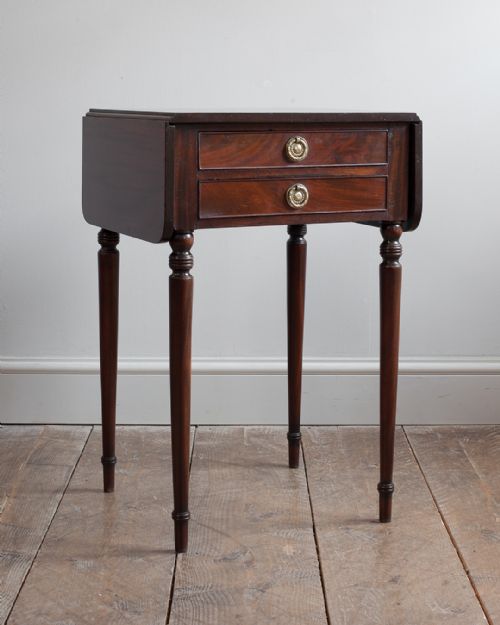
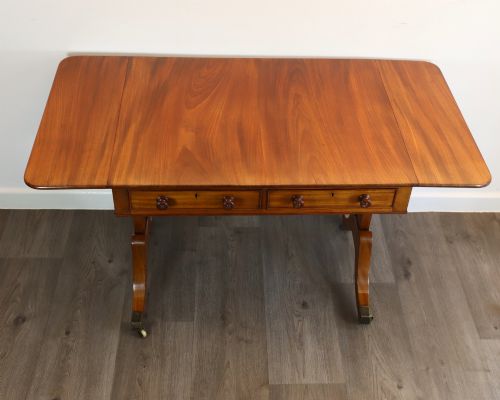
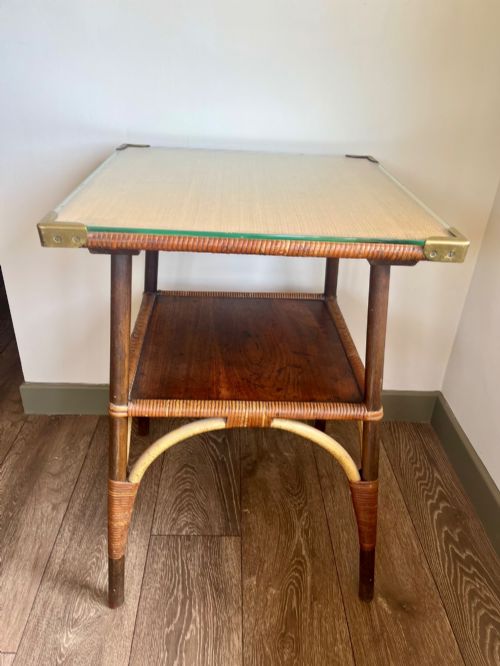
Edwardian Brass Side Table
These pieces for an Edwardian brass side table bring practical surface space and polished metallic warmth to a room.
Edwardian Brass Side Table
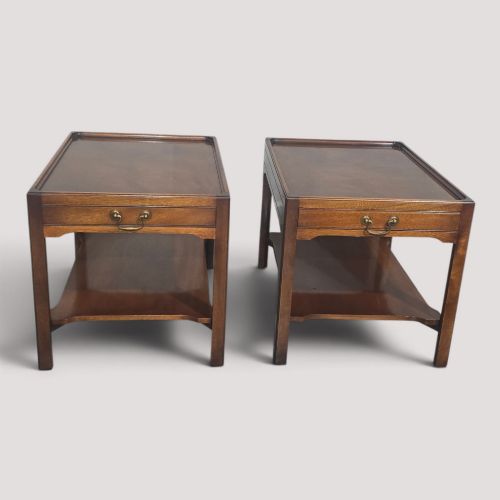
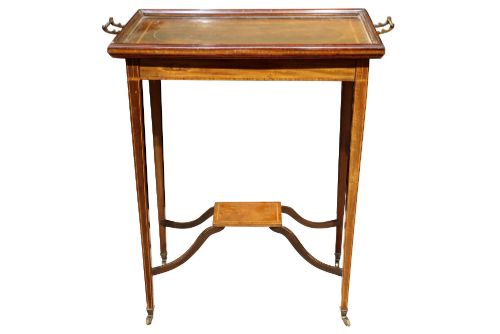
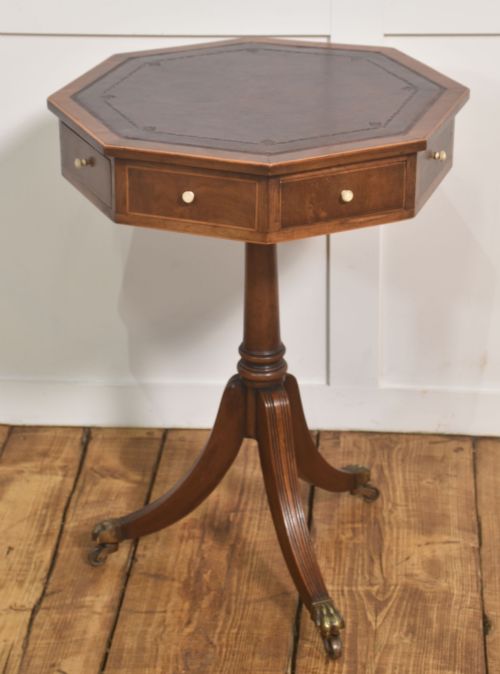
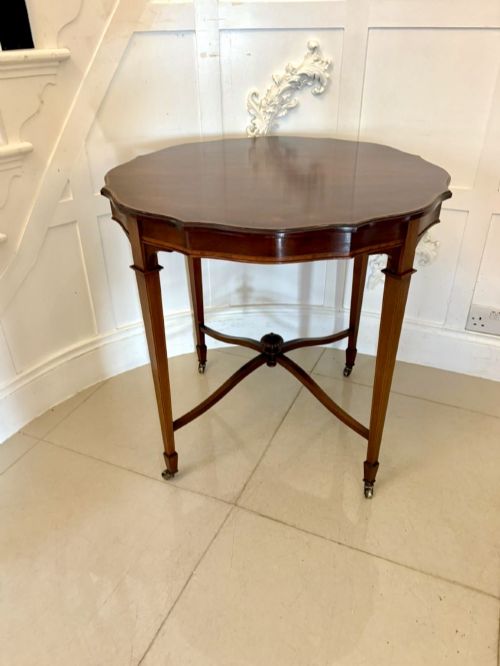
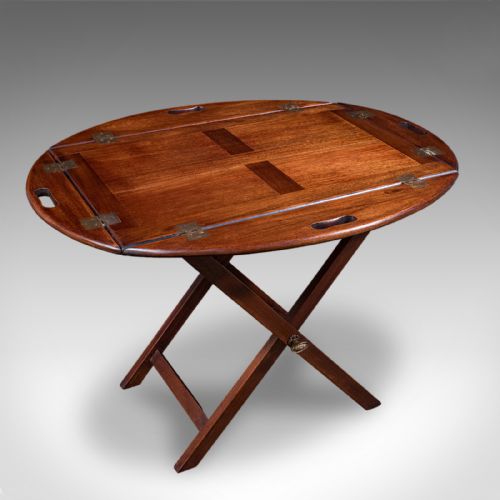
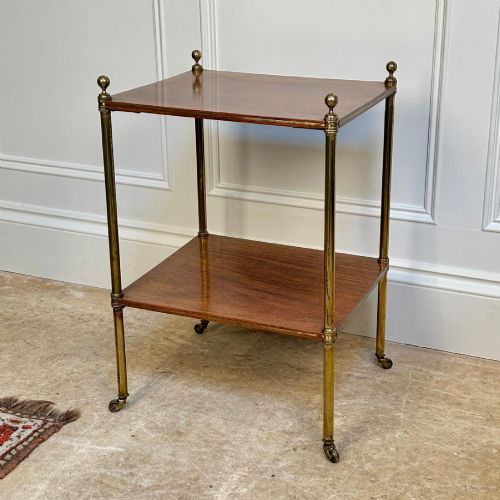
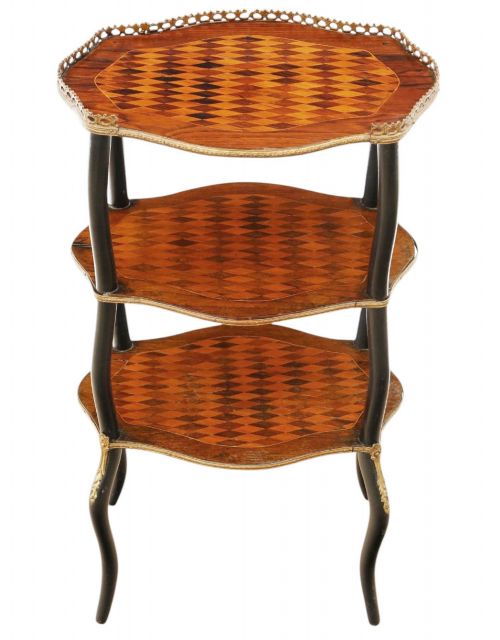
An edwardian brass side table combines the lighter proportions of the early twentieth century with durable metallic construction, often appearing as circular tray tops, occasional stands or multi-tiered étagères. The search phrase covers utilitarian serving pieces and decorative display stands produced during the Edwardian era and surrounding decades.
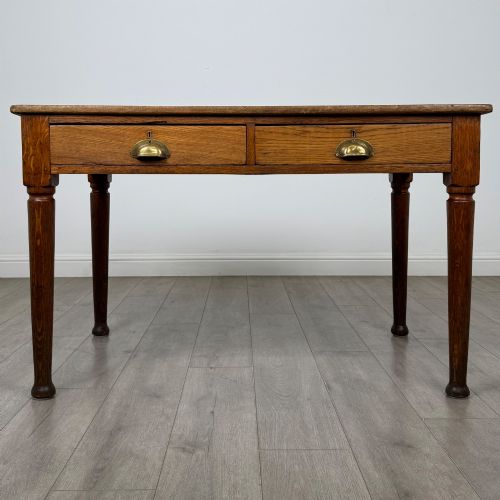
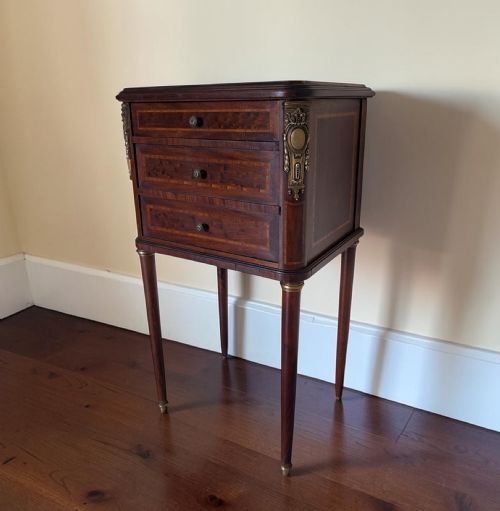
Makers of the period utilised brass alongside timbers like mahogany, satinwood and oak, creating portable pieces designed to hold lamps, tea services or books. While many examples stay true to straightforward Edwardian design, revival styles such as Regency and French Louis XVI also influence the output seen here.
Buyers encountering these items on this page will notice how compact forms dominate, making them suitable for placement beside seating or in hallways. The occasional table or tray top format remains the most frequent discovery for this specific search.
Materials and Construction
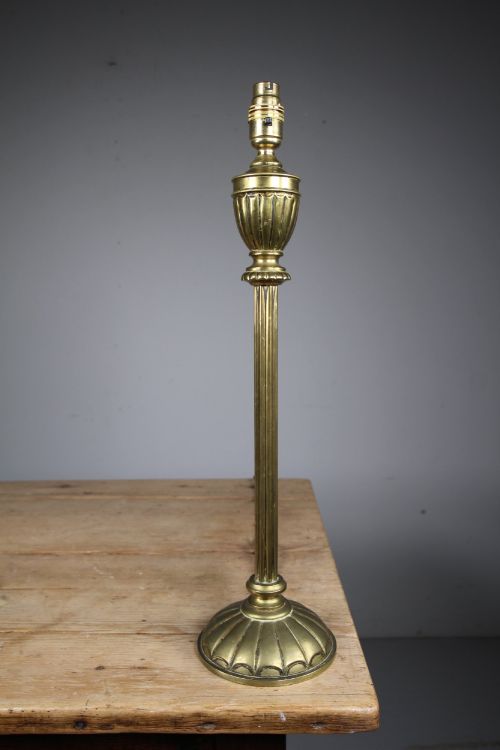
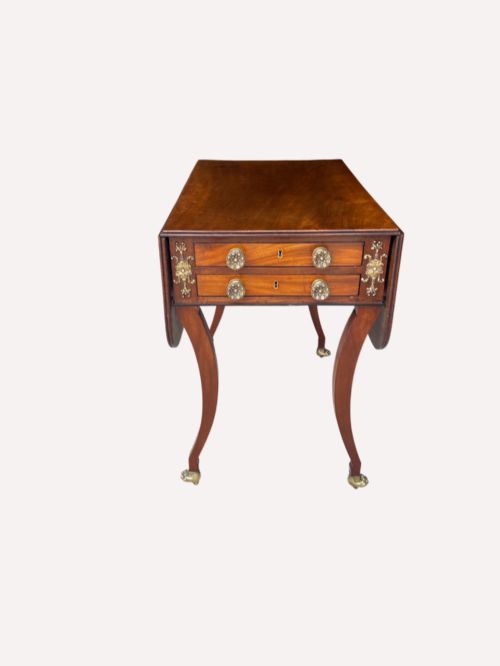
Brass forms the primary structural or decorative element, appearing as tubular framing, cast mounts, or chased table tops featuring intricate ornamentation. Craftsmen paired this metal with solid and veneered hardwoods, notably mahogany and satinwood, applying marquetry or inlay to enhance visual depth.
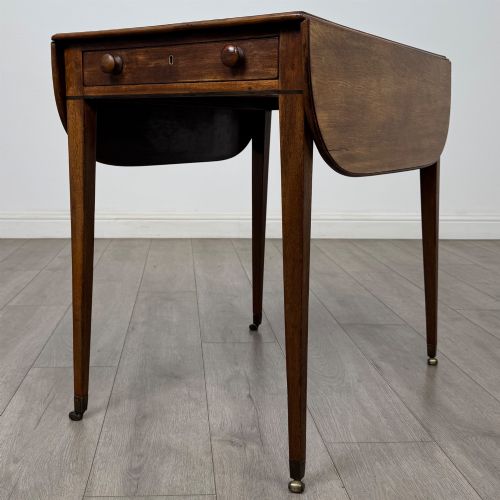
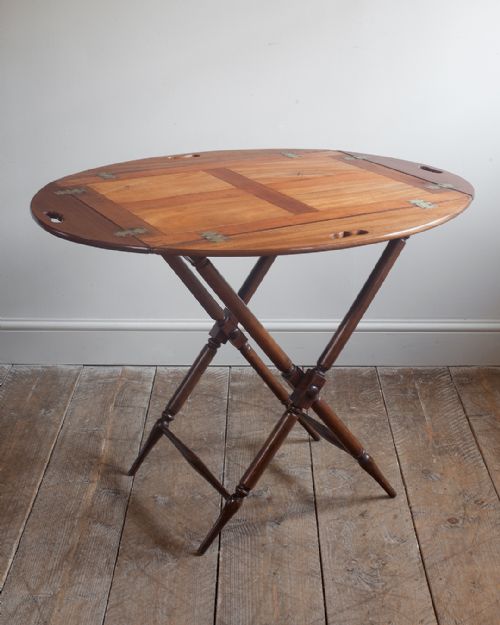
Construction methods rely on traditional joinery for wooden frames, while metal components utilise casting, spinning, and soldering techniques. Folding mechanisms, drop flaps, and removable trays demonstrate the practical engineering built into these compact pieces.
Materials recorded across the inventory include solid brass, mahogany, satinwood, oak, marble, and ormolu.
Assessing Quality
Quality rests in the crispness of the brass work and the precision of any timber inlay, distinguishing finely chased mounts and hand-cut marquetry from simpler stamped metal and painted decoration. Heavier gauges of brass and substantial hardwood carcasses provide greater stability and durability.
The integrity of the original surfaces, whether polished brass or polished wood, dictates the character of the piece. Refined proportions and tight joints separate standard commercial production from superior workshops.
Andrew Thomson And Sons·Dryad Leicester·François Linke·Jenners
The Edwardian Brass Side Table Glossary
- Tray top
- A table design featuring a removable or fixed tray with a raised rim, originally intended for serving tea or carrying items safely.
- Ormolu
- Gilded bronze mounts applied to furniture and light fittings, providing metallic enrichment popular in French revival styles.
- Etagere
- A set of open display shelves supported by columns or slender uprights, used for ornaments and small objects.
- Marquetry
- Decorative woodwork where pieces of veneer are fitted together to form pictorial or geometric patterns on a surface.
- Benares
- Brass ware originating from India, often featuring hand-chased surface decoration depicting figures or foliage.
Edwardian Brass Side Table: Frequently Asked Questions
How were brass side tables used originally?
These tables served as versatile movable surfaces for holding oil lamps, books, or tea services in Edwardian sitting rooms. Their portable nature allowed servants to reposition them easily according to the needs of the household.
Over time, their roles shifted from utilitarian service items to decorative display stands for lamps and ornaments within the domestic interior.
Are these tables suitable for modern living?
Their compact dimensions make them ideal as bedside surfaces, lamp tables or small drinks stands in contemporary spaces. The combination of warm brass and timber fits comfortably alongside both antique and modern furnishings.
Maintenance involves simple dusting and occasional gentle cleaning of the brass components to preserve the polished finish without removing aged character.
How do I distinguish Edwardian pieces from later revivals?
Edwardian items date roughly from the turn of the twentieth century up to the First World War, showing specific construction traits like machine-sawn timbers combined with hand-finished brass work. Later twentieth-century revivals often utilise different assembly methods or exhibit cleaner, less varied surface patination.
Examining the fixings, timber shrinkage, and wear patterns helps clarify whether a piece belongs to the original Edwardian period or a later decade.
What materials are typical for these tables?
Brass dominates the structural or surface elements, appearing alongside hardwoods such as mahogany, satinwood, and oak. Some examples incorporate decorative additions like marble tops, ormolu mounts, or inlaid parquetry.
This mix of metal and timber provided the durability and decorative appeal demanded by homes of the early twentieth century.