




Edwardian Brass Headboard
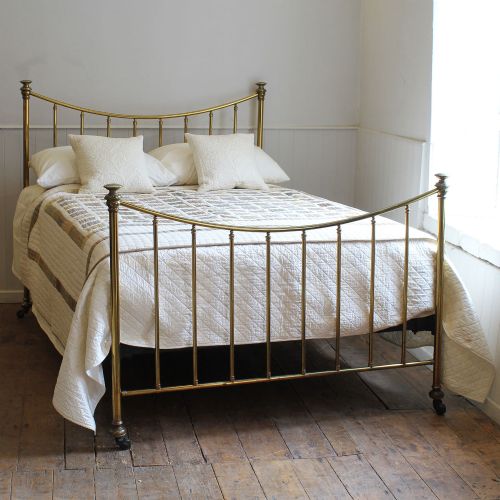
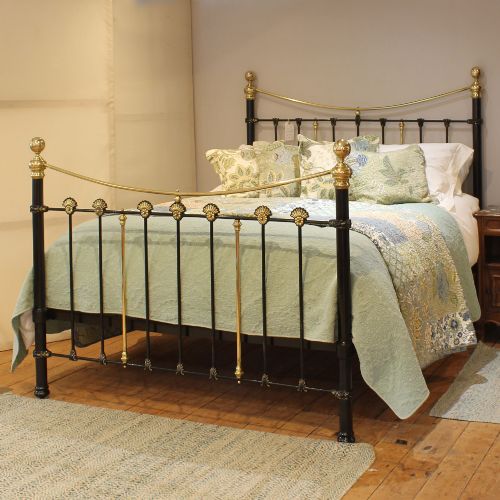
These edwardian brass headboard designs combine polished metal and period frames, offering a sturdy centrepiece for a traditional bedroom.
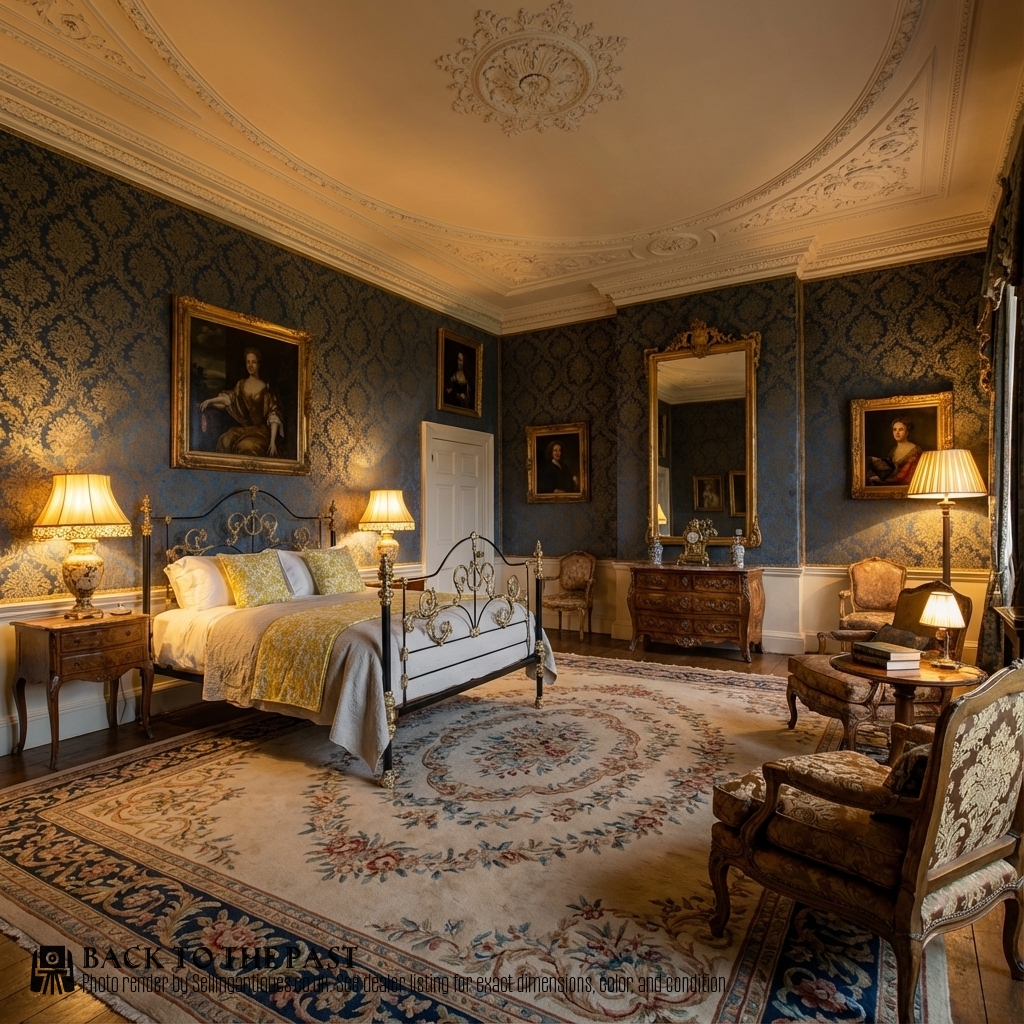
Edwardian Brass Headboard
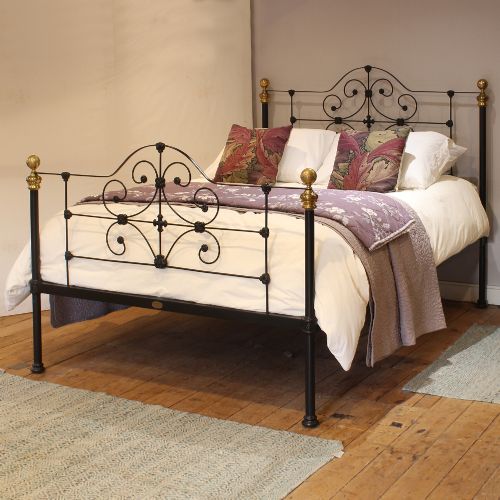
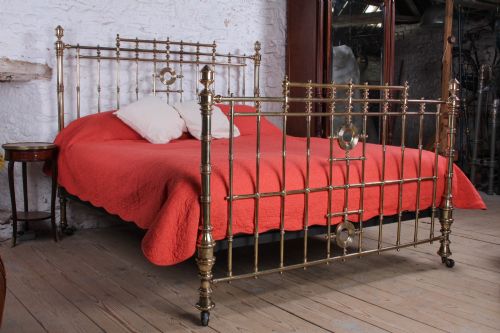
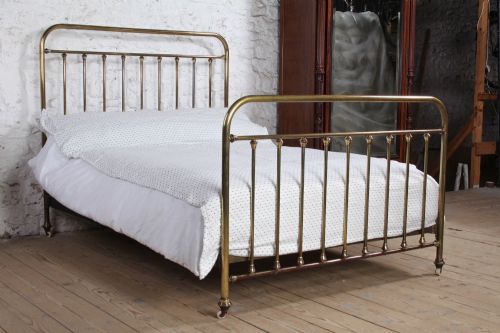
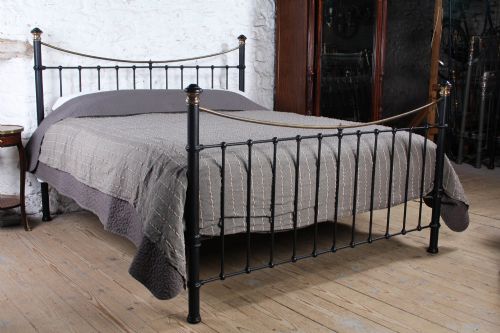
When buyers search for an edwardian brass headboard, they are looking at bed frames and bedstead components originating primarily from the Victorian and Edwardian eras. The examples found here span single, double, and king sizes, often incorporating metal tubing alongside iron or timber elements.
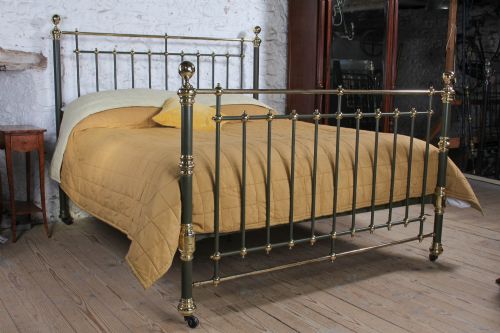
While the archive includes paired headboards, the current selection mostly comprises complete beds and bedsteads from periods ranging from eighteen-fifty to nineteen-ten. Buyers are most likely to encounter polished brass finishes paired with cast iron frames or wooden details.
Materials and construction methods
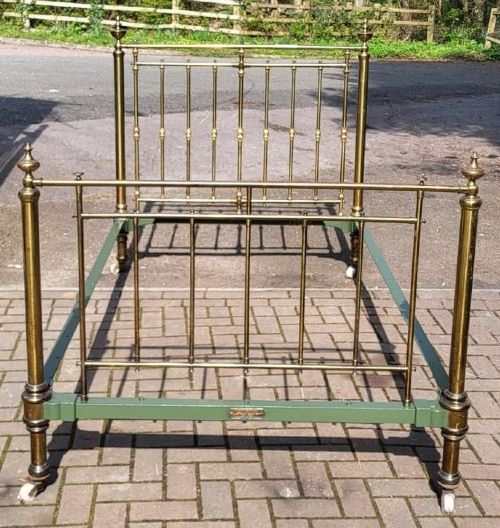
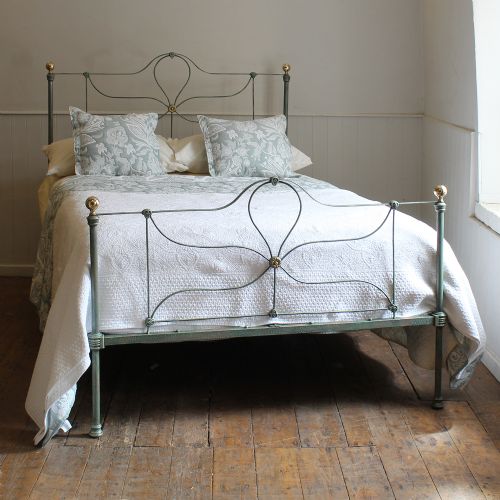
These pieces are constructed primarily from brass, cast iron, and wrought iron, frequently utilising square or round metal tubing for the main framework. Cast brass components and detailed joints provide structural stability while supporting mattresses and bases.
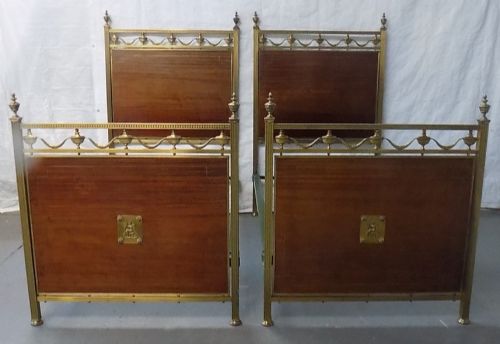
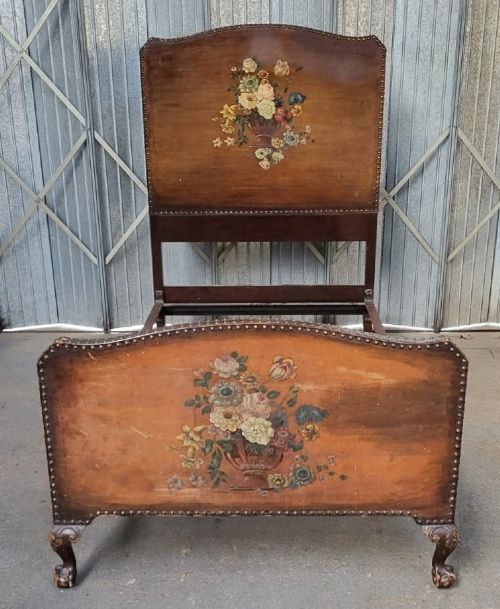
Makers incorporated supplementary materials such as timber, leather, and marquetry in specific styles like the Edwardian Dutch Revival or French Provincial variants. Surfaces were polished to a bright finish or left with natural patination developed over decades of use.
Edwardian Brass Headboard Retail Price Guide 2026
Typical asking prices for edwardian brass headboard among the pieces listed under this phrase on Sellingantiques today, from the lower quarter to the upper quarter. They describe what is for sale here now, not the wider market.
Listings feature brass, cast iron, and wrought iron materials spanning the Victorian and Edwardian periods up to nineteen-ten.
Factors that define quality
The distinction between standard examples and top-tier pieces rests on the weight of the metal, the crispness of cast details, and the integrity of the original joints. Superior pieces often bear maker marks from established workshops such as Maple and Company or Winfield.
Proportion and decorative restraint also separate the grades, with better examples displaying well-balanced dip rails, tapered posts, and intact original hardware rather than modern replacement fixings.
Maple and Company·Winfield
The Edwardian Brass Headboard Glossary
- Dip rail
- A top rail on a bed frame that curves downward towards the centre. This design element provides a softer profile than traditional straight rails.
- Bedstead
- A framework of a bed upon which the mattress is supported. These structures typically include headboards, footboards, and side rails.
- Verdigris
- A green patina or crust that forms on copper, brass, or bronze surfaces over time. It results from natural weathering and oxidation.
- Cast iron
- A hard, relatively brittle alloy of iron and carbon that can be readily cast in a mould. It forms the robust internal structure of many period metal beds.
- Marquetry
- Artful pieces of veneer applied to a structure to form decorative patterns. This technique appears on the wooden accents of mixed-media period beds.
Edwardian Brass Headboard: Frequently Asked Questions
How do I attach an antique headboard?
Period headboards and bedsteads were generally manufactured as integrated units with side rails rather than separate wall-mounted panels. Adapting them to modern divan bases usually requires bespoke brackets.
Buyers should measure the fixing points carefully to ensure compatibility with standard contemporary mattress widths and base configurations.
Are these headboards suitable for daily use?
Most antique metal frames offer robust construction capable of supporting modern mattresses when fitted with a suitable slatted base or platform. The thick brass tubing and iron components provide dependable structural integrity.
Regular checks of the bolt fastenings will keep the frame stable and prevent looseness from developing over years of use.
How should I clean antique brass?
Maintaining brass surfaces involves gentle dusting and occasional cleaning with a mild, non-abrasive metal cleaner formulated for antiques. Preserving the natural patination is often preferable to achieving a mirror polish.
Harsh chemical agents should be avoided as they can strip the historic finish and damage adjacent iron or timber sections.
What is the difference between Victorian and Edwardian designs?
Victorian designs tend to feature heavier proportions, ornate castings, and darker ironwork combined with rich brass embellishments. They often reflect a more formal aesthetic.
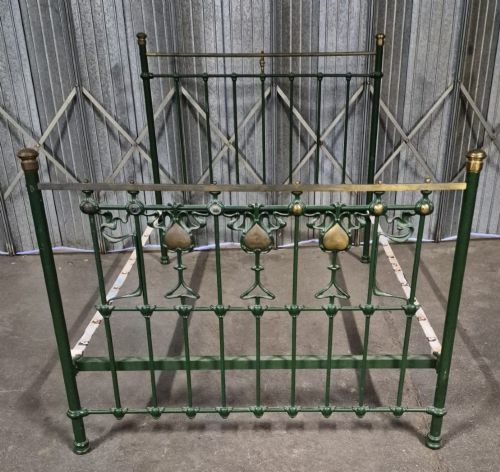
Edwardian pieces generally lean towards simpler lines, lighter tubing, and occasional stylistic influences from Dutch Revival or Art Nouveau movements.