

Edwardian Brass Dial Clock
These edwardian brass dial clock pieces bring timekeeping craftsmanship into the home, combining polished metal dials with rich timber cases.
Edwardian Brass Dial Clock
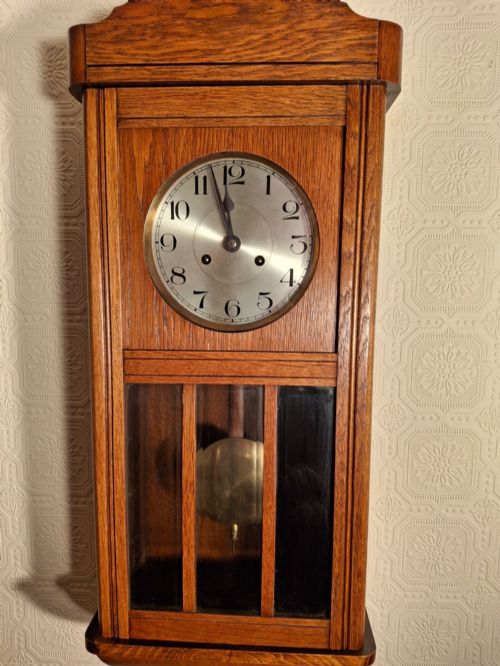
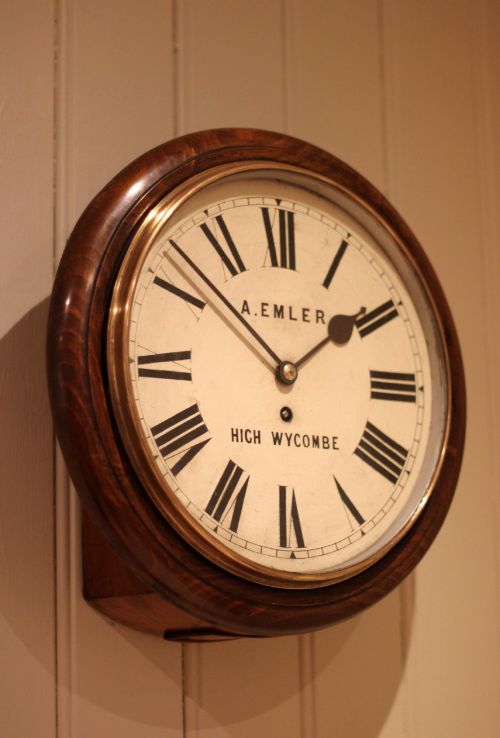
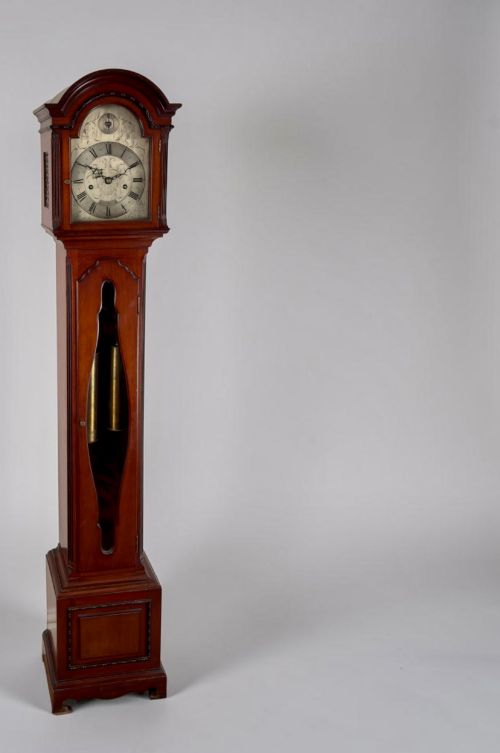
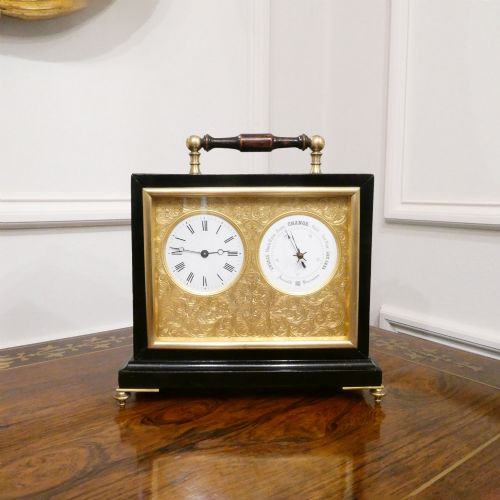
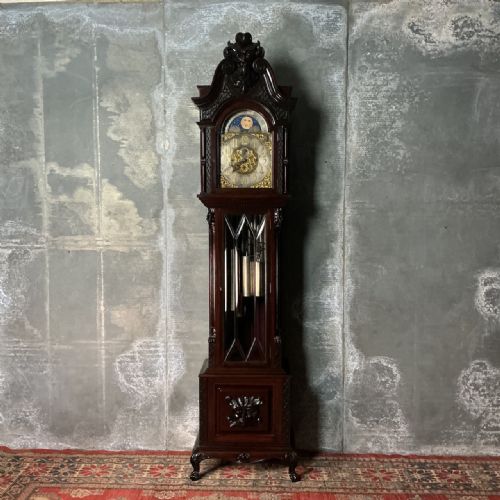
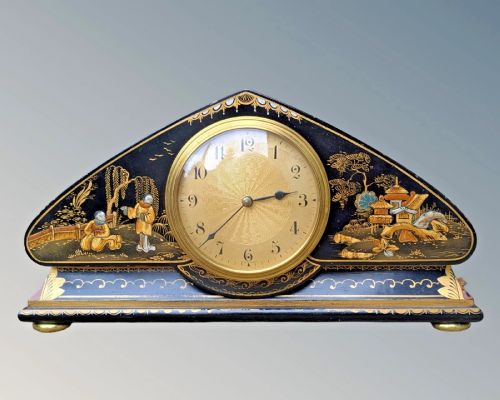
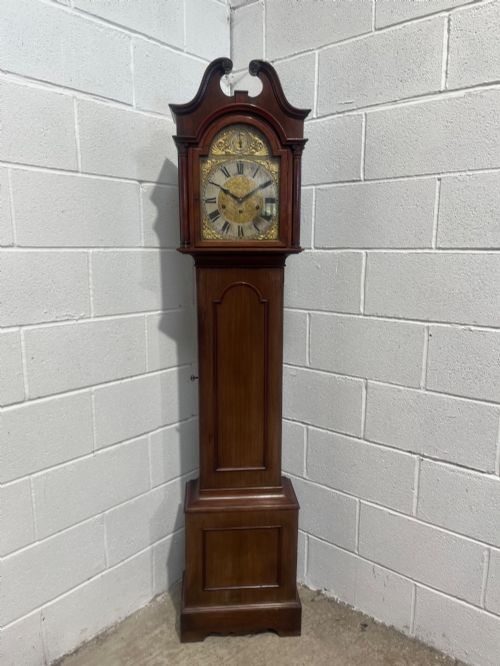
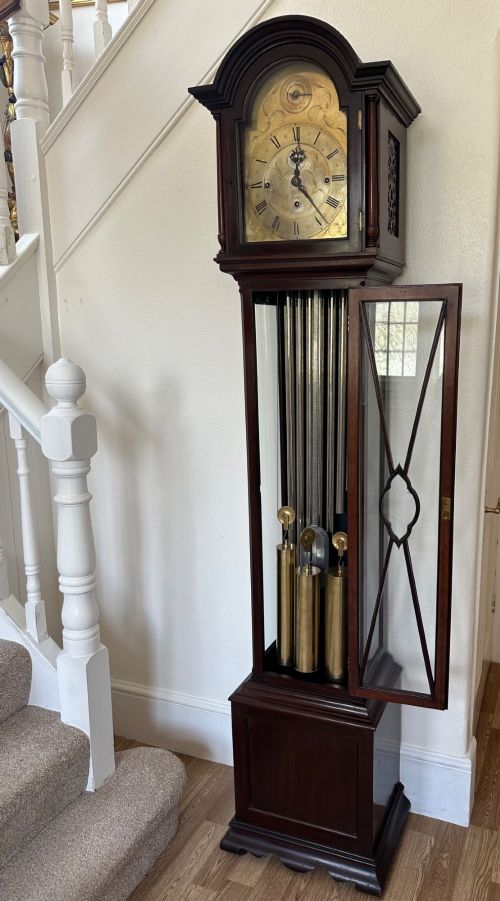
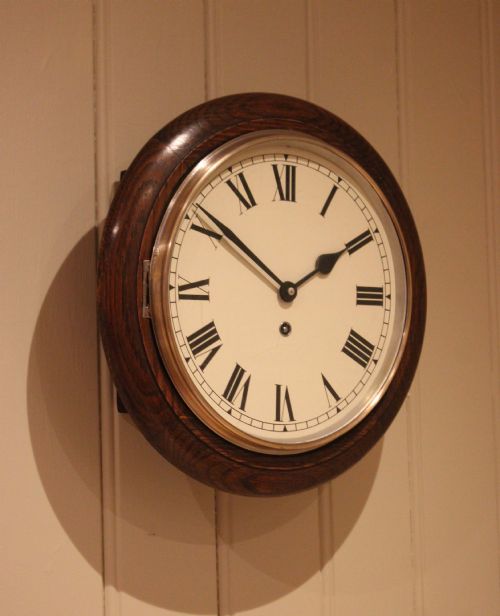
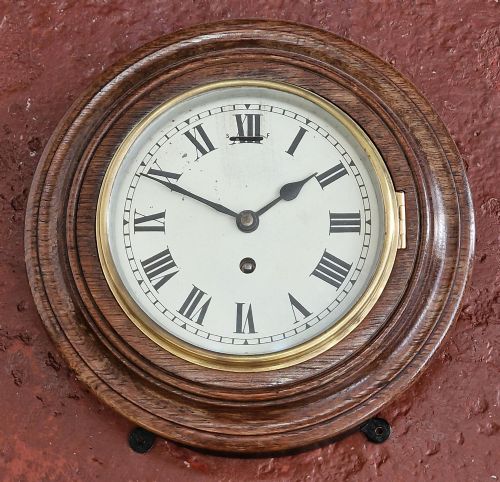
An edwardian brass dial clock covers a range of domestic timepieces, spanning wall-mounted round faces, mantel pieces, and tall floor-standing longcase and grandmother clocks.
Most examples originate from the Edwardian period and the early twentieth century, though nineteenth-century Victorian pieces and later 1920 examples also appear.
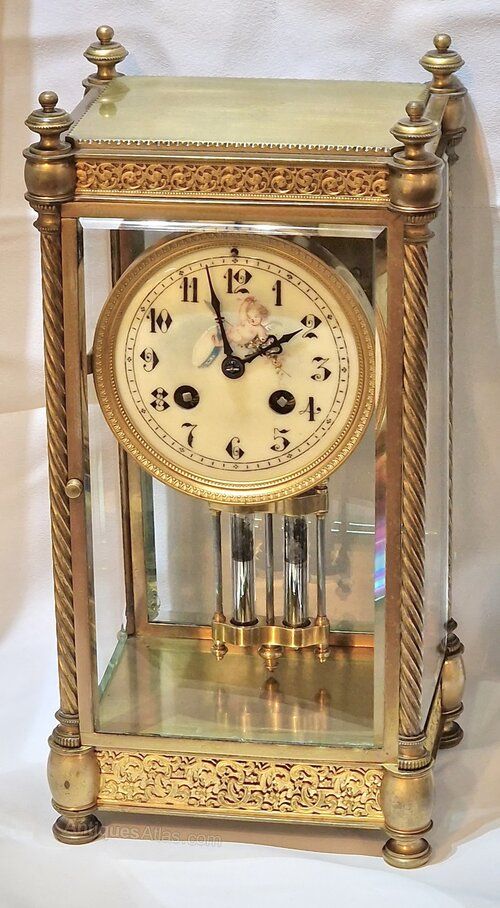
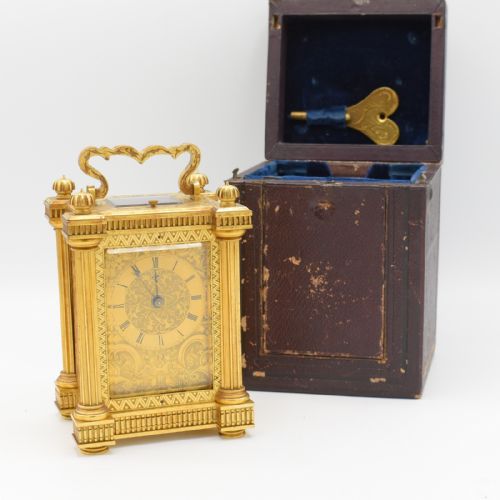
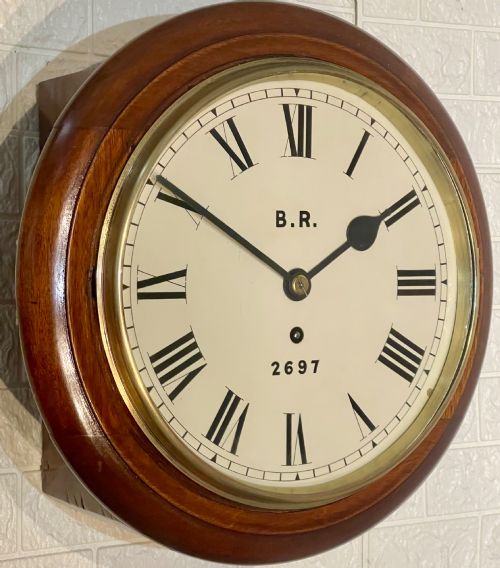
Forms vary from sturdy oak and mahogany railway and fusee wall clocks to decorative carriage clocks with glass panels and intricate musical movements.
Materials and Construction
Cases combine timbers such as mahogany, oak, beech, and ebonised wood, sometimes finished with lacquer, marquetry inlay, or faux tortoiseshell.
Dials incorporate brass numerals and mounts, contrasting with enamel details, glass viewing panels, and precision metal movements inside.
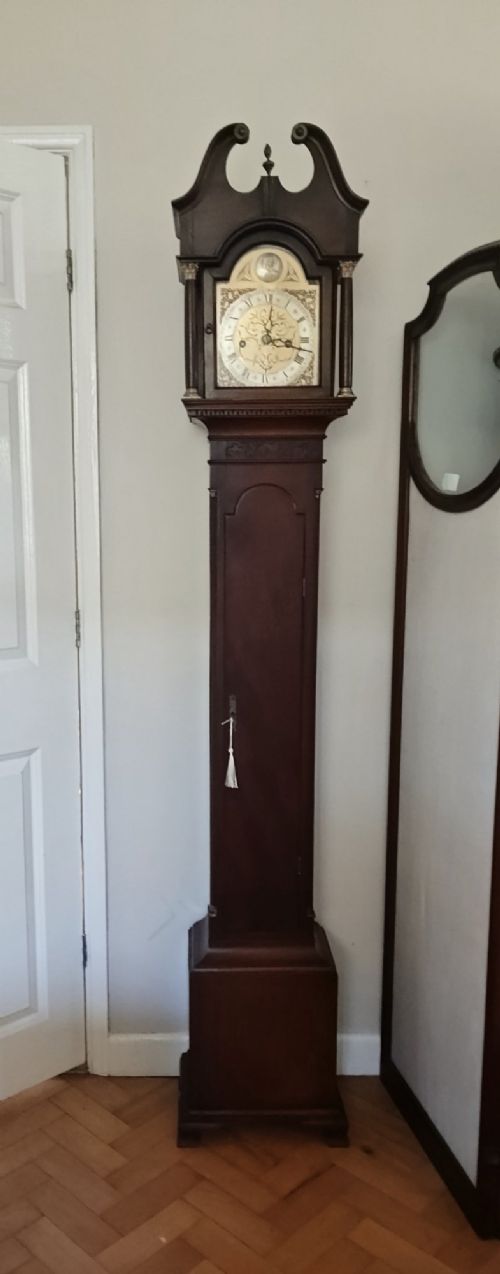
Some miniature longcase clocks earned the affectionate title of grandmother clocks, keeping time quietly without taking up half the hallway.
Standards of Workmanship
Quality rests in the precision of the clock movement, from standard timepieces to complex fusee mechanisms and multi-bell musical longcase systems.
Cabinetwork distinguishes the range, where finely inlaid mahogany or polished oak cases show superior joinery compared to simpler utility models.
Gillett & Johnston of Croydon·Howell & James London·D&J Wellby London·John Walker·Latshea & Sons Edinburgh
The Edwardian Brass Dial Clock Glossary
- Fusee
- A conical pulley used in older clock movements to maintain an even pull as the mainspring unwinds. This mechanism helps ensure steady timekeeping right down to the final hours of the wind.
- Longcase clock
- A tall pendulum clock enclosed in a wooden case resting on the floor, often called a grandfather clock. Smaller versions are frequently referred to as grandmother clocks.
- Carriage clock
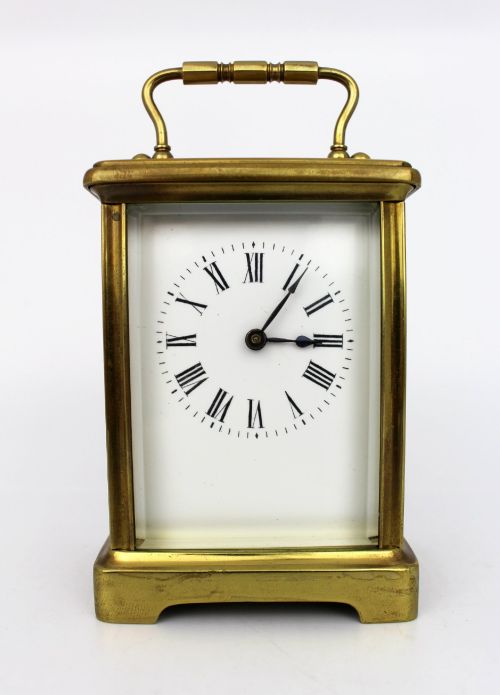
- A small, portable spring-driven clock originally designed for travel during the nineteenth and early twentieth centuries. They commonly feature brass frames and glass sides to show the movement.
- Bracket clock
- A portable table or mantel clock traditionally placed on a shelf or architectural bracket. They often feature striking movements housed in architectural wood cases.
Edwardian Brass Dial Clock: Frequently Asked Questions
What is a fusee dial clock?
A fusee dial clock relies on a special chain and cone mechanism inside to equalise the power delivered by the mainspring. This traditional system was widely used in railway stations and offices for reliable timekeeping.
Most examples feature a clear brass or painted dial mounted within a sturdy mahogany or oak wall case. They are wound from the front through a small hole in the dial face.
How do I wind a mantel clock?
Winding requires a matching key inserted into the winding arbors on the dial face, turning gently until resistance increases. Care must be taken not to overwind the mainspring.
Many mantel clocks require weekly winding, though some larger musical or three-train movements have different requirements depending on their gear trains.
Where should I place a longcase clock?
A longcase clock needs a stable, dry interior wall away from direct sunlight, central heating vents, and heavy vibrations. Standing it on a level floor is essential for the pendulum to swing evenly.
Because these clocks are tall and heavy, securing the upper case to the wall using hidden brackets provides safety and stability.
What is the difference between a mantel and carriage clock?
A mantel clock is typically housed in a substantial wooden or marble case designed to sit permanently on a fireplace mantel or shelf. They often include striking or chiming mechanisms.
By contrast, a carriage clock is a smaller, portable design featuring brass framing and bevelled glass panels. They usually include a swinging handle on top for travel.