


Edwardian Brass Candlestick Lamp
These edwardian brass candlestick lamp selections bring enduring period charm and practical illumination to desks and side tables.
Edwardian Brass Candlestick Lamp
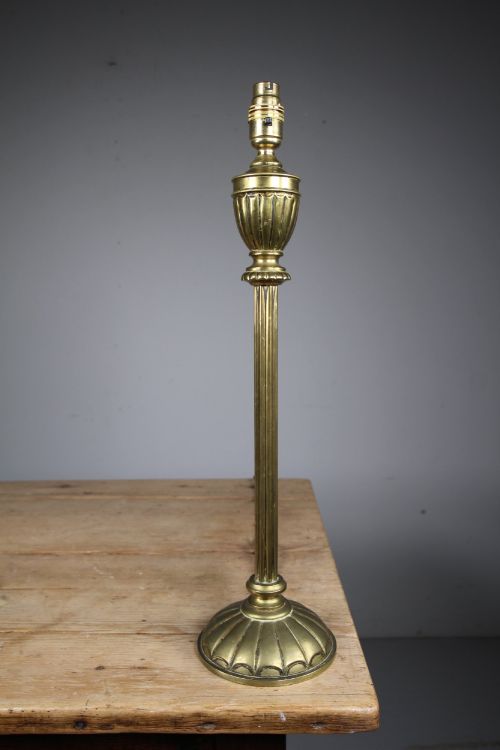
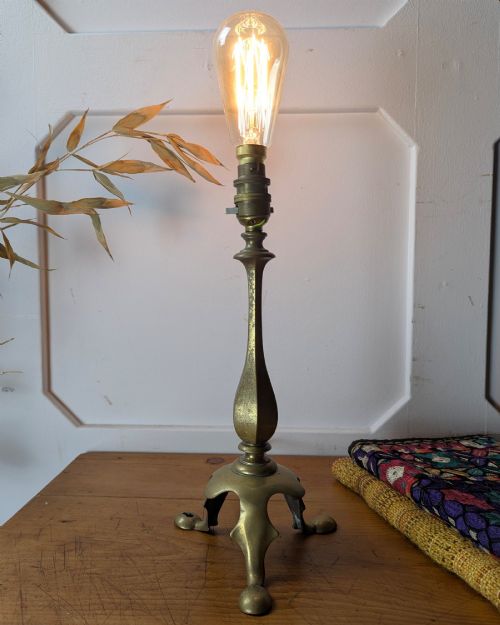
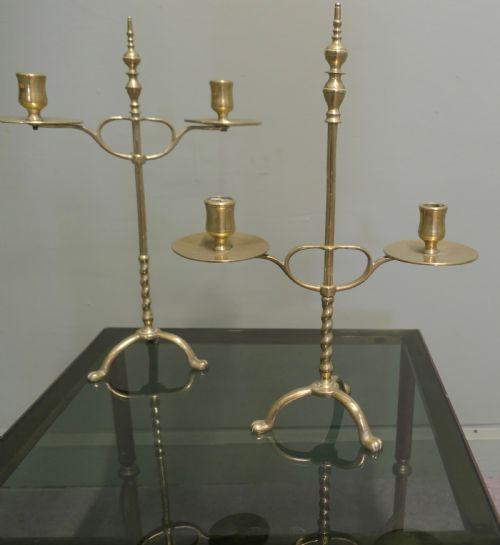
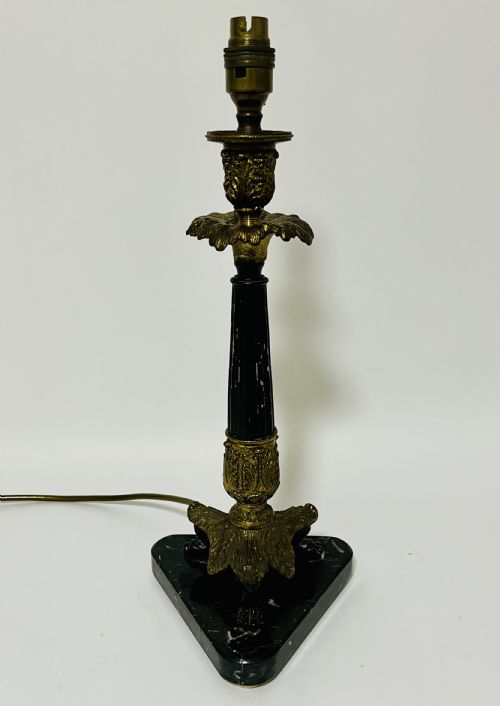
When searching for an edwardian brass candlestick lamp, collectors encounter a focused selection originating primarily from the Edwardian era, alongside Victorian and early twentieth century examples. These functional objects range from simple turned shafts to architectural forms, adapting older lighting methods or traditional candlesticks for electrical use.
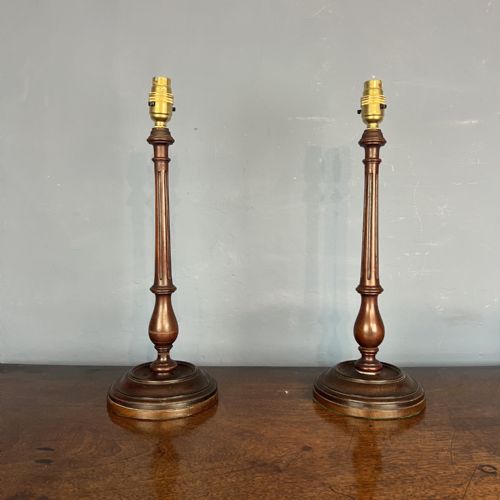
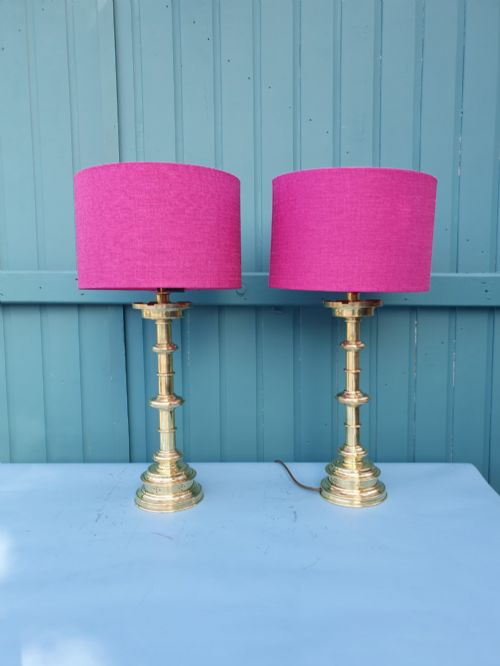
The objects take several distinct shapes on this page, including table lamps, desk lamps, and converted candleholders. Most pieces display straightforward vertical forms, while pairs appear alongside single examples for balanced placement on furniture.
Materials and construction
Brass serves as the primary metal across the selection, complemented by alternate finishes such as nickel plating, gilt bronze, and steel. Some examples integrate secondary materials including marble, glass, fabric, and mahogany bases to provide stability and visual contrast.
Manufacturing methods rely on traditional metalworking techniques such as casting, turning on a lathe, and column construction. Surface finishes vary from polished metals to patinated surfaces developed over decades of use.
One traveller's lamp packs illumination neatly into a nickel-plated case designed for Victorian journeys.
What separates the tiers
Quality in these lamps rests upon the crispness of casting detail, the weight of the metal used in the shaft and base, and the integrity of the proportions. Finer examples display sharp architectural fluting, well-balanced columns, and substantial construction that prevents tipping.
The distinction between standard production and superior work also shows in the retention of original mechanisms, such as adjustable arms or patents, and the quality of any integrated secondary materials like marble or opaline glass.
Veritas Lamp Works
The Edwardian Brass Candlestick Lamp Glossary
- Baluster
- A moulded shaft of square or circular form tapering upwards, often found supporting the lamp column. This shape derives from architectural balcony supports.
- Corinthian column
- A classical architectural column style featuring an ornate capital decorated with acanthus leaves. Lamps utilising this design imitate ancient stone pillars in cast metal.
- Barley twist
- A spiral turning resembling a twisted stalk of barley, frequently carved into wood or cast in brass shafts. This decorative motif adds texture to the vertical body of the lamp.
- Opaline glass
- A pale, translucent white glass often paired with brass mounts to diffuse light softly. It gained popularity during the Victorian period for decorative lighting.
Edwardian Brass Candlestick Lamp: Frequently Asked Questions
How do I choose between a single lamp and a pair?
Single lamps suit compact spaces like desks, reading tables, or small sideboards where targeted light is required.
Pairs provide symmetry when placed on either side of a mantelpiece, sideboard, or large entrance console table.
Were these lamps originally made for electricity?
Many examples began as traditional candlesticks or oil lamps before being converted for electrical use at a later date.
Some period pieces were manufactured specifically as wired table lamps as electrical lighting became common in homes.
How do I identify an Edwardian piece?
Edwardian items typically display lighter, more refined proportions compared to heavier Victorian predecessors, reflecting changing interior tastes.
Look for clean classical revival lines, such as Corinthian columns or simple turned balusters dating from the early twentieth century.
Where should I place a candlestick lamp?
These lamps function well on low furniture where their height can illuminate task areas without blocking lines of sight across a room.
They sit comfortably on wooden side tables, desks, or chests of drawers alongside books and decorative objects.