


Edwardian Box on Stand
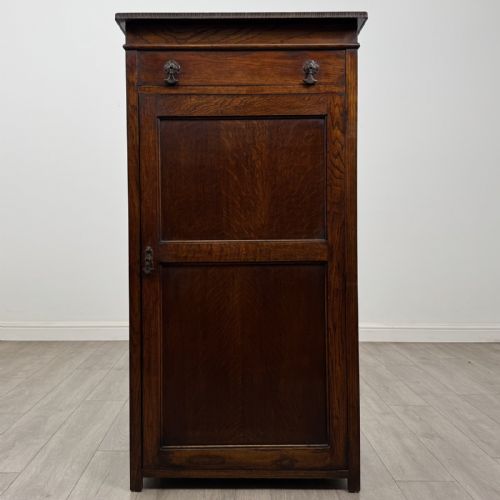
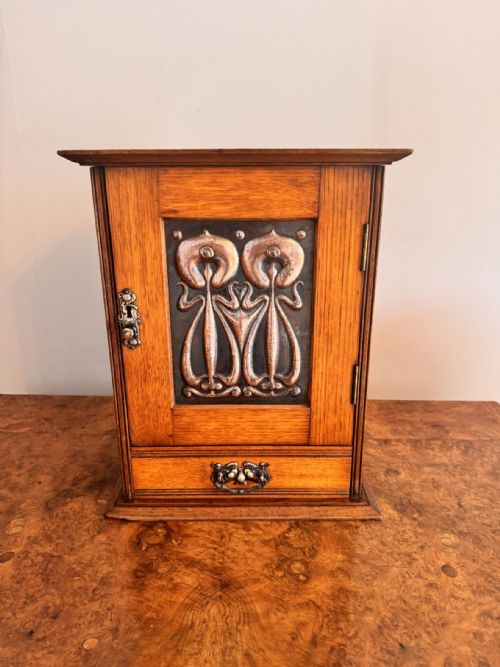
An Edwardian box on stand brings purposeful elegance to a room, offering elevated storage paired with a dedicated display or support frame.
Edwardian Box on Stand
When searching for an edwardian box on stand, collectors look for elevated containers designed to hold specific household items such as stationery, wine, or sewing equipment. These pieces combine a lidded box compartment with a supporting framework, raising the storage to a comfortable height for daily use.
The versions most commonly met on this page span the Edwardian period alongside related Victorian and early twentieth-century examples. They frequently employ timber carcases mounted on slender legs or frames.
Makers of the period utilised these elevated formats to protect contents from damp floors and to present fine cabinet woods at eye level. The combination of box and stand creates a distinct silhouette within a domestic interior.
Materials and Construction
Makers constructed these pieces primarily using hardwoods such as mahogany, oak, satinwood, and walnut, often applying delicate stringing and marquetry inlay to the exterior surfaces. These timbers provided the structural stability required for lidded boxes supported by raised frames.
Metal mounts in brass and silver plate frequently reinforced corners, handles, and lock escutcheons, adding functional contrast to the timber. Interior fittings utilised velvet linings and segmented wooden trays to organise the items held within.
Some stationery boxes include secret compartments accessed by hidden spring releases known only to the original owner.
Assessing Quality and Craftsmanship
The distinction between standard domestic items and superior examples lies in the precision of the cabinetwork and the choice of veneers. Finer pieces display matched timber grains, intricate marquetry, and original working locks with matching keys.
The integration between the box and its stand indicates the level of care taken during manufacture, where robust joinery ensures stability without relying on crude reinforcing brackets. Original interior fittings and well-preserved velvet linings further elevate the standing of a piece.
Mappin & Webb·Sampson Mordan·A. Wilcox·Artificer's Guild
The Edwardian Box on Stand Glossary
- Marquetry
- Decorative patterns formed by fitting together thin veneers of various coloured woods. This technique adorns the lids and panels of many finer storage boxes.
- Satinwood
- A lustrous, yellow-toned timber harvested from tropical trees, favoured by Edwardian cabinet makers for contrasting inlay work and banding.
- Escutcheon
- A protective plate surrounding a keyhole, usually fashioned from brass or other metals to prevent wear on the surrounding wood.
- Tantalus
- A locking wooden frame holding decanters visible to the eye but secured from unauthorised pouring. They often form the interior arrangement of entertaining cabinets.
- Jardiniere
- An ornamental stand or receptacle designed to hold plants and flowers. These frequently share the elevated format seen in standard box frames.
Edwardian Box on Stand: Frequently Asked Questions
What is an edwardian box on stand used for?
These pieces served practical storage functions within the Edwardian home, keeping stationery, sewing implements, or wine bottles close at hand yet neatly contained.
Their elevated design allowed users to access contents without bending down while presenting decorative timber surfaces as part of the room's furnishing.
How do I care for an antique wooden box?
Keep wooden pieces away from direct heat sources and strong sunlight to prevent the timber from drying out and the veneers from lifting.
Apply a traditional beeswax polish occasionally to nourish the grain and maintain the natural lustre of the polished surface.
How can I distinguish Edwardian pieces from Victorian ones?
Edwardian items generally exhibit lighter timbers, simpler lines, and more restrained inlay compared to the heavier, highly carved aesthetics typical of mid-Victorian production.
Cabinet makers working after nineteen hundred frequently favoured satinwood and lighter mahogany finishes that brightened domestic interiors.
Are the interior fittings usually original?
Many examples retain their original segmented wooden trays, velvet linings, and division panels designed for specific objects like cutlery or letters.
Replacements do occur over time through normal use, so inspecting the fit and wear of interior components helps confirm their age.