

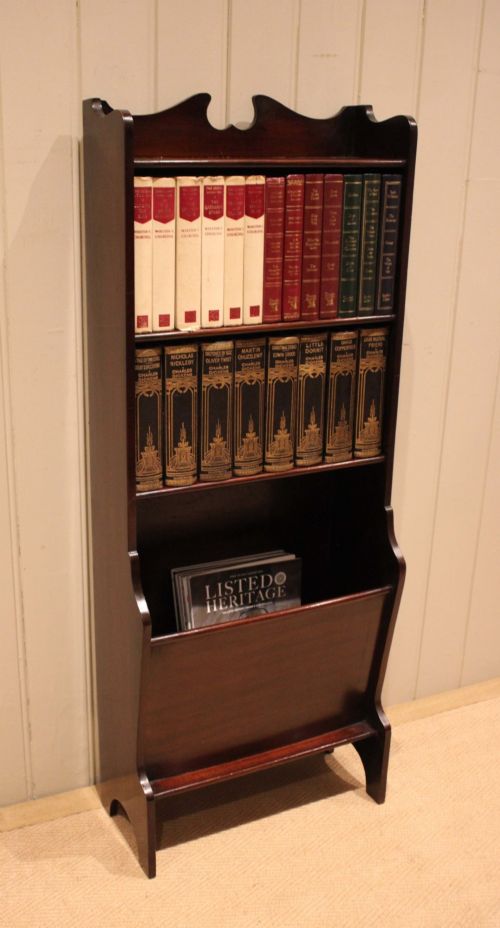
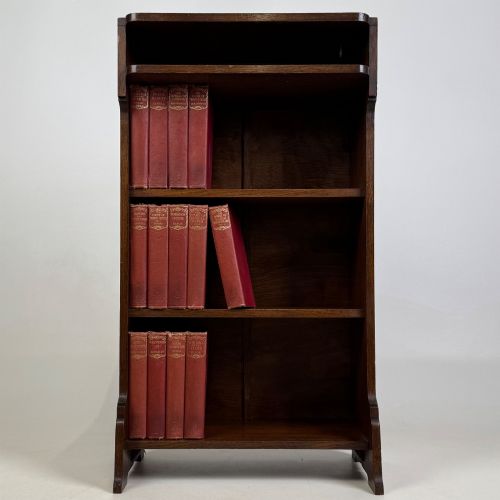

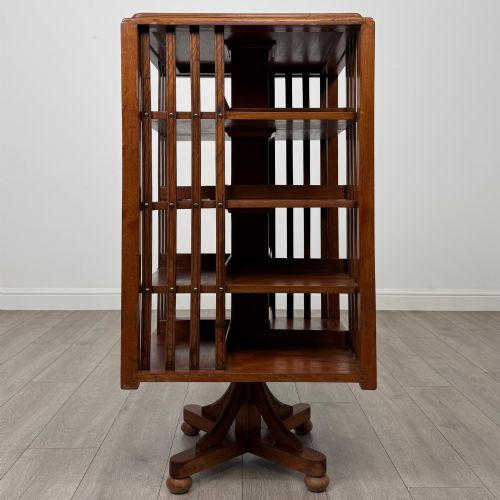
Edwardian Bookstand
An edwardian bookstand brings compact storage and turning utility to domestic spaces through period cabinet-making.
Edwardian Bookstand
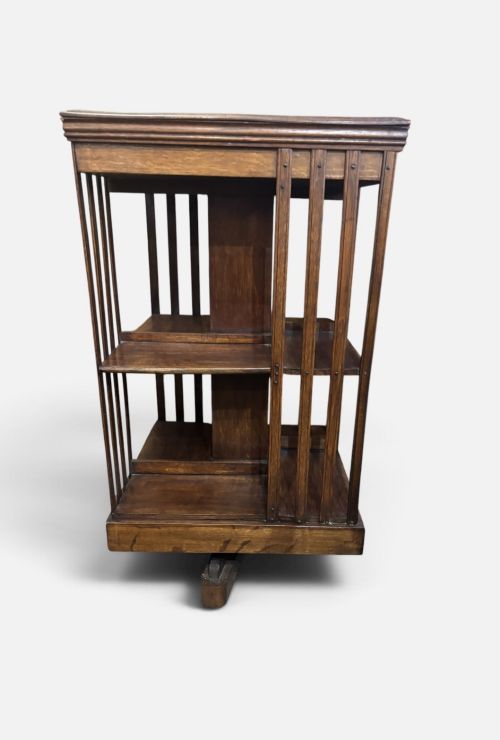
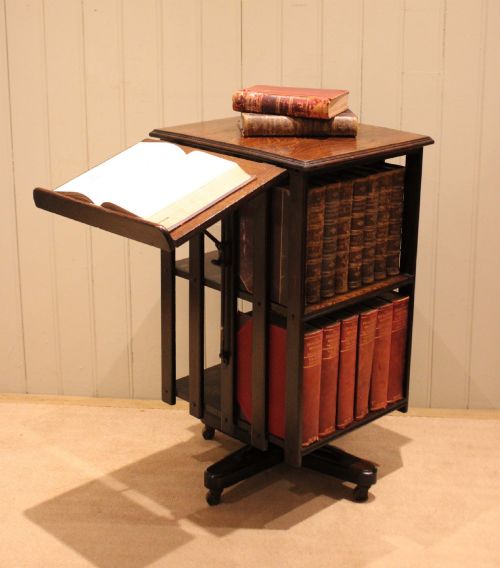
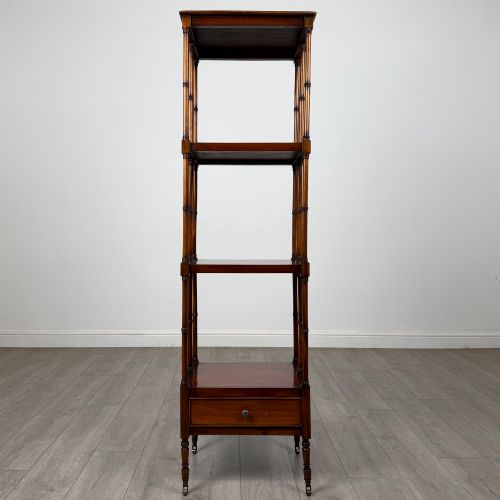
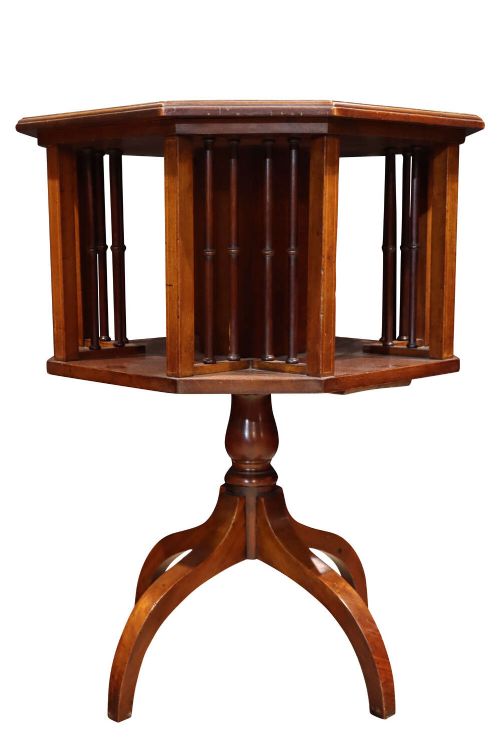
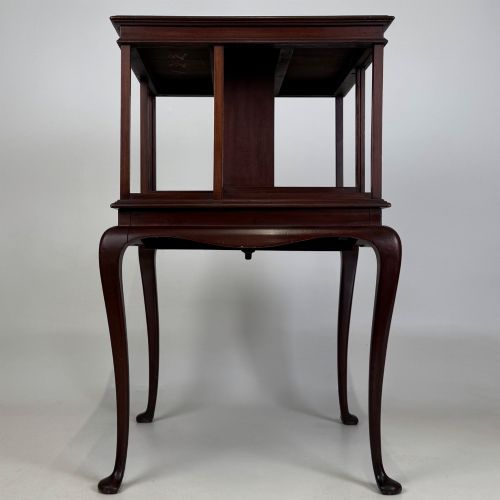
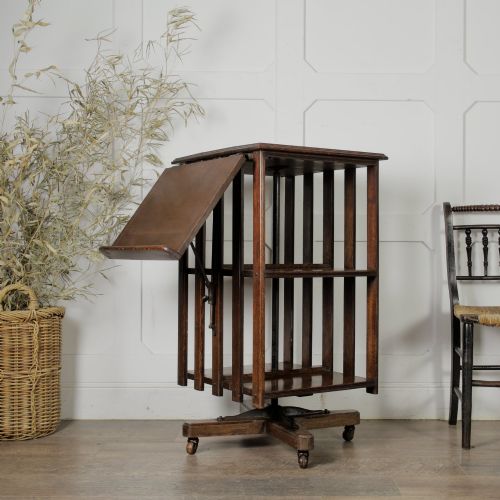
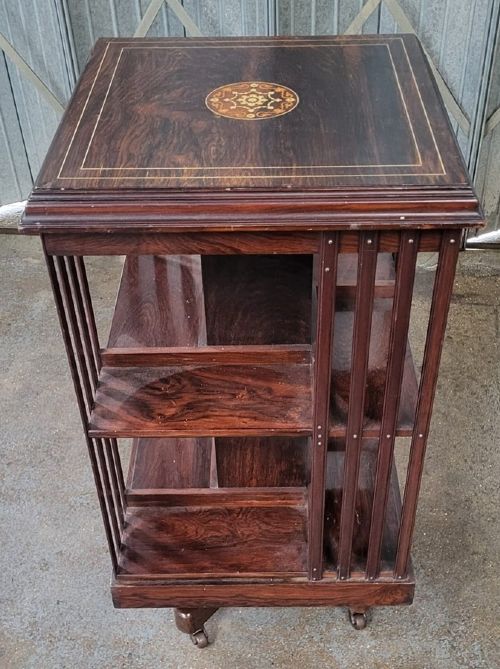
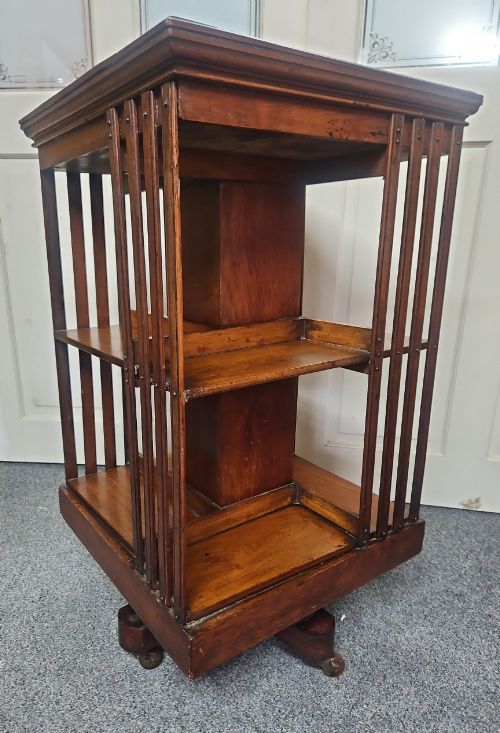
An edwardian bookstand encompasses revolving models, open shelves and desk accessories designed to hold volumes within arm reach. The rotating table top and floor-standing revolving bookcase dominate the selection, offering multi-sided storage on a central spindle.
Makers produced these pieces across the Edwardian era, alongside late Victorian and early twentieth-century periods. Oak and mahogany serve as the primary woods, often shaped into compact table top versions or larger library pieces.
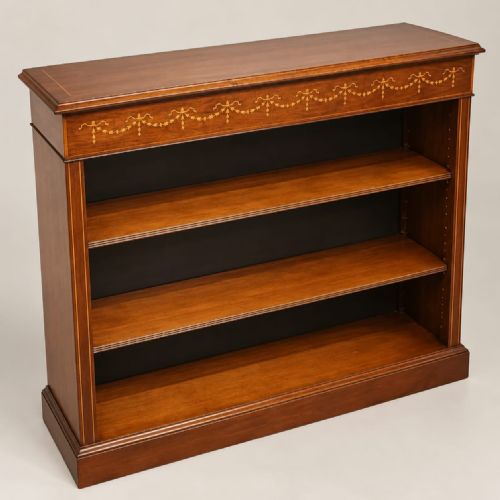
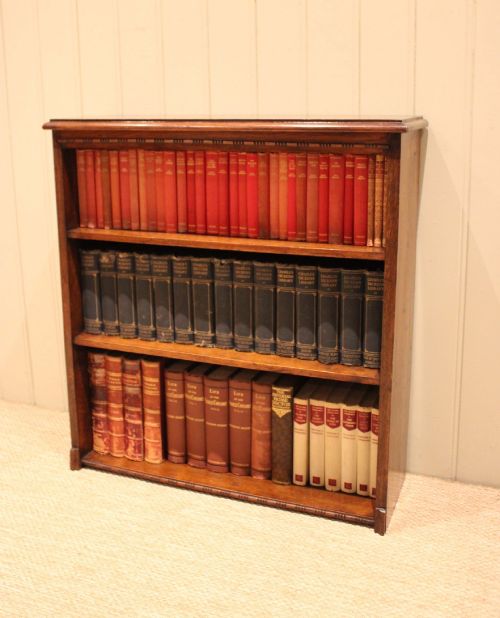
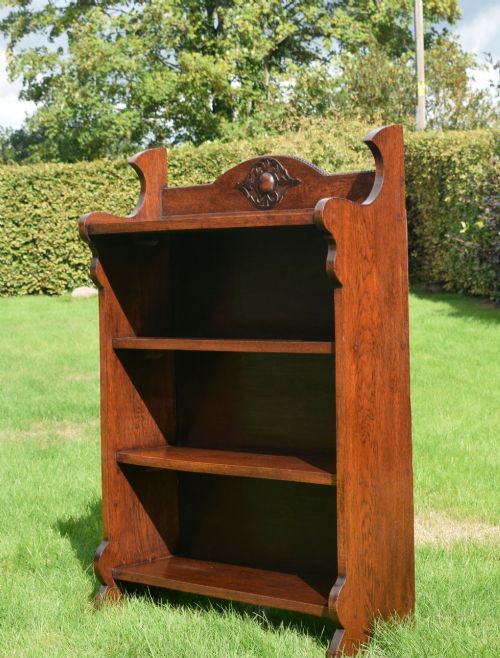
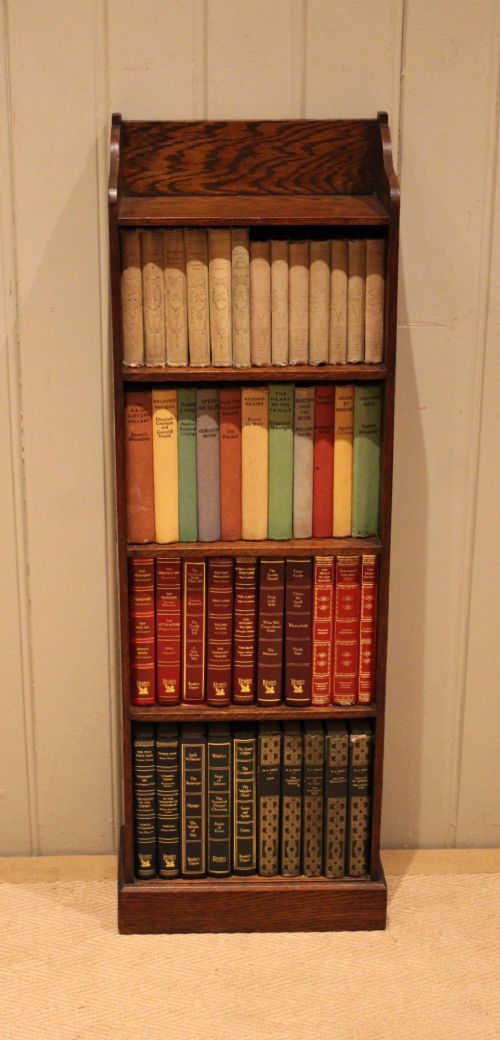
The objects cross paths with open bookcases and magazine racks, though the revolving format remains the defining type for this search. They function as practical furniture for studies, drawing rooms and libraries.
What Varies in Quality
The caliber of the timber figures prominently, with flame mahogany and figured walnut marking the upper end of production. Subtlety of inlaid detail and precision in the revolving mechanism distinguish finer workshop output from standard commercial items.
Structural integrity of the slatted sides and the smoothness of the turning action dictate the durability of each piece. Fret-cut work and carved decorative elements display varying degrees of crispness and hand execution.
Edwardian Bookstand Retail Price Guide 2026
Typical asking prices for edwardian bookstand among the pieces listed under this phrase on Sellingantiques today, from the lower quarter to the upper quarter. They describe what is for sale here now, not the wider market.
Many a Victorian reader discovered that a revolving bookcase doubles as an excellent improvised podium for a particularly heavy household cat.
Heals
The Edwardian Bookstand Glossary
- Revolving bookcase
- A freestanding or table top piece fitted with a concealed pivot mechanism allowing the entire body to turn. This design provides access to books from multiple sides without moving the unit.
- Inlay
- A technique where pieces of contrasting wood, such as satinwood or lighter veneers, are fitted into a recessed surface to form decorative patterns. It defines much of the Sheraton Revival style.
- Flame mahogany
- A wood veneer cut from the branch junction of the mahogany tree, producing a distinctive rippled flame pattern. Cabinet-makers reserved this timber for principal display surfaces.
- Arts and Crafts
- A design movement prioritising simple forms, visible construction and honest materials over mass-produced ornamentation. Oak open bookcases frequently display these characteristics.
- Waterfall bookcase
- A tiered shelving unit where each lower shelf steps forward from the one above it, creating a cascading profile. These pieces often incorporate fret-cut sides.
Edwardian Bookstand: Frequently Asked Questions
How do revolving bookstands work?
A concealed internal pivot mechanism rests upon a weighted cross base, allowing the slatted upper tiers to spin freely. This enables users to reach multiple directions of stored volumes from a single seated position.
The metal or cast iron components beneath require proper alignment to ensure the rotation remains smooth and balanced over decades of daily use.
Where were these pieces used?
Households placed them beside armchairs in drawing rooms, upon writing desks in studies, or within home libraries to keep reference volumes close at hand. Their compact footprint suited smaller spaces where wall shelving was impractical.
Table top variants offered portable book storage that could shift between rooms as required.
How do I distinguish Edwardian from Victorian examples?
Edwardian pieces tend to display lighter timbers like satinwood or bright mahogany, often featuring delicate Sheraton Revival inlays and slender proportions. Victorian predecessors generally rely on darker, heavier oak or dense mahogany with denser carvings.
Construction methods and timber selection remain the primary indicators for separating transitional late-nineteenth-century items from early-twentieth-century production.
What is the difference between a bookstand and an open bookcase?
A bookstand typically refers to smaller, mobile, or revolving formats designed for immediate desk or fireside access. Open bookcases are larger, stationary shelving units meant for permanent wall placement.
Both categories utilise oak and mahogany, but their scale and mobility separate their historical domestic functions.