
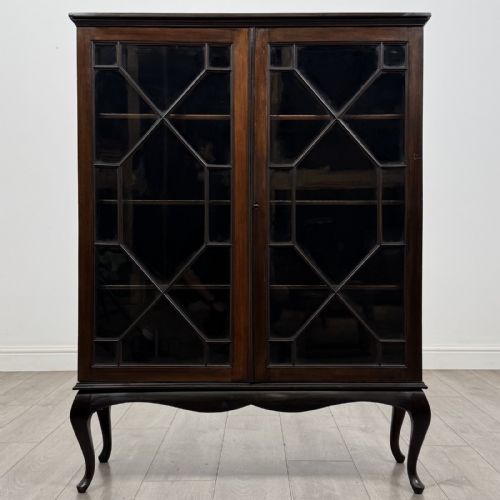
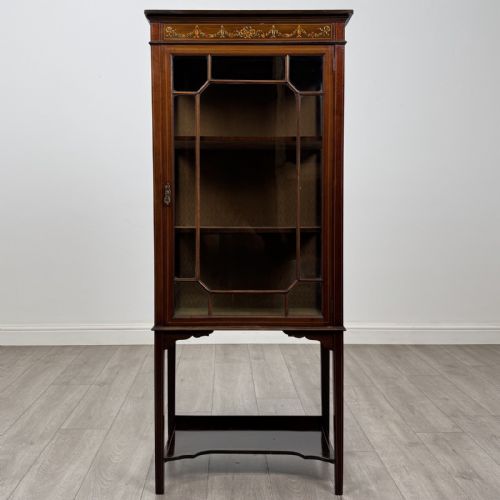
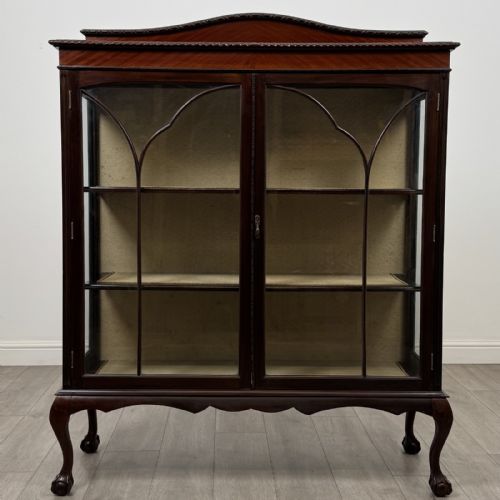
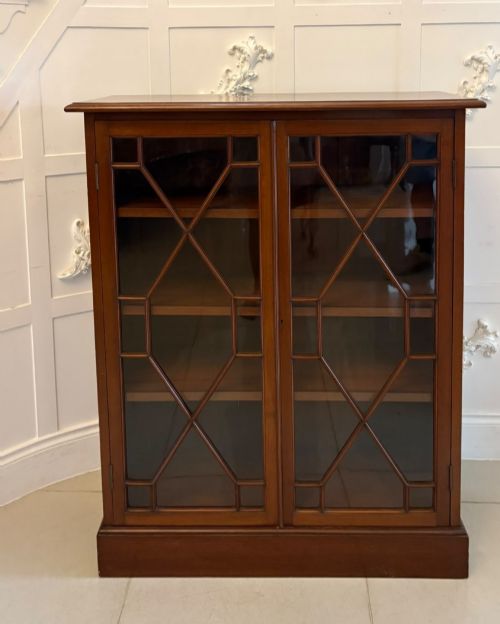
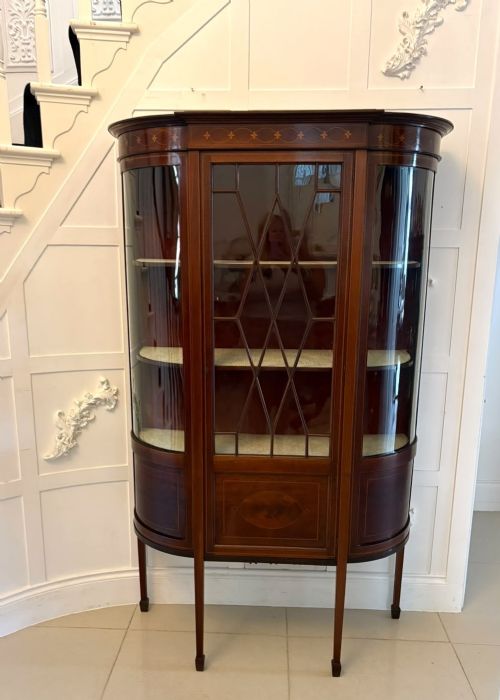
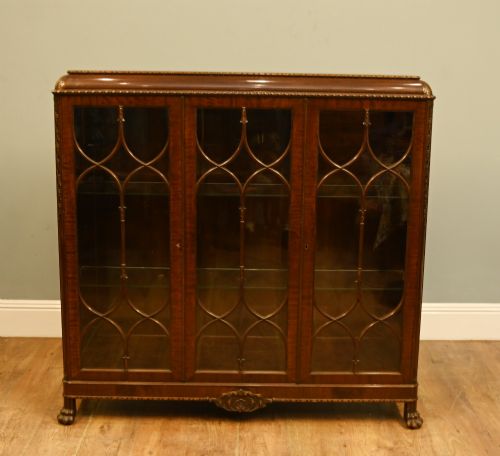
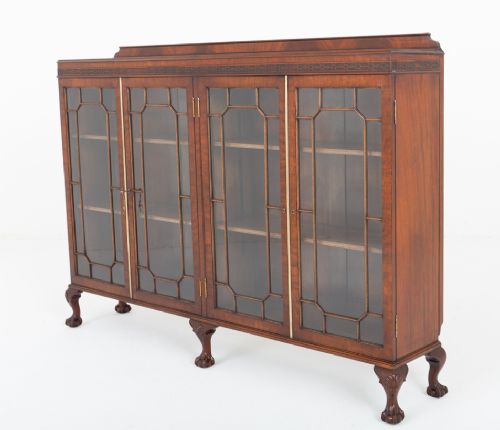
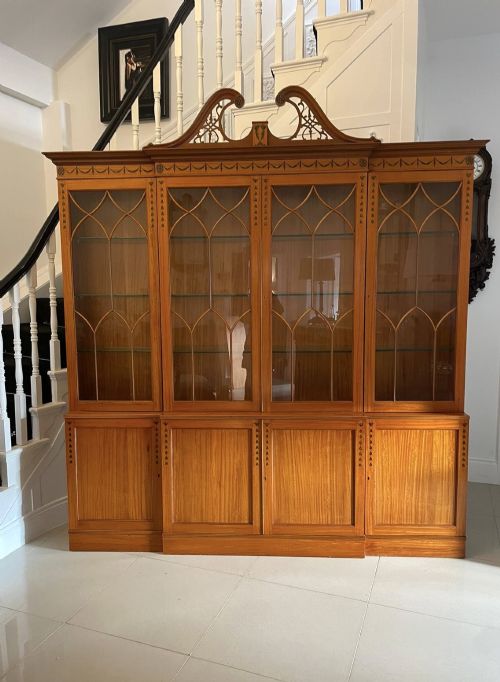
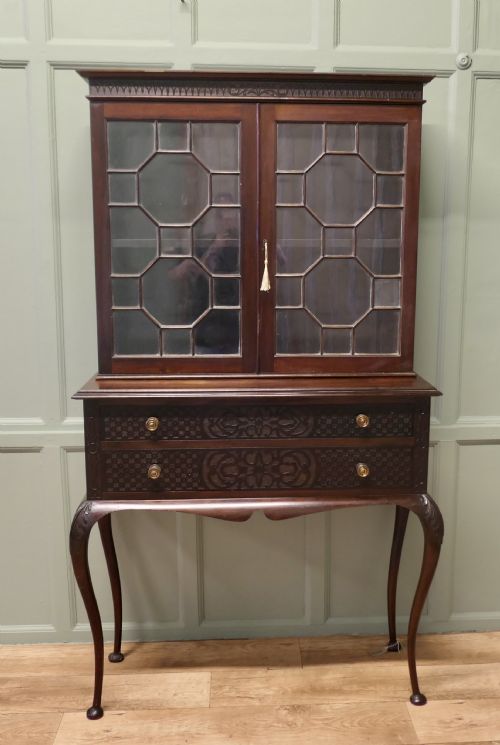
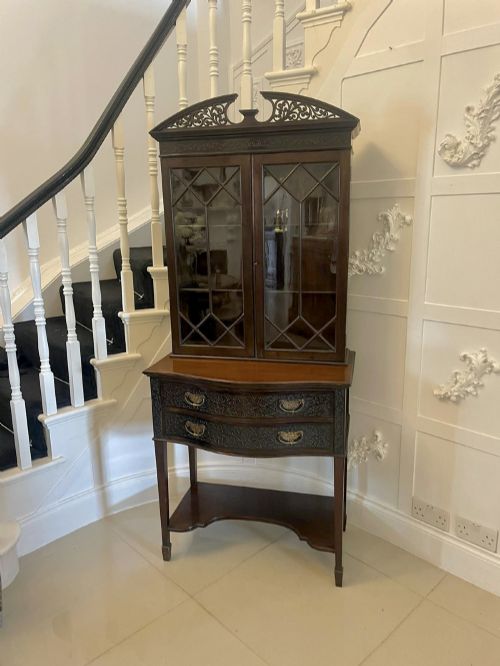
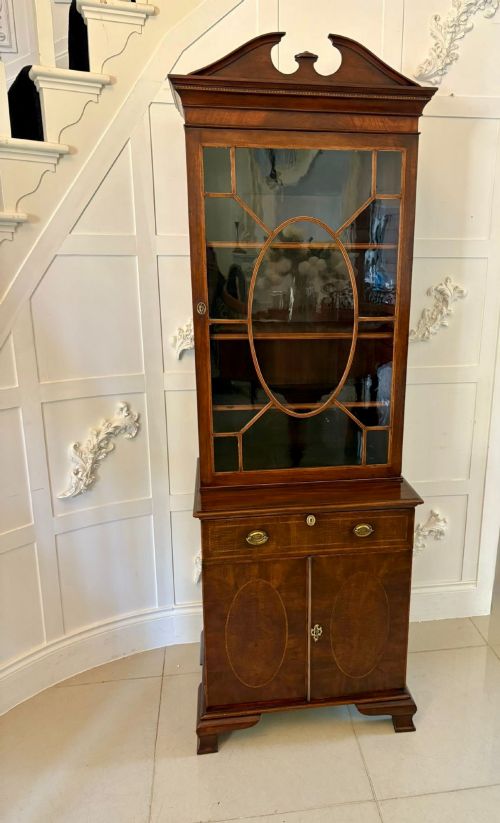
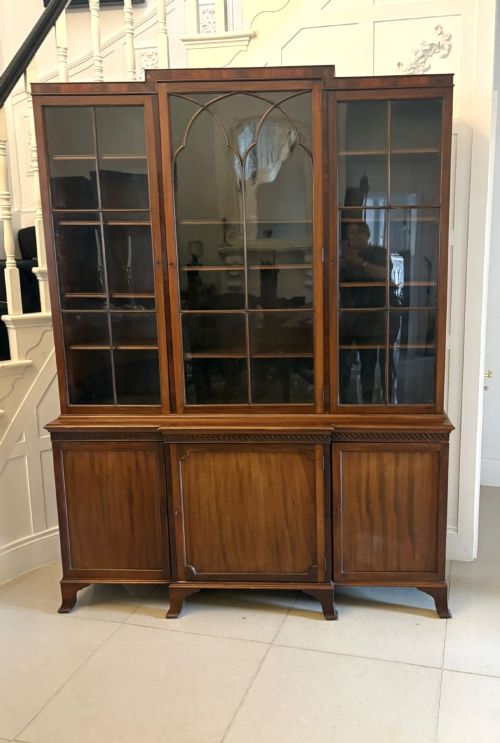

Edwardian Astragal Display Cabinet
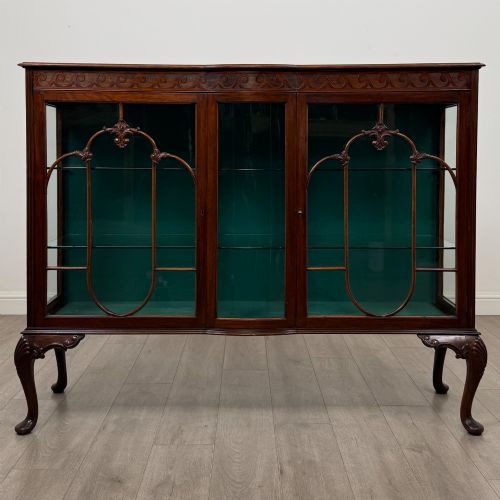
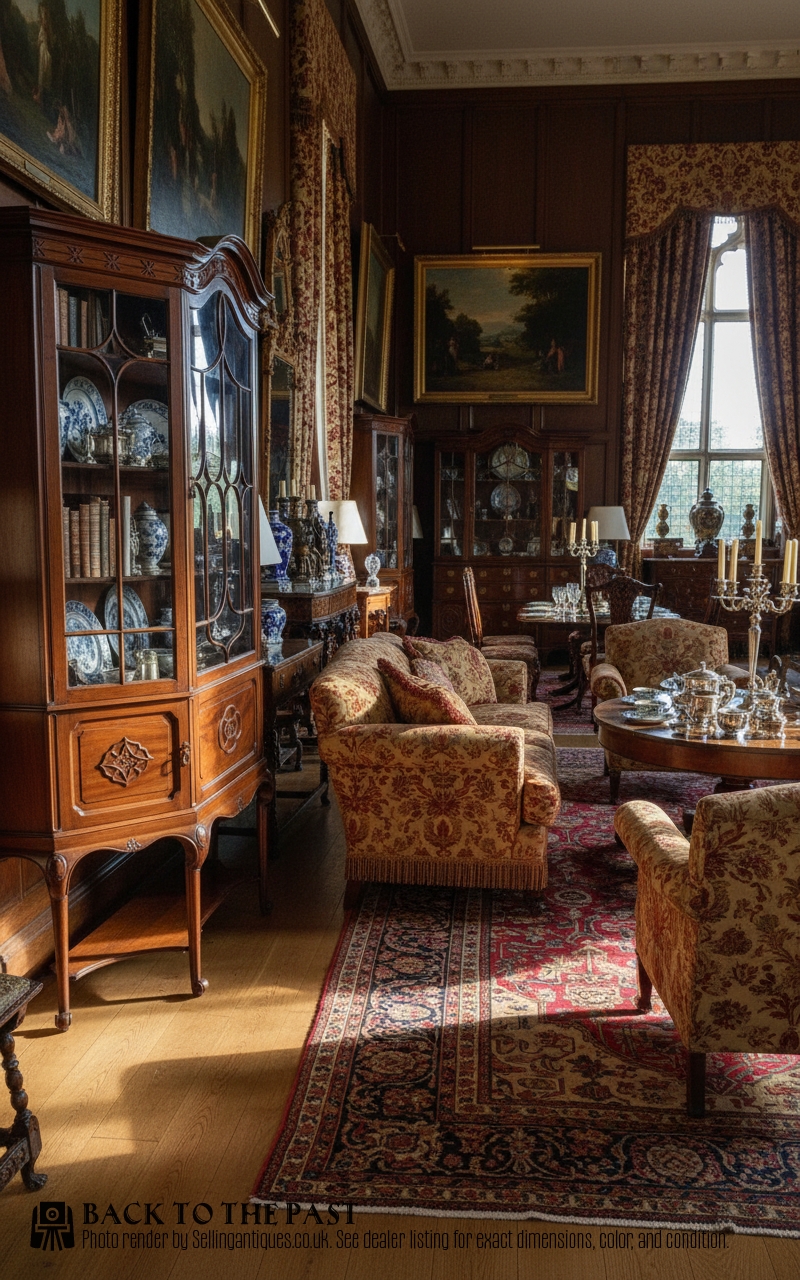
An Edwardian astragal display cabinet brings refined glazed storage into a room, offering a structured place to present treasured objects behind delicate timber glazing bars.
Edwardian Astragal Display Cabinet
An Edwardian astragal display cabinet combines timber framing with glass panes held together by wooden strips known as astragals, creating distinct multi-pane windows for viewing items stored inside. The phrase covers pieces originating around the Edwardian era alongside similar designs spanning from the Victorian period through to the 1930s.
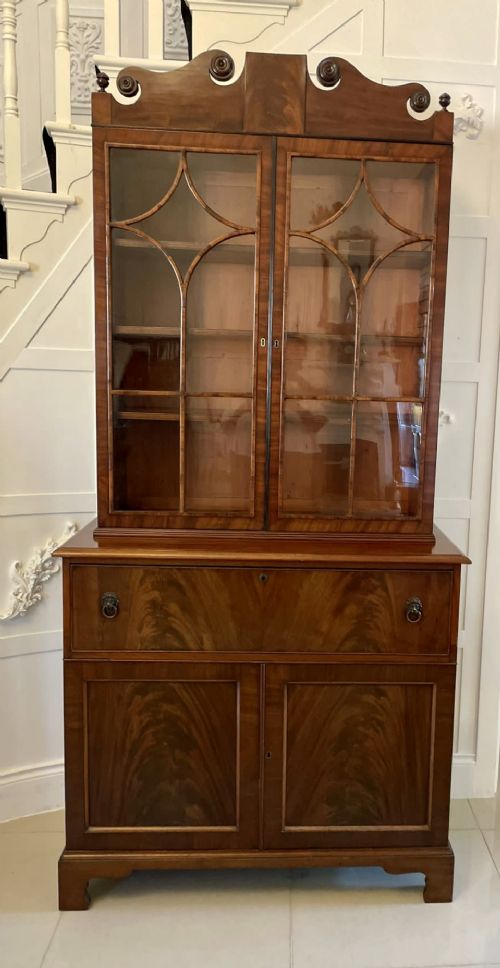
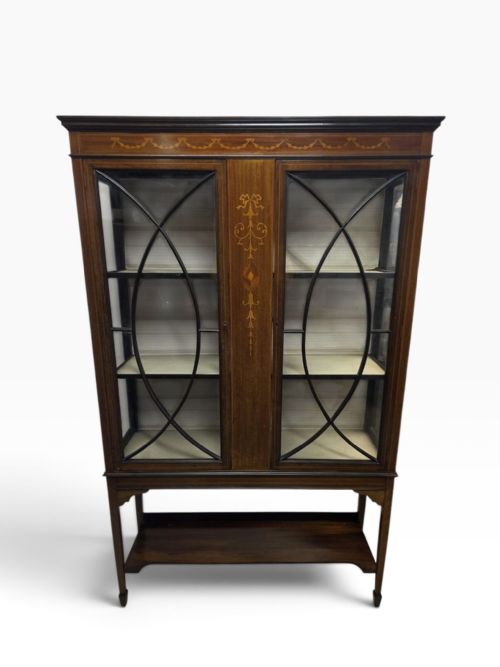
Buyers encounter numerous forms on this page, ranging from tall breakfront bookcases and corner cabinets to smaller floor-standing display cabinets and bureau bookcases. The predominant timber across these variations is mahogany, frequently enriched with satinwood inlay or painted decoration.
Beyond straightforward display uses, many examples function simultaneously as bookcases or china cabinets, while specific variations incorporate drop-down desks or enclosed cupboards beneath the main display section.
Materials and Construction Techniques
Cabinet makers constructed the primary carcasses from dense hardwoods, predominantly utilising mahogany, walnut, and oak. These surfaces frequently received decorative treatments such as satinwood inlay, marquetry, and delicate painted details.
The characteristic glazed doors rely on precision joinery where thin wooden astragal bars divide the glass into smaller geometric panes. Brass hardware, including hinges, key escutcheons, and locks, completes the structural assembly of each cabinet.
Many Edwardian display cabinets contain hidden compartments behind the pigeonholes where previous owners tucked away handwritten recipe notes.
Distinctions in Quality and Craftsmanship
Quality rests upon the crispness of the timber inlay, the precision of the mitred joints on the astragal bars, and the overall proportion of the cabinet. Superior pieces display carefully selected wood grains and refined marquetry that demonstrate advanced cabinet-making skill.
Internal elements such as original fabric linings, glass shelving, and functioning brass locks distinguish high-grade examples from simpler utility pieces. The weight and clarity of the glass, alongside the thickness of the structural timber, further separate standard production items from exceptional workshop commissions.
Maple and Co·Wylie and Lochhead·Gillows
The Edwardian Astragal Display Cabinet Glossary
- Astragal
- The narrow wooden moulding used to divide a large glass window into smaller glazed panes. These bars form a decorative lattice across the door fronts.
- Breakfront
- A cabinet design where the central section projects forward from the flanking wings. This architectural arrangement adds visual depth to large bookcases.
- Marquetry
- Decorative veneer patterns formed by fitting together thin pieces of coloured wood and other materials. Artisans apply these designs to cabinet doors and friezes.
- Secretaire
- A desk form featuring a fitted drop-front drawer that conceals small pigeonholes and writing surfaces. This dual-purpose element appears within larger bookcase structures.
- Bijouterie
- A specialised glass-topped display table or cabinet designed specifically for small precious items and jewellery. These pieces elevate collections to a horizontal or shallow viewing plane.
Edwardian Astragal Display Cabinet: Frequently Asked Questions
What fits inside an Edwardian astragal display cabinet?
These cabinets suit porcelain collections, glassware, and bound books. The adjustable shelving allows for the arrangement of varied objects.
Enclosed lower cupboards on certain models provide concealed storage for items that require protection from light.
How do I distinguish Edwardian from Victorian cabinets?
Edwardian versions often feature lighter satinwood inlay and more slender proportions. They reflect a shift towards neoclassical revival styles.
Victorian counterparts tend to utilise heavier timber framing, deeper mouldings, and darker finishes with less surface ornamentation.
Are the glass panes original?
Original glass frequently exhibits subtle surface ripples, small air bubbles, and slight thickness variations. These imperfections indicate traditional hand-blown production methods.
Modern replacement glass appears perfectly flat and uniform by comparison, lacking the optical distortion found in antique panes.
How should I care for the timber?
Keep the wood away from direct sunlight and heat sources to prevent timber splitting and veneer lifting. Maintaining stable room humidity protects the fragile construction.
Apply traditional beeswax polish sparingly to maintain the finish without building up excessive residue on the surface.