

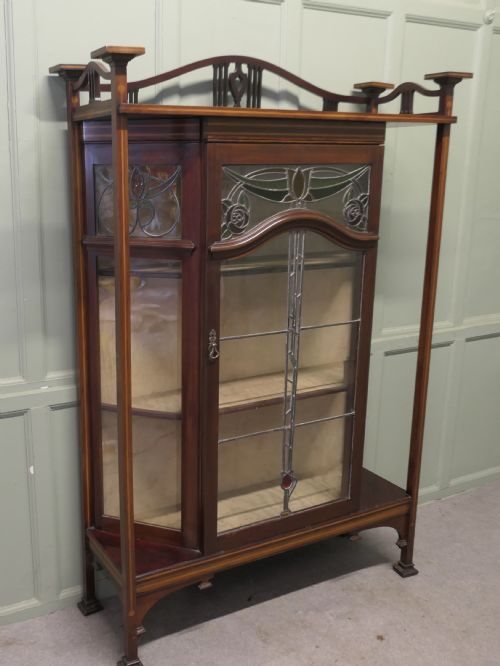
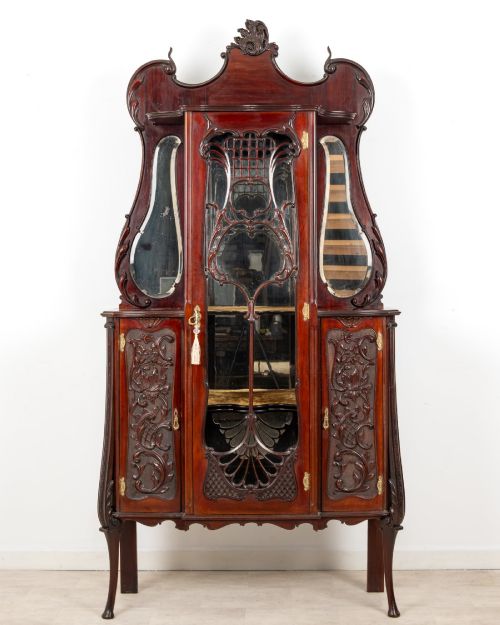
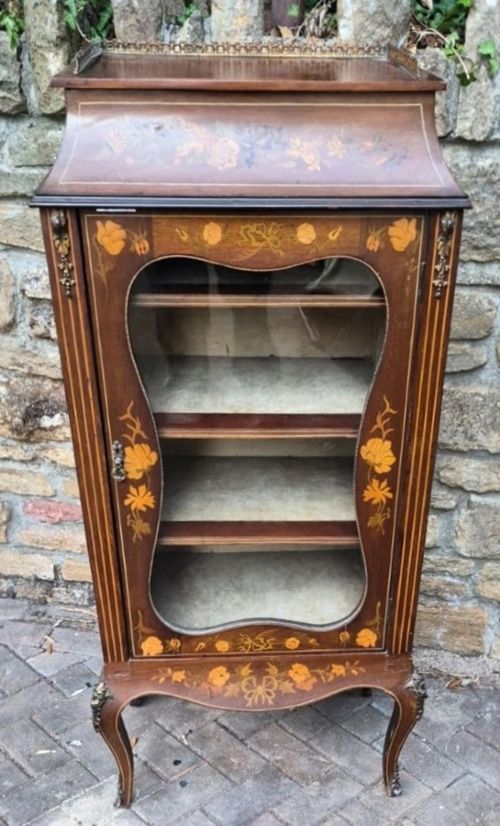
Edwardian Art Nouveau Cabinet
An edwardian art nouveau cabinet combines fluid organic ornament with practical storage, offering collectors a striking focal point for any interior.
Edwardian Art Nouveau Cabinet
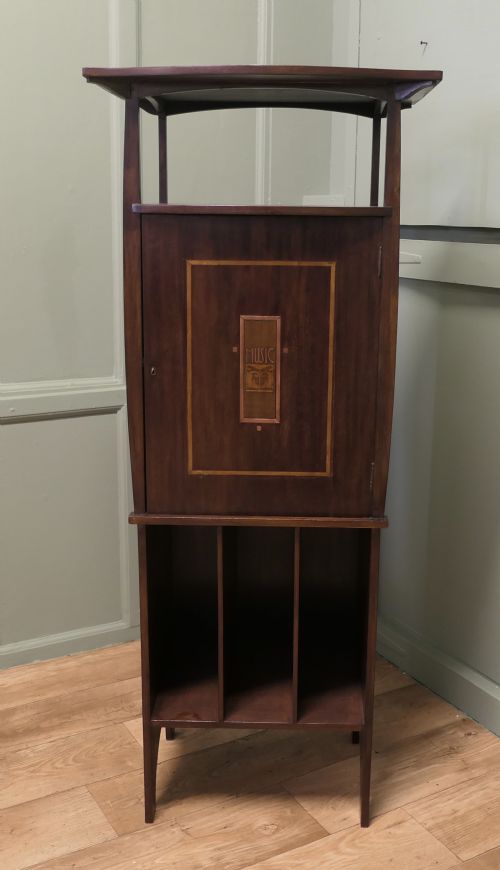
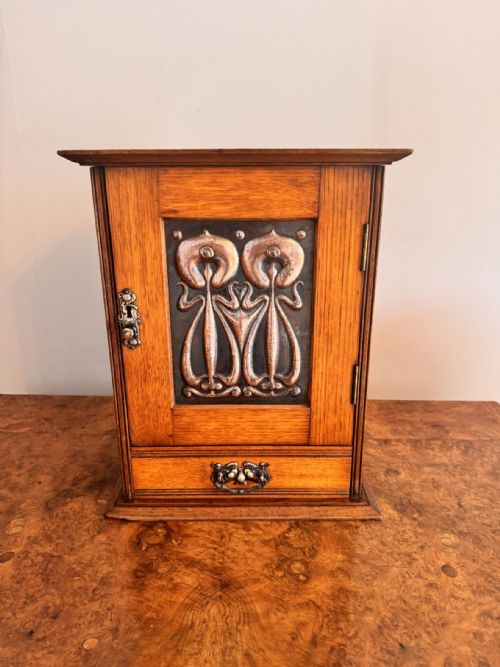
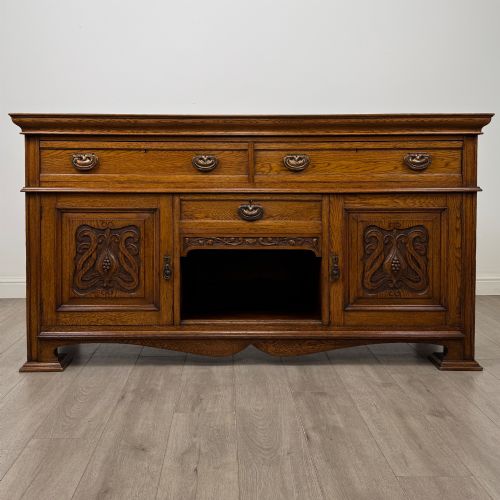
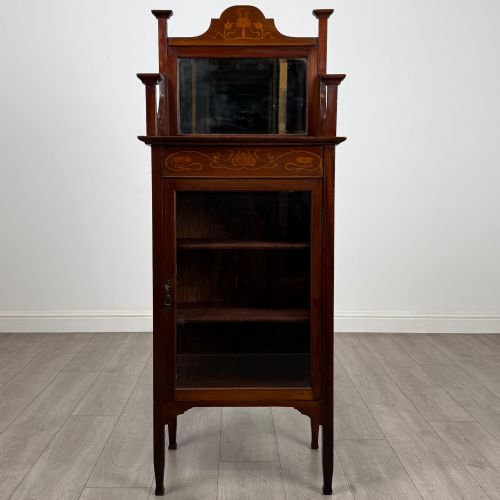
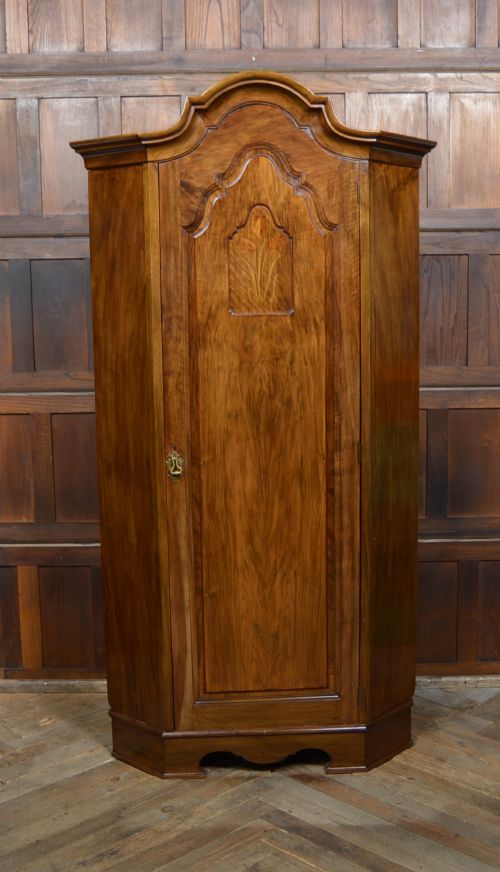
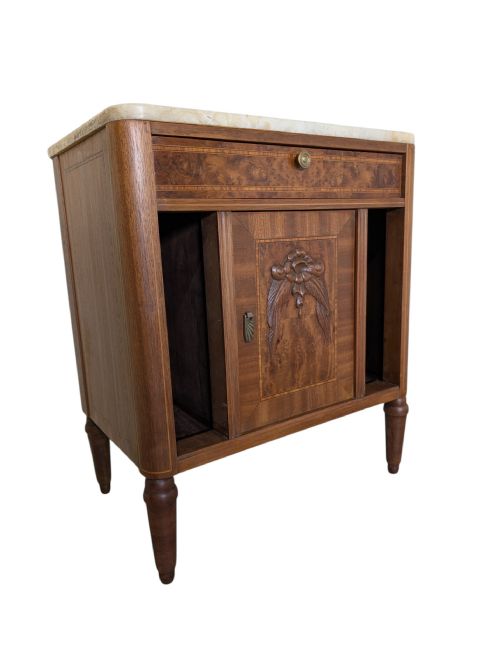
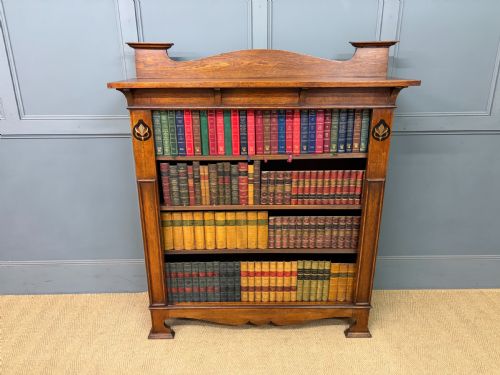
The edwardian art nouveau cabinet encompasses a diverse group of storage furniture, including display pieces, music cabinets, sideboards, and bedside cupboards. These items originate predominantly from the late nineteenth and early twentieth centuries, spanning the Victorian, Edwardian, and later periods.
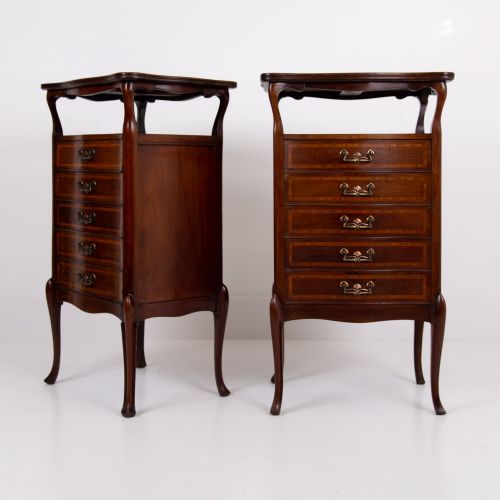
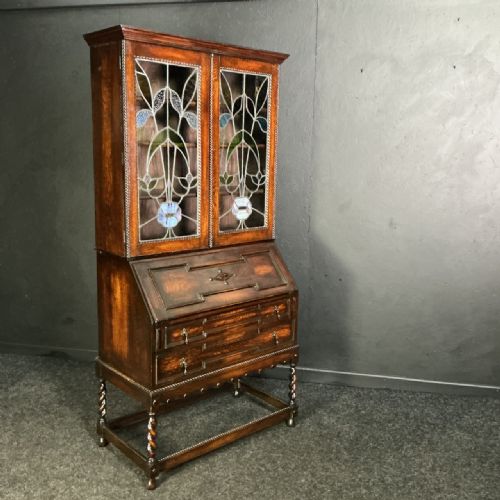
Buyers frequently encounter mahogany and oak examples adorned with intricate woodwork or glass panels. Forms range from compact wall-mounted cupboards to large bureau bookcases and wardrobes designed for domestic utility.
How They Were Made
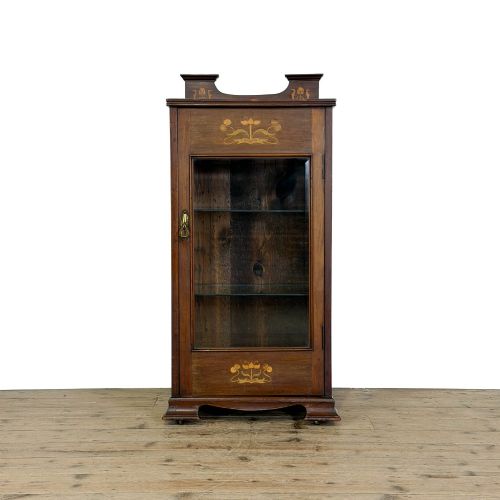
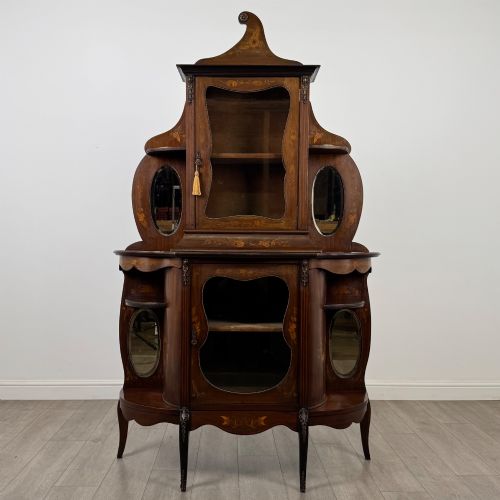
Craftsmen utilised cabinet timbers such as mahogany, oak, walnut, and satinwood, frequently incorporating contrasting wood inlay and marquetry to create fluid floral motifs. Metal details in brass and copper appear extensively on handles, hinges, and decorative mounts.
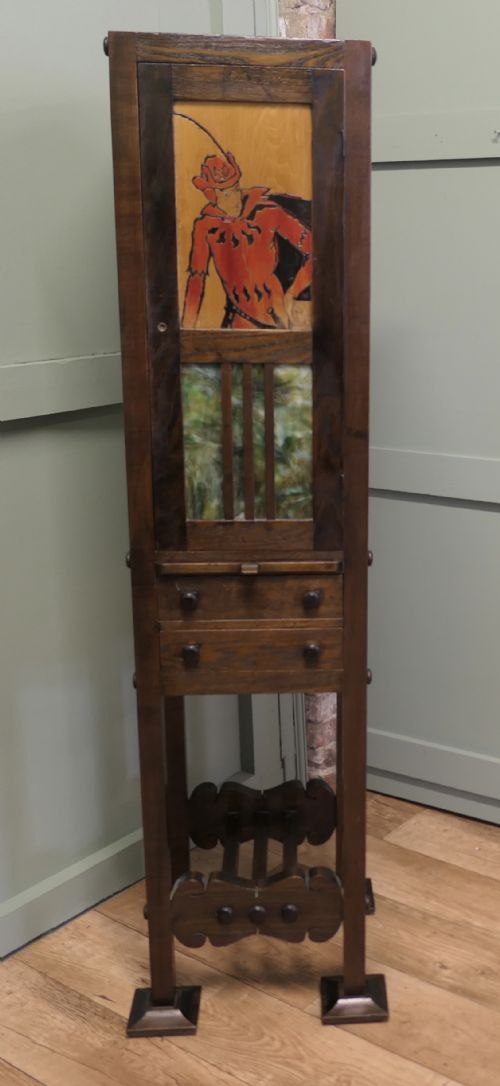
Construction techniques combine traditional joinery with surface decoration like pokerwork, carving, and painted elements. Glass is commonly integrated into doors for display purposes, while specialist interiors accommodate sheet music or books.
The furniture spans multiple forms, from display cabinets and sideboards to music cabinets and coal scuttles.
What Varies in Quality
The distinction between standard utility items and superior examples lies in the precision of the marquetry and the execution of carved organic lines. Finer pieces feature carefully selected timber grains and harmonious combinations of satinwood, mahogany, and contrasting metals.
Design attribution to notable workshops or specific designers elevates the standing of a piece considerably. Construction integrity, original hardware, and well-preserved glass panels further separate standard production items from exceptional workshop creations.
GM Elwood for JS Henry·Shapland and Petter·Maple and Co·D. Hill Carter and Co
The Edwardian Art Nouveau Cabinet Glossary
- Marquetry
- Decorative veneer work arranged in pictorial patterns on furniture surfaces. Craftsmen cut thin slices of different timbers to form floral or geometric scenes.
- Purdonium
- A specialised cabinet or box designed to hold household coal near a fireplace. These containers often feature metal linings and decorative sloping fronts.
- Secretaire
- A desk disguised as a chest of drawers or cabinet featuring a drop-down writing flap. This form conceals small pigeonholes and letter drawers inside.
- Pokerwork
- A method of decorating wood by burning designs into the surface with heated metal tools. It creates dark, textured contrasts on oak and other light timbers.
Edwardian Art Nouveau Cabinet: Frequently Asked Questions
What rooms suit these cabinets?
These versatile pieces adapt readily to living spaces, dining rooms, and bedrooms depending on their specific form. Smaller bedside cupboards and music cabinets fit compact areas, while larger display units and sideboards suit principal reception rooms.
Their distinct decorative motifs allow them to complement period interiors as well as provide a striking contrast in modern settings.
How do I identify the period?
Dating relies on observing a combination of timber selection, construction methods, and stylistic ornament. Pieces from this era often merge late Victorian mass production with the handcrafted ethos of the Arts and Crafts movement.
Look for characteristic whiplash curves, stylized floral inlay, and original brass or copper hardware typical of the turn of the twentieth century.
Were these items mass produced?
Manufacturing during this period varied from individual workshop commissions to larger commercial production by major retail furnishers. Pieces bearing specific maker marks often reflect higher design aspirations and specialised craftsmanship.
Standard commercial items still maintained high timber standards while catering to middle-class domestic demand for fashionable home decor.
How should I care for the wood?
Preserving the surface requires maintaining stable room humidity and avoiding direct sunlight that can fade delicate mahogany and satinwood. Regular dusting with a soft cloth protects the original polish and marquetry details.
Applying specialised wax sparingly helps nourish older timber without building up excess residue on carved or inlaid areas.