
Edwardian Art Ceramic
Edwardian art ceramic pieces bring fluid Art Nouveau lines and rich Arts and Crafts glazes into your home.
Edwardian Art Ceramic
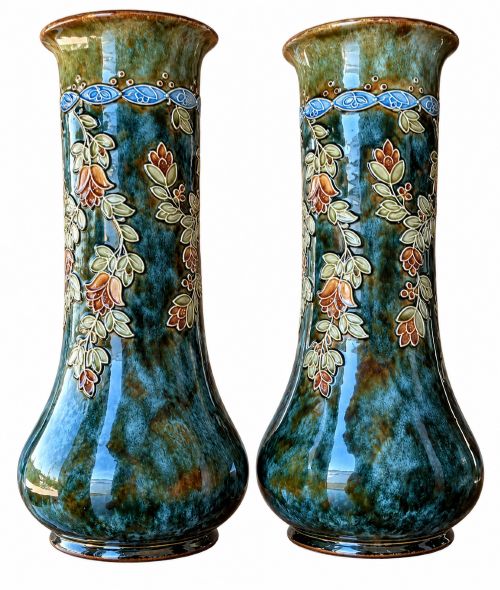
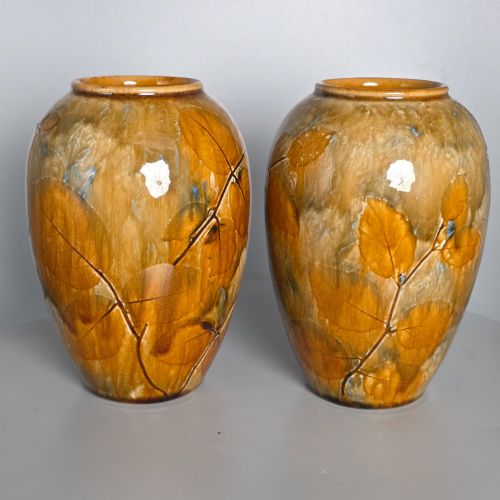
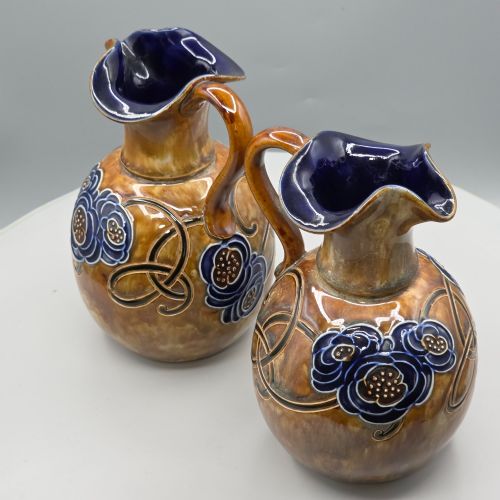
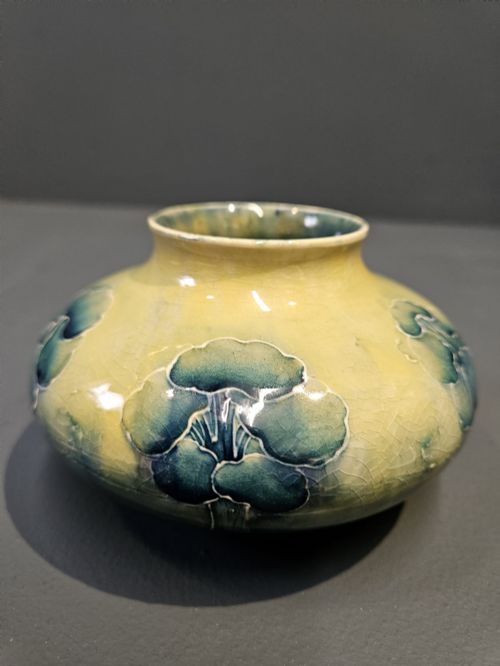
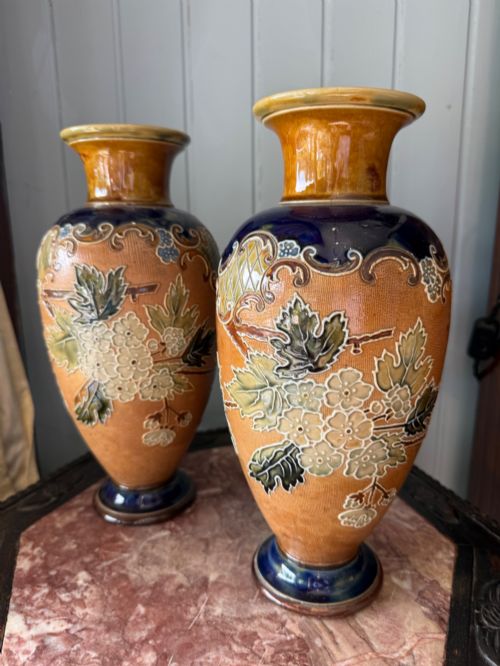
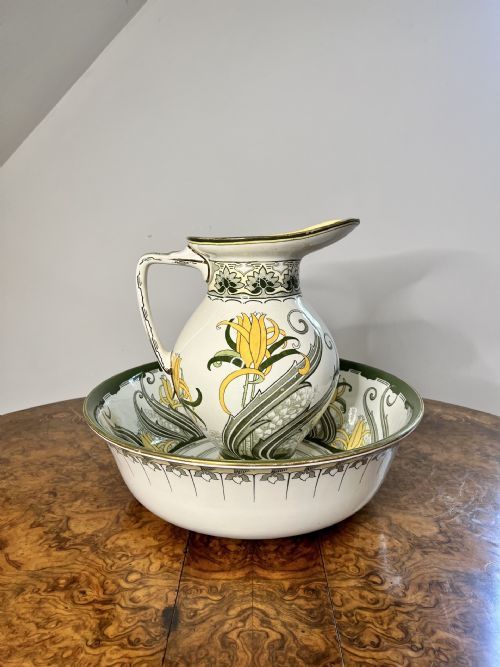
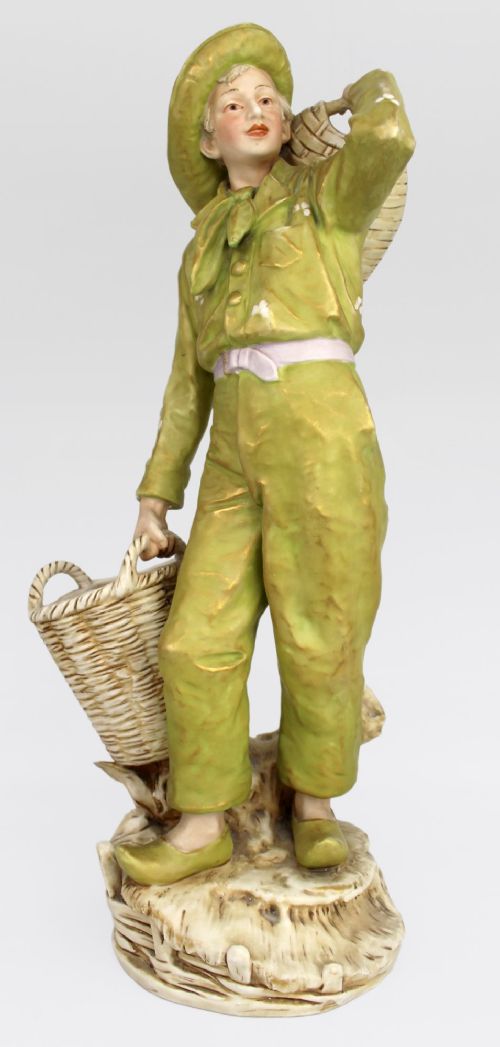
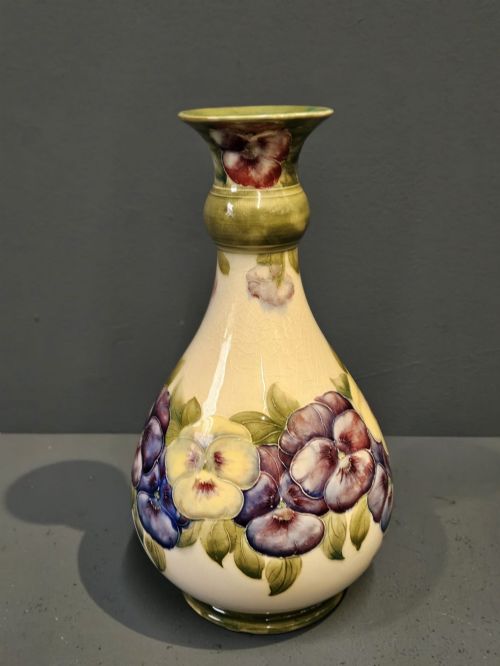
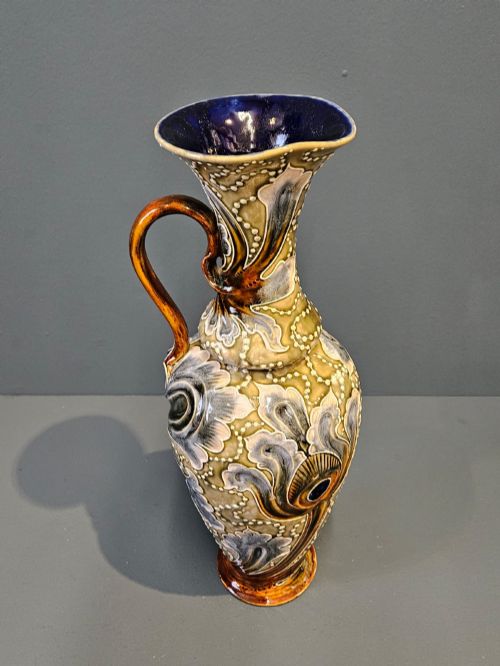
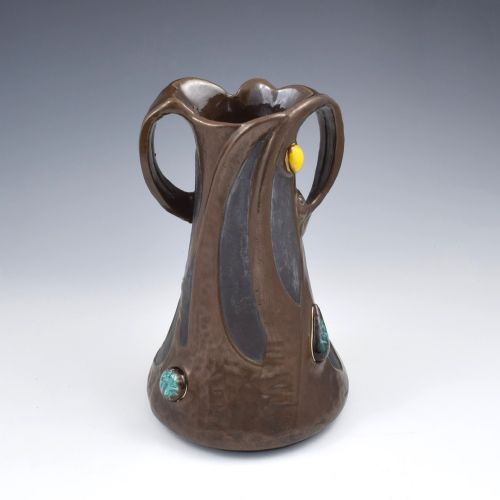
When you search for edwardian art ceramic items, you encounter functional and decorative vessels shaped during a period spanning the late nineteenth century through the early decades of the twentieth century. The selection centres on stoneware, earthenware and porcelain forms such as vases, jugs, decorative bowls and wall plaques. You are most likely to meet studio and factory output decorated in distinct stylistic movements like Art Nouveau and Arts and Crafts.
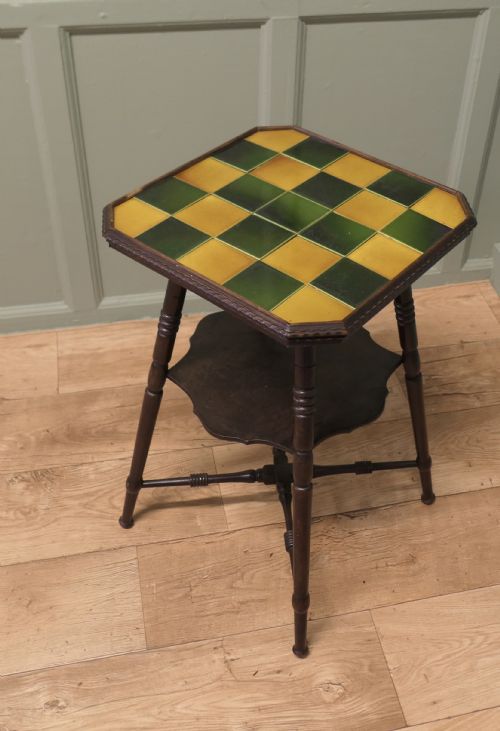
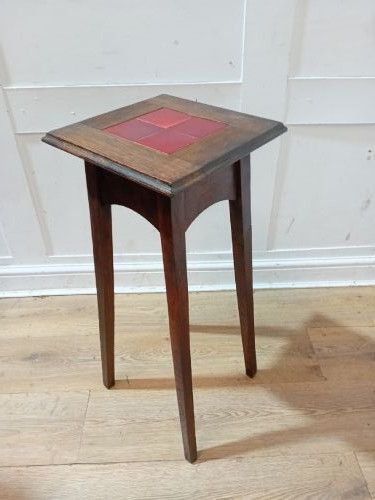
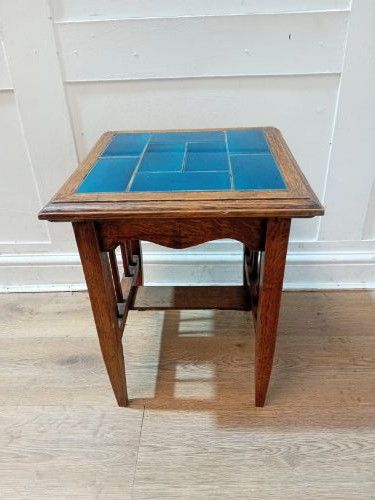
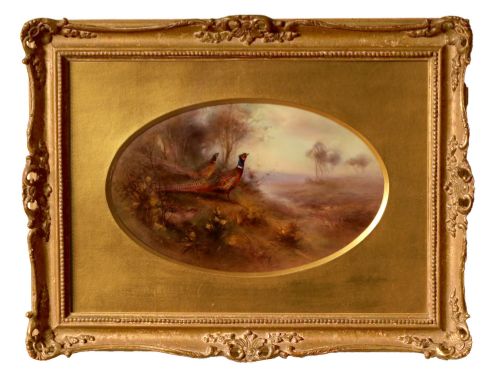
Many of these items carry the marks of major potteries operating across Britain during the Edwardian era. Alongside earthenware vases, the inventory includes oak furniture fitted with glazed ceramic tiles and framed porcelain plaques. The range covers both mass-produced factory designs and individual studio pottery pieces created by notable makers.
How they were made
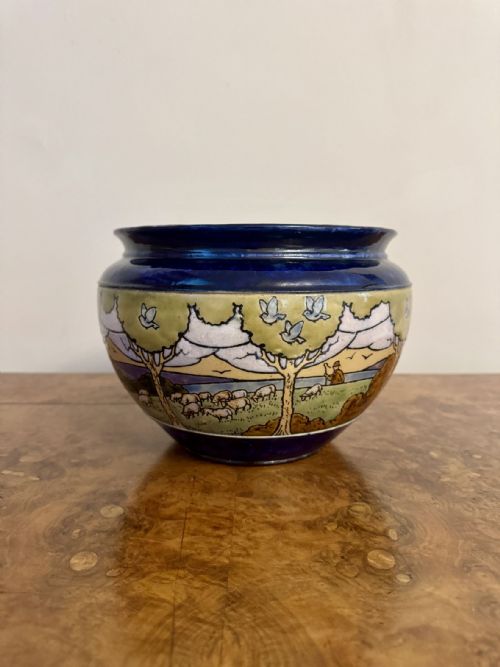
Makers utilised earthenware, stoneware and porcelain bodies, shaping them on the potter's wheel or casting them in moulds. Surface decoration relied heavily on glaze chemistry, including tube-lined designs that created raised barriers for coloured enamels. Lustre glazes and copper effects were applied to achieve iridescent finishes.
Potters employed hand painting for floral and figurative motifs, whilst architectural tile panels utilised specialised slip decoration. Firing techniques determined the depth of colour in stoneware bodies and the success of specialised lustre finishes.
What varies in quality
The distinction between standard factory output and the finest examples rests on the crispness of the moulding and the execution of the glaze. Hand-painted details by recognised artists show greater precision and depth of colour than routine transfer-printed wares. Superior pieces display harmonious proportions and well-defined tube-lining that enhances the structural form.
Artisanal studio pottery stands apart through unique glaze reactions and individual wheel-thrown execution. The complexity of the decorative scheme, such as multi-layered lustre or intricate floral patterns, separates ordinary production from exceptional specimens.
Royal Doulton·Moorcroft·Royal Worcester·Minton·Royal Dux
The Edwardian Art Ceramic Glossary
- Stoneware
- A dense, vitreous ceramic fired at high temperatures until non-porous. It accepts salt and alkaline glazes effectively.
- Tube-lining
- A technique where liquid clay slip is squeezed through a nozzle onto a ceramic body to outline a design before glazing. This creates raised ridges that contain the pools of coloured glaze.
- Lustre
- A type of ceramic glaze that imparts a metallic or iridescent sheen through the reduction of metallic salts during firing. It requires careful temperature control to achieve the desired rainbow effect.
- Earthenware
- Porous pottery fired at lower temperatures than stoneware, requiring a glaze to achieve impermeability to liquids. It serves as the base for many traditional decorative wares.
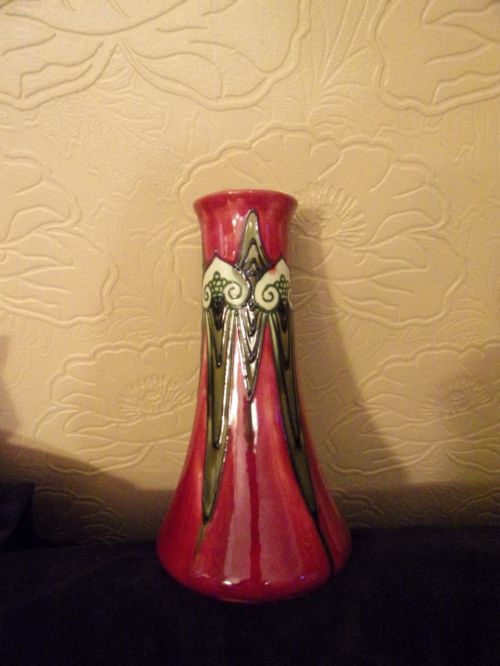
- Secessionist
- A style of ceramic design influenced by European modernist movements, characterised by stylized floral motifs and bold geometric shapes. Minton produced notable examples in this manner.
Edwardian Art Ceramic: Frequently Asked Questions
How do I display edwardian art ceramic vases?
Place these vessels on sturdy oak furniture or side tables where adequate light can catch the glaze variations and metallic lustres. Ensure they sit away from high-traffic edges to protect fragile handles and rims.
Group items of varying heights together to highlight contrasting forms, such as pairing a tall baluster vase with a broader jardiniere.
Were these ceramic pieces used daily?
Many items, such as jugs, bowls and wash stand sets, served practical household functions in Edwardian homes before transitioning to purely decorative roles. Jardinites and umbrella stands held indoor plants and walking aids.
Decorative plaques and framed tiles were intended solely for wall display, showcasing artistic talent rather than utility.
Can I use antique ceramic jugs for fresh flowers?
Most antique earthenware and stoneware vessels hold water safely, but porous bodies or items with hairline cracks require caution. Placing a small glass container inside prevents moisture damage to older ceramics.
Inspect the interior glaze for stability before filling any historic vessel with liquid.