


Edwardian Accent Cabinet
These edwardian accent cabinet pieces are versatile home furnishings crafted during the early twentieth century and related periods, offering both display space and refined utility for modern interiors.
Edwardian Accent Cabinet
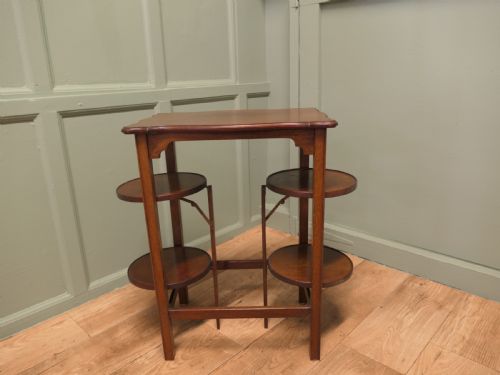
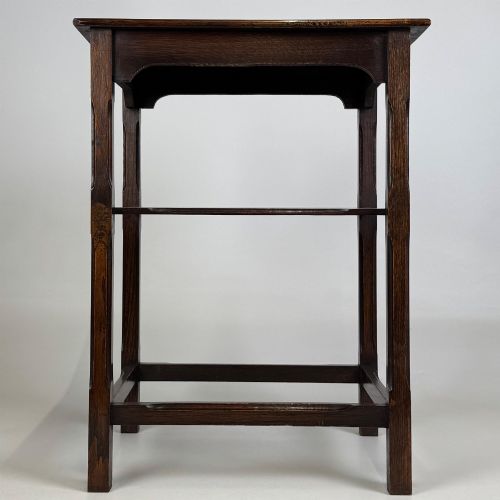
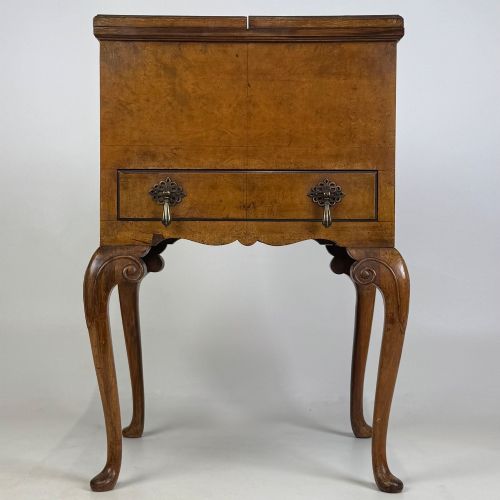
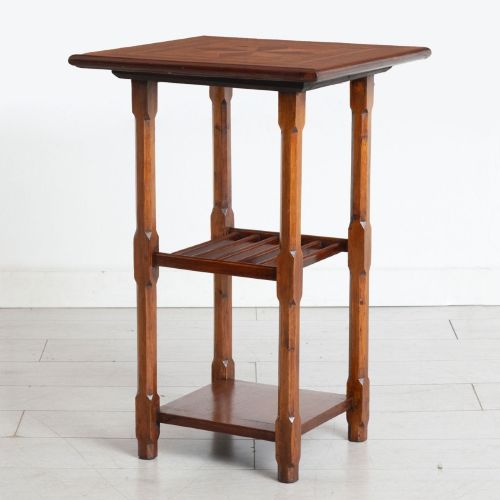
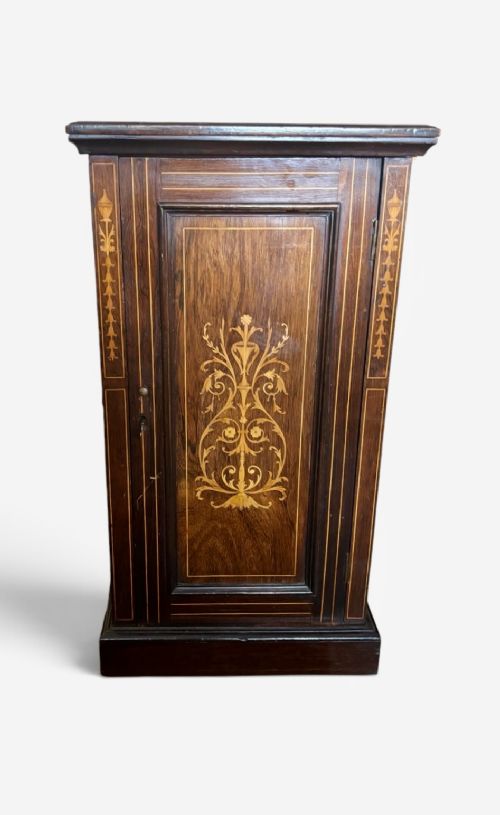
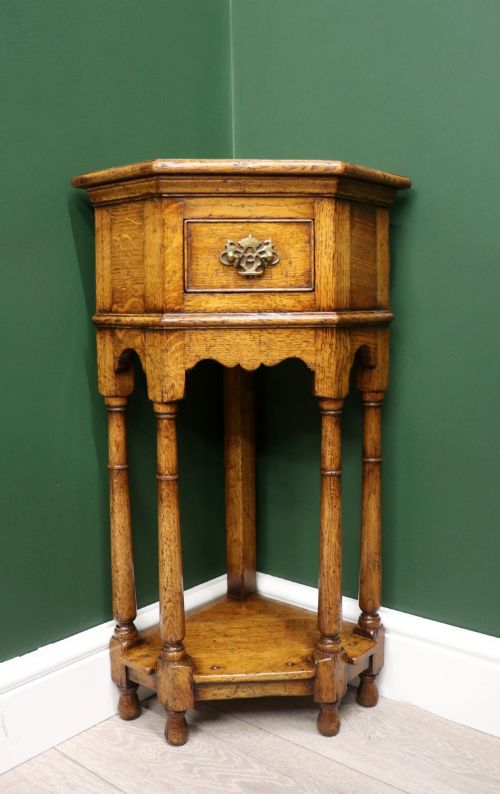
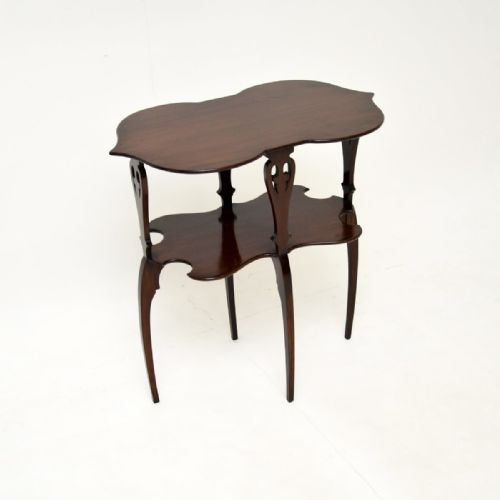
An edwardian accent cabinet brings practical surface area and compact storage into a room, serving as a side table, display piece, or small console. These forms range from simpler oak and mahogany occasional tables to inlaid cabinets and display tables.
The pieces appearing on this page span the Edwardian era, the Victorian period, and adjacent years around nineteen hundred. They take diverse shapes including narrow cabinets, side cabinets, occasional tables, and tiered display stands.
How they were made
Cabinet makers utilised solid timbers and veneers such as mahogany, oak, burr walnut, and satinwood, frequently embellishing surfaces with intricate inlaid timber and brass fittings. Glass panels feature in display cabinets and bijouterie tables to showcase contents.
Construction techniques reflect traditional joinery appropriate for domestic furniture of the late nineteenth and early twentieth centuries. Certain examples incorporate marble tops or specialised painted finishes to achieve distinct stylistic effects.
The listings span multiple periods including the Victorian era, the Edwardian period, and the nineteen fifties, utilising materials such as mahogany, oak, burr walnut, and brass.
What varies in quality
The refinement of the timber selection and the precision of the inlay work largely determine the distinction between standard production and superior examples. Finer pieces demonstrate careful grain matching in burr walnut or mahogany alongside crisp execution of decorative motifs.
Structural integrity and the quality of original hardware, such as brass handles and hinges, further differentiate the pieces. Attention to detail in secondary woods and overall proportion marks the work of more skilled cabinet makers.
The Edwardian Accent Cabinet Glossary
- Satinwood
- A dense, lustrous timber with a yellowish sheen often used for stringing, banding, and marquetry inlay on mahogany furniture.
- Burr Walnut
- A highly figured wood grain obtained from walnut tree growths, valued for its rich swirling patterns on cabinet doors and tabletops.
- Inlaid Timber
- Different woods or materials fitted flush into a recessed surface to form decorative patterns, prominent in Edwardian cabinet work.
- Dumb Waiter
- A multi-tiered piece of furniture designed to hold dishes or decorative objects, appearing in various forms across these listings.
Edwardian Accent Cabinet: Frequently Asked Questions
Where should I place an accent cabinet?
These compact cabinets suit hallways, drawing rooms, or bedrooms where floor space is limited. Their modest footprint allows them to function as side tables or display surfaces next to seating.
They also work well in corners or against shorter wall spaces where larger furniture would overwhelm the room.
How do I clean mahogany surfaces?
Dust regularly with a soft, dry cloth to prevent particle accumulation. Avoid modern silicone sprays that can build up and dull the finish over time.
Apply a traditional beeswax polish occasionally to nourish the timber and maintain a natural lustre.
What is an occasional table?
An occasional table is a small, moveable table designed for specific, intermittent use around the home. Examples include tiered stands, lamp tables, and small side tables.
They provide convenient surfaces for lamps, books, or decorative items without dominating a room layout.
How can I identify Edwardian furniture?
Edwardian pieces date from the reign of King Edward the Seventh, spanning the first decade of the twentieth century. They frequently lighter in proportion than heavy Victorian designs, often featuring satinwood inlay and mahogany.
Stylistic influences from earlier periods, such as Sheraton revivals or Arts and Crafts movements, also appear regularly.